
In short: A bulk pack of suet balls, such as 100 pieces without nets, significantly reduces the price per piece. Look for high-quality fats and seeds, and avoid plastic nets to feed birds safely and responsibly. Cool, dry storage helps preserve the quality of your supply.
The garden comes alive when birds are singing and flying in and out of the bird feeder. Feeding birds all year round not only helps them through lean periods, it also gives you fascinating opportunities to observe nature right outside your window. Anyone who feeds birds regularly knows that the demand for bird food is high. A bulk pack of 100 or more suet balls is a smart solution. You save money and time, and always have a supply ready.
A variety that combines animal welfare with high-quality nutrition is particularly recommended. The offer exactly that: 100 energy-rich suet balls enriched with valuable insects and completely free from dangerous plastic nets. This allows you to feed birds affordably, safely and responsibly.
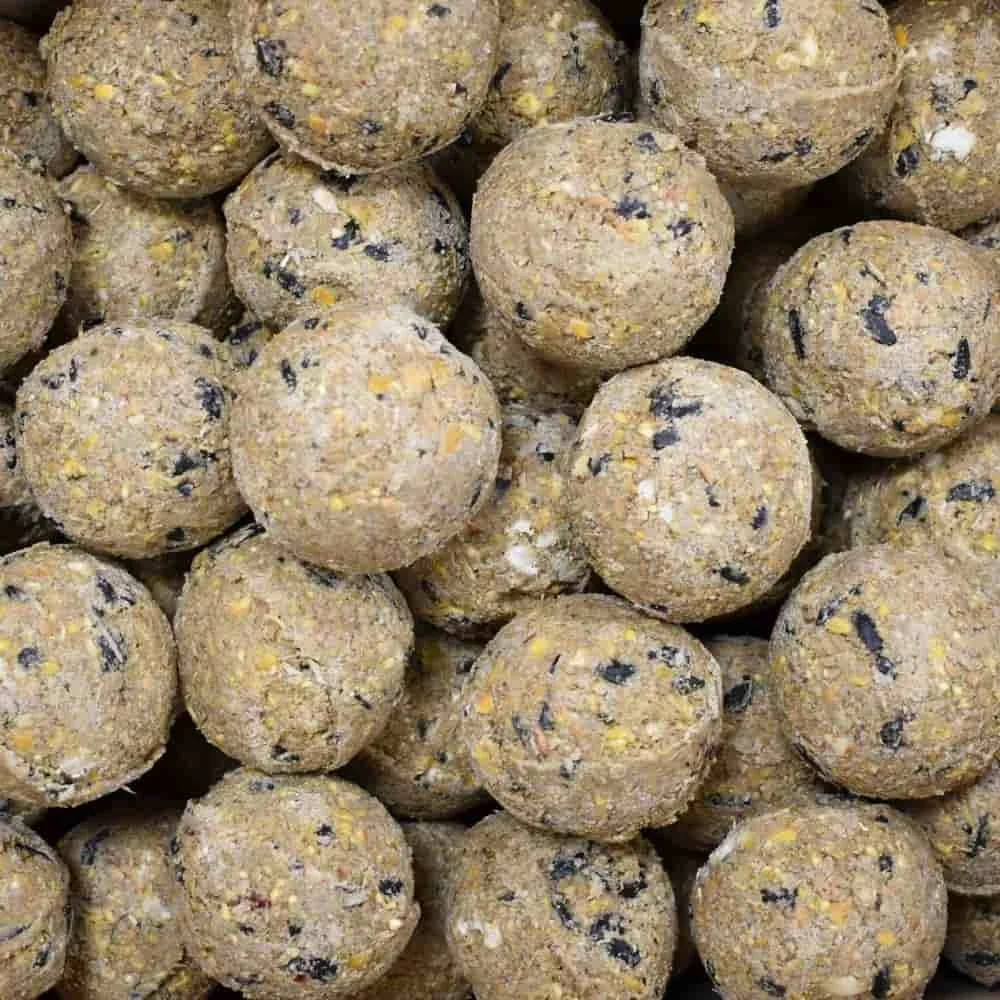
Why is it worth buying a bulk pack of suet balls?
Choosing a bulk pack is about more than convenience. It is an economical and practical decision for anyone who wants to support wild birds regularly. The benefits are clear and convincing.
Significant savings per piece
The most obvious benefit is financial. Work out the price per piece. You will quickly find that the unit price of a suet ball in a pack of 100 or 200 is considerably lower than buying small packs of six or ten. At around 23 cents per suet ball for the , the savings are substantial. You can invest this money in more varied food or a new bird feeder.
Less shopping stress and a more reliable supply
A large supply provides security. Especially during a sudden cold snap with snow and ice, garden feeding stations are vital for many birds' survival. With a bulk pack in the basement or garage, you do not have to go out in all weather to get more. You always have enough food on hand to ensure an uninterrupted supply.
Having a reliable food source available in winter often means the difference between life and death. A constant supply from bulk packs helps birds maintain their energy reserves through cold nights.
A contribution to reducing waste
The environment benefits too. One large box creates significantly less packaging waste than dozens of small plastic packs. If you also choose suet balls without nets, you reduce plastic waste in your garden even further. It is a small step that makes a difference overall.
How can you identify high-quality suet balls?
Cheap does not automatically mean good. The quality of the food is crucial for birds' health. Inferior products offer little nutritional value and may even cause harm in the worst case. Look for a few clear characteristics to identify high-quality food.

The ingredients list: not all fats are equal
Fat is the basis of every good suet ball. It provides essential energy. High-quality beef tallow or coconut fat is ideal. These fats do not become rock-hard in cold weather or go rancid immediately in warm conditions. Cheap fats or reused frying fats are unsuitable and harmful to health.
A rich mixture of sunflower seeds, hemp seed, crushed peanuts and cereal flakes such as oats or wheat indicates good quality. Additions such as dried insects, berries or nuts provide extra nutritional value and attract a variety of bird species.
Important note
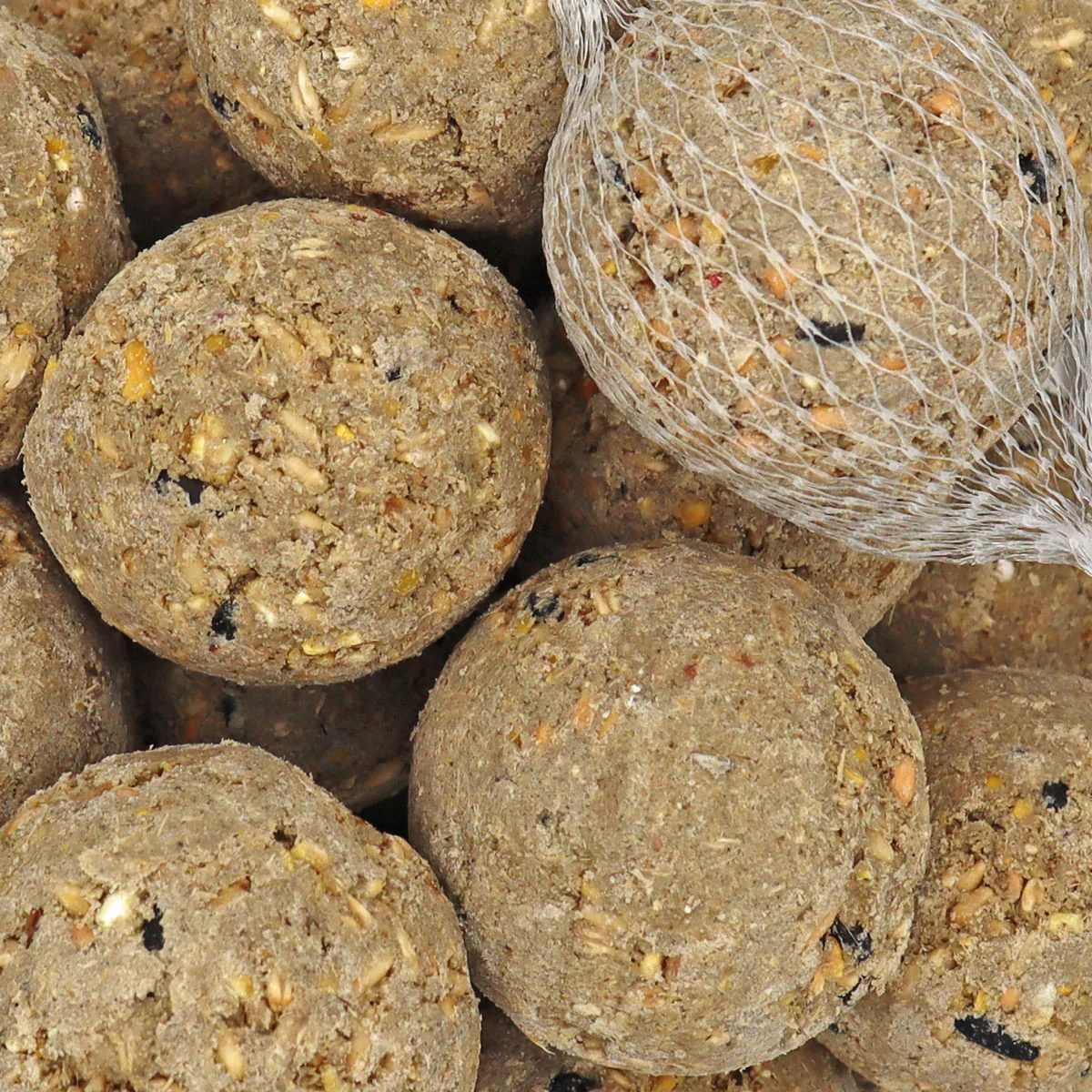
Always avoid suet balls in plastic nets. Birds such as tits, woodpeckers and nuthatches can get their legs or beaks caught in them, suffering serious injuries or dying painfully. Empty nets can be blown away by the wind and pollute the environment.
Consistency and smell as quality indicators
A good suet ball is firm and holds its shape. It should not crumble under light pressure or feel greasy and sticky. A crumbly texture often indicates too little fat or inferior binding agents. If the suet ball smells fresh and nutty, that is a good sign. A rancid or musty smell indicates old fat or incorrect storage. Do not offer this food to birds.
The safest method: feed suet balls without nets
Doing away with nets is the most important step towards bird-friendly feeding. The danger posed by thin plastic threads is often underestimated. Fortunately, there are simple and safe alternatives for offering food.
The best solution is to use special bird feeders such as feeding spirals, baskets or automatic feeders. These metal holders are robust, durable and easy to clean. They protect the suet balls from larger birds such as pigeons and crows and ensure that only small songbirds can reach the food. Our range includes a wide selection of suet balls without nets, such as the classic in a pack of 100, or the extra-large value pack with 200 pieces.
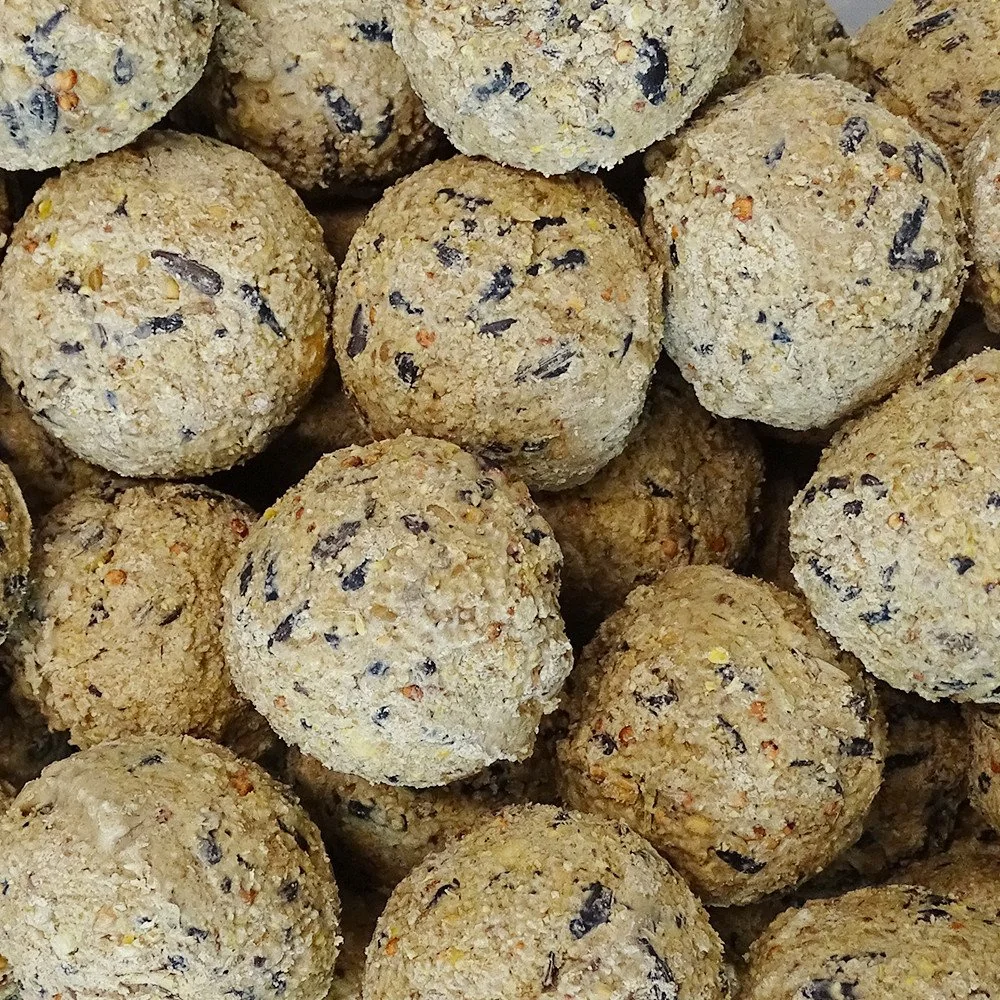

If you have already bought with nets, carefully remove the net before putting it out and place the suet ball in a suitable holder. This minimises the risk to birds.
Expert tip
Combine different types of food to attract a greater variety of birds to your garden. In addition to suet balls, offer loose birdseed in a bird feeder and shelled sunflower seeds in a seed silo. A shallow bowl of water provides birds with a place to drink and bathe.
How should you store a bulk pack of bird food?
To preserve the quality of your bulk pack of suet balls and bird food for months, proper storage is essential. Food stored incorrectly can become mouldy, rancid or infested with pests. A few simple precautions will protect your supply.
Cool, dry and dark
The ideal storage location is cool, dry and protected from direct sunlight. A cellar, unheated garage or garden shed is perfect. Heat accelerates the deterioration of fat, while moisture causes mould to develop. Do not store the box directly on a cold concrete floor; place it on a wooden board or small shelf instead to prevent condensation.

Protection from unwanted visitors
An open box of bird food is an invitation to mice, rats and pantry moths. After opening, it is best to transfer the suet balls to tightly sealed containers. Lidded buckets, large plastic storage boxes or metal bins are ideal. This keeps the food fresh and out of reach of pests.
Additional advice
If you have very large supplies that you plan to store over the summer, you can freeze some of the suet balls. Packed in freezer bags, they will keep for several months without becoming rancid. Simply defrost the amount you need when required.
A bird-friendly garden is about more than just a feeding station. Native shrubs provide shelter and nesting sites, a water source is vital, and avoiding pesticides helps preserve birds' natural insect food.
Conclusion: buy wisely, feed properly
Buying suet balls in bulk packs is a smart choice. It significantly reduces the price per piece and ensures that your feathered visitors are always well fed. When buying, look for high-quality ingredients and consistently choose products without nets to protect the birds. With proper pest-proof storage, your supply of wild bird food will stay fresh and nutritious for a long time.
Browse the range at Westfalia and discover high-quality food options that will transform your garden into a paradise for birds.
Frequently Asked Questions
- Are suet balls better with or without a net?
- Suet balls without a net are significantly better. Birds can get their legs or beaks caught in the nets and suffer serious injuries. You also avoid unnecessary plastic waste in your garden. Instead, use special suet ball feeders or spirals.
- How much does each suet ball cost in a 100-pack?
- The price per ball is significantly lower when buying in bulk. A 100-pack often costs between 20 and 30 cents per ball, depending on the quality of the ingredients. This is a considerable saving compared with buying smaller packs.
- How can I tell whether suet balls are good quality?
- Good suet balls are made with high-quality fat such as beef suet and contain plenty of nutritious seeds, nuts and cereal flakes. They are firm and have a pleasant, nutty smell rather than a rancid odour. Inferior products are often very soft, crumbly and contain fillers.
- Can I feed birds suet balls all year round?
- Yes, feeding birds all year round is possible and provides valuable support, especially during the demanding breeding and fledgling season. In summer, however, make sure the feeding area is kept thoroughly clean so that pathogens cannot spread in warm weather.
- What is the best way to store a bulk pack of suet balls?
- Store suet balls in a cool, dry and dark place, ideally in a sealed box or bucket. This protects the food from moisture, mould and pests such as mice or moths, and prevents the fat from becoming rancid.
You may also be interested in
- Premium suet balls: The best choice for healthy wild birds?
- Suet balls: With or without a net? The safe choice for your garden birds
- Attracting birds: How to turn your suet ball feeding station into a hotspot
- How to store bird food properly: Freshness and safety for birds
- Feeding birds in the garden: How to do it right all year round
- Birds in the garden: 5 tips with the 4-in-1 solar bird bath