
In brief: Farm equipment includes electrical components, safety equipment and attachments that make modern farming more efficient. A good system is durable, compatible with your machines and easy to maintain. Key categories include lighting, hydraulics, electrical systems and safety chains. Our 2026 comparison explains what to look for when choosing equipment for reliable, long-term use.
Choosing the right farm equipment affects the efficiency, safety and service life of your machines. Our 2026 review and comparison helps you find the best components for your operation. We evaluate electrical systems, safety equipment and attachments for practical use.
Table of contents
What is farm equipment?
Farm equipment includes all the technical components and systems used in modern agriculture. These components expand the capabilities of tractors, combine harvesters and other machines.
There are many types of farm equipment, including safety equipment, electrical controls and hydraulic components. The right equipment can help you work more efficiently and safely.
We offer products for a range of applications, including chains for securing loads, relays for electrical systems and transformers for converting voltage.
Comparison criteria
We use clear criteria to make our comparison useful. They can help you find the right equipment for your needs.
Durability and materials: Farm equipment must withstand weather, dust and heavy vibration. We check the quality of the materials and construction.
Compatibility and installation: Components must fit your existing machines. Simple, tool-free installation is a major advantage for everyday use.
Safety and standards: Meeting applicable standards is especially important for safety components such as chains. We look for relevant certifications.
Service life and maintenance: Quality equipment should last. We assess how easy it is to maintain or replace parts when needed.
Tip: Check compatibility with your machine models before buying. Product descriptions often list compatible tractors or attachments.
Safety chains reviewed
Safety chains are essential for securing attachments such as plows or trailers. They help prevent equipment from slipping or coming loose.
Key features include chain thickness, length and fastening type. An 8-mm chain offers sufficient strength for many standard applications.
Chain length varies. For smaller equipment, 2 meters is often enough, while larger trailers or more complex setups may require 4 meters or more. Measure carefully to find the right length.
A clevis hook with a shortening feature, such as the , is convenient and lets you adjust the chain quickly without tools. This saves time when you change attachments frequently.

Benefits of a chain with a shortening feature
- Adjust the length quickly without extra clamps
- Improved safety with a secure fit
- Fewer loose parts to lose
Warning: Never use safety chains beyond their specified maximum tensile load. Check regularly for elongation, cracks or damaged hooks. Replace a defective chain immediately.
Electrical systems and relays
The electrical system is the nerve center of modern farm equipment. Relays switch loads such as high-powered lights, heaters or hydraulic pumps.
A 12-V relay rated for 30 Amp, such as the , is a standard component. The number of pins determines the switching function. A 4-pin relay is suitable for simple switching tasks.
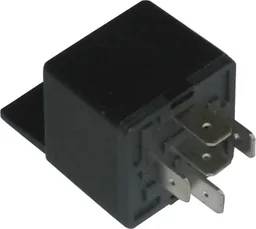
When installing a relay, make sure it is wired correctly and mounted in a protected location. Keep it out of direct contact with splashing water.
A high-quality relay has sturdy connections and durable contact materials. This helps ensure reliable operation for years.
When should you choose a 5-pin relay?
- You need five pins for changeover circuits.
- It works for more complex circuits with a changeover function.
- Check your wiring diagram before choosing a relay.
Transformers and voltage
Not all devices on the farm run on 12 Volt. Some tools and measuring devices require 24 Volt.
A transformer such as the safely converts the vehicle's electrical system voltage. Its 100 Watt output is enough for many small to medium-sized devices.
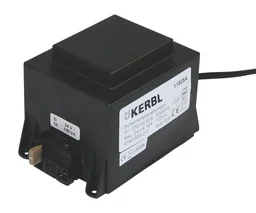
Consider the transformer's efficiency. A high efficiency rating reduces energy lost as heat, helping protect your tractor's battery.
The transformer should be suitable for continuous operation and have overload protection. Install it in a well-ventilated location.
Note: A transformer changes the voltage, not the available current. Calculate the power requirement (Watt) of your accessory to make sure the transformer is properly sized.
Farm Machinery Buying Guide
Making the right buying decision saves time and money in the long run. Take a systematic approach.
First, decide how you’ll use the equipment. Do you need it for safety, electrical systems or drive components? This will help narrow down your options.
Check that the parts are compatible with your machinery. Not every part fits every tractor, so manufacturer specifications and compatibility lists are invaluable.
Choose quality products from established brands. Cheap products can fail in an emergency and lead to costly repairs. Investing in quality farm machinery parts pays off with a longer service life.
Here’s a side-by-side comparison of the highest-rated farm machinery parts in our range:
| Model | Customer rating | Availability |
|---|---|---|
| Single-leg chain GK8, with clevis hook 8 mm, 2 m long | – | Currently unavailable |
| Single-leg chain GK8, with clevis hook 8 mm, 4 m long | – | Currently unavailable |
| Single-leg chain GK8, with clevis hook and shortening hook 8 mm, 2 m long | – | Currently unavailable |
| Single-leg chain GK8, with clevis hook and shortening hook 8 mm, 4 m long | – | Currently unavailable |
| Transformer 100 W, 24 V | – | Currently unavailable |
Pre-purchase checklist
- Clearly define the intended use and required specifications
- Check compatibility with your existing machinery
- Assess material durability and weather resistance
- Confirm that spare parts and consumables are available
Maintenance and Care
Regular maintenance can significantly extend the service life of your farm machinery parts. A simple care plan helps prevent breakdowns.
Regularly remove dust and moisture from electrical components such as relays and connectors. Use contact cleaner for this purpose.
For safety chains, check that the links move freely and touch up any small areas of rust promptly. Replace heavily worn chains.
Store spare parts and components you rarely use in a dry, sheltered place. This helps prevent corrosion before they’re used.
Choosing and maintaining your farm machinery parts carefully can help keep your operation safe and efficient for years to come. Our 2026 comparison gives you a starting point for making an informed decision.
Frequently Asked Questions
- What does farm machinery equipment include?
- Farm machinery equipment includes all the electrical, hydraulic and mechanical components fitted to tractors and other agricultural machinery, either during manufacture or as upgrades. These include lighting systems, safety equipment such as chains, electrical relays, hydraulic cylinders and control units. They help improve the safety, efficiency and versatility of your machinery.
- How do I choose the right safety chain?
- Consider the chain thickness (e.g. 8 mm), the length required for your machine and the type of hook connection. A clevis hook provides a secure connection. Check the maximum tensile load and the material, too. The chain must be suitable for its intended use, whether you’re securing attachments or using it as a support device.
- What should I look for in 12V relays?
- Key factors include the number of poles (4-pole or 5-pole) needed for the switching function, the maximum current (e.g. 30 Ampere) and the coil voltage (12V). Check that the relay is compatible with your vehicle and that its connections are good quality. A robust housing protects it from dust and moisture, which is essential in agriculture.
- Do I need a transformer for auxiliary equipment?
- You’ll need a transformer if you want to connect equipment with a different nominal voltage (e.g. 24V) to a 12V electrical system. Check the power rating (e.g. 100 Watt) to make sure it’s sufficient for the auxiliary equipment. Use a transformer only when the equipment specifications call for one to prevent damage.
- How do I maintain farm machinery parts?
- Clean components regularly to remove dirt and moisture. Check electrical contacts for corrosion and safety chains for wear or stretching. Store spare parts in a dry, sheltered place. Follow the manufacturer's maintenance intervals to help your equipment last longer and operate safely.