
In brief: Make the most of a 50 sqm garden by creating defined zones for seating and planting. Vertical features such as trellises and raised beds help save space, while light colors and diagonal lines can make the garden feel larger. Choose compact plants and multifunctional furniture to keep the space practical and uncluttered.
Table of contents
A small garden can still become a green oasis. With thoughtful planning, even 50 square meters can feel like a little paradise. The key is to use the space wisely, create visual depth and make every inch count. Think of a small garden as an opportunity to create a cozy, well-organized retreat that’s easy to care for. Find ideas and tips for your Garden + Outdoor project here.
How do I start planning a small garden?
Good planning is half the work. Before you pick up a shovel, take time to assess your garden. Watch how the sun moves across the space. Which areas get morning, midday and evening sun? Where does shade tend to fall? This will help you decide where to put your seating area and which plants to choose.
Define zones and list your priorities
Think about how you want to use your garden. Would you like a cozy patio for breakfast outdoors? A small space for herbs and vegetables? A sandbox for the kids, or simply a patch of green lawn where you can relax? Write down your ideas and rank them by importance. You may not be able to fit everything into 50 sqm, but you can often do more than you think.
Sketch a rough plan of your garden. Mark fixed features such as doors, windows and an existing shed, then draw in the zones you want. Allow space for a seating area (approx. 9-12 sqm), planting beds along the edges and perhaps a small water feature. A simple layout will help you picture the proportions and see how much room you have.
A garden without phlox is a mistake.
Which design features make a small garden look bigger?
Designing a small garden is all about creating the right visual effect. A few thoughtful choices can make the space look wider and deeper. It’s easier than you might think to guide the eye.
Light colors and coordinated materials
Light colors reflect sunlight and make spaces feel open and welcoming. Paint a dark wall or old wooden fence light gray, creamy white or a soft pastel shade. A bright backdrop makes green foliage stand out and helps open up the space. Keep your paving and other materials to a small, coordinated palette. Using the same surface for the patio and paths creates a calm look and ties the areas together.
Pro tip
Stick to a simple color scheme. Choose one main color and two or three accent colors for flowers and accessories. Repeating them around the garden creates a cohesive, calming look that can make the space feel larger.
Diagonal lines and curved shapes
Lay decking boards or paving stones at an angle to the house. Diagonal lines draw the eye across the garden and can make it look larger. A gently curving path that disappears behind a shrub adds a sense of mystery and suggests there’s more to explore. Avoid layouts made up entirely of right angles, which reveal the whole garden at once.
How can I make the most of vertical space in a 50 sqm garden?
When ground space is limited, grow upward. Vertical space is one of the garden’s biggest opportunities. Walls, fences and boundaries don’t have to be bare; they can become a backdrop for your gardening ideas.
Climbing plants and trellises
Cover fences and walls with climbing plants. Ivy is a hardy classic, but there are plenty of other options. Clematis produces abundant blooms, climbing roses add a romantic touch, and Virginia creeper puts on a spectacular show of fall color. Trellises or wires fixed to a wall support climbing plants and make use of vertical space. These green walls can provide privacy and make the garden feel more secluded.
Raised beds and plant shelves
Raised beds are a great choice for small gardens. They’re easier on your back and add structure and another level to the garden. Grow vegetables, herbs or flowering perennials in them. Tiered planters and shelves let you fit pots of herbs, strawberries or summer flowers into a small footprint. They’re easy to move around to follow the sunlight.
Extra tip
Plants in containers, raised beds and vertical planters dry out faster than those growing in garden beds. Check the soil regularly on warm days and water thoroughly when needed. Consistent watering helps plants thrive, even in a small space.
Which plants are best for small gardens?
Choosing the right plants is essential. Large trees and sprawling shrubs are off-limits. Instead, choose plants that naturally stay compact or respond well to pruning. Look for a long flowering season or attractive foliage to keep your garden looking interesting all year round. A wide range of Garden + Plant Accessories can help you care for them.
Columnar trees and dwarf varieties
Instead of a standard apple tree, choose a columnar apple tree. These slender trees take up very little space while still producing delicious fruit. Other trees and shrubs are also available in narrow columnar or compact dwarf varieties, such as columnar hornbeam, dwarf lilac and globe maple. These trees add height without casting too much shade or overwhelming the garden.
Perennials and grasses that do it all
Choose long-lived perennials that flower for many weeks. Hardy geraniums, catmint, coneflowers and gaura are easy to care for and bloom reliably. Combine them with delicate ornamental grasses such as fountain grass or feather grass. Grasses bring lightness, movement and structure to flower beds and still look attractive in winter.
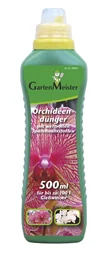
Container plants also offer enormous flexibility. You can grow exotic plants that need special care in pots. For demanding plants such as orchids, use a specialist substrate (e.g.
and a matching fertilizer (e.g. ) to create ideal growing conditions. This is a great way to add carefully chosen accents.
Important note
Before you buy, check each plant's mature height and width. A small, cute plant in a pot can become a space-hogging problem within just a few years. Careful selection will save you a lot of work and disappointment later on.
How can I create structure and order in a small space?
A small garden can quickly look busy and cluttered without clear organization. Defined areas, clean edges and multifunctional features are key to a harmonious overall design.
Clean edges and defined paths
A clear separation between lawn, flower beds and paths is essential. Lawn edging keeps grass from spreading into the beds and creates a neat appearance. A flexible border like this
brown lawn edging is easy to install and works well around curves. It makes it easy to define the shape of your planting areas and gives your garden a clean, polished look.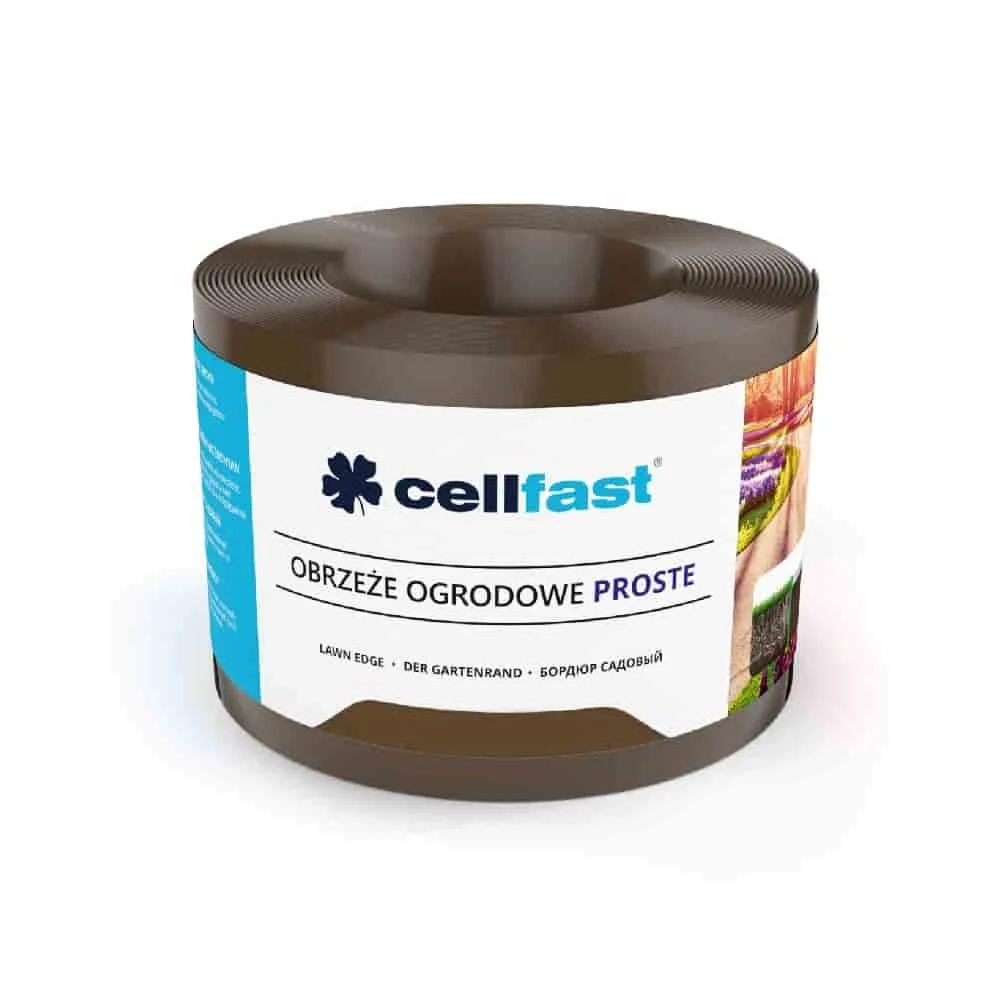
Multifunctional furniture and storage
Choose your garden equipment carefully. A bench can double as a storage chest for cushions and small garden tools. A folding table and stackable chairs free up space when you don't need them. Use alcoves for tall, narrow garden storage cabinets to keep tools and accessories out of sight. The tidier the space looks, the larger and more peaceful it will feel. Wall-mounted holders for garden hoses and small tools keep the ground clear.
The golden rule for a small garden is to keep the design simple. Don't try to fit too many ideas into it.
With these ideas, you can transform your 50 square meters into a relaxing oasis tailored to your needs. A small garden isn't a compromise; it's an invitation to get creative and thoughtful with your design. Start planning, use visual tricks, and choose plants and furniture that suit the scale of your space. That's how you create your own green room outdoors.
Frequently Asked Questions
- How do I design a 50 sqm garden?
- Start by assessing the sunlight, shade and soil conditions. Sketch out a plan and divide the garden into functional areas, such as a seating area, planting beds and pathways. Use vertical elements and choose compact plants suited to your conditions. Create planting beds and add pathways to give the garden clear structure.
- How much does it cost to design a 50 sqm garden?
- Costs vary widely depending on the materials, plants and how much work you do yourself. A simple design with a lawn, a few perennials and inexpensive furniture can cost a few hundred euros. Professional designs with high-quality patio paving, walls or irrigation systems can quickly run into several thousand euros. Set your budget in advance.
- Which trees are suitable for a small 50 sqm garden?
- Slow-growing varieties are ideal. Globe trees such as globe maple or globe locust, and columnar trees such as columnar hornbeam or ornamental apple, stay compact. Dwarf fruit trees and standard-trained berry bushes are also excellent choices: their crowns grow above the ground, leaving the space below free.
- How can I make my small garden look bigger?
- Use light colors for fences, walls and garden furniture. Curved or diagonal paths can make a space look longer. A strategically placed mirror can create the illusion of depth. Avoid using too many different materials and colors. A clean, simple design creates a calm, spacious feel.
- Can I grow vegetables in a small garden?
- Yes, absolutely. Raised beds are ideal for growing vegetables in a small space, as they're easy on your back and can produce high yields. Vertical gardens work well for herbs and salad greens. Many vegetables, such as radishes, cut-and-come-again lettuce and bush tomato varieties, also thrive in large pots and planters.
You may also be interested in
- Townhouse garden design: ideas for small gardens
- Designing a small romantic garden: ideas & tips
- Make a big impact in small gardens: creative design ideas
- Designing a narrow garden strip: ideas for small spaces
- Maximum harvest in a small space: tips for small beds
- Creating a new garden: planning, design and first steps