
In brief: For efficient cutting, keep your chainsaw chain sharp and correctly tensioned. Use high-quality chain oil for consistent lubrication and follow the right cutting technique. Regular cleaning and adjusting the depth gauges can also improve performance and safety.
A powerful chainsaw only cuts as well as its chain. The chain is the heart of your saw: it determines cutting speed, cut quality and your safety. A neglected chainsaw chain slows you down, takes more effort to use and causes unnecessary wear to the machine. With the right care and technique, you can turn your chainsaw into a precision tool.
These seven practical tips will help you get the most from your chainsaw chain. You’ll cut faster and more safely, with less effort. A high-quality chain is the foundation of every clean cut.
Invest in quality that pays off. The titanium-coated chainsaw chain, 40 cm () offers excellent edge retention. The titanium alloy on the cutters lasts significantly longer and keeps the chain sharp longer than conventional models. That means fewer sharpening breaks and consistently high cutting performance, even in hardwood.

Table of contents
- Tip 1: Why proper chain tension matters
- Tip 2: Sharpness is everything – How can I tell if my chain is dull?
- Tip 3: How do I lubricate my chainsaw chain properly?
- Tip 4: The right cutting technique for performance and safety
- Tip 5: Depth gauges – The often-overlooked factor in cutting performance
- Tip 6: How do I clean my chainsaw chain and guide bar?
- Tip 7: How to store and prepare wood properly
Tip 1: Why proper chain tension matters
Getting the chain tension right is a balancing act. If the chain is too loose, it can come off the guide bar. This is a serious safety risk and can damage both the bar and chain. If it’s too tight, it creates excessive friction, causing severe wear to the bar, sprocket and crankshaft bearing. Either way, cutting performance drops significantly.
Check the tension before every use, while the chain is cold. The chain should sit against the underside of the bar. Grip it halfway along the bar and pull it down. You should be able to lift it just far enough to see around three to four drive links emerge from the groove. If you can lift it farther, it’s too loose. When you release it, it should snap back into position by itself.
The chain heats up and stretches during use. Check the tension during longer cutting jobs, too, and adjust it as needed. Let the chain cool before storing it, then loosen it slightly to prevent damage as it contracts.
A correctly tensioned chain runs smoothly, transfers the engine’s power to the wood efficiently and reduces the risk of derailment. Taking 5 minutes to check it before you start is one of the best ways to protect yourself and extend the life of your equipment.
Tip 2: Sharpness is everything – How can I tell if my chain is dull?
Nothing slows you down more than a dull chain. You can tell it’s dull by the way it cuts, not by how it looks. Instead of producing large, coarse wood chips, the saw makes fine sawdust or dust. The saw no longer pulls itself into the wood, so you have to push down hard. If it pulls to one side while cutting, the cutters on one side are duller than those on the other.
Important note
Never work with a dull chain. Having to apply more pressure increases physical strain and the risk of dangerous kickback. Plan regular breaks to sharpen the chain.
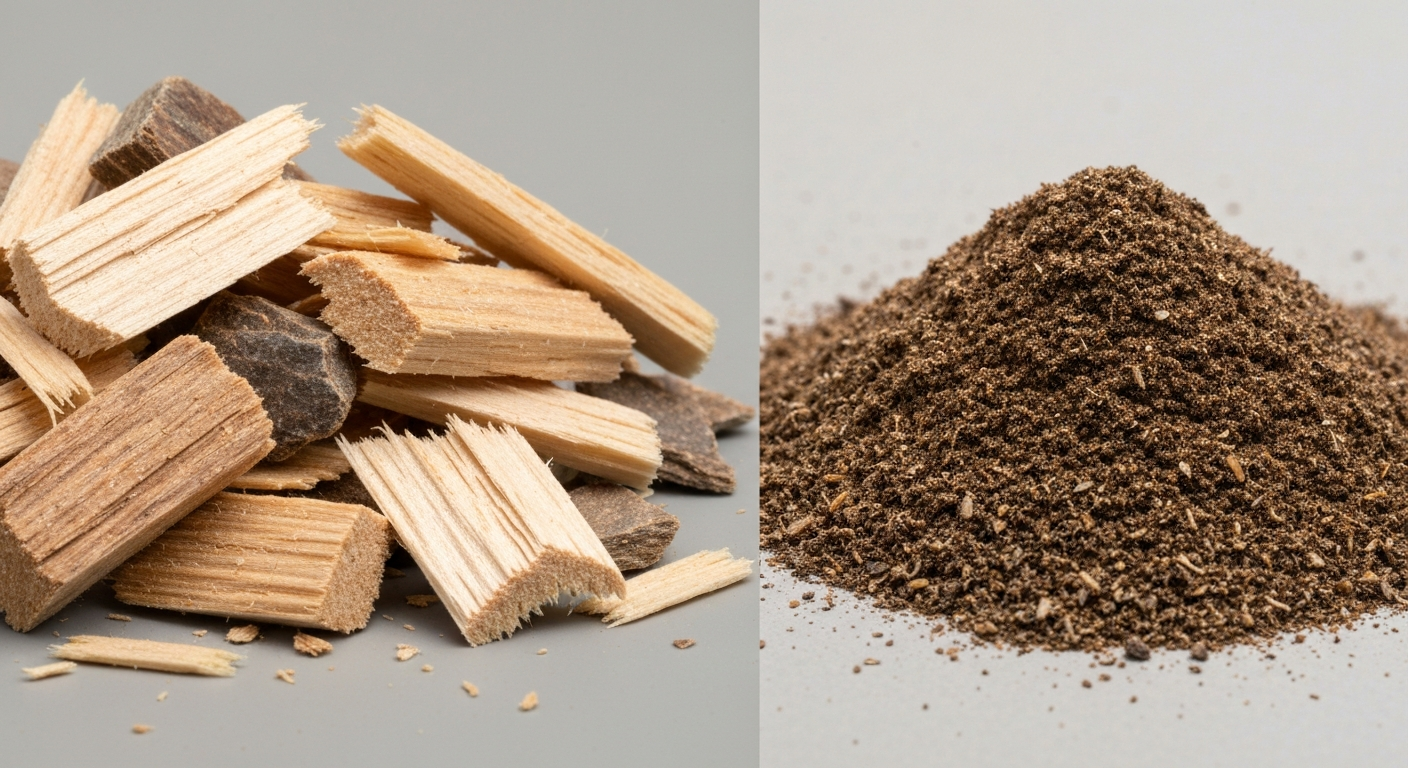
You have two options for sharpening your chain. The manual method takes practice but lets you sharpen it wherever you are. With a chainsaw file kit () containing a round file, flat file and filing guide, you can restore the correct sharpening angle and depth-gauge height. Follow the manufacturer’s specified angles exactly.
An electric sharpener delivers precise, repeatable results. The AVANTI electric chainsaw sharpener KS 250 () keeps the angle consistent and sharpens every cutter to the same angle and length. The result is a perfectly straight cut and maximum cutting performance.
Tip 3: How do I lubricate my chainsaw chain properly?
Lubrication is essential. The chain moves at extremely high speed along the guide bar. Chain oil reduces friction, dissipates heat and protects the chain and bar from premature wear. A dry chain can become unusable within minutes.
Use only high-quality chainsaw chain oil. Engine oil and other lubricants aren’t suitable because they don’t have the necessary tackiness and are flung off the chain at high speeds. Top up the oil tank every time you refuel. As a rule of thumb, one tank of petrol uses around half to one full tank of oil.
Pro tip
Check the oil supply regularly. Hold the bar tip over a light-coloured surface, such as a tree stump or piece of cardboard, and briefly rev the engine. A fine strip of oil should appear on the surface. If it doesn’t, clean the saw’s oil outlet port and the guide bar groove.
For work in environmentally sensitive areas or in your own garden, biodegradable oil is a good choice. The bio chainsaw chain oil () is made from vegetable oils and breaks down quickly in nature without contaminating groundwater. It also offers excellent lubrication and reliably protects your equipment.
Tip 4: Use the right cutting technique for performance and safety
The best chain is of little use without the right technique. Let the saw do the work. A sharp chain needs very little pressure. Use your saw’s bumper spikes: set them against the wood and use them as a pivot point. Guide the saw through the log with the chain running at full throttle.
Never cut with the tip of the guide bar, especially its upper quarter. This area is known as the kickback zone. If the chain meets resistance here, the saw can kick up and back towards you without warning. Always cut with the pulling part of the chain, which runs along the underside of the bar. This pulls the saw away from your body and helps you keep a stable stance.
Good technique means applying force in the right place. It protects the material and, above all, the person doing the work. Stay focused, keep a secure stance and let the chain do the work instead of relying on your muscles.
Tip 5: Depth gauges – the often-overlooked performance factor
Each cutter on your chain has a depth gauge in front of it. This small metal part looks like a shark fin and determines how deeply the cutter can bite into the wood with each rotation. In other words, it controls the thickness of each chip. After the cutters have been sharpened several times, the distance between the cutter tip and the depth gauge decreases. As a result, the chain removes progressively smaller chips and cutting performance drops, even though the cutters are sharp.
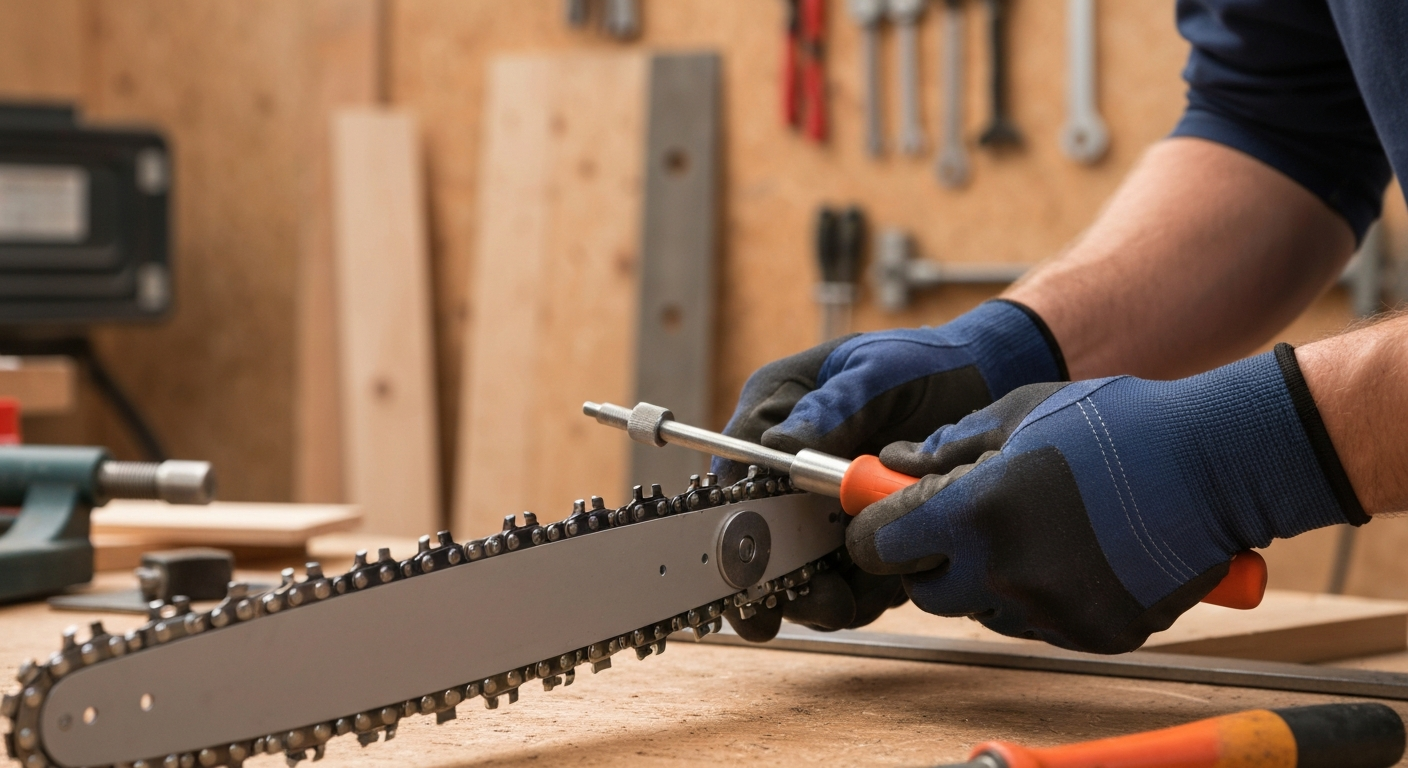
You should therefore adjust the depth gauges every three to five sharpening sessions. To do this, use a special depth-gauge guide and a flat file. Place the guide on the chain to protect the cutters. File down anything that extends above the guide until it’s flush with the guide. Keep the depth gauge’s original rounded shape to prevent the saw from cutting too aggressively or jerking.
Tip 6: How do I clean my chainsaw chain and guide bar?
Sawdust, oil and tree resin form a stubborn mixture that sticks everywhere. These deposits reduce performance and increase wear. Remove the chain and guide bar after every use. Clean the guide bar groove thoroughly with a bar-groove cleaner or a small screwdriver. Make sure the oil holes are clear so chain oil can flow freely.
You can soak the chain in resin remover or cleaning solvent, then scrub it with a brush. A clean chain moves more easily through the guide bar groove and carries oil more effectively to the areas that need it. You should also turn the guide bar regularly to prevent uneven wear on the running surfaces.
Additional advice
When cleaning, also check the condition of the guide bar. Remove small burrs along the edges of the running surfaces with a flat file. This helps guide the chain precisely and extends the service life of both the guide bar and chain.
Tip 7: Store and prepare wood properly
Even the best chain will become dull immediately if it hits foreign objects such as sand, stones or soil. Never cut wood that is dirty or lying close to the ground. Before cutting a log to length, brush coarse dirt and pieces of bark away from the cutting area. Check the wood for embedded nails or metal fragments, especially if it comes from a built-up area.
Preparing your work area properly saves you a lot of trouble and frequent sharpening. Once you’ve cut the wood, proper storage is crucial for the quality of your firewood. Transport the logs easily and cleanly in a sturdy firewood bulk bag. Store the split wood in an airy, sunny place and protect it from rain with a suitable firewood cover.
Working with natural wood can also inspire creative projects. You can share the appeal of this material with others by making simple wooden toys together, for example. This helps children develop an understanding of the material from an early age.
Conclusion: Care pays off
A chainsaw chain is a high-performance tool that requires attention and care. By following these seven tips – from maintaining the correct tension and sharpening consistently to proper lubrication and clean work habits – you’ll improve your efficiency and safety. A well-maintained chain cuts faster, saves you energy and extends the service life of your entire chainsaw.
Frequently asked questions
- How often should I sharpen my chainsaw chain?
- Sharpen your chain as soon as it produces fine sawdust instead of coarse chips or the saw pulls to one side. With heavy use, you may need to sharpen it several times a day. A sharp chain is safer and more efficient.
- What is the correct chainsaw chain tension?
- The chain should sit against the underside of the guide bar but still be easy to pull by hand. When cold, it should lift only slightly from the middle of the bar when pulled and snap back into place when released.
- Can I use regular motor oil on my chainsaw chain?
- No, use only special chainsaw bar and chain oil. It’s more adhesive and designed to stay on the chain at high speeds while providing optimum lubrication. Motor oil would simply be flung off.
- What happens if I cut with a dull chain?
- A dull chain increases wear on the motor and guide bar, raises the risk of kickback and requires considerable force. It also produces fine dust instead of clean chips, greatly reducing cutting efficiency.
- Why is it important to clean the guide bar?
- Resin and dirt in the guide bar groove obstruct chain movement and block the oil holes. Regular cleaning ensures consistent lubrication, reduces wear and maintains cutting performance.
You may also be interested in
- Dull chainsaw chain? 5 tips for cleaner cuts and more power
- Cutting firewood: how to find the right chainsaw chain
- How to replace a chainsaw chain and get the tension right
- Chainsaw cutting: 5 common mistakes and how to avoid them
- Chainsaw safety: essential tips for beginners
- Seasonal wood cutting: when should you replace your chainsaw chain?