
In brief: Acrylic is a lightweight, impact-resistant plastic that is easy to work with. You can cut, drill and bend it using standard tools. Its transparency, weather resistance and safety make it ideal for shelves, room dividers, picture frames and greenhouse windows. It’s a practical alternative to glass.
Acrylic Sheets at Home: DIY Projects and Ideas
Acrylic, often called Plexiglass, is more than just a substitute for glass. This versatile plastic opens up a world of possibilities for DIY enthusiasts. You can make sturdy shelves, bright decorations and practical garden accessories with tools from your workshop.
We’ll walk you through specific projects and share expert tips and know-how.
What is acrylic, and why is it suitable for DIY?
Acrylic is made from polymethyl methacrylate (PMMA). It is a thermoplastic, which means you can shape it by heating it. It has several clear advantages for DIY projects.
Acrylic weighs only half as much as glass. It does not break into sharp-edged shards, but it can crack or splinter. You can saw, sand, drill and bend it. Its light transmission is 92 percent, higher than that of standard window glass.
Indoors, you can use it to make modern furniture or room dividers. In the garden, acrylic sheets can replace fragile greenhouse panes. They are also ideal for creative craft projects with children.
“Acrylic is an ideal material for ambitious DIY projects. It’s easy to work with using simple tools, and the finished results look great. It calls for care, but there’s no need to be intimidated.”
How do you work with acrylic properly?
Cutting and sawing acrylic sheets
Use a jigsaw or circular saw. Choosing the right blade is important. A fine-tooth blade for metal or plastic produces clean cuts. Mark the cut line beforehand with a waterproof pen.
Secure the sheet firmly to your workbench. A polystyrene underlay protects the back from scratches. Cut with steady, moderate pressure. Too much pressure generates heat and can melt the material.
Pro tip
Apply masking tape to both sides along the cut line. This prevents the saw foot from scratching the surface and reduces chipping along the edges. Simply remove the tape after cutting.
Drilling, sanding and finishing the edges
Drill acrylic with twist bits for metal or wood. Set your drill to a lower speed. Do not use the hammer function. Drilling relief holes at the corners helps prevent cracks in rectangular cutouts.
For smooth edges, start with coarse sandpaper (grit 120), then work your way up to a fine grit (400). For a high-gloss finish, use polishing compound and a felt polishing wheel attachment.
For straight cuts in thin sheets, you can also use a sharp utility knife and a steel ruler. Score the line deeply several times, then snap the material cleanly.
What DIY projects can you make with acrylic?
Modern furniture and shelves
Build a bookshelf with invisible acrylic corners. The transparent side panels make the shelf look like it’s floating. Use thick sheets (8-10 mm) for stability. Join the pieces with plastic connectors or concealed screws.
An acrylic side table adds a light, airy feel to a room. Pair a round top with a simple wooden or metal base. You can easily clean the top with a damp cloth.
Make a tool organizer for your hobby room. Drill holes in a sheet for screwdrivers and pens, then mount it on the wall.
Important note
Leave the protective film on acrylic sheets until you have finished all the work. It protects the surface from scratches while you work. Wear a dust mask and safety goggles when sanding and sawing.
Decorations and practical helpers for your home and garden
Create custom picture frames. Cut openings into a sheet and glue a thinner acrylic backing to it. This protects posters and children's drawings from dust.
In the garden, build a small greenhouse from old window frames with new acrylic panes. The material filters UV light and is a safe choice for families with children. To make a bird feeder, cut side panels and a roof to size. The clear panels make it easy to see inside.
A homemade cover for your kitchen countertop protects the wall from splashes. Attach a curved sheet with simple brackets.
“The material thickness and bend radius determine whether you get a good result. For a 90-degree bend in 4 mm material, you need a heat gun and a bending jig. Practice on a scrap piece first.”
How do you care for and clean acrylic over time?
Avoid abrasive cleaners, scouring pads and microfiber cloths with rough edges. They can scratch the surface. Use soft cotton cloths or a soft sponge.
Mix a few drops of dish soap with warm water to make a gentle cleaning solution. After wiping, dry the surface right away with a second soft cloth to prevent streaks.
For professional care and to remove light cloudiness, use a specialist acrylic cleaner such as the
. It gently removes grease and dust residue and leaves a protective layer.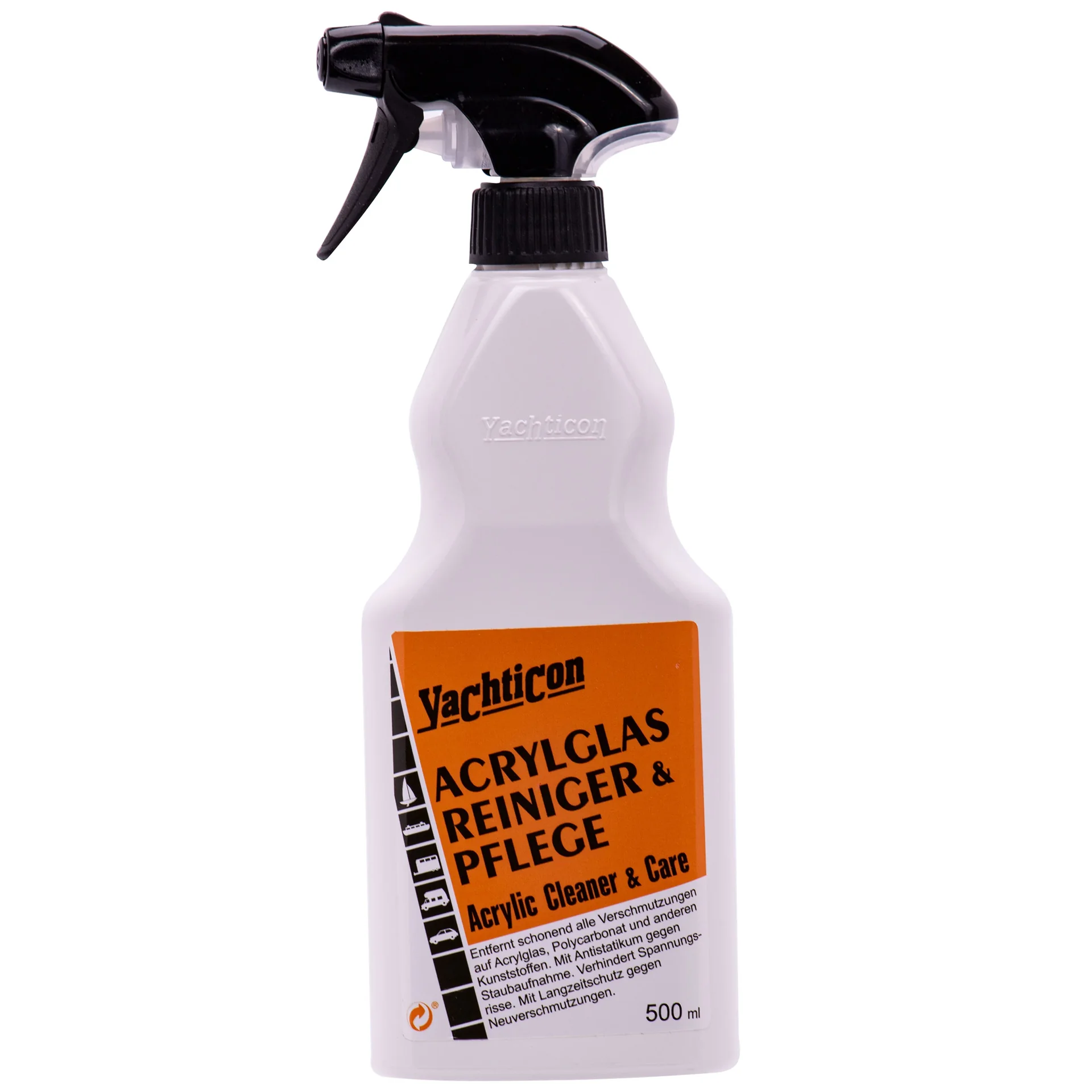
Additional advice
Always store acrylic sheets flat and horizontal on a clean, level surface. Do not stand them upright or lean them against a wall. This can cause them to deform through a process called creep, especially in warm surroundings.
What accessories and tools do you need?
Alongside basic tools such as a saw and drill, some specialist tools can come in handy. A
, a pair of so-called wonder scissors, cuts thin plastic sheets, films and even foam rubber with precision. It is a versatile tool for all kinds of craft projects around the home.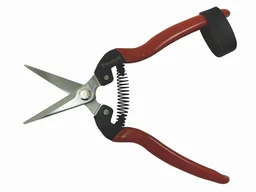
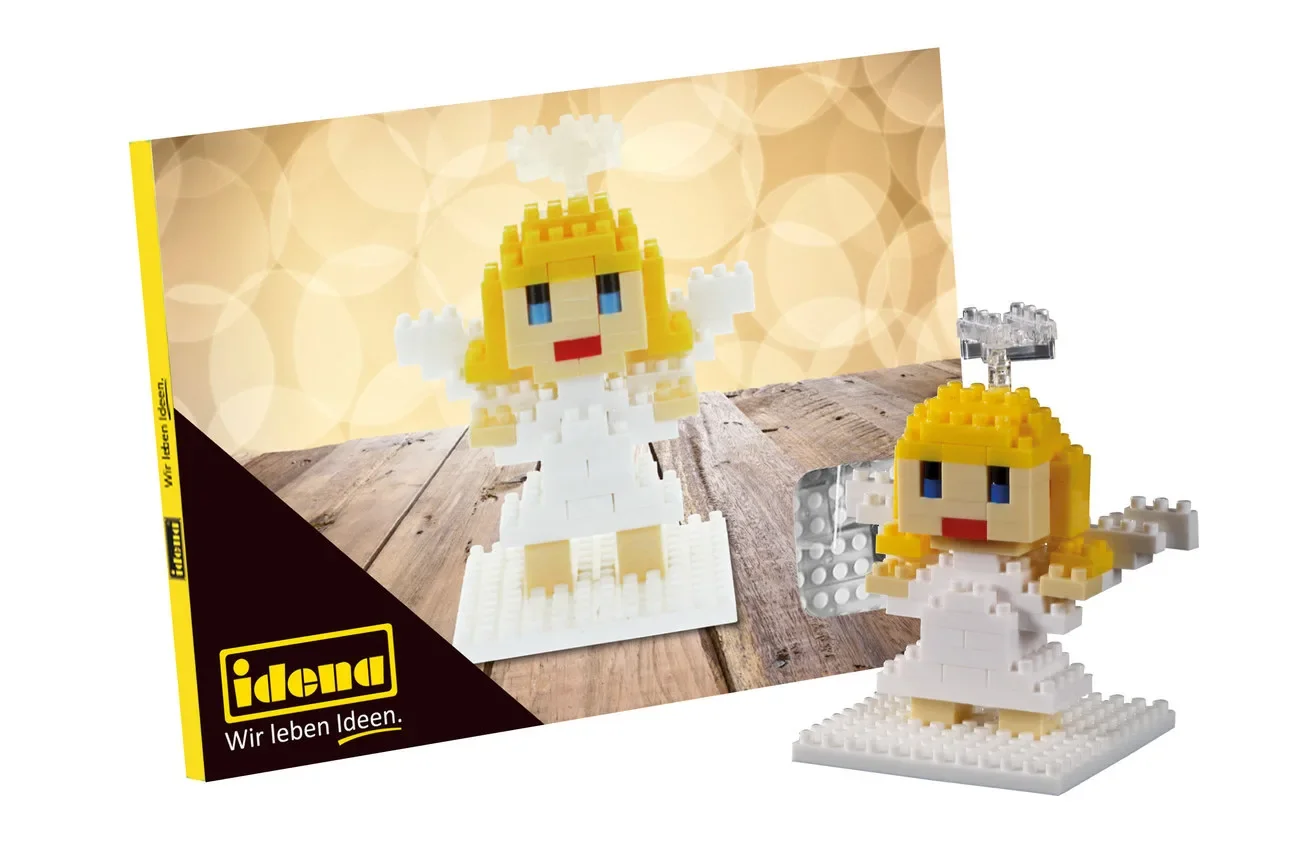
For delicate projects, such as building miniature houses or models, creative sets like the
For assembly, you need suitable fasteners. Pre-drilled stainless steel corner brackets or plastic connectors for pipes and profiles are sturdy options. When drilling, leave a little extra room around the screws. The material expands and contracts as the temperature changes.
Where can you buy acrylic sheets, and what should you look for?
You can buy acrylic sheets from specialty retailers, home improvement stores or online. Check the product description carefully. Plexiglas is a brand of acrylic glass made by Röhm, but many other manufacturers offer equivalent products.
Choose between cast and extruded acrylic. Cast acrylic has a harder surface and is better suited to deep drawing. Extruded acrylic costs less and works well for most DIY projects.
Choose the right thickness. 2-3 mm is enough for picture frames. For load-bearing shelves, choose 8-10 mm. For garden projects with frame constructions, 4-6 mm offers a good balance of strength and weight.
Always buy sheets with protective film. If optical clarity is important, check for trapped air bubbles or streaks. For outdoor use, specifically look for UV-resistant material that will not yellow.
Acrylic sheets can turn your ideas into sturdy, light-filled creations. This versatile material gives you plenty of freedom: cut it to size, shape it with heat and install it using standard fasteners. Start with a small project, such as a picture frame, and you will soon see how easy it is to work with.
Frequently asked questions
- Can I cut acrylic sheets with a regular saw?
- Yes. You can cut acrylic sheets with a jigsaw, circular saw or handsaw. Choose a fine-toothed blade designed for metal or plastic. Cut slowly and secure the sheet firmly to prevent vibration and breakage. Then smooth the edges with sandpaper.
- Is Plexiglas more scratch-resistant than glass?
- No. Acrylic is more prone to scratches than mineral glass. Clean it only with soft cloths and specialist cleaners such as PRODUCT_58369. Avoid abrasive products. Coated, more scratch-resistant versions are available for surfaces that see heavy use.
- How do I bend acrylic sheets cleanly?
- Heat the bending area evenly with a heat gun to about 160°C. The material will soften and become flexible. Bend it over a clean edge or mould, then hold it in position until it cools. Work in a well-ventilated room.
- Are acrylic sheets suitable for outdoor use?
- Yes. High-quality acrylic sheets, such as UV-protected ones, are weather-resistant and do not yellow quickly. They are suitable for greenhouse windows, canopies and weather-resistant signs. Make sure the sheets are securely fastened, as they expand and contract when temperatures change.
- Can I glue acrylic sheets?
- Yes, with special acrylic adhesive (Plexiglas® adhesive). It softens the surface and fuses the pieces together almost invisibly. Clear silicone or superglue can also work for simple joints. Always test the adhesive on a scrap piece first.
You may also be interested in
- Resin for DIY: Properties and uses
- DIY epoxy resin projects: Creative ideas for your home and garden
- Creative DIY projects: Ideas for your home and garden
- DIY bathroom ideas: Easy ways to create a stylish bathroom
- Top home improvement projects: 5 DIY ideas
- Plastic wall panels: A modern, low-maintenance option