
In brief: Our 2026 adhesive tape comparison shows that the best tape depends on the job. For electrical projects, conductive copper tape stands out. Strong Nano Tape handles everyday jobs around the house. For window screens, transparent repair tape offers a discreet fix. Our comparison helps you find the right tape for each task.
Adhesive tape is more than a roll of sticky material. It is a handy tool for countless jobs. In 2026, there is a wide range of specialty tapes to choose from. We compare the options and show you which tape is right for home, DIY, and craft projects.
Table of contents
Which tape is right for each job?
Start by asking what you need the tape to do. No single tape works for every situation. Each type has its own strengths.
Home and everyday use
For household jobs, you often need tape that sticks securely and comes off easily. Use it for bundling, packaging, or quick repairs. Clear plastic tape and paper tape are good options. Masking tape works well for crafts and hanging posters.
DIY and home improvement
Strength and durability are key. You may need to secure heavy items, bundle cables, or protect surfaces while painting. Strong adhesive tape is a must for DIY projects. Fiberglass-reinforced tape and double-sided mounting tape provide extra holding power.
Industrial use and shipping
For shipping heavy boxes or securing pallets, you need heavy-duty tape. These tapes are designed to handle demanding jobs. Find them in the fastening technology category.
How we evaluate adhesive tape
We compare adhesive tapes based on practical features that affect how well they work in everyday use.
Adhesion: How well does the tape stick to surfaces such as wood, metal, plastic, and glass? We consider both initial tack and long-term hold.
Tear resistance: How much tension can the tape withstand before it tears? This matters especially when sealing packages.
Ease of use: Is the tape easy to tear? Is the roll well made? Can you apply it neatly and precisely?
Material and durability: Can the tape stand up to weather, temperature changes, or chemicals? How does it hold up in damp conditions?
Clean removal: Can you remove the tape and adhesive without leaving residue? This helps protect the surface underneath.
The best adhesive tapes compared
Our comparison highlights the strengths and limitations of each type. Here are three specialty tapes that stand out in their categories.
A specialty tape for electrical and craft projects
For electrical projects and decorative uses, conductive tape is a specialty option. The (copper tape) has a metallic surface that conducts electricity, making it suitable for shielding and soldering projects. Its appearance also works well for crafts. For the best hold, apply it to a clean, grease-free surface.
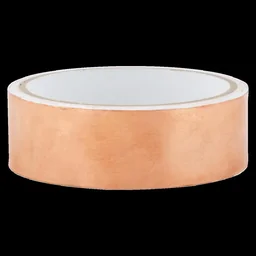
Copper tape conducts electricity. Never use it to insulate live components. It is intended for functional or decorative use, not electrical safety.
A versatile tape for around the house
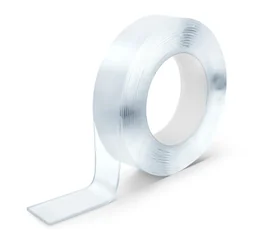
Looking for strong, removable tape for small jobs around the house? (Nano Tape) is a great option. This double-sided tape sticks to almost any smooth surface, including tile, glass, and painted wood. You can wash it and reuse it several times, and it leaves no adhesive residue. Use it to secure rugs, decorations, or small tools.
Discreet repairs for window screens
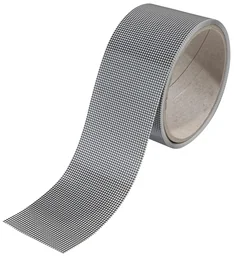
Tears in window screens and leaky window frames can be frustrating. Transparent specialty tape offers a simple fix. The (window screen repair tape) covers holes with minimal visibility. It is weather-resistant and holds up in rain and sunshine. To apply, clean and dry the surface, place the tape over the damaged area, and press it down firmly. This simple fix can save you from replacing the entire screen.
Here are the top-rated adhesive tapes in our range, compared side by side:
| Model | Customer rating | Availability |
|---|---|---|
| Copper tape - 5 m 🏆 Top pick | ★ 4,8 (8) | In stock |
| Nano Tape, 2 rolls of 3 m | ★ 4,8 (5) | In stock |
| Window screen repair tape, transparent | – | In stock |
| Covering and masking set, 5-piece | – | Currently unavailable |
| Tape 2-pack, fiberglass-reinforced filament tape, 100 m | – | Currently unavailable |
Instead of buying a bulk pack of all-purpose tape, keep a few smaller rolls of different types on hand. That way, you will have the right tape for each job. A basic supply of strong packing tape, painter's tape, and double-sided tape covers most everyday needs.
Buying Guide: How to Choose the Right Tape
Make an informed choice. Consider these points before you buy.
Define how you’ll use it
Think carefully about where and how often you’ll use the tape. Is it for a one-time repair or long-term use in a damp basement? Your answer will help you determine the quality and specialized features you need.
Consider the surface
Not every tape sticks equally well to every material. Rough, dusty, or greasy surfaces can be challenging. Check whether the tape is recommended for your surface. If in doubt, test it in an inconspicuous spot.
Roll width and length
Don’t buy the biggest roll just because it seems like a better deal. Narrower tape is easier to handle for delicate work. An excessively long roll may dry out before you use it all. Choose a size that suits your needs.
Avoid cheap, no-name tape from unknown manufacturers. The adhesive is often weak, the tape tears easily, or the adhesive becomes stringy. This can lead to failed repairs and messy surfaces. Invest in quality products from a specialist retailer.
How to Use Tape: A Practical Guide
Even the best tape won’t work well without the right technique. Here’s how to use it like a pro.
Prepare the surface
The most important step is often overlooked: clean the surface thoroughly. Remove dust, grease, and moisture. The adhesive reaches its full strength only on a clean, dry surface. On smooth, nonporous surfaces, lightly sanding the area can improve adhesion.
Unroll and apply it correctly
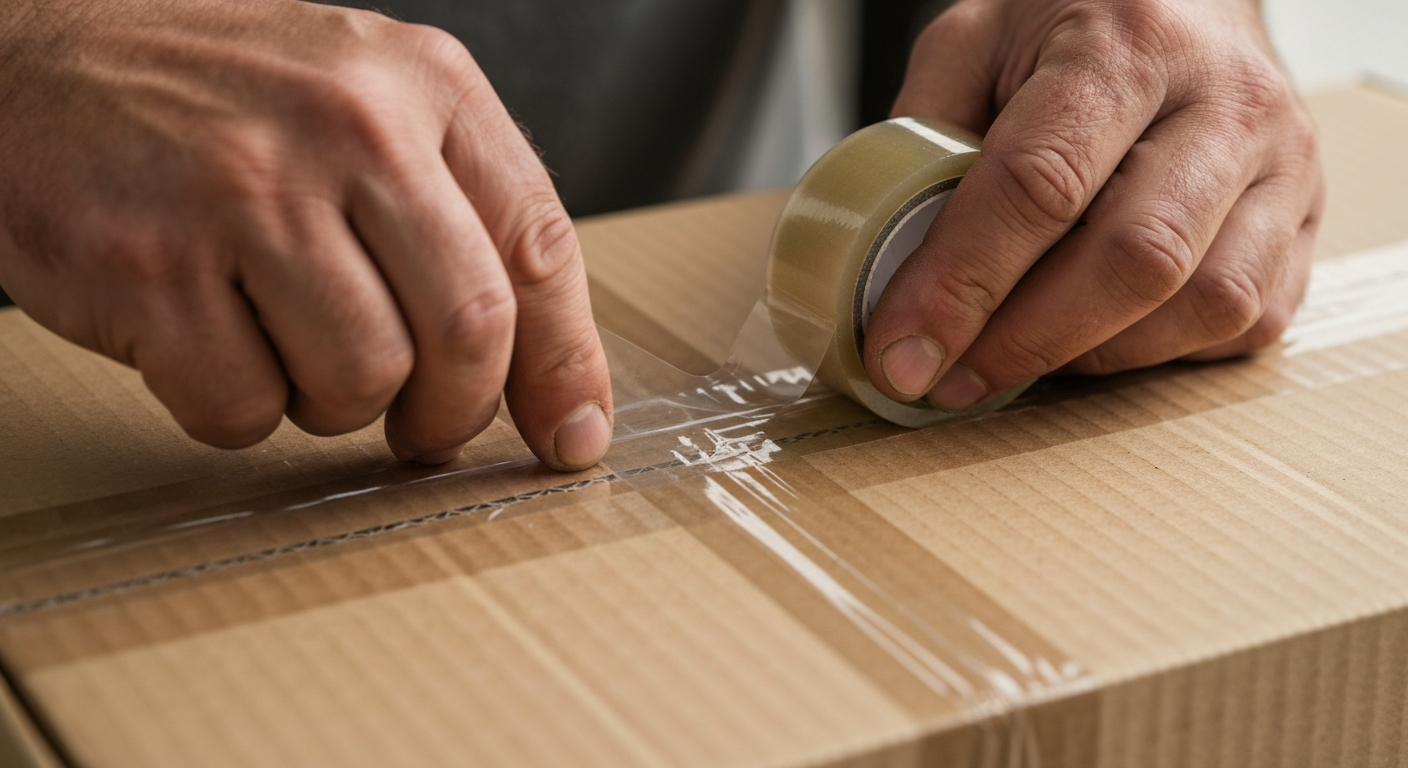
Don’t pull the tape off the roll too quickly. Guide it onto the surface with light pressure at an even speed. This helps prevent wrinkles and air bubbles. When using wide tape, apply it from the center outward.
Seal the edges neatly
After applying the tape, press the edges down firmly once more. This activates the adhesive and helps prevent the tape from coming loose too soon. For sharp edges, use a tape dispenser or another blunt tool if needed.
Care and Storage: How to Make Your Tape Last Longer
Tape is a sensitive product. Improper storage can ruin its performance.
Always store tape in its original packaging or in a closed box. Keep it somewhere cool, dry, and dark. Direct sunlight, temperatures above 25°C, and high humidity can cause the adhesive to age, making it hard or sticky.
Don’t store rolls on their adhesive edges. They can become misshapen and difficult to unroll. Store them flat or hanging.
Seal partially used rolls properly. Covering the adhesive edge with a piece of baking paper or plastic wrap helps prevent it from drying out.
Conclusion: Find the Perfect Tape for Your Needs
There’s a wide variety of adhesive tapes to choose from. Our 2026 test and comparison make one thing clear: the best choice is the tape that suits your specific task. Copper tape () has unique properties for electrical and creative projects. Removable Nano Tape () is a versatile helper around the home. And transparent fly screen tape () is hard to beat for discreet window screen repairs.
Remember, tools are only as effective as the person using them. Proper surface preparation and correct storage matter just as much as choosing the right tape. With this knowledge, you’re sure to find the right product for your next project in our wide selection of adhesives and tapes.
Frequently Asked Questions
- Which tape has the strongest, longest-lasting hold?
- Adhesive strength and durability depend on the materials and backing. Fiberglass-reinforced filament tape offers exceptional tensile and tear strength for heavy-duty packaging. High-quality double-sided acrylic tape creates a permanent bond on many surfaces. For maximum outdoor durability, choose a specialist weather-resistant tape.
- Can I use any tape outdoors?
- No. Many standard tapes aren’t suitable for outdoor use. UV rays, moisture, and temperature changes can make the adhesive brittle or weaken its hold. For outdoor projects, use tape specifically labeled as weather-resistant, such as specialist construction or masking tape.
- What’s the difference between electrical tape and regular adhesive tape?
- Electrical tape, often made from PVC, is primarily used to insulate cables and wires. It stretches and mainly sticks to itself. Regular adhesive tape is designed to stick to various surfaces, but isn’t approved for electrical insulation. Don’t confuse the two types.
- Can I remove tape without leaving residue?
- It depends on the type of tape and the surface. Painter’s tape and masking tape are designed to come off cleanly. With other tapes, warming them with a hair dryer or using a specialist adhesive remover may help. Always test the method first in an inconspicuous spot.
- What is double-sided tape used for?
- Double-sided tape is ideal for attaching objects without visible fasteners. You can use it to hang pictures, install carpet, attach jewelry, or secure decorations. Its holding strength varies considerably. For heavy objects, choose high-strength foam mounting tape.