
In brief: The best agricultural literature provides sound practical knowledge and up-to-date methods. We compare handbooks, specialist magazines and digital formats for farmers, students and consultants. Key factors include topic relevance, author expertise and ease of understanding. A good book supports farm management decisions and promotes sustainable production.
Specialist literature forms the backbone of every successful farm. It provides not only fundamental knowledge but also innovative approaches to tomorrow’s challenges. In 2026, farmers face complex questions: How can I improve resource efficiency? How can I integrate digital technologies? Which sustainable methods are economically viable? The right literature provides answers and supports informed decisions.
Our 2026 review and comparison examines agricultural literature for its practical value. We assess handbooks, specialist magazines, digital guides and dedicated advisory books. Our focus is on works that connect theory and practice. You will receive clear buying advice to help you find the right medium for your needs.
Contents
Which criteria matter in an agricultural books review?
We assess every work according to set criteria. These help you evaluate quality for yourself.
Currency and relevance
Agricultural methods develop quickly. A good specialist book covers current research, technology and legislation. Check the publication date. Works more than five years old may describe outdated practices. Up-to-date information is particularly important for topics such as crop protection, fertilisation and digitalisation.
Author and expertise
The authors’ qualifications determine a book’s practical value. Ideally, works should be written by experienced farmers, consultants or scientists with hands-on knowledge. Check the authors’ professional backgrounds. Reputable authors cite their sources and support their statements with data.
Clarity and structure
Complex topics must be explained clearly. Good literature uses plain language, informative graphics and practical examples. The structure should be logical, with a detailed contents page and index. Step-by-step instructions significantly increase the practical value.
Practical relevance and applicability
Theoretical knowledge alone is of limited help on a farm. The best works offer specific instructions, calculations and checklists. They address typical problems from everyday operations. A high level of practical relevance is reflected in case studies and first-hand reports.
Tip: Before buying, use sample chapters from publishers or online shops. This lets you assess the writing style and structure directly. Check whether the work addresses your specific questions.
Which agricultural literature formats are available?
Today, various formats are available, each offering different advantages. We compare the most common options.
Traditional specialist books and handbooks
Printed specialist books remain the foundation of knowledge transfer. They are durable, do not require electricity and often contain excellent illustrations. Comprehensive works such as “The Farming Handbook” serve as reference books for years. Their disadvantages are their weight and lack of updateability.
Specialist journals and magazines
Subscriptions to specialist journals provide new information regularly. They cover current market developments, new products and political decisions. For farm managers, they are indispensable for remaining competitive. Many journals also offer searchable online archives.
Digital e-books and online guides
E-books are lightweight, space-saving and often more affordable. They can be searched quickly and used on multiple devices. Modern formats integrate videos, interactive graphics and links to further sources. They are ideal for use on the go or for solving problems quickly.
Specialist guides and farm resources
This type of literature focuses on a single topic, such as agricultural literature covering specific crops or livestock systems. These resources provide in-depth knowledge and are often highly practical. Examples include growing guides for niche crops or livestock health handbooks.
Important: Avoid free online guides from unknown sources. They often lack professional review. Invest in high-quality literature from recognised publishers or professional associations.
Which topics dominate agricultural literature in 2026?
Agricultural literature responds to the major challenges of our time. Here are the most important areas of focus.
Digitalisation and precision farming
A large proportion of new literature focuses on digital technologies. Topics include sensor technology, data analysis, farm management software and automation. Good works explain not only the technology but also its economic evaluation and integration into existing processes.
Resource efficiency and climate protection
How to save water, fertiliser and energy is a central topic. Literature on soil-building measures, alternative fertilisation and agroforestry systems is in high demand. These works combine ecological principles with farm business metrics.
Alternative production methods
Organic farming, regenerative agriculture and vertical farming are becoming increasingly important. The relevant specialist literature provides transition plans, first-hand reports and marketing strategies. It helps you decide whether these methods are suitable for your farm.
Legal and political frameworks
Laws and support programmes change frequently. Up-to-date commentaries and guides on agricultural law, cross-compliance and funding applications are essential. They help protect you from costly mistakes and make it easier to use available funding effectively.
Which Literature Is Right for Whom?
The ideal literature depends heavily on your role and goals. We provide targeted recommendations.
For Practising Farmers and Farm Managers
You need practical, applicable information. Prioritise books with direct recommendations, farm business calculations and case studies. A combination of a solid foundational book, a specialist magazine and specific guides for your areas of operation is ideal. Products such as the can be mentioned in practical guides to efficient farm management.
For Students and Trainees
Well-structured textbooks take priority here. They should explain the fundamentals clearly and supplement them with practice questions or exam preparation. Standard university textbooks are a worthwhile investment for your entire career.
For Consultants and Knowledge Multipliers
As a consultant, you need in-depth, evidence-based knowledge and access to the latest research. Specialist magazines, academic journals and digital databases are indispensable here. Specialist literature on consulting methods and knowledge transfer can also be useful.
Note: There is also suitable introductory literature for hobby gardeners and newcomers to agriculture. This focuses on smaller areas and less technical explanations.
How Can You Integrate Literature into Your Daily Farm Routine?
Purchased books should not gather dust on a shelf. With a good strategy, knowledge can be applied continuously.
Systematic Knowledge Collection
Set aside a permanent place for specialist literature, such as in the office or break room. Organise books and magazines by subject area. Keep a digital or analogue index so you can quickly find the right resource when questions arise.
Schedule Regular Reading Time
Set aside fixed times for professional development, such as one hour per week. Use quieter periods, such as the winter months, for more in-depth learning. Discuss new insights with employees or during farm meetings.
Document Practical Implementation
Make a note directly in the book or in a separate farm diary of which tips you intend to implement. Then document the results and experiences. These records will become your most valuable source of in-house knowledge.
Use Literature for Specific Tasks
For specific projects, such as installing new technology or changing a production process, consult the relevant specialist literature. Specialised guides that describe the use of products such as in detail can be invaluable here.

Which Trends Are Shaping the Future of Agricultural Literature?
The way agricultural knowledge is shared is changing. You should be aware of these developments.
Networking and Interactive Platforms
Many publishers offer supplementary online portals with their books. There you can find updates, forums for exchanging ideas with other farmers and direct contact with authors. This networking significantly increases the value of the literature.
Personalised Learning
Digital formats are increasingly making it possible to tailor content to your own farm. For example, you can enter key figures and receive specific recommendations. This personalised guidance through literature will become increasingly important.
Integration of Multimedia
Books consisting solely of text are becoming less common. Instead, publications integrate videos of field trials, audio interviews with experts and 3D models of machinery. This immersive learning is particularly effective for practical skills.
Short-Lived and Lasting Knowledge
A clear distinction is emerging: fast-changing information, such as market prices and weather forecasts, is delivered through apps and news feeds. Timeless fundamental knowledge and in-depth analyses remain bundled in classic, high-quality specialist books.
How Do You Make the Right Buying Decision?
Finally, we provide a structured buying guide.
Analyse Your Specific Needs
Ask yourself: What problem do I want to solve? Am I looking for basic knowledge or specialist expertise? Do I need a reference book or step-by-step instructions? Defining your goal clearly helps prevent unsuitable purchases.
Research Thoroughly
Read reviews from other farmers in specialist forums or on publisher websites. Compare the tables of contents of similar books. Use agricultural school libraries or advisory groups to look through books before buying.
Choose Quality over Quantity
One expensive but excellent standard book is more valuable than five mediocre books. Invest in the core literature for your type of operation.
The highest-rated agricultural books in our range compared directly:
| Model | Customer rating | Availability |
|---|---|---|
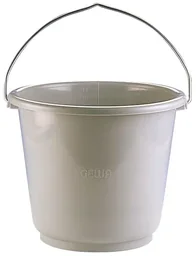
| 12 l bucket - for agriculture, construction sites and more, 1 piece | – | Currently unavailable |
| Pair of linkage plates, right and left, for agriculture | – | Currently unavailable |
Combine Formats Wisely
No single format can do everything. A typical set for a modern farm could include a printed standard manual, a subscription to a specialist magazine and a digital e-book on a current specialist topic. This ensures you are prepared for every situation.
Choosing the right agricultural books is a strategic investment in the future of your farm. They provide the know-how to balance productivity, sustainability and profitability. Make your decision carefully and use the available knowledge as your competitive advantage.
Frequently Asked Questions
- Which agricultural books are suitable for beginners?
- For beginners, we recommend practical introductory books with clear illustrations. Choose books that provide basic knowledge of crop production, animal husbandry and farm management. Avoid highly specialised agricultural books that require prior knowledge.
- Are digital agricultural books better than printed books?
- Digital agricultural books offer benefits such as updates and search functions. Printed books are durable and do not depend on technology. Your choice depends on how you plan to use them: printed copies are often more practical in the field and at the farm.
- How can I identify reliable agricultural literature?
- You can identify reliable agricultural literature by looking for reputable authors with practical experience, current editions and scientific sources. Choose publishers specialising in agriculture and avoid books that promote outdated methods.
- Which topics are important in current agricultural literature?
- Current agricultural books cover digitalisation, precision farming, sustainability and climate adaptation. Other important topics include alternative methods, resource efficiency and changes in legislation. Modern books combine tradition with innovation.
- Is a subscription to an agricultural magazine worthwhile?
- A subscription is worthwhile if you want regular updates on research, technology and the market. Agricultural magazines provide timely information that is often missing from books. They are particularly useful for farm managers who want to stay up to date.