
In brief: Choose the right air conditioner by calculating the cooling capacity you need for your room. Pick a portable unit for flexibility or a split system for efficiency. A professional should install most permanently mounted models. Regular maintenance, including filter cleaning and condensate checks, helps keep your unit performing well and extends its service life.
Buying the right air conditioner: what you need to consider
There are several types of air conditioning systems to choose from. Your choice affects comfort, efficiency, and installation requirements. First, think about how you plan to use it: do you need occasional cooling in one room or a permanent solution for several rooms?
Portable air conditioners are flexible. You can roll one into whichever room needs cooling and run its exhaust hose through a window. Split air conditioners have an indoor unit mounted on a wall or ceiling and an outdoor compressor. They run more quietly and efficiently.
Multi-split systems use one outdoor unit to cool several indoor units at once. They work well for an entire floor or a single-family home. The right choice depends on your budget and long-term plans.
Choosing the right cooling capacity
An air conditioner's cooling capacity is measured in BTU (British Thermal Units) or kilowatts. A unit with too little capacity will struggle to cool the room. One with too much capacity may switch off too quickly to remove enough moisture from the air.
Estimate the capacity you need based on your room size. A rule of thumb is 60 BTU per square metre. For a room measuring 25 square metres, you need around 15,000 BTU. Also consider ceiling height, large south-facing windows, and heat from lights and electrical appliances.
The biggest mistake is choosing the wrong size. Many customers choose a unit that's too large because they worry it won't have enough capacity. This can lead to short cycles, high air velocity, and an uncomfortable indoor climate.
Products such as the drain hoses in our range can help route condensate correctly on many models. The right fittings and threaded connections make it easier to customize the pipework.
Professional air conditioner installation
Proper installation affects both safety and efficiency. You can set up a portable unit yourself, but a professional should install a split system.
Important note
Connecting a split air conditioner to the mains electricity and charging it with refrigerant are regulated by law. This work may only be carried out by a registered electrical contractor and a certified HVAC technician. Mistakes can cause a fire, electric shock, or damage to the unit, and may void the manufacturer's warranty.
How to install a portable air conditioner
Place the unit on a level floor near a window. Fit the window kit into the open window. Securely connect the exhaust hose to the unit and the window outlet.
Seal all remaining gaps around the window. Use sealing tape or foam. Every gap lets warm outdoor air in and can sharply reduce cooling performance. A suitable
makes this easier.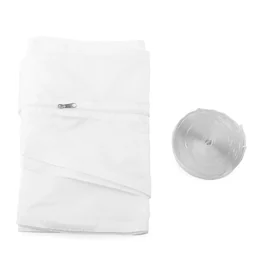
Plug the power cord directly into a wall outlet. Avoid using a power strip or extension cord. The unit draws a lot of current when it starts up, so a dedicated circuit is ideal.
Planning a split system
A professional will inspect your property and choose the best location for the outdoor unit. It should be well ventilated, easy to access, and isolated from vibration. Position the indoor unit so cool air can circulate freely throughout the room.
The installer runs two copper refrigerant pipes, a condensate drain line, and a power cable between the units. This requires precise drilling through the exterior wall, with very little visible impact once the work is complete.
Pro tip
Plan your split air conditioner installation for the cooler months. Professional installers tend to have more availability then, and you may find better prices. Your system will be ready to use when the first hot day arrives.
You'll find the right accessories for your installation here, from shut-off valves to special brass fittings for water systems.
Using your air conditioner efficiently
After installation, run a test cycle. For a portable unit, make sure the condensate collection tank is properly positioned. For a split system, the technician will handle setup and adjustments.
Set a reasonable target temperature. A difference of more than six degrees from the outdoor temperature can put strain on your body. 22 to 24 degrees Celsius is comfortable for most indoor spaces. Use the timer to start the unit before you get home.
Keep doors and windows closed while the unit is running. Close curtains or blinds on the sunny side of the home. These simple steps reduce the cooling load and can save a significant amount of electricity.
Essential air conditioner maintenance
Regular maintenance keeps your air conditioner running efficiently, lowers operating costs, and extends its service life. Neglecting maintenance can increase energy use, reduce air quality, and lead to costly repairs.
The most important task is cleaning the air filters. They trap dust, pollen, and hair from the room air. A dirty filter restricts airflow, forcing the fan to work harder and use more electricity while the unit cools less effectively.
Additional tip
Add maintenance dates to your calendar. Set a regular schedule, such as cleaning the filters every four weeks and booking professional service once a year. This helps you stay on top of maintenance and keep your system working reliably.
Annual professional service
Have a service technician inspect your unit once a year. This is especially important for split systems with a refrigerant circuit. The technician will measure the refrigerant pressure and top it up if needed.
They'll remove leaves and dirt from the outdoor unit's heat exchanger fins and check that the electrical connections are secure. They'll also check the condensate pump and drain for blockages. A
is ideal for cleaning narrow drain pipes.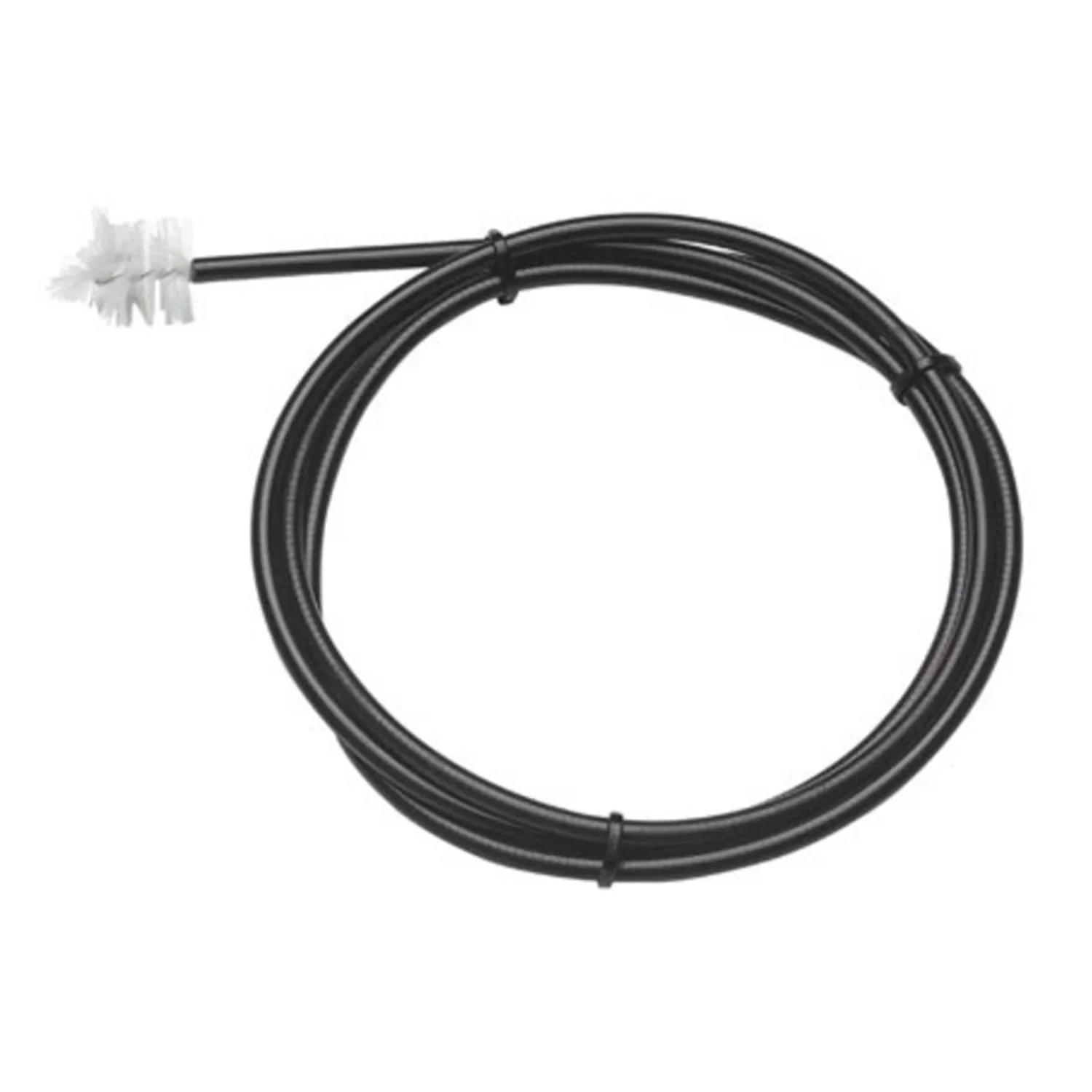
Around 80 percent of air conditioner faults could be prevented with simple, regular filter cleaning. Keeping the filter clean can pay for itself in just a few weeks through energy savings.
The technician will also check the entire refrigerant circuit for leaks. A slow refrigerant leak often goes unnoticed but steadily reduces efficiency. They'll document the service in a report, which may be required for warranty claims.
Identifying and fixing problems
Your air conditioner is showing signs of a problem. A red warning light comes on or the unit shuts off. Simple checks can often help before you call customer service.
First, check the air filter. Is it dirty? Clean it. Check whether the condensate tank on portable units is full. Empty it. With split systems, check that the outdoor unit is unobstructed and that the fan is turning.
Are you hearing unusual noises? A rattling sound may indicate a loose component inside the housing. A whistling or hissing sound may indicate a leak in the refrigerant circuit. If that happens, switch the unit off immediately and contact a professional.
A powerful and efficient air conditioner such as the
provides modern comfort for rooms up to 30m². Proper maintenance protects your investment for many years.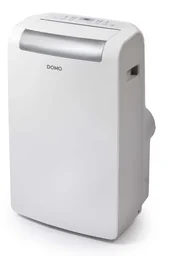
Save energy and protect the environment
Modern air conditioners carry the EU energy label. Look for efficiency class A+++ or higher. These units use electricity efficiently and have low running costs.
Combine cooling with other measures. Good overnight ventilation cools the house by morning. External shading such as awnings blocks the sun's rays before they reach the windows. Insulation in the roof and facade reduces heat gain in the long term.
Choose a unit with inverter technology. This technology continuously adjusts the compressor's output to match demand. It prevents constant switching on and off, saves energy, and improves comfort by maintaining consistent temperatures.
Choosing the right unit, having it professionally installed, and maintaining it regularly will make your air conditioner a reliable source of summer comfort. It creates a healthy indoor climate while protecting your wallet and the environment.
Frequently asked questions
- How do I calculate the right cooling capacity for my air conditioner?
- As a rough rule of thumb, allow around 60 BTU per square metre of floor space. For a 20 m² room, you therefore need around 12,000 BTU. Also take factors such as ceiling height, sunlight, and heat sources such as computers into account. An undersized unit works inefficiently, while an oversized unit cools the room too quickly and does not dehumidify it properly.
- Can I install a portable air conditioner myself?
- Yes, portable monoblock units are designed for self-installation. The critical step is sealing the window outlet for the exhaust hose. Use the window kit supplied and seal all gaps completely. This prevents warm air from outside from flowing back in and reducing cooling performance. A stable power supply via a dedicated outlet is essential.
- How often do I need to clean my air conditioner's filter?
- Clean the air filter every two to four weeks during intensive use. Under normal operating conditions, cleaning every four to six weeks is sufficient. Remove the filter, vacuum it or rinse it with lukewarm water. Allow it to dry completely before refitting it. A dirty filter reduces airflow, increases energy consumption, and can cause unpleasant odors.
- Why is my air conditioner dripping water indoors?
- Water droplets indoors indicate a blocked or incorrectly routed condensate drain hose. The condensation produced during cooling can no longer drain away. Check the drain hose for kinks or dirt. A long, narrow brush is suitable for cleaning it. For permanently installed split systems, this check should be part of the annual professional service.
- What is the difference between a portable and a split air conditioner?
- Portable monoblock units combine the compressor and evaporator in a single wheeled housing. They are easy to install, but noisier and less efficient. Split systems separate the noisy outdoor unit from the quiet indoor unit. They are more powerful, more efficient, and suitable for permanently cooling several rooms. However, installation must be carried out by an electrician and a refrigeration technician.
You may also be interested in
- Reduce air conditioning costs: money-saving tips for your home
- Air conditioning: benefits and installation tips
- Air conditioners for your home: how to keep your house cool
- Air conditioners: types, features, and uses
- Switch your heating system to summer mode and save energy
- Heating with an air conditioner: efficient and future-focused