
In brief: Alocasias, also known as elephant ear plants, thrive in high humidity, bright indirect light and well-draining soil. Avoid waterlogging and cold draughts. These tropical plants need regular but moderate watering and monthly feeding during the growing season. Reduce care in winter.
Alocasia: The queen of foliage plants
Alocasia, known as elephant ear, is a spectacular houseplant. Its large, often sculptural or patterned leaves are impossible to miss. The plant originates from the tropical rainforests of Southeast Asia.
There, it grows in the understorey in high humidity. This natural habitat determines its care requirements indoors. With the right knowledge, you can bring a touch of the jungle into your home.
Find suitable plant accessories for optimum care. If you do not have time for live plants, our range of artificial plants offers an easy-care alternative.
Popular Alocasia varieties for your home
The Alocasia genus includes over 80 species. Each has its own character. The choice ranges from compact to enormous, and from plain green to stunningly patterned.
Alocasia Polly (Alocasia amazonica)
Alocasia Polly is the best-known variety. Its deep green, arrow-shaped leaves have prominent white veins. The leaf edges are wavy. It remains relatively compact at around 40-60 cm tall.
Alocasia Zebrina
This variety captivates with its stems, which have a zebra-like pattern. The leaves are light green and arrow-shaped. Zebrina can grow up to one metre tall and is a real eye-catcher.
Alocasia Frydek
Frydek has velvety, deep green leaves. Its white to silvery veins stand out clearly. It grows somewhat more slowly than other varieties. Its velvety texture makes it particularly special.
Alocasia Portodora
This variety grows very large. Its leaves are light green, glossy and strongly wavy. Portodora can grow over one metre tall in a pot, so it needs plenty of space.
Alocasia Black Velvet
As its name suggests, its leaves are velvety and dark. They are almost black with light, contrasting veins. This variety stays small and is perfect for shelves or sideboards.
Expert tip
It is best to buy Alocasias in spring or early summer. The plant then has the entire growing season ahead of it to acclimatise to its new location and develop strong roots. Avoid buying one in late autumn or winter.
The perfect location for your elephant ear plant
Light is the most important factor. Alocasias need plenty of bright, indirect light. An east- or west-facing windowsill is ideal. A spot by a north-facing window is often too dark.
Avoid direct midday sun, as it can scorch the sensitive leaves. The plant will be happy behind a curtain or a few metres away from a south-facing window.
The second key requirement is humidity. Below 50% can become problematic. Mist the leaves regularly with limescale-free water. Do not place the plant above a radiator.
A bathroom with a window is often the perfect location. Alternatively, a humidifier nearby can help. A tray of water and pebbles beneath the pot increases local humidity.
Alocasias are not beginner plants because they react very clearly to mistakes. A wilted leaf is their way of saying: something is wrong here. Anyone who learns to read these signals can enjoy their plant for a long time.
How do you water your Alocasia correctly?
Watering is a balancing act. The soil should never dry out completely, but it must never remain wet for long either. Waterlogging inevitably leads to root rot.
Check with your finger. Push it about two centimetres into the soil. If it feels dry, it is time to water. Use lukewarm, standing or rainwater.
Water thoroughly until water runs out of the drainage hole. Wait a few minutes, then empty the saucer or cachepot. The roots must not sit in water.
Reduce watering considerably in winter. The soil can now dry out for longer. The plant is dormant and loses less water through evaporation.
Important note
Avoid hard, limescale-rich tap water. Limescale builds up around the roots and affects nutrient uptake. It can also cause unattractive white marks on the leaves. Use filtered or boiled water.
The right soil and repotting
Alocasias need airy, well-draining soil. Standard potting compost is often too heavy and becomes compacted, suffocating the fleshy roots.
Mix your own soil. Use high-quality houseplant compost as a base. Add one third perlite or coarse sand for drainage. A proportion of coconut fibre or orchid substrate will further loosen the mix.
A product such as
provides a good foundation. You can adapt it with additional components. Repot your Alocasia every one to two years in spring.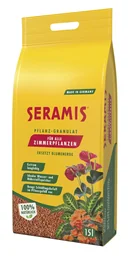
Choose a pot just one size larger. Pots that are too large retain moisture for too long. Make sure there are enough drainage holes. A drainage layer of expanded clay at the bottom of the pot is useful.
Feeding for strong growth
During the growing season from March to September, your Alocasia needs nutrients. Feed it every four weeks with a liquid fertiliser for foliage plants. Follow the dosage instructions on the packaging.
Less is more. Overfeeding causes salts to build up in the soil, which damages the roots. You can recognise this by brown leaf edges or stunted growth.
A practical alternative is fertiliser sticks such as
. They release their nutrients slowly and evenly. Insert them into the soil according to the instructions.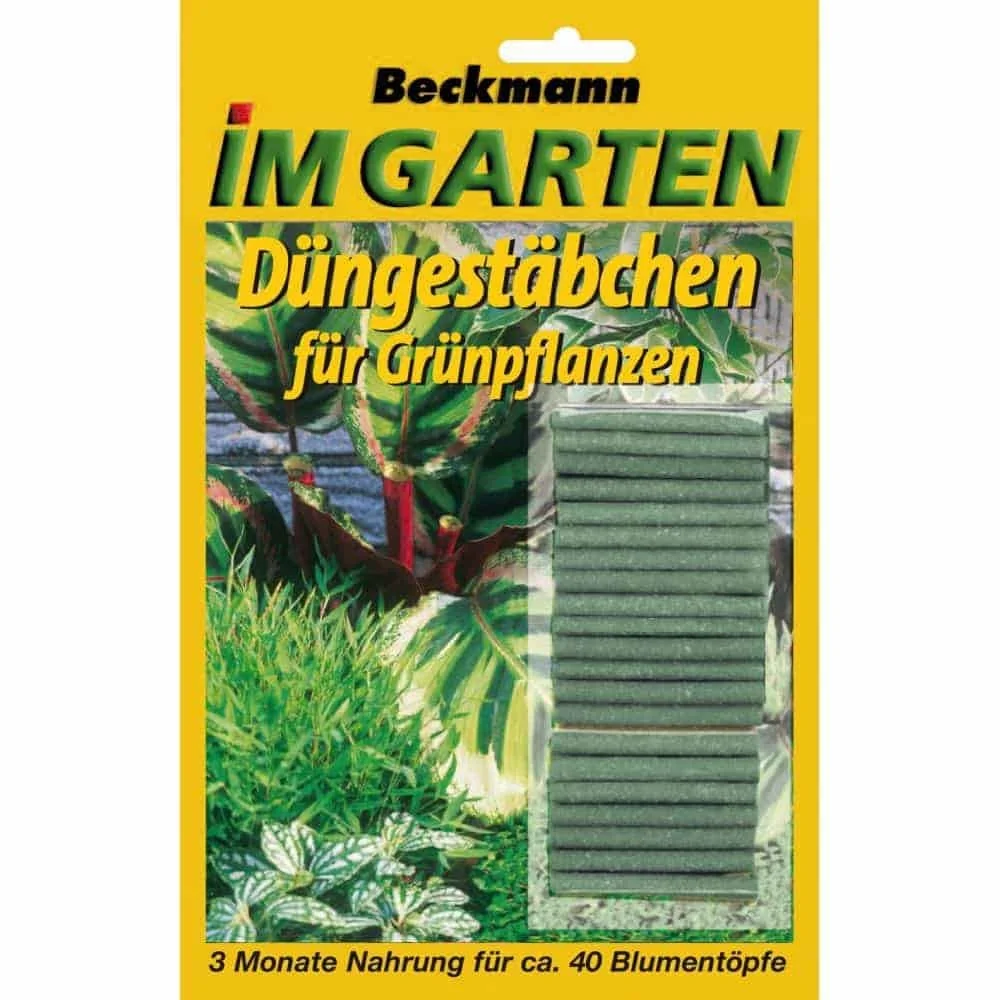
Stop feeding completely from October onwards. The plant is dormant and cannot use the nutrients. Start again in early spring with the first weak dose.
Additional advice
Clean your Alocasia's large leaves regularly with a soft, damp cloth. This removes dust that blocks the light and helps prevent pests. Be careful with the delicate leaf surface and handle it gently.
Common Problems and How to Solve Them
Brown leaf tips are the most common problem. They indicate that the humidity is too low. Increase humidity by misting the plant or using a humidifier. Cut off the brown tips with clean scissors.
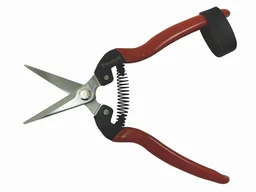
Do not cut into healthy tissue. Leave a small brown edge in place. For jobs like this, use a precise tool such as the
.
Drooping, limp leaves usually indicate a lack of water. Check the soil. If it is bone dry, submerge the entire pot in a bucket of water. Let it soak until no more air bubbles rise to the surface.
Yellow leaves are caused by overwatering. Allow the soil to dry out more thoroughly. Check the roots. If they are mushy and brown, cut away the rotten parts and repot the plant in fresh soil.
Many people believe that the more exotic the plant, the more difficult it is to care for. With Alocasia, the opposite is true: it forgives small mistakes as long as its basic needs for light and humidity are met. Focus on these two things.
How to Identify and Treat Alocasia Pests
Spider mites thrive in the dry air from central heating. Look for fine webbing on the undersides of leaves and tiny yellow spots. Increase the humidity right away. Rinse the plant in the shower and treat it with an organic product from the plant protection range.
Thrips leave silvery feeding marks and small black fecal spots. Isolate the affected plant. Rinse the leaves thoroughly. Repeat the treatment several times, a few days apart.
Mealybugs look like small white tufts of cotton. They settle in leaf axils and on stems. Dab them with a cotton swab soaked in rubbing alcohol. In the case of a severe infestation, a systemic plant protection product is required.
Prevention is the best cure. Healthy plants in optimal conditions are less likely to be affected. Check new plants before buying them and keep them separate at first.
Propagation: How to Grow New Elephant Ear Plants
The simplest method is division. Lift the plant from its pot in spring. Look for natural division points or offsets, known as corms.
Carefully separate a root ball with at least three leaves and its own roots. Use a sharp, clean knife. Disinfect the cut surfaces with charcoal powder.
Plant the divisions immediately in their own moistened potting mix. Place them somewhere warm and bright, but out of direct sunlight. Keep the soil slightly moist. New roots will appear within a few weeks.
You can also use the corms that grow on the roots for propagation. Place them on moist propagation mix and cover them lightly. With consistent warmth and humidity, they will sprout.
Alocasia in Winter: How to Manage the Dormant Period
Most Alocasias go dormant in winter. Growth stops and the plant often sheds some of its older leaves. This is normal and nothing to worry about.
Move the plant somewhere slightly cooler, but never below 16 degrees Celsius. Reduce watering considerably. Water only enough to prevent the root ball from drying out completely.
Stop fertilizing completely. The plant does not need any nutrients at this stage. Continue to provide as much light as possible. A spot by a window is ideal in winter.
From March onward, as the days get longer, gradually return to your normal care routine. Slowly increase watering and apply the first dose of fertilizer. Your Alocasia will soon start producing new growth again.
Discover more inspiration for your green home in our extensive Garden + Outdoor section. From plant care to decoration, you will find everything a plant lover could wish for.
Frequently Asked Questions
- Why does my Alocasia have yellow leaves?
- Yellow leaves on your Alocasia are usually caused by overwatering or waterlogged soil. Check the soil and let the top layer dry out before watering again. A lack of nutrients or a location that is too dark can also be to blame.
- Is Alocasia toxic to cats and dogs?
- Yes, all parts of an Alocasia are toxic to pets. The plant contains calcium oxalate crystals, which can cause mouth irritation, vomiting, and difficulty swallowing if eaten. Keep the plant out of reach of your pets.
- How often should I water an Alocasia?
- Water your Alocasia moderately as soon as the top layer of soil has dried slightly. In summer, this may be once or twice a week, while in winter it will be much less often. Feeling the soil is more important than following a fixed schedule. Waterlogging can be fatal.
- Can I put my elephant ear plant outside in summer?
- Yes, you can place your Alocasia outdoors from mid-May onward in a partially shaded spot sheltered from the wind. Make sure you acclimate it to the sun gradually and protect it from strong midday sunlight. Bring the plant indoors before the first night frosts.
- What is the best soil for Alocasia plants?
- Use a loose, well-draining potting mix. A mixture of high-quality houseplant potting mix, perlite, and a little coir or bark humus is ideal. This prevents compaction and ensures the roots get enough airflow.
You may also be interested in
- Anthurium Types & Varieties: The Best Flamingo Flowers for Your Home
- Monstera Types: The Diversity of These Beautiful Foliage Plants
- Prayer Plants: Care and Characteristics of Calathea & Co.
- Exotic Houseplants: Care, Location & Popular Varieties
- Peace Lily Care: How to Make Your Spathiphyllum Bloom Beautifully at Home
- How to Care for Monstera: Tips for a Healthy Swiss Cheese Plant