
In brief: Alocasia Zebrina thrives in a bright spot with indirect light, temperatures of 18 to 28 °C, high humidity and loose, well-draining soil. Water when the top two to three centimetres of soil are dry, and fertilize sparingly in spring and summer. Waterlogged soil, cold drafts and intense midday sun can damage this elephant ear plant.
Alocasia Zebrina makes an immediate impression: Its arrow-shaped leaves grow on strikingly striped stems that resemble a zebra’s pattern. With its tropical look, this elephant ear plant brings a bold, exotic touch to bright living spaces.
Healthy leaves need more than regular watering. Light, warmth, humidity, an airy potting mix and a suitable watering routine all need to work together. The right conditions encourage vigorous growth and help prevent common care problems.
What is the ideal location for Alocasia Zebrina?
In nature, Alocasia zebrina grows in the warm, humid regions of the Philippines. The plant does not receive intense direct sunlight all day; instead, larger plants filter the light. This natural habitat offers helpful guidance when choosing an indoor location.
Bright light without harsh midday sun
A bright spot near an east- or west-facing window is ideal. The plant gets several hours of light there without being exposed to direct midday sun. At a south-facing window, a sheer curtain protects the leaves from scorching.
Alocasia Zebrina generally tolerates direct morning or evening sun better than intense sunlight between 11 a.m. and 3 p.m. After bringing it home, gradually acclimate it to brighter light. A sudden change in location can cause pale spots and curled leaf edges.
- Too little light: The stems grow longer, new leaves stay smaller and the plant grows unevenly.
- Too much sun: The leaf surfaces fade or develop dry, brown patches.
- Ideal location: The plant regularly produces new leaves and retains its characteristic markings.
Turn the pot slightly once a week. This helps Alocasia Zebrina grow evenly toward the window and prevents its crown from leaning too far in one direction.
Warmth and humidity
Temperatures of 18 to 28 °C are ideal during the growing season. Temperatures below 15 °C, cold drafts and a spot directly above a radiator stress the roots and can cause leaves to drop. Keep the plant away from windows that are left open and from air conditioner vents.
Relative humidity of around 60 to 70 percent helps the plant grow large, firm leaves. A humidifier is more reliable than occasional misting. Misting may help briefly, but it does little to raise room humidity for long and can leave mineral spots if you use hard water.
Group several plants together, set the pot on a tray filled with pebbles or use a humidifier. The bottom of the pot must not sit in water. Wet roots are more vulnerable than dry leaf tips.
“Alocasia zebrina is native to the Philippines, where it prefers warm, humid conditions.”
How should you water and fertilize an elephant ear plant?
Alocasia Zebrina does not tolerate soil that stays wet. Avoid watering on a fixed schedule or giving the plant small sips. The moisture level of the potting mix is what matters.
When should you water?
Push a finger about two to three centimetres into the soil. If it feels dry at that depth, water the plant. If the potting mix is still moist, wait a few days and check again.
- Use lukewarm, preferably low-lime water.
- Water slowly over the entire surface until water runs out of the drainage hole.
- Wait a few minutes, then empty the cachepot or saucer.
- Check the top few centimetres of the potting mix before watering again.
The plant needs more water in summer because of the warmth and brighter light. In winter, less water evaporates, so you can wait longer between waterings. A large plant in a small pot dries out faster than a young Alocasia in a wide container.
Pro tip
Turn the pot slightly as you water to moisten the soil evenly. This helps prevent dry spots from forming around the edges. You can also check the pot’s weight: If it feels noticeably lighter and the soil surface is dry, the plant needs water.
How can you fertilize without overdoing it?
Alocasia Zebrina usually grows actively from March to September. Apply a liquid houseplant fertilizer every two to four weeks at half strength. Fertilize only when the potting mix is moist so the nutrient solution does not irritate the roots.
Stop fertilizing when light levels or temperatures are low, or when the plant is weak. In many homes, a long break from fertilizer is enough during winter. When new leaves appear and the plant moves to a brighter spot, gradually resume feeding at a low dose.
White crusts on the soil surface or around the rim of the pot often indicate salt buildup. Flush the potting mix with plenty of low-lime water, then let it drain completely. Browse suitable products in the plant and flower fertilizers section.
Watch the plant after each application of fertilizer. Dark green leaves, steady growth and sturdy stems indicate that it is getting the right amount of nutrients. Brown leaf tips despite moist soil may point to salt stress or air that is too dry.
What soil does Alocasia Zebrina need?
The potting mix must absorb water and drain excess moisture quickly. Heavy potting soil that stays wet for a long time after watering becomes compacted and deprives the roots of oxygen. This often leads to yellow leaves and root rot.
An airy mix for strong roots
A suitable mix consists of high-quality houseplant soil, pine bark and perlite or pumice. The soil provides nutrients, the bark improves the structure, and the mineral components create air pockets. Alternatively, a loose potting mix for aroids is suitable.
- About two parts peat-reduced houseplant soil form the base.
- One part pine bark keeps the mix coarse and well aerated.
- One part perlite or pumice improves drainage and root aeration.
- A thin layer of expanded clay does not replace drainage in the potting mix, but it can serve as a decorative top layer.
Use a pot with at least one large drainage hole. A cachepot without drainage is suitable only as an outer cover. When repotting, suitable garden and plant accessories can help, such as clean scissors, a watering can with a narrow spout and a mat for your work surface.
When does it need repotting?
Repot Alocasia Zebrina in spring when roots are growing out of the drainage hole, the potting mix is severely compacted or the soil remains unusually wet for a long time after watering. Choose a pot that is only two to four centimeters larger. A pot that is too large retains too much water.
Carefully loosen the root ball and remove only soft, brown or unpleasant-smelling roots. Healthy roots are firm and light-colored. Plant it at the same depth as before and water sparingly after repotting.
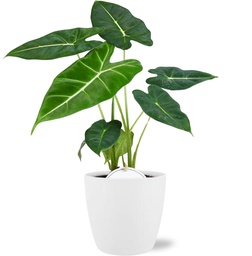
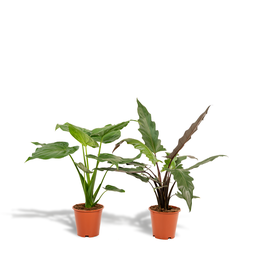
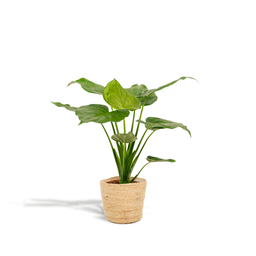
For a collection of different Alocasias, Alocasia Frydek with a suitable pot, Alocasia Cucullata and Alocasia Lauterbachiana, as well as Alocasia Cucullata and Alocasia Lauterbachiana, and Alocasia Cucullata and a basket are a good fit. These plants are not Zebrina, but they complement a tropical houseplant collection with similar care requirements.
Important note
Alocasia Zebrina contains calcium oxalate and is considered toxic to people and pets. The plant sap can irritate the skin and mucous membranes. Wear gloves when pruning or repotting, and keep the plant out of reach of children, cats and dogs.
How can you identify and correct care mistakes?
Good Alocasia care starts with a close look at the leaves, petioles and potting mix. Do not change several conditions at the same time. First check the light, soil moisture, temperature and condition of the roots.
What do yellow, brown or drooping leaves mean?
- Yellow leaves and wet soil: Check the roots for rot. Remove soft areas, repot in an airy mix and reduce the amount of water.
- Yellow leaves and very dry soil: The plant may have been left dry for too long. Water slowly and check after a few hours whether the root ball has absorbed the water.
- Brown, dry edges: The plant often lacks humidity or consistent watering. Salt deposits from fertilizer or hard water are also possible.
- Pale patches: Harsh direct sunlight can damage the leaf tissue. Move the plant to a brighter spot protected by a curtain.
- Drooping petioles: Check the soil first and then the temperature. Dryness, waterlogging and cold can all cause a similar appearance.
A single old leaf may turn yellow while the plant is producing a new leaf. Cut it off only when it is completely yellow or dry. As long as the petiole is still green, the plant draws nutrients back from it.
Which pests can affect it?
Spider mites favor warm, dry rooms. Thrips leave silvery marks and small black droppings, while mealybugs form white, cotton-like nests. Check the undersides of the leaves, young shoots and the junctions between the petioles and leaf surfaces.
Immediately isolate infested plants. Rinse the leaves with a gentle stream of water, wipe off visible pests and repeat the inspection after a few days. Cut back heavily infested plant parts with disinfected scissors.
For further treatment, you can find suitable information and products in the Pest and Plant Protection category. Use plant protection products according to the label and do not treat plants in direct sunlight. If you have pets at home, check the suitability of the treatment especially carefully.
“For houseplants, good drainage matters more than a strict watering schedule.”
How does the Alocasia Zebrina overwinter?
In autumn, light levels at the window decrease and the Alocasia Zebrina slows its growth. Some plants do not produce new leaves in winter or shed an older leaf. This does not automatically indicate a care problem, as long as the roots remain firm and there is no rotten smell.
Less water, but continued warmth
Place the plant in the brightest spot possible and keep the temperature above 18 °C. Avoid cold window panes, drafts and large fluctuations between day and night. A spot near a radiator is only suitable if the leaves are not exposed to dry, hot air.
- Check the soil before every watering and wait longer than you would in summer.
- Do not fertilize in low light, or only do so very sparingly.
- Remove yellow leaves with clean, sharp scissors.
- Regularly check the undersides of the leaves and the rim of the pot for pests.
Additional advice
If the Alocasia Zebrina loses all its leaves in winter, do not stop watering completely. Keep the root ball slightly dry, but not bone dry, and check every two to three weeks that the underground part of the plant remains firm and healthy. In spring, the plant often produces new growth when it receives warmth and light.
Cleaning and propagating the plant
Dust blocks light and can make the distinctive leaf pattern look dull. Wipe the leaves with a soft, damp cloth and support the underside of each leaf with your hand. Do not use leaf shine, as it can clog the pores and leave marks.
Propagation is possible when repotting by dividing offsets or underground runners. Only separate sections with their own roots and plant them in small, airy pots. Keep the divisions warm and slightly moist, but not wet.
Which low-maintenance alternative is suitable?
If a room is too dark, very dry or frequently unattended, an artificial plant can create the desired tropical effect. A large artificial Alocasia makes a striking statement, while at 40 cm, it fits well on sideboards or smaller occasional tables. You can find more models among the artificial plants.
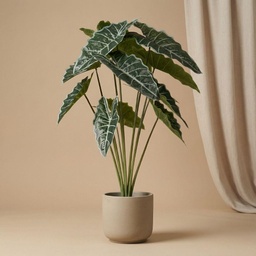
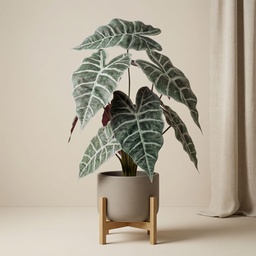
Artificial plants need neither water nor fertilizer, but they cannot replace the living growth of a real Alocasia Zebrina. For a real plant, choose the brightest suitable location, check the soil regularly and respond early to yellow leaves or pests. This will help your exotic elephant ear plant remain a striking feature for years to come.
Frequently asked questions
- How often should I water an Alocasia Zebrina?
- Check the top two to three centimetres of soil before watering. If it is dry, water slowly until some water runs out of the drainage holes, then empty the planter. The Alocasia Zebrina usually needs water more frequently in summer and considerably less in winter.
- Why does my Alocasia Zebrina have yellow leaves?
- Yellow leaves are usually caused by waterlogged soil, cold temperatures or insufficient light. First check the roots and the moisture level in the pot. Remove any soft, rotten roots, repot the plant in an airy substrate and only water again once the surface has dried.
- How much light does an Alocasia Zebrina need?
- Place the Alocasia Zebrina in a bright spot protected from direct midday sun. An east- or west-facing window works well; at a south-facing window, a sheer curtain can help. Too little light leads to small leaves and long leaf stems, while harsh sunlight causes pale, dry patches.
- Is the Alocasia Zebrina toxic to cats and dogs?
- Yes. The plant contains calcium oxalate, which can irritate the mouth, tongue and gastrointestinal tract if chewed. Keep it out of reach of children and pets. If you suspect it has been eaten, contact a veterinary practice or poison control center immediately.
- How does an Alocasia Zebrina overwinter?
- In winter, the Alocasia Zebrina should remain in a bright, warm spot, ideally above 18 °C. Water it less frequently, avoid fertilizing in low light and keep it away from cold window surfaces. If it loses a leaf, this may indicate a dormant phase. Nevertheless, check the roots and soil regularly.
You might also be interested in
- Alocasia species and care: How to grow elephant ear plants
- Exotic houseplants: Care, location and popular varieties
- How to care for houseplants: Tips for a green home
- Calathea rufibarba care: How to grow velvet Calathea
- Philodendron care: A diverse range of plants for your home
- Rubber plant care: How to grow your Ficus elastica