
In brief: Aloe vera needs a bright location without direct midday sun and well-draining cactus soil. Only water the plant once the top layer of soil has completely dried out, about every 2 to 4 weeks. Repot in spring, as soon as the roots fill the pot. This promotes healthy growth and helps prevent root rot.
Aloe vera is more than just a decorative houseplant. It is a hardy medicinal plant that stores water in its thick, fleshy leaves and grows almost by itself under the right conditions. Its easy-care nature makes it the ideal companion for plant lovers and those who want to become one. With a few basic rules about location, water and soil, your aloe vera will thrive and may even provide you with its valuable gel.
Table of contents
- The perfect location: Where does aloe vera feel most at home?
- How do you water aloe vera correctly?
- When and how should you repot aloe vera?
- The right soil and fertiliser for strong growth
- Propagating aloe vera: How to grow offsets
- Common care mistakes and how to avoid them
The perfect location: Where does aloe vera feel most at home?
As a desert plant, aloe vera loves light. But as with many succulents, there can be too much of a good thing. The right balance of light, temperature and fresh air is the key to a healthy plant.
Light requirements: Sunny, but not scorched
Place your aloe in a bright spot where it receives several hours of indirect sunlight each day. An east- or west-facing window provides ideal conditions. Direct, intense midday sun, such as at an unshaded south-facing window, can scorch the leaves. You can identify sunburn by a reddish or brown discolouration. Too little light leads to unhealthy, stretched growth known as etiolation, making the plant look weak.
The ideal temperature for your desert plant
Normal room temperatures between 18 and 25 °C are perfect for aloe vera. In summer, you can also place the plant outdoors in a sheltered spot. Gradually acclimatise it to direct sunlight to prevent scorching. As soon as night-time temperatures fall below 10 °C, the plant must be brought back indoors. It cannot tolerate frost at all.
The golden rule when watering succulents is: If in doubt, leave it.
How do you water aloe vera correctly?
The most common mistake in aloe vera care is overwatering. Its roots are prone to rot if they remain constantly wet. The right watering routine is therefore essential.
The “soak and dry” method
Water your aloe vera thoroughly until water runs out of the pot’s drainage holes. This ensures that the entire root ball can absorb moisture. Discard any excess water from the saucer. The crucial step comes next: Wait until the soil has completely dried out before watering again. In summer, this may be every two to three weeks, and considerably less often in winter.
Recognising the signs of overwatering and underwatering
Your plant will show you what it needs. Mushy, translucent or yellow leaves that rot from the base are a clear sign of too much water. Thin, curled or wrinkled leaves, on the other hand, indicate that the plant is thirsty. A healthy aloe has plump, firm leaves.
Expert tip
Check the moisture level before reaching for the watering can. Push a finger or wooden stick several centimetres into the soil. If moist soil sticks to it, wait before watering. If the stick is dry and clean, the plant can be watered.
When and how should you repot aloe vera?
Every few years, your aloe vera needs a new home. Repotting gives the roots fresh space and supplies the plant with new nutrients. It is a good time to buy garden and plant accessories such as pots and soil.
Signs that your plant needs a new home
- The roots are growing out of the drainage holes.
- The plant is top-heavy and tips over easily.
- Growth stalls during the growing season in spring and summer.
- The soil dries out extremely quickly or water runs straight through it.

Step-by-step guide to repotting succulents
The best time to repot is spring. Choose a new pot that is only about 2-5 cm larger in diameter than the old one. A pot that is too large retains moisture for too long. Important: The pot must have drainage holes.
- Preparation: Have fresh succulent or cactus soil ready.
- Remove the plant: Carefully tip the old pot and loosen the plant. If it is stuck, gently tap the rim of the pot.
- Check the roots: Remove old soil from the roots. Cut away any dried-out or mushy roots with clean scissors.
- Pot up: Add a layer of soil to the new pot, place the aloe vera in the centre and fill the sides with soil. Press the soil down lightly.
- Wait: Only water the freshly repotted plant after about one week. This gives injured roots time to heal and helps prevent rot.
The Right Soil and Fertilizer for Strong Growth
The foundation of a healthy Aloe Vera lies beneath the surface. The right substrate ensures good root aeration and prevents the dreaded waterlogging.
The Substrate: Airy and Well-Drained
Do not use regular potting soil. It retains too much water. Special cactus and succulent soil from a specialist retailer is ideal. These mixes contain a high proportion of sand, pumice or perlite, providing excellent drainage.
DIY Soil for Succulent Experts
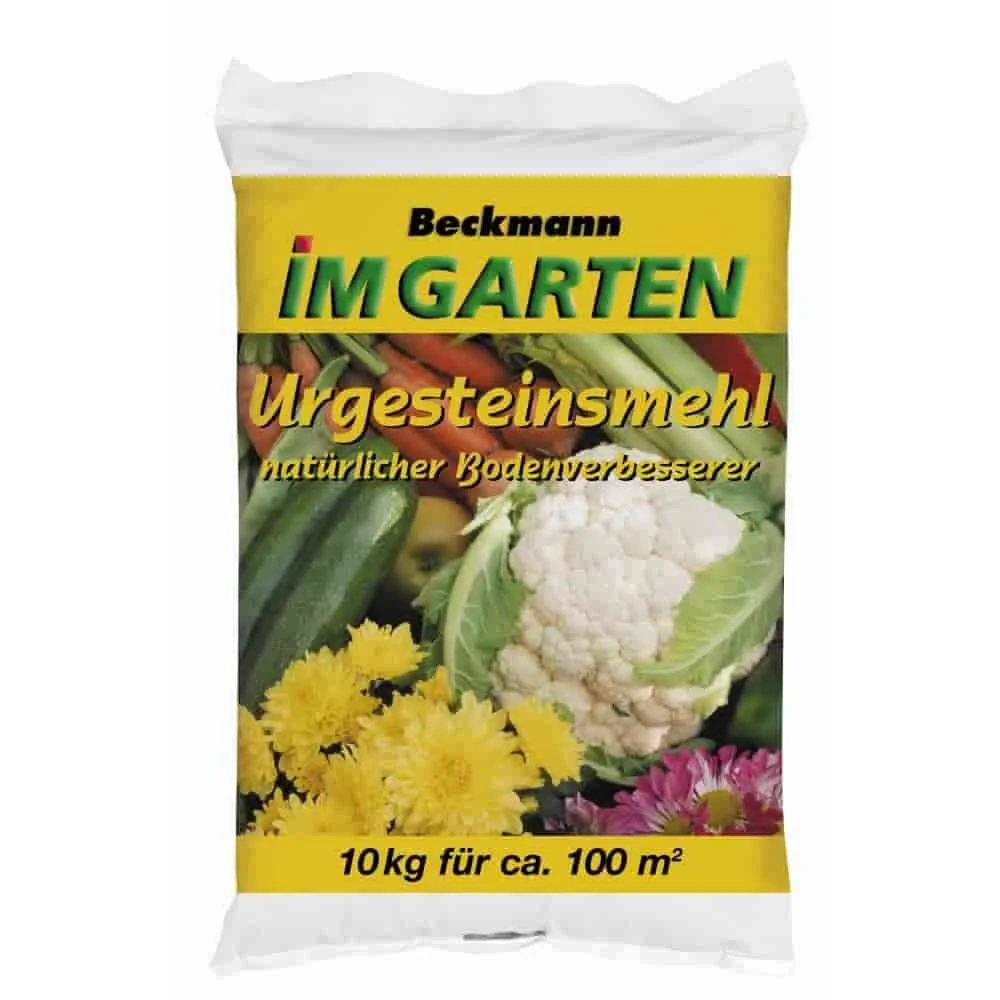
You can also mix your own substrate. A tried-and-tested mix consists of one-third regular potting soil, one-third coarse sand and one-third perlite or pumice. A pinch of rock flour, such as the , can further enrich the soil with valuable minerals and trace elements while improving its structure.
The right soil is just as important as proper watering. It must drain perfectly and provide the roots with good aeration to replicate the plant's natural habitat.
Fertilize with Care
As a desert plant, Aloe Vera is accustomed to nutrient-poor soil. It requires very little fertilizer. During the growing season from April to September, feed it approximately every four to six weeks with a special cactus fertilizer at half strength. It does not need any nutrients in fall and winter. Discover suitable plant and flower fertilizers for your needs.
Additional Tip
Dusty leaves can hinder the plant's ability to absorb light and interfere with photosynthesis. Occasionally wipe your Aloe Vera's thick leaves with a soft, damp cloth to keep them clean and healthy.
Propagating Aloe Vera: How to Grow Offshoots
A healthy Aloe Vera naturally produces small offshoots, known as pups. Separating and planting them is the easiest way to expand your plant collection or give plants to friends.

How to Separate and Prepare Offshoots
Wait until the pups have reached a size of approximately 8-10 cm and have already started developing their own small roots. Carefully lift the mother plant out of its pot to access the offshoots more easily. Separate the pups with a clean, sharp knife as close to the mother plant as possible. Leave the cut surface of the offshoot to dry in the air for one to two days. This allows a protective layer (callus) to form, preventing rot after planting.
Planting the Pups
Place the dried offshoots in small pots filled with succulent soil. Water them only very lightly and place them in a bright location away from direct sunlight. Water again only when the soil is dry. New roots will develop after a few weeks, and the offshoot will begin to grow.
Common Care Mistakes and How to Avoid Them
Even the hardiest plant will suffer from consistently poor conditions. By knowing the most common mistakes, you can easily avoid them and keep your plant healthy.
Important Note
The gel inside Aloe leaves is known for its skin-soothing properties. However, the yellowish layer directly beneath the leaf skin, called aloin, is irritating and should not be taken internally or applied to open wounds. Always separate the clear gel from it carefully.
Root Rot: The Most Common Cause of Death
Overwatering and poor drainage inevitably lead to root rot. It is always easier to save an Aloe that is too dry than one that has been overwatered. Make sure the soil is dry and the pot has drainage holes. When in doubt, water less.
Identifying and Treating Pest Infestations
Aloe Vera is fairly resistant, but it can occasionally be affected by mealybugs. You can identify them as small, white, cotton-like formations or brown bumps on the leaves. Dab the affected areas with a cotton swab soaked in alcohol. For severe infestations, you will find suitable products in the Pest + Plant Protection section.
The Many Benefits of Aloe
Caring for an Aloe Vera is more than just an enjoyable hobby. It also reminds us of the power of nature. Its soothing and moisturizing properties are reflected in many products. After caring for your plant, you can treat yourself to something special, such as a rich body lotion like the . The soothing effect attributed to the plant has even inspired products designed to promote restful sleep, such as the .


Frequently Asked Questions
- How often should I water my aloe vera?
- Water your aloe vera only when the soil is completely dry. In summer, this means about every 2-3 weeks; in winter, less often, approximately every 4-6 weeks. Check the moisture with your finger. Waterlogging must be avoided at all costs, as it causes root rot.
- Where should I place my aloe vera?
- Aloe vera prefers a bright location with plenty of indirect sunlight. An east- or west-facing window is ideal. Direct, intense midday sunlight can scorch the leaves and turn them reddish brown. Too little light causes the plant to grow tall and weak.
- When is the best time to repot aloe vera?
- The best time to repot is in spring, at the start of the growing season. Repot your aloe when the roots completely fill the pot, grow out of the drainage holes or the plant becomes unstable. Choose a pot that is only slightly larger.
- Why are my aloe vera leaves turning yellow or becoming mushy?
- Yellow and mushy leaves are the most common sign of overwatering. The roots begin to rot because they are standing in wet soil. Reduce the amount of water immediately and make sure the pot has good drainage. Always allow the soil to dry out completely.
- Can I use the gel from my aloe vera directly?
- Yes, you can apply the clear gel from inside the leaves directly to the skin, for example for mild sunburn. However, avoid the yellow liquid (Aloin) directly beneath the leaf skin, as it can irritate the skin and have a laxative effect.