
In brief: Choosing the right animal repeller depends on the species and the desired method of action. Ultrasonic devices such as the Tierschreck 360 are versatile, while mechanical solutions such as bird protection grids provide targeted protection. Specialised deterrents have proven effective for rodents. Our review shows which products perform well in practice and what to look for when buying.
Table of contents
- What types of animal repellers and traps are available?
- How do I find the right animal repeller for my problem?
- Ultrasonic devices reviewed: How well do they really work?
- Mechanical solutions and barriers compared
- Rodent deterrents: Are they any good?
- What should you look for when buying?
- Tips for effective use in the garden
Unwanted animal visitors in the garden can quickly become a nuisance. Moles undermine the lawn, birds strip fruit trees bare and cats use flowerbeds as toilets. In this 2026 review and comparison, we show you which animal repellers and traps can effectively protect your property.
What types of animal repellers and traps are available?
There is a wide range of solutions available. In principle, you can distinguish between active repellers and passive barriers or traps.
Active repellers emit stimuli that animals find unpleasant, keeping them away. These include ultrasonic devices, flashing lights and odour-based deterrents.
Passive barriers such as nets, grids and fences physically prevent access. They are particularly reliable, but are not always aesthetically pleasing or practical.
Traps catch animals alive or, in the case of snap traps, kill them. Their use is often subject to strict legal requirements, which you must observe.
How do I find the right animal repeller for my problem?
The first question is always: Which animal do you want to deter? The choice of method depends largely on the species.
For birds in fruit trees or around ponds, visual deterrents or nets are suitable. A
for example simulates a natural predator through its movement and keeps birds away.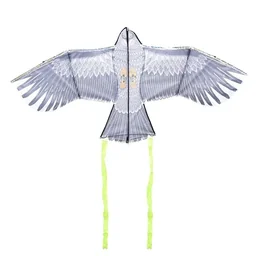
Motion-activated devices have proven effective against cats, dogs and martens. They often combine ultrasound with a flashing light, as in the tested model
. It switches on only when movement is detected, saving energy.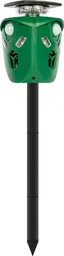
For underground animals such as moles and voles, specialised deterrents or vibration rods are an option. A classic choice here is the
, a concentrated deterrent.
Tip: Combine different methods for the best results. For example, use an ultrasonic device together with an odour-based repellent. This targets several of the animals' senses and reduces the risk of them becoming accustomed to one method.
Ultrasonic devices reviewed: How well do they really work?
Ultrasonic animal repellers promise an elegant solution: they emit sounds that are inaudible to humans but unpleasant to animals. Our review shows that quality varies considerably.
A good device such as the features a variable frequency range. This allows you to adapt the sound to different animal species. A motion-activated sensor is also useful, as it emits ultrasound only when needed. This saves battery power and prevents animals from becoming accustomed to it.
Range is another critical factor. Cheap models from discount stores often cover only a few square metres. High-quality devices can cover an entire corner of the garden. Pay attention to the manufacturer's specifications and position the devices strategically along approach paths.
Advantages and disadvantages of ultrasound
- Advantages: Unaffected by the weather, large range with good models, animal-friendly and odourless.
- Disadvantages: May also disturb pets, effectiveness varies between animal species, and obstacles such as dense bushes muffle the sound.
Mechanical solutions and barriers compared
Sometimes a physical barrier is the only reliable method. Nets and grids are particularly effective for birds or protecting seed beds.
A bird protection net over a cherry tree reliably prevents birds from damaging the crop. Special pond grids are a good choice for ponds where fish spawn. They lie over the water's surface and prevent herons or cats from gaining access.
Special wire mesh buried in the ground beneath the lawn helps against burrowing animals. This method is labour-intensive, but highly effective and durable. You can use special traps for existing molehills. Check the legal situation beforehand. In many regions, killing moles is permitted only with authorisation.
Important: With nets and grids, always make sure that they do not pose a risk of injury to animals. Use only close-mesh, sturdy materials and secure them so that no animals can become trapped. Check the barriers regularly.
Rodent repellents: how effective are they?
Repellents such as or its sister product
in a 2-pack work with natural or synthetic scents that animals find unpleasant.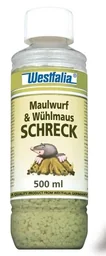
They are typically placed in mole or vole tunnels. The animals then avoid these areas. Their effectiveness depends heavily on the concentration and weather conditions. Heavy rain quickly washes out the active ingredient, so reapplication is necessary.
In our comparison, products based on lavender or garlic oils performed well. They are more environmentally friendly than chemical alternatives. Correct application according to the instructions on the packaging is essential. Distribute the product evenly and do not push it too far into the tunnels, so as not to cause unnecessary stress to the animals.
Tips for using repellents
- Apply the product in dry weather.
- Repeat the application after rainfall.
- Use the product preventively before a serious infestation develops.
- Change the product occasionally to prevent the animals from becoming accustomed to it.
What to look for when buying
Not every device is suitable for every garden problem. This checklist will help you choose.
1. Target animal: Make sure the product is suitable for the animal you want to deter. A marten repeller will not automatically work against wild boar.
2. Coverage area: Is the stated range suitable for the size of the area you want to protect? Large gardens require several devices.
3. Power supply: Choose between battery-powered, solar-powered or mains-powered models. Solar power is sustainable but requires a sunny location.
4. Weather resistance: Devices for outdoor use must be splash-proof (IPX4 or higher).
5. Animal welfare: Prefer methods that deter animals without injuring them.
The highest-rated animal repellents and traps from our range compared directly:
| Model | Customer rating | Availability |
|---|---|---|
| Bird Scare Dragon 🏆 Test winner | ★ 4,7 (10) | In stock |
| Animal repeller with ultrasonic sound + flash light "360" | ★ 4,0 (1) | In stock |
| Bird protection pond grid, 20-piece set | ★ 5,0 (12) | Currently unavailable |
| Cat and dog repeller | ★ 5,0 (1) | Currently unavailable |
| "Contra Insect PLUS", 250 ml | – | Currently unavailable |
Note: In Germany, legal regulations governing the deterrence and trapping of wild animals vary depending on the federal state and animal species. Before buying or using traps or powerful repellents, check the local regulations, for example with your local regulatory authority or lower nature conservation authority.
Tips for effective use in the garden
The best animal repeller is of little use if it is positioned or used incorrectly. These practical tips can significantly improve your chances of success.
Place active repellents such as ultrasonic devices near entry points. These could be the garden fence, a shrub or the entrance to a molehill tunnel. Keep the area in front of the sensor clear of tall grass or branches to prevent false triggers.
Change the position of your repellents at regular intervals. Animals become accustomed to a constant stimulus in a fixed location. Unpredictable positioning helps maintain the effect.
Combine different senses. A device with ultrasonic sound AND flash light like the is more effective than a sound-only device. Supplement technical solutions with natural methods from the garden, such as planting lavender to deter mice or setting up water sprinklers.
Be patient. It can take several days or weeks for animals to abandon an established territory. Consistent and versatile use leads to long-term success and helps you enjoy your garden to the fullest again.
Frequently asked questions
- Do ultrasonic animal repellents work on cats?
- Ultrasonic devices can be effective against cats, especially models with a motion-activated sensor and variable frequency range. Effectiveness depends on the individual animal and correct positioning. For the best results, combine the repeller with other methods.
- How long do mole repellents remain effective?
- The duration of action of repellents such as PRODUCT_135530 depends on the formulation and weather conditions. Reapplication may be necessary after heavy rain. Repeat the application according to the manufacturer's instructions to achieve a long-lasting effect.
- Can animal repellents with flash lights harm birds?
- Flash lights are primarily intended to deter animals and do not cause harm. They simulate a dangerous situation. However, birds may become accustomed to constant flashing. Devices with irregular intervals and combined functions such as ultrasonic sound are therefore often more effective.
- Can I use an animal repeller on a balcony?
- Yes, compact solar-powered ultrasonic devices or visual deterrents such as PRODUCT_73442 are particularly suitable for balconies. Make sure the coverage area is limited so as not to disturb your neighbours. Mechanical barriers such as nets are often the simplest solution here.
- What is the difference between deterring animals and trapping them?
- Repellers such as ultrasonic devices or scent-based products are intended to keep animals away without trapping or injuring them. Traps catch animals alive or dead. The decision depends on the animal species, the extent of the infestation and ethical considerations. Deterrence is often the first choice for preventive protection.
You may also be interested in
- Wildlife Repellers: 2026 Review & Comparison
- Fly Traps: 2026 Review & Comparison: The Best Models for Agriculture and the Home
- Plant Protection Products: 2026 Review & Comparison
- Nest Boxes and Bird Feeders: 2026 Review & Comparison
- Wasp Sprays: 2026 Review & Comparison: The Best Products Reviewed
- Solar Animal Repellers vs. Home Remedies: Which Is Better?