
In brief: Garden questions are best answered through the experience of other gardeners. We have gathered practical tips from fellow gardeners. These cover weed control, lawn care, watering, fertilising and plant protection. The solutions are tried and tested and avoid complicated theory.
Answering Garden Questions: Practical Tips from Fellow Gardeners
The best answers to garden questions often come from people who get their hands dirty. We have collected the community's smartest solutions. These tips work in practice.
How can I control weeds without chemicals?
Weeds compete with your plants for water and nutrients. A traditional hoe is hard to beat. Work in sunny weather. The pulled-up roots will then dry out quickly.
For lasting peace, lay down a durable ground-cover fabric. It smothers weed seedlings but lets water through. It is ideal under woody plants or on paths.
Expert tip
Always lay weed-control fabric on weed-free soil. Secure the edges carefully with
or large ground anchors. This prevents wind or voles from lifting it.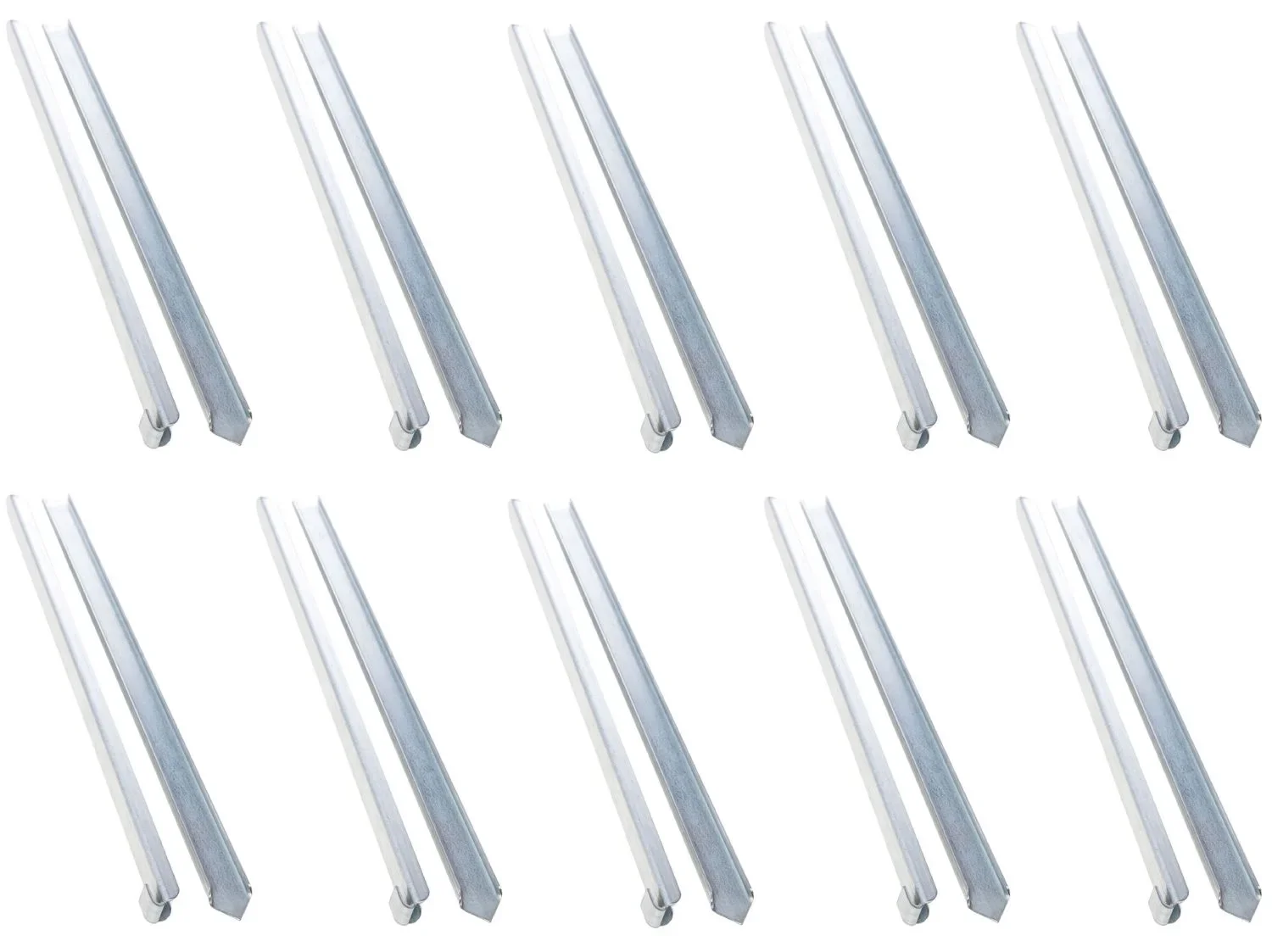
Mulch works well for beds. A layer of bark compost or shredded straw blocks out light. Weed seeds cannot germinate. The soil stays moist for longer.
Why aren't my plants thriving?
Poor growth often has three causes: light, water or soil. Check the location first. Many vegetable plants need full sun. Rhododendrons, on the other hand, prefer partial shade.
The second point is watering. Water as needed, not according to a calendar. Put your finger into the soil. If it is dry at a depth of 2 cm, it is time to water. Use systems from the watering range for efficient irrigation.
Important note
Waterlogging kills roots. Make sure the soil is well drained and that pots have drainage holes. Improve clay soil with sand and compost.
The third pillar is nutrient supply. A deficiency shows in pale leaves or poor growth. Targeted use of fertiliser can help here.
Choosing the right fertiliser
Not every plant needs the same thing. Leafy vegetables such as lettuce need plenty of nitrogen for lush green growth. Flowering plants and root vegetables need more phosphorus and potassium.
A UNIVERSAL FERTILISER covers basic needs. For specific crops such as tomatoes, roses or trees, specialist products are worthwhile.
provides trees with targeted nutrients.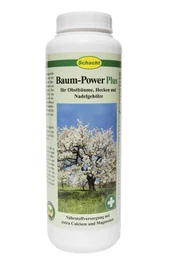
“Fertilising is like seasoning. Too little does nothing, too much burns the roots. Always follow the recommended dosage on the packet.”
How do I care for my lawn properly?
A dense, green lawn is every gardener's pride. Mow regularly, but never too short. Four centimetres is a good height in summer. Cutting too short stresses the grass and creates gaps for weeds.
Scarify once a year, ideally in April or September. Remove moss and thatch. The soil can breathe again. Water and fertiliser can reach the roots.
Additional advice
After scarifying is the perfect time for overseeding. Scatter grass seed over the bare patches. Keep the area consistently moist for a week.
Water the lawn thoroughly. Ten litres per square metre is a useful guideline. It is better to water deeply once a week than only superficially every day. This encourages deep roots.
What protects my harvest from pests?
Pests are frustrating. Prevention is half the battle. Healthy, vigorous plants are attacked less often. Use companion planting. Strongly scented herbs such as basil or lavender confuse insect pests.
Check your plants weekly. If you spot aphids early, wash them off with a strong jet of water. For caterpillars and slugs, hand-picking remains the most effective method.
Nets protect cabbages from cabbage white butterflies and fruit from birds. In our plant accessories range, you will find suitable solutions.
“A garden in ecological balance also has beneficial insects. Attract ladybirds with dill and hoverflies with cornflowers. They will reduce aphids for you.”
The role of ground cover
One often underestimated helper is ground cover.
, a durable weed-control fabric, has many benefits. It does more than just suppress weeds.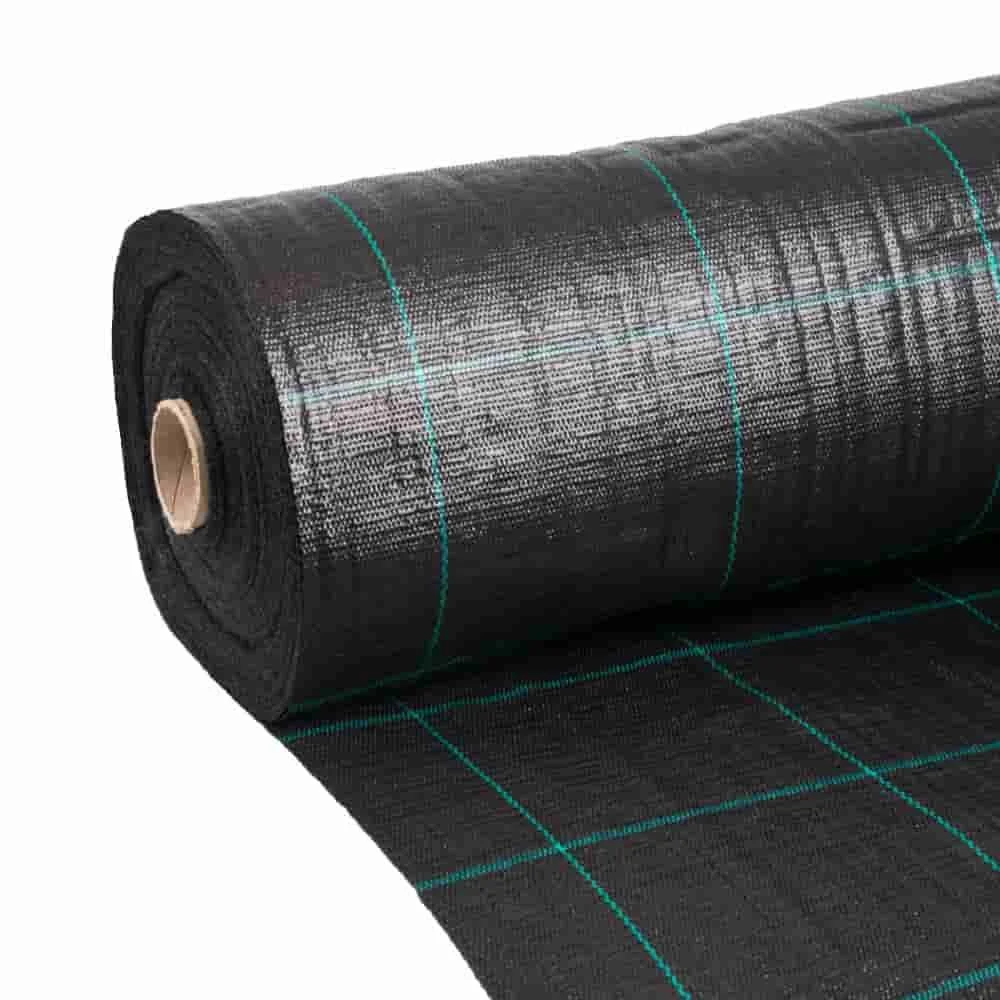
The soil underneath stays more evenly moist and cool. This protects the roots of your crops from drought stress. The soil structure improves because it does not become waterlogged and compacted.
How do I create a new garden bed?
Start by analysing the site. How many hours of sunlight does the area get? Is the soil sandy or loamy? Dig out a sample. Loosen the soil deeply, at least two spade depths.
Remove all root weeds such as ground elder or couch grass. Otherwise, they will sprout again from every piece of root. Enrich poor soil with compost or well-rotted manure.
Plan the planting. Place tall plants at the back and low-growing ones at the front. Consider their final size. Overcrowded planting encourages fungal diseases.
The right tools make the work easier. A sharp digging fork, a sturdy spade and a wheelbarrow are essential.
Practical solutions for large areas
For paths, under bark mulch or in greenhouses, large rolls of fabric are efficient. They save time during installation. The 1m x 100m roll is ideal for this.
Cut the fabric to size with a utility knife. Lay the strips with at least 20 cm of overlap. This prevents weeds from growing through the seam.
Secure the edges and seams with enough ground anchors. They are especially useful in windy corners and keep the fabric securely in place.
With these tips from experienced gardeners, you can master the most common garden questions. Success lies in regular observation and taking action at the right time. Your garden will thank you.
Frequently asked questions
- How can I control weeds in my beds effectively and permanently?
- A combination of mechanical removal and a physical barrier is most effective. Pull weeds out by the roots when the soil is damp. Then cover bare areas with a durable weed control fabric. Weigh it down with mulch or bark compost. This effectively prevents germination and suppresses growth over the long term.
- Why are my plants drying out despite regular watering?
- Often, plants are watered too frequently but only superficially. As a result, the roots do not grow deep enough. Water less often but thoroughly, until the soil is moist deep down. A layer of mulch reduces evaporation. Before watering, use your finger to check the soil moisture at a depth of 5 cm.
- Which fertiliser is suitable for vegetables, and which for ornamental plants?
- Vegetables need nitrogen-rich fertilisers to support leafy growth, such as horn meal or special vegetable fertilisers. Ornamental plants such as roses often need potassium-rich fertilisers to encourage flowering and improve frost resistance. Specialist fertilisers such as Baum Power Plus are designed for woody plants. Always read the application instructions.
- How can I keep my lawn green and healthy in summer?
- Do not mow it too short (at least 4-5 cm), as this helps protect it from drying out. Scarify the lawn in spring to remove moss. Water deeply in the morning. Applying a potassium-rich lawn fertiliser in autumn strengthens the grass for winter.
- What can I do about slugs in the garden?
- Use a combination of methods: collect slugs in the evening and after rain. Create barriers with slug pellets or slug fences. Encourage natural predators such as hedgehogs. Plant slug-resistant varieties. Keep beds free of hiding places such as boards.
You may also be interested in
- How to create a vegetable garden: Tips for beginners
- Flowers for the garden: Popular varieties and planting tips
- Growing herbs: Your guide to creating your own herb garden
- Planting vegetables: Your path to a bountiful harvest in your own garden bed
- Build and plant a raised bed: Your garden guide
- Preparing the garden for winter: Autumn tips