
In brief: Our test reveals clear differences between concentrates and ready-to-use mixtures. The right choice depends largely on your vehicle, the desired level of frost protection and the intended application. An antifreeze tester such as PRODUCT_121914 is essential for checking the correct mixture ratio. High-quality products not only prevent freezing, but also protect against corrosion and limescale deposits in the cooling system.
When temperatures drop, antifreeze becomes a key component for reliability and safety on the road. A frozen radiator or an iced-over windshield can leave you stranded and cause expensive repairs. In our 2026 antifreeze test and comparison, we take a close look at the most important products. We explain what to consider when choosing, which types are available and how to find the right mixture for your vehicle.
What types of antifreeze are available?
Not all antifreeze is the same. In general, there are two main applications: antifreeze for the engine cooling system and windshield washer antifreeze for the washer system.
Antifreeze for the engine cooling system
These products are added to the coolant. They lower the freezing point while also raising the boiling point of the coolant. Modern products such as the
or the also contain corrosion inhibitors that protect metal parts in the cooling system. They prevent deposits and ensure optimum heat transfer.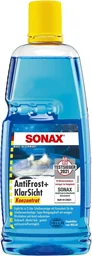
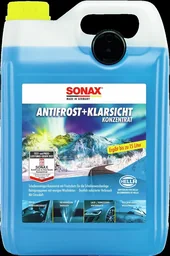
Windshield washer antifreeze (Antifrost & Klarsicht)
This fluid goes into the windshield washer reservoir. It prevents the nozzles and lines from freezing and ensures clear visibility even at very low temperatures. Products such as
often contain cleaning additives and prevent the windshield from smearing.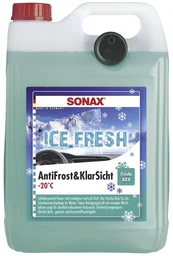
Note: Never use engine antifreeze in the windshield washer system or vice versa. The additives and concentration are designed for completely different purposes and can cause damage.
Our test criteria at a glance
In our comparison, we focus on practical features that make a noticeable difference in everyday use.
- Freeze protection: Down to what temperature does the product provide reliable protection? We check the stated sub-zero temperatures.
- Compatibility and protection: How well does the fluid protect against corrosion, limescale and deposits in the system? Material compatibility is essential.
- Handling and dosage: Is the packaging practical? Is there a spout or measuring aid? Clear instructions are important.
- Environmental impact: We look for biodegradable components and a less harmful formulation.
- Value for money: We consider the product's yield and performance in relation to its price.
A reliable antifreeze tester is an essential tool for every car owner. The
enables a quick and accurate check of the glycol content and therefore the freeze protection of your coolant.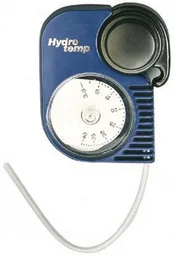
Product comparison at a glance
The following direct comparison shows the key features of the antifreeze products tested. This makes it easy to see which product best meets your requirements.
The most-reviewed antifreeze products in our range compared directly:
| Model | Customer rating | Availability |
|---|---|---|
| Hydro Temp antifreeze tester | – | In stock |
| 3-piece winter set, frost and cold protection | – | Currently unavailable |
| AntiFrost und KlarSicht - "Winter Beast" -20°C, 3 Liter | – | Currently unavailable |
| AntiFrost und KlarSicht - "Winter Beast" -20°C, 5 Liter | – | Currently unavailable |
| Antifrost & Klarsicht Concentrate 1 l - for clear visibility | – | Currently unavailable |
Correct Use and Dosage
The best antifreeze is useless if used incorrectly. Correct dosage is the key to success.
How to Mix Concentrates Correctly
For the engine cooling system, always use distilled or demineralised water for mixing. Tap water contains minerals that can cause deposits. The mixing ratio depends on the level of frost protection required. A 50:50 ratio (concentrate to water) generally provides protection down to around -37°C. Refer to the manufacturer's product table for details.
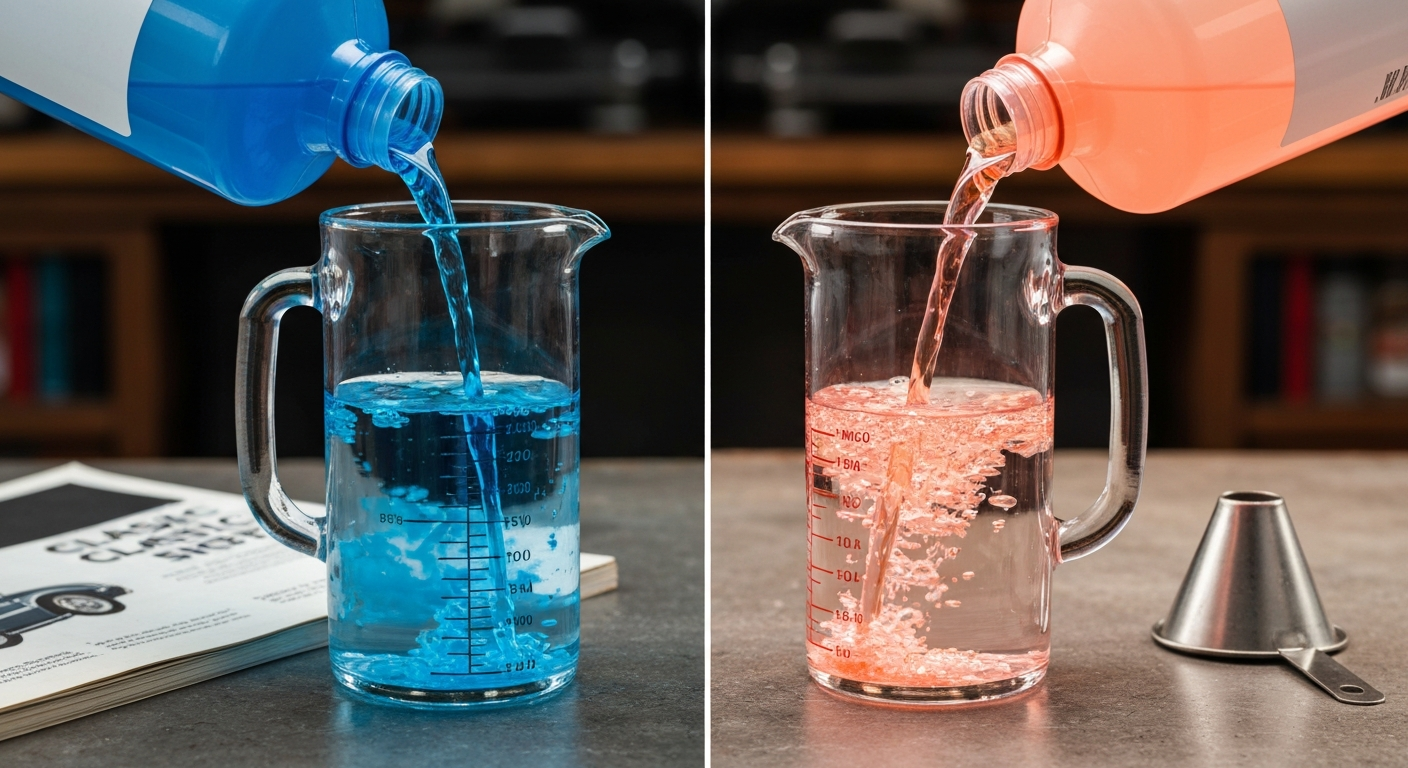
Checking and Topping Up the Level
Check the antifreeze in the expansion tank when the engine is cold. The fluid should be between "Min" and "Max". Top up if necessary. Ideally, use the same colour and technology already in the system. The entire fluid should be changed according to the vehicle manufacturer's recommended intervals.
Tip: Invest in an antifreeze tester. This simple tool, such as the , shows you within seconds whether your mixture still provides sufficient protection or needs adjustment. This helps prevent damage caused by an insufficient concentration.
Common Mistakes and How to Avoid Them
Many cooling system problems are caused by avoidable mistakes when using antifreeze.
- Mixing different colours: This is the most common mistake. The colours indicate different chemical formulations. When mixed, the inhibitors can neutralise each other and the protection may fail.
- Using the wrong mixing ratio: Too much water means insufficient frost protection. Too much concentrate can reduce heat transfer and may even become viscous at very low temperatures.
- Not changing old antifreeze: The protective effect of the inhibitors decreases over time. Over-aged antifreeze corrodes the system from the inside.
- Choosing the wrong product: Use only products suitable for aluminium engines if your vehicle has one. Some older products are unsuitable for modern engines.
Find more tips on general vehicle care in our extensive section.
Warning: Only work on the cooling system when the engine is cold! The system is pressurised and the fluid is hot. Never open the cap of the expansion tank or radiator when the engine is warm. Risk of burns!
Our Buying Guide: How to Find the Right Product
Your choice depends on three main factors: your vehicle, the regional climate zone and your personal preferences.
1. Consider the Vehicle Type and Engine
Consult your car's owner's manual. It often specifies the required antifreeze (e.g. "G12++", "G13"). Follow this specification. Older vehicles with many copper or brass components require different formulations from modern engines made predominantly of aluminium.
2. Take the Climate Region into Account
Do you live in a lowland or mild region? Then protection down to -25°C is often sufficient. For upland areas or the Alps, we recommend at least -30°C to -37°C. Also consider possible winter trips to colder regions.
3. Concentrate or Ready-Mixed Product?
Concentrates such as or take up less space, go further and allow you to set the concentration yourself. They are ideal if you are changing all the antifreeze or need large quantities. Ready-mixed products are more convenient for occasional top-ups.
Our vehicle care category contains all the products you need to care for your car comprehensively.
The Future and Trends in Antifreeze
Development is constantly advancing. Manufacturers are working on longer-lasting products that extend maintenance intervals. A clear trend is towards more environmentally friendly, more readily biodegradable glycols made from plant-based materials.
Longevity and Compatibility
The latest organic acid technologies (OAT, HOAT) offer extended protection, often lasting five years or 250.000 kilometres. They are also compatible with all common metals used in modern cooling systems.
Sustainability in Focus
The ecological footprint is becoming increasingly important. New formulations aim to reduce toxicity for aquatic organisms and improve biodegradability without compromising performance.
Whatever product you choose, regular checks are essential. Visit our dedicated antifreeze page to stay up to date. With the right product and proper care, you can get through every winter safely and reliably.
Frequently Asked Questions
- What is the difference between antifreeze concentrate and ready-mixed antifreeze?
- Concentrates contain no water and must be mixed with distilled water before use. They are often more economical and can be adjusted to the required level of frost protection. Ready-mixed products are ready to use but already contain water, making transport and storage less efficient.
- What temperature does antifreeze need to protect against?
- In Germany, protection down to at least -25°C is recommended. Regional differences and extreme cold spells should be taken into account. Many products provide protection down to -30°C or -37°C. The correct mixing ratio is crucial – too little concentrate significantly reduces the level of protection.
- Can I top up antifreeze without draining the old fluid?
- Yes, you can top it up provided you use the same product and the same colour. Never mix different colours or technologies (e.g. organic and inorganic acids), as this can cause chemical reactions and damage. Always check the level of frost protection with a tester before topping up.
- How often do I need to change the antifreeze in my car?
- Change intervals vary depending on the type of product. Conventional products should be changed every two years, while modern long-life antifreeze often only needs changing after four to five years. Always consult the manufacturer's specifications for your vehicle and antifreeze to determine the exact interval.
- Why is antifreeze available in different colours?
- The colour is primarily used for identification and indicates the underlying technology (e.g. blue/green for inorganic, red/orange/yellow for organic acids). It is not an indicator of quality. Do not mix different colours, as the additives may be incompatible and lose their protective effect.
You May Also Be Interested In
- Sun Protection Test & Comparison 2026: The Best Solutions Reviewed
- Pipe Frost Protection: How to Keep Your Pipes Ice-Free
- Car Cool Boxes Test & Comparison 2026
- Heater Test & Comparison 2026: The Best Models Reviewed
- Wheel Cleaner Test & Comparison 2026
- Monitor Test & Comparison 2026: The Best Models Reviewed