
In brief: The most effective way to get rid of aphids on roses is to remove them physically with a strong jet of water. Then treat the plants with homemade sprays made from pure soap, neem oil or nettle tea. These remedies suffocate the aphids or act as natural insecticides without seriously harming beneficial insects. Regular checks and early treatment are essential.
Aphids on Roses: Effective Home Remedies
Aphids feed on young shoots and buds. They weaken the rose and leave behind sticky honeydew. This attracts sooty mould. You do not need to resort to harsh chemicals. Many home remedies work reliably and gently.
Expert tip
Act as soon as you spot the first aphids. An early infestation is easier to control. Check the shoot tips and young leaves regularly. This is where colonies appear first.
How can I recognise an aphid infestation on my roses?
The pests are often green, black or reddish. They cluster around soft shoot tips, buds and the undersides of young leaves. Typical signs of damage include distorted, curled leaves. A shiny, sticky coating on the leaves is honeydew.
Black sooty mould grows on these sugary secretions. It reduces photosynthesis. Ants often crawl up the stems because they feed on the honeydew produced by aphids. Ants are therefore an indirect sign of an infestation.
Why are roses particularly susceptible to aphids?
Roses produce soft, juicy growth in spring. This is ideal for the aphids' piercing and sucking mouthparts. Roses that are over-fertilised with lots of nitrogen produce especially lush shoots. These attract pests in large numbers.
Monocultures and a lack of beneficial insects encourage large infestations. Healthy roses suited to their location and grown in mixed plantings have fewer problems. The right rose care and fertilisation is therefore the best foundation.
Aphids are a symptom, not the cause of the problem. Strengthen the plant and many issues will resolve themselves. A wildlife-friendly garden with plenty of flowers for beneficial insects is the most effective form of plant protection.
Which home remedies work immediately against aphids?
You do not need expensive specialist products. Many effective ingredients can be found around the home. They are easy and inexpensive to use.
1. The water shock: simple and mechanical
Set your garden hose to produce a narrow, powerful jet. Spray the infested shoots thoroughly. The force of the water knocks the aphids off the plant. Many do not survive the fall.
Repeat this method on several consecutive days. Pay particular attention to the undersides of the leaves. Work in the early morning. This allows the leaves to dry quickly. Wet foliage overnight encourages fungal diseases.
2. Pure soap or potassium soap solution
This is the classic home remedy. Dissolve about 15 grams of pure soft soap or potassium soap in one litre of warm water. Allow the solution to cool, then pour it into a spray bottle.
Spray the aphids thoroughly. The soap solution forms a film over their bodies, blocking their breathing openings. The aphids suffocate. The solution must come into direct contact with the pests.
Important note
Use only unscented pure soap or potassium soap. Modern washing-up liquids, hand soaps and detergents contain fragrances, enzymes and brighteners. These can damage rose leaves and pollute the soil.
Never spray in bright sunshine. Water droplets act like magnifying glasses and can scorch the leaves. Choose an overcast day or spray in the late evening. After a few days, rinse off the soap residue with clean water.
3. Neem oil: the natural insecticide
Neem oil is extracted from the seeds of the neem tree. It works systemically. The rose absorbs some of the active ingredient azadirachtin. Aphids that feed on it stop developing and reproducing.
Mix 5 millilitres of neem oil with one litre of water and a few drops of washing-up liquid as an emulsifier. Shake the mixture well. Spray the plant every five to seven days. Neem oil also works against other sap-sucking insects.
How do I prepare plant teas and liquid manures correctly?
Fermented extracts from certain plants strengthen your roses and repel pests. They act as a natural fertiliser and protective treatment in one.
Nettle manure: strengthening from within
You need fresh nettles, water and a large bucket. Chop about one kilogram of nettles. Cover them with ten litres of water. Loosely cover the bucket.
Stir the liquid manure daily. Fermentation is complete after one to two weeks. The strong smell disappears. You can tell it is ready when bubbles stop forming. Dilute the liquid manure with water at a ratio of 1:10.
Water your roses with this mixture every two weeks. The manure provides nitrogen and silica. This strengthens the cell walls and makes the plant more resilient.
Horsetail tea against fungal diseases and aphids
Common horsetail contains plenty of silica, which hardens plant tissue. Cover 150 grams of fresh or 30 grams of dried horsetail with one litre of water. Leave the mixture to steep for 24 hours.
Then boil it for 30 minutes. Strain the tea and dilute it at a ratio of 1:5. Spray the roses every 14 days as a preventative measure. The tea also works against powdery mildew and rust.
Additional advice
Make an infusion from tansy or wormwood. These herbs contain powerful bitter compounds that deter many insect pests. Spray the roses when an infestation first appears.
Which beneficial insects can control aphids for me?
The best protection is a balanced ecosystem. Encourage natural enemies of aphids in your garden. They help keep the population under control.
Ladybirds and their larvae are the best-known predators. A single larva eats up to 800 aphids during its development. Lacewing larvae are also known as aphid lions. Hoverfly larvae are equally effective.
Plant umbelliferous herbs such as dill, fennel and chervil. They provide nectar for adult beneficial insects. Leave nettles growing in a corner of the garden. They are important host plants for butterflies and provide valuable habitat.
Earwigs feed on aphids at night. Hang upside-down terracotta pots filled with wood wool in the rose bushes. These make perfect shelters for beneficial insects.
Chemical insecticides often kill all insects, including the helpful ones. After they are used, aphid populations often explode because their natural predators are gone. Choose targeted, gentle control methods.
How can I prevent an infestation in the long term?
Prevention is the key to healthy roses. Create conditions that are unfavourable to aphids and strengthen your plants.
The right site and soil care
Roses need plenty of sun and airy locations. Closely planted, stuffy beds encourage pests. Make sure the soil is rich in nutrients and well drained. A layer of mulch made from compost or bark humus helps retain moisture.
Feed your roses with a special rose fertiliser. It contains all the necessary nutrients in the right proportions. Do not over-fertilise with nitrogen. This makes the shoots soft and more susceptible.
Water regularly and thoroughly at the roots. Avoid overhead watering. Wet foliage encourages fungal diseases. A reliable irrigation system can help.
Plant thoughtfully: companion planting helps
Do not grow roses as a monoculture. Plant lavender, sage or catmint alongside them. Their essential oils have a deterrent effect on aphids. Garlic and onions planted nearby have a similar effect.
Use marigolds and nasturtiums to lure aphids away from the roses. These plants act as a decoy. You can simply remove them later.
When are professional plant protection products useful?
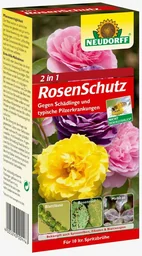
In cases of extremely severe, recurring infestations or for particularly valuable roses, targeted products may be necessary. In this case, choose gentle products that are safe for beneficial insects.
is a ready-to-use fungicide and insecticide specially formulated for roses. It combats aphids and common fungal diseases such as black spot and powdery mildew at the same time. The ready-to-use spray bottle makes application easy.is a combo pack with long-lasting protection. One product protects against fungi, while the other combats sucking and biting insects. Applying them separately allows you to target the current problem precisely.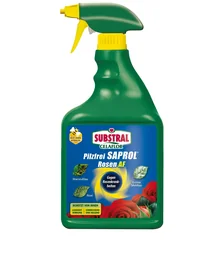
Sharp tools are important for essential maintenance work such as removing infested shoots. A
offers the right scissors for precise cuts. Clean cuts heal faster and reduce entry points for diseases.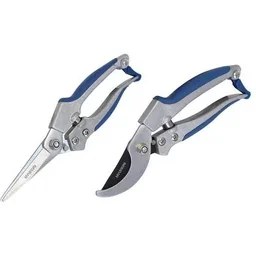
Use all products responsibly, whether homemade or purchased. Follow the instructions for use. Protect yourself. Concentrate on the infested areas. Completely wetting the garden is unnecessary and harms the ecosystem.
You can find more aids for a healthy garden in our pest control and plant protection category. For all your other garden projects, take a look at our extensive Garden + Outdoor section.
Frequently asked questions
- Which home remedy works fastest against aphids on roses?
- The quickest mechanical method is to spray them off with a strong jet of water. For a longer-lasting effect, mix a solution of 1 Liter of water and 15 ml of soft soap. Spray the infested shoots thoroughly, especially the undersides of the leaves. The soap solution coats the aphids and blocks their breathing openings.
- Does soft soap solution harm roses or the soil?
- When correctly diluted, a soft soap or potassium soap solution does not harm roses. Do not use modern washing-up liquids or perfumed soaps. These can damage the leaf surface. Apply the solution only in overcast conditions or in the evening to prevent scorch damage. Rinse the plants with clear water after a few days.
- How often do I need to treat my roses with home remedies?
- Treat your roses every two to three days as long as an infestation is visible. Repeat the application after a rain shower. Home remedies often work only on direct contact and do not provide long-lasting protection. Therefore, check your plants weekly for early signs during the main growing season.
- Can I use baking soda against aphids on roses?
- Experts advise against using baking powder or baking soda as a spray. Its alkaline effect can damage sensitive rose leaves and affect the soil's pH value. Instead, use proven products such as neem oil or rapeseed oil preparations, which are gentler and target the pests specifically.
- Which beneficial insects provide long-term control of aphids in the rose garden?
- Ladybird larvae, lacewings and hoverflies are effective aphid predators. Encourage them with flowering herbs and diverse planting. Earwig houses provide beneficial earwigs with shelter. Avoid broad-spectrum insecticides, as they also kill these helpful insects.
You may also be interested in
- Control aphids effectively: natural remedies & tips
- Treating aphids with milk: the natural solution
- Identify and control aphids: effective strategies for your garden
- Treating aphids on hibiscus with home remedies
- Control scale insects & mealybugs with home remedies
- Garlic spray for aphids: effective natural protection