
In brief: In April, paying close attention to the weather is the first step toward a climate-resilient garden. Watch for local frost, dry spells and heavy rain, then adjust your sowing, planting and care. Choose hardy native perennials and shrubs that can handle these conditions. The result is a more resilient garden that needs less hands-on care.
April Gardening: How to Build a Climate-Resilient Garden by Observing the Weather
April is no time for a one-size-fits-all approach. Unpredictable weather—from late frosts and sunny days to heavy rain—can challenge gardeners. But paying attention to these changes makes April a key month for creating a garden that can withstand climate change. This is where you start building resilience into your garden.
Expert tip
Keep a simple gardening journal. Record the temperature, rainfall and how your plants respond each day. After two years, you'll recognize patterns in your garden's microclimate and can fine-tune your planting dates.
How should I observe the April weather?
Observing the weather means more than checking a smartphone app. It helps you learn the unique conditions in your garden. Place a simple thermometer in the shade, and measure soil temperature at a depth of 5 cm. Soil temperature determines whether seeds will germinate.
Notice where cold air settles in the evening, and avoid those frost pockets when planting tender plants. Pay attention to wind direction, too. Easterly winds often bring dry, cold air, while westerly winds bring mild, damp air. This local information can be more useful than a general regional forecast.
Experienced gardeners think in terms of microclimates. A sheltered south-facing wall can give plants a head start of several weeks. A cold north-facing slope calls for patience. Choose plants to suit the location, not the other way around.
Recognizing late frost and taking action
Clear, calm nights after warm days can bring frost. Heat escapes quickly from the ground. Check the forecast for the dew point and frost warnings, and act as soon as one is issued.
Cover young plants with row cover or pots. Lightweight garden row cover provides reliable protection without crushing plants. Avoid watering on these evenings; wet soil cools more quickly. These quick steps can save your harvest.
Why is April the best time to plant climate-resilient plants?
Soil conditions are just right. The ground has thawed after winter but is still moist enough for plants to establish themselves. They can develop their root systems before summer arrives. Deep, healthy roots are the best defense against drought.
Now is the time to plant perennials and shrubs that can handle extreme conditions. Deep-rooted plants such as mullein and hollyhocks reach water in the lower soil layers. Plants with silvery foliage, such as santolina, reflect heat. April is a good time to make these choices.
Important note
Never plant container-grown plants in frozen or waterlogged soil. Loosen the soil thoroughly and work in compost to improve drainage and water retention. This helps prevent waterlogging and drought stress.
Choosing the right species
Set short-lived trends aside for a moment, and choose proven native plants. They're adapted to local weather fluctuations. Sedums, meadow sage and catmint bloom for a long time and need little water.
For lasting structure, plant native shrubs and trees such as field maple or hawthorn. They provide habitat for wildlife and can handle changing conditions. Find suitable planting accessories in our garden tools category.
How should I plan seasonal care in April?
Caring for a climate-resilient garden is about strengthening plants, not controlling them. The goal is a self-sustaining system. Start with the soil—it's your most important partner.
Work compost into the surface once the topsoil has dried out. This supports soil life and improves soil structure. After planting, add mulch made from grass clippings or shredded material. Mulch helps prevent the soil from drying out and keeps weeds down.
Healthy soil holds water like a sponge. Spring care should focus on preserving that capacity. Organic matter is the key.
Managing irrigation intelligently
Change how you water: water less often, but deeply when you do. This encourages roots to grow deeper. Check the soil moisture at a depth of 10 cm before watering.
Install a rain barrel. Rainwater is soft and ideal for plants. When planning new plantings, choose drought-tolerant plants from the start. This reduces the work involved in the long run. Find ideas for suitable systems under garden hoses & irrigation.
Which protective measures are important now?
Protecting plants doesn't mean coddling them. It means shielding them from sudden weather extremes so they can adapt. You only need a few simple tools.
A
(mesh crop tunnel) extends the growing season for lettuce and kohlrabi. It protects plants from cold winds and reduces the effects of overnight frost. A (coconut plant protection mat) insulates the soil around newly planted shrubs and helps retain moisture.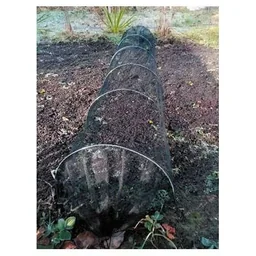

Additional advice
Remember to protect yourself, too. Long gardening sessions in April, when the weather is often still cool and wet, can strain your joints. A
(garden kneeling pad) makes planting and weeding more comfortable, helping you stay comfortable in the garden for longer.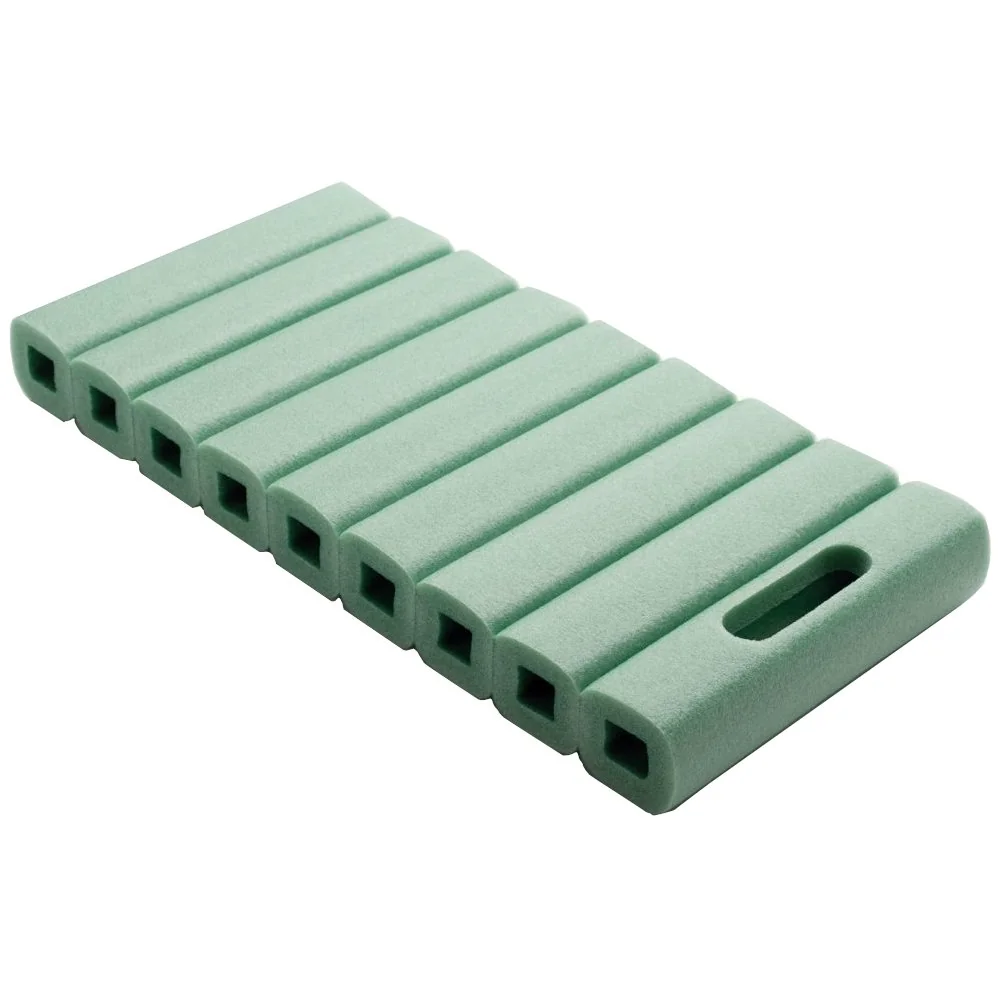
Planning wind protection and shade
Strong April winds can break young shoots and dry out the soil. Plant hedges or install wind-permeable fencing for long-term protection. For quick protection, clear covers work well and can also be used on cold frames.
Plan ahead for summer. Where does the midday sun beat down? A well-placed patio umbrella or a fast-growing annual shade plant such as runner beans can protect sensitive plants.
How do I incorporate observation into long-term garden planning?
Your April notes are the foundation for planning next year. Which vegetables thrived despite the cold spell? Which perennial coped best with summer drought stress? These plants are your champions.
Rotate your vegetable beds to prevent disease and avoid depleting the soil unevenly. Plan companion planting. It uses nutrients more efficiently and naturally deters pests. Find the right helpers in the plant fertilizer category.
Seeing the garden as an ecosystem
Encourage beneficial insects. Plant early-flowering hedges such as Cornelian cherry to provide food for the first bees. Leave a wild corner with nettles for butterfly caterpillars. A diverse ecosystem is more resilient to disruption.
Accept a little less perfection from time to time. A few aphids attract ladybugs. A wilted leaf does not need to be removed immediately. This slightly wilder garden copes better with stress and rewards you with more life.
April teaches patience and attentiveness. Use this time not just to cultivate your garden, but to get to know it. The reward is a resilient space that becomes easier to maintain and more beautiful with every passing year.
Frequently asked questions
- Which plants are particularly climate-resilient for my garden?
- Choose native, deep-rooted perennials such as coneflower, catmint or lavender. They cope better with drought. Hardy woody plants include field maple and hornbeam. Avoid exotic species with high water requirements. A well-planned mix creates resilience. Find out more about choosing plants in our garden and plant accessories category.
- How can I protect my plants from late April frosts?
- Keep a close eye on local weather forecasts. Cover tender crops such as young tomato plants or beans with garden fleece or a plant protection tunnel. Do not water on evenings when frost is expected. Move potted plants close to the house wall. These measures reliably protect young shoots.
- How should I adjust watering in April when the weather is changeable?
- Water less often but thoroughly. This encourages deep roots. Check the soil moisture with your finger before watering. On cool, overcast days, plants often need no water at all. Collect rainwater. The right technique saves resources and strengthens your plants. Discover suitable solutions in our garden watering range.
- What is the most important lawn care task in April?
- Scarify the lawn in dry weather to remove moss and thatch. Then apply lime if the soil is acidic to regulate growth. Reseed bare patches with a robust lawn seed mix. This care routine prepares the lawn for periods of hot weather. Products such as lawn lime can help.
- Can I sow vegetables outdoors in April?
- Yes, but selectively. Sow frost-hardy varieties such as radishes, spinach, carrots or peas directly in the bed. Wait until after the last frosts before planting heat-loving vegetables such as zucchini. Use cold frames or plant protection cloches for an earlier harvest. Soil temperature is more important than the calendar date.
You might also be interested in
- April gardening jobs: Getting the gardening season started
- Garden planning with a weather station: Data for optimal growing
- Garden calendar: What can you safely do after the last frosts?
- The start of spring: When the gardening season really begins
- May gardening jobs: Your complete garden calendar for 2024
- Climate-resilient gardening: Ready for the future