
In brief: Geraniums (pelargoniums) are not bee-friendly plants because their double flowers often offer no accessible nectar or pollen. Many cultivars keep insects out with dense layers of petals. For an insect-friendly garden, choose single-flowered native plants with open blooms instead.
Are Geraniums Bee Friendly? Why Bees Avoid Them
Geraniums brighten millions of balconies. Their hardiness and long flowering season make them popular. However, most geraniums offer little for bees and other pollinators. Put simply, they provide no food. This article clears up the misconception and shows you better alternatives for a thriving garden.
What Makes a Plant Bee Friendly?
Bee-friendly plants, also called forage plants, provide two essential resources: nectar and pollen. Nectar is a sugary liquid rich in energy. Pollen supplies the protein and fat needed to raise young. These resources must also be accessible to insects.
That means flowers need to be open. Bees, bumblebees and butterflies must be able to reach the nectaries with their mouthparts or proboscises. The pollen-bearing stamens must be accessible, too. Many modern ornamental plants have been bred without these features.
Expert tip
Watch your flowers. Are insects buzzing around them? That is the best indicator. If insects avoid the blooms, they may be an ecological dead end. Replace these plants gradually.
The Problem with Modern Geranium Cultivars
Botanically speaking, the plants we call balcony geraniums are pelargoniums. Most varieties sold in stores are hybrids. For decades, breeders have selected them for appearance, weather resistance and a long flowering season. Their value to insects was not a priority.
Double Flowers: Beautiful to Us, Useless to Bees
The main problem is double flowers. Breeders have increased the number of petals until they cover the plant's reproductive organs. The stamens and stigmas are often stunted or completely hidden by petals.
For insects, these flowers are a closed door. They can find neither nectar nor pollen. Even if the plant produces both, insects cannot reach them. The plant is sterile and relies on vegetative propagation from cuttings. It offers no value to nature.
“Many pelargonium varieties sold on a massive scale today are as useful to the insect world as a plastic bouquet. They look like flowers, but fulfill none of their ecological functions.”
Why the Misconception Is So Widespread
Many gardening enthusiasts think geraniums are good for insects because they bloom so profusely and colorfully. The logic seems simple: more flowers mean more food. But that is a misconception. The floral display is purely for human enjoyment.
There is also a naming mix-up. The true hardy perennial “Geranium” (cranesbill) is often bee-friendly. The annual balcony plant “Pelargonium” (geranium) usually is not. The names are often confused in everyday conversation, leading to mistaken assumptions.
Important note
Not all pelargoniums are completely sterile. Some old-fashioned single-flowered varieties and scented pelargoniums may produce small amounts of nectar. However, they are not a reliable food source. Do not rely on these exceptions when planning an insect-friendly garden.
Better Choices: Plants That Attract Bees
Replace some of your geraniums with reliable bee-attracting plants. There are plenty of beautiful, useful options. When shopping, look specifically for single flowers.
Classic Choices for Window Boxes and Containers
- Heliotrope: Intensely fragrant, with violet flowers that are especially attractive to butterflies.
- Trailing lobelia (Lobelia erinus): Small blue or white flowers, ideal for hanging baskets or as an underplanting.
- Verbena (Verbena): Long, flat flower clusters that are perfect for bees with short proboscises.
- Calibrachoa: Resembles petunias but offers open blooms.
For healthy growth, these flowering plants need the right nutrients. A balanced liquid fertilizer gives them the strength they need.
Perennial Plants for Beds and Gardens
Think long term. Perennials come back every year and provide a reliable food source for insects. Great starter plants include lavender, sage, catmint and coneflower (Echinacea). They are easy to care for and drought-tolerant.

Sweet alyssum is a perfect example. Its honey-sweet fragrance attracts bees from a distance. It forms carpets and works well in rock gardens, along bed edges and on dry-stone walls. It is one of the most reliable bee-friendly plants.
Additional advice
Choose plants with staggered bloom times. Plant early-, mid- and late-season varieties to provide food from March to October. Do not forget late-blooming asters or ivy, which provides an important final source of forage in fall.
Your Garden as a Habitat: More Than Just Flowers
Insect-friendly gardening takes a whole-habitat approach. In addition to food plants, insects need nesting sites, water and shelter. Create a variety of habitats and features.
A bee hotel provides nesting tubes for solitary wild bees. Place it in a sunny spot sheltered from rain. A shallow dish of water with stones gives insects a place to drink. Leave deadwood in one corner or keep a patch of sandy soil exposed for ground-nesting bees.
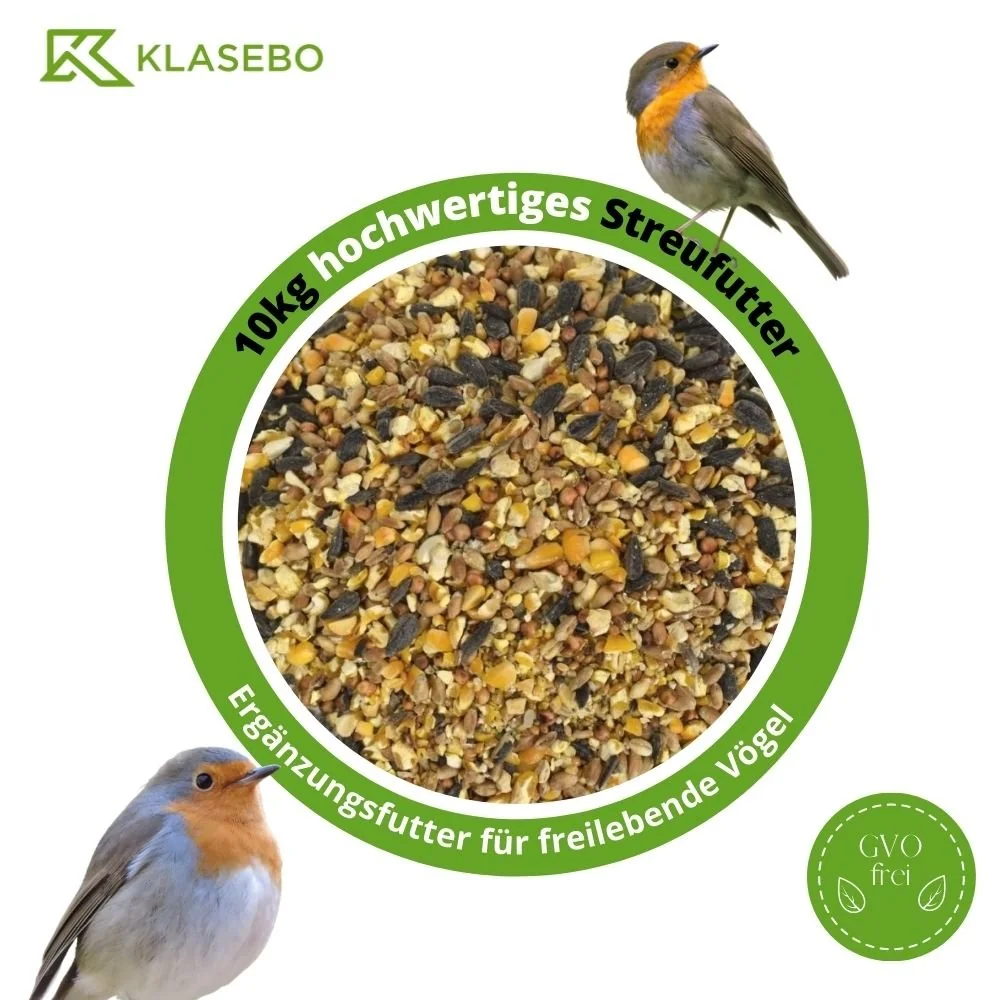
Think about other animals, too. Bird food like this seed mix supports birdlife, which in turn helps control pests. A healthy garden is an interconnected ecosystem.
“Every square meter counts. A balcony with the right plants, a front garden without gravel, an unsprayed wildflower meadow – these islands are lifelines in a depleted landscape. Animals find them and make use of them.”
Practical care for a vibrant garden
Proper care makes all the difference. Avoid chemical insecticides and broad-spectrum herbicides, which directly harm beneficial insects. If pests appear, use mechanical methods or targeted biological products from specialist retailers for plant protection.
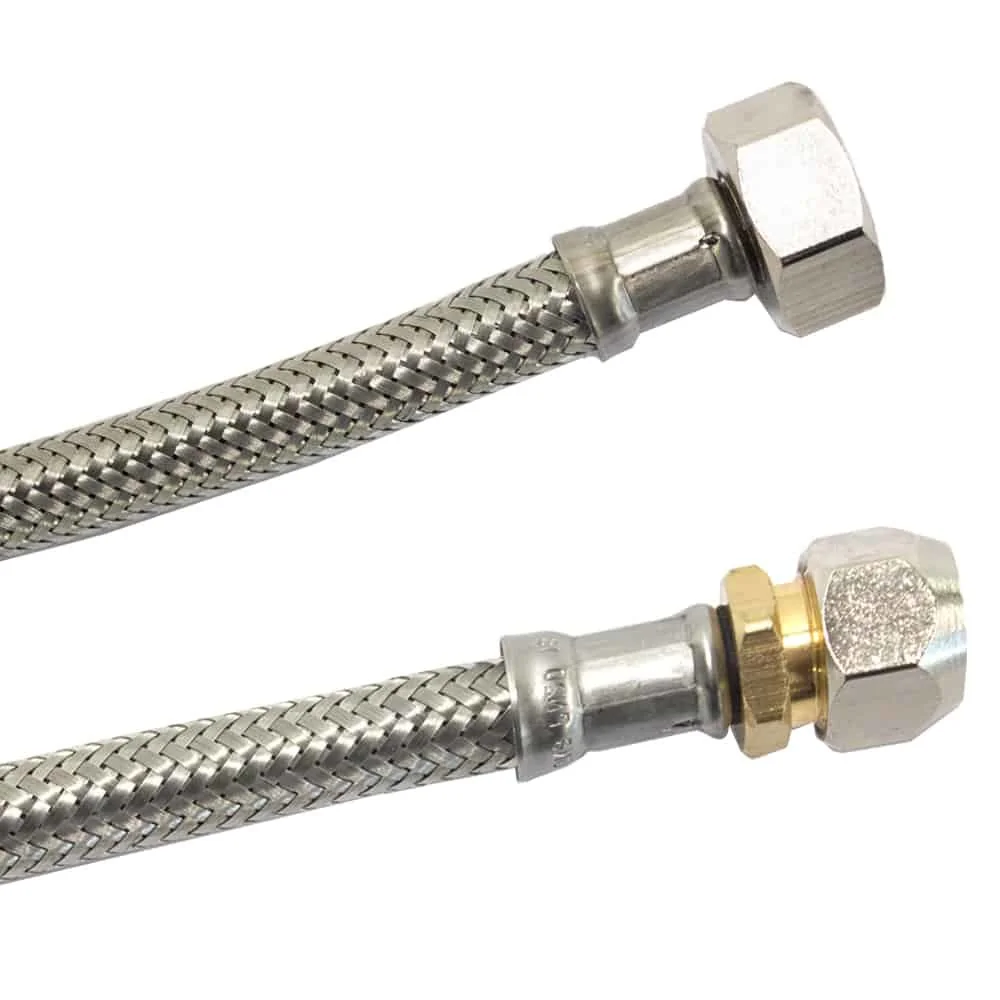
Water precisely. A soaker hose or drip irrigation system saves water and moistens the soil rather than the leaves, helping prevent fungal diseases. A high-quality stainless steel braided hose such as the
Protection and winter care: preparing your garden
Protect your investment in a beautiful garden. Sensitive container plants, patio furniture, and ponds need protection during winter.
A sturdy tarp such as the
protects patio furniture or stored lumber from moisture and frost. For ponds, a protective net such as the keeps falling autumn leaves from fouling the water. It is tear-resistant and UV-stable.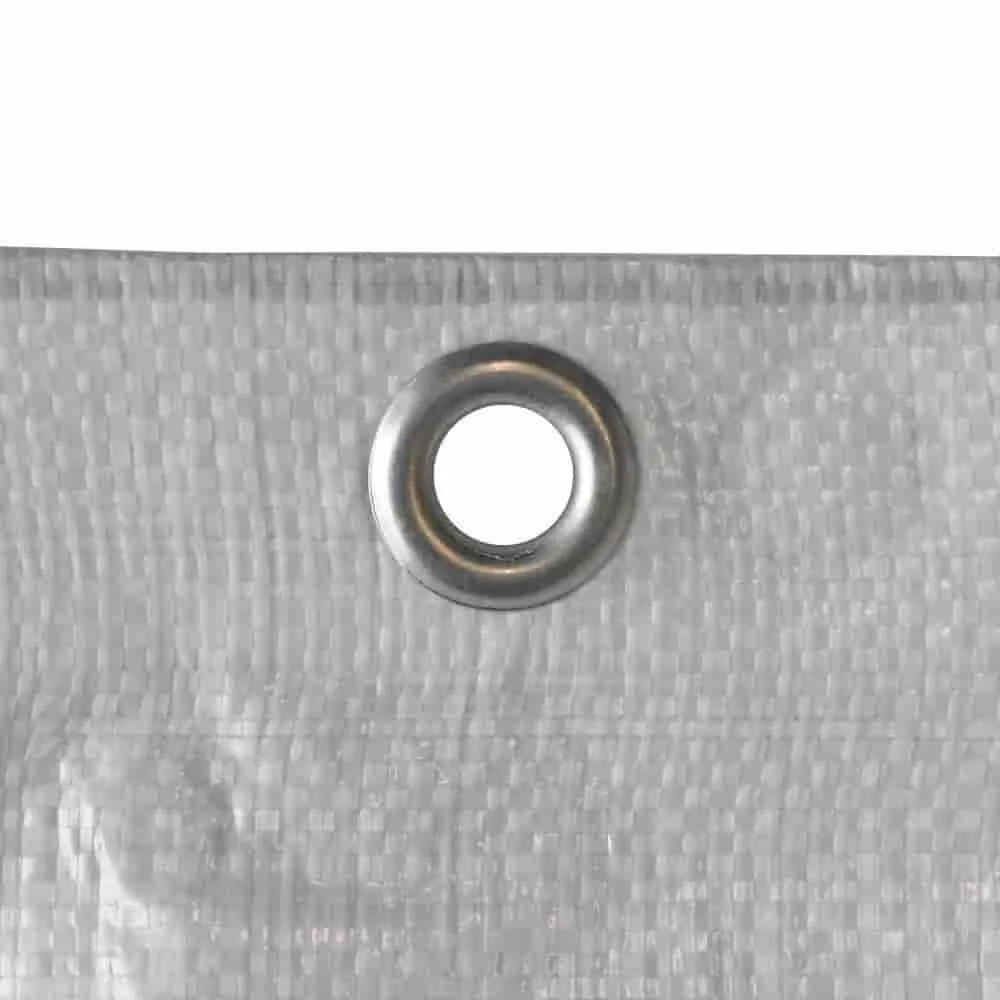
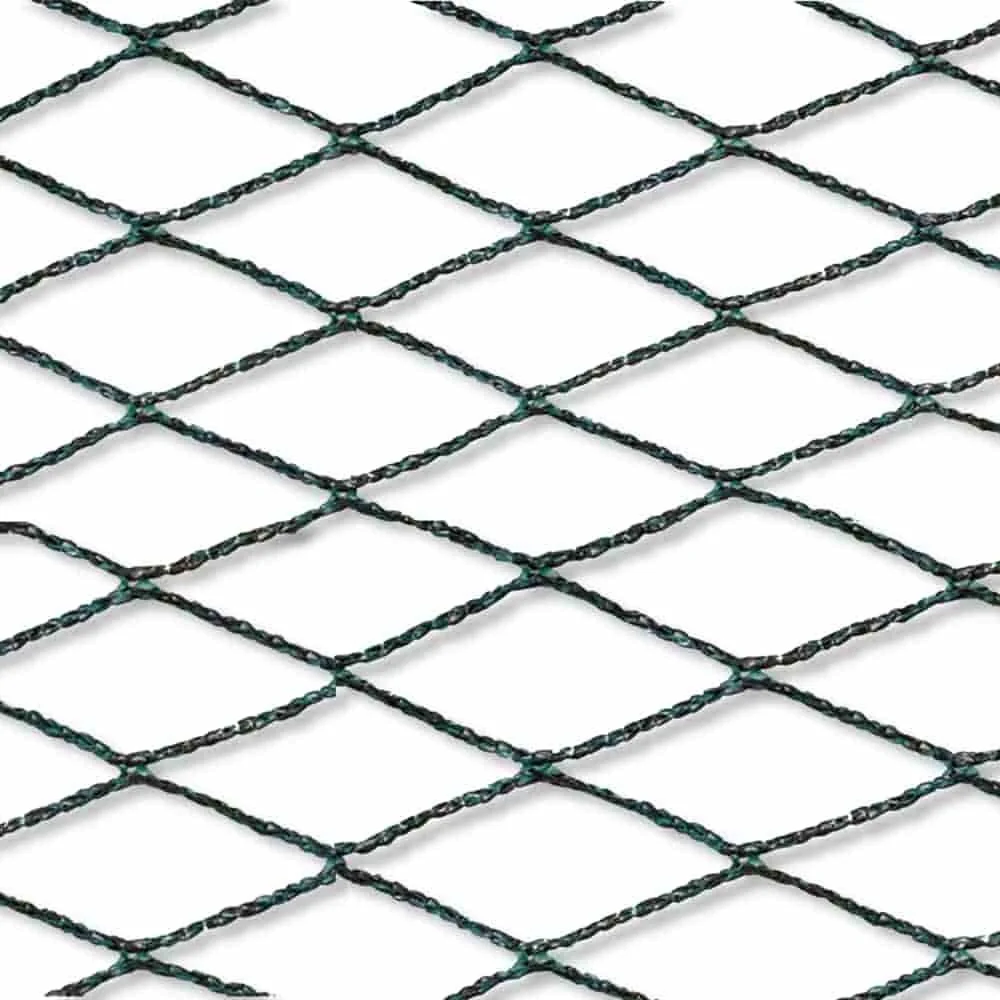
You can find these products in our tarps and netting category. The right cover can significantly extend the life of your garden equipment.
Conclusion: make a conscious choice for more life
Geraniums are beautiful, easy-care ornamental plants. However, they do little to support biodiversity. Choose consciously: do you want decoration alone, or a vibrant, buzzing garden?
The switch is easy. Start with a window box full of bee-friendly flowers and see the difference for yourself. You will not only help bees, but also enjoy nature more. Every plant counts.
Frequently asked questions
- Why don't bees visit geraniums?
- Bees usually don't visit geraniums because many modern varieties have double flowers. Their dense layers of petals block access to nectar and pollen. As a result, geraniums offer no food for bees, bumblebees, or other pollinators.
- Are there bee-friendly geraniums?
- True bee-friendly geraniums are rare. You may occasionally find older varieties with simple, open flowers. However, classic bee-friendly plants such as lavender, sage, or single-flowered garden plants are a safer choice and reliably provide food.
- Which balcony plants are good for bees?
- Bee-friendly balcony plants have simple, single flowers. Good choices include nasturtiums, verbena, lobelia, culinary herbs such as thyme and marjoram, and fertilized marigolds (Tagetes). They provide nectar and pollen.
- Do geraniums harm bees?
- Geraniums don't actively harm bees; they simply offer them no benefit. They create an ecological dead end. Bees waste energy searching for food that isn't there. Plant valuable nectar sources instead and support insects with a bee hotel.
- How can I identify a bee-friendly plant?
- A bee-friendly plant has open, single flowers with visible stamens and stigma. It often has a natural fragrance and hasn't been heavily bred. Insects buzz around it. At a garden center or nursery, look for the label “bee-friendly” or “insect-friendly.” Ask for advice at your local garden center.
You may also be interested in
- Regal geraniums: care, blooming season, and bee-friendliness
- Geraniums as a design feature: ideas for balconies and gardens
- Bee-friendly balcony plants: how to support biodiversity in a small space
- Geranium care: tips for beautiful blooms on balconies and in gardens
- Bee-friendly gardens: how to help pollinators
- Tulips for bees: a feast for the eyes or for insects, too?