
In brief: You can maximize egg production by choosing the right breeds, feeding a balanced, high-quality layer feed, providing consistent lighting for 14-16 hours a day and creating a low-stress environment. Productive breeds such as Leghorns and Sussex hens can start laying at around 5 months old. Clean, well-ventilated nesting boxes and a constant supply of fresh water are essential.
Backyard Chickens for Beginners: Get More Eggs
Fresh eggs from your own backyard are a special treat. With the right preparation and care, you can help your hens lay more eggs. This guide walks you through the steps.
How do you choose the right chicken breeds?
The breed you choose affects how many eggs you can expect. The differences can be significant. Specialist laying breeds put most of their energy into producing eggs.
Leghorns lay up to 300 white eggs a year. They are lightweight, flighty and need less feed per egg. For a quiet backyard, calmer breeds may be a better choice.
Sussex and Bielefelder Kennhühner produce around 200 brown eggs a year. These friendly, hardy dual-purpose breeds are also raised for meat, and their eggs are often larger.
If you're a beginner, avoid breeds bred mainly for their looks. Silkies and Cochins lay significantly fewer eggs because appearance is the main focus of their breeding.
“For beginners, I always recommend choosing a breed that combines good egg production with a calm temperament. A Sussex hen will greet you at the garden gate in the morning, while a Leghorn will be right on schedule in the nesting box.”
What to consider when choosing a breed
Assess your backyard. Do you have plenty of space for free-ranging, or a small run? Flighty breeds need taller fences.
Think about winter, too. Some breeds keep laying even when the days get shorter. Make sure your chicken feed meets their needs during this time.
Don't buy chicks from questionable sources. Reputable breeders and hatcheries can tell you about their birds' origins. Ask how many eggs you can expect.
Why is feeding so important for egg production?
Eggs are made from protein and minerals. Your chickens need to get these nutrients every day. A deficiency can quickly lead to fewer eggs or thin shells.
Feed a complete layer feed. It contains around 16-18% protein, calcium for strong shells and essential amino acids such as methionine. Scraps and kitchen waste alone aren't enough.
Pro tip
Offer oyster shell or crushed eggshells separately. Hens will eat extra calcium when they need it to form shells. This can help prevent soft-shelled eggs.
Fresh greens support your hens' health and provide vitamins. Let them forage in a meadow or offer grass clippings. Avoid poisonous plants such as yew and laburnum.
Water is essential. A laying hen drinks up to half a liter a day. In winter, keep the water from freezing; in summer, keep it cool. Automatic waterers can save time.
For watering your vegetable garden and keeping your chickens supplied, find sturdy accessories in our garden irrigation category.
What feeding mistakes should you avoid?
Don't feed too much grain. Corn and wheat fill chickens up but don't provide enough protein for egg production. The result can be fewer eggs.
Avoid salty or spoiled kitchen scraps. Avocado and raw potato peels are poisonous to chickens. Offer lettuce leaves, vegetable peelings or cooked rice instead.
Keep feeding times consistent. Chickens are creatures of habit. Feeding them once in the morning and once in the evening gives their day structure.
How do you optimize the coop and run?
The coop is the centerpiece. Each hen needs at least 20x20 cm of space on the roosting bar. The bars should be round and set at the same height to help prevent pecking-order disputes.
Set up one nesting box for every four to five hens. Fill it with clean straw or wood shavings. Hens are more likely to use dark, quiet corners. A slightly sloped roof keeps them from roosting on top and making a mess.
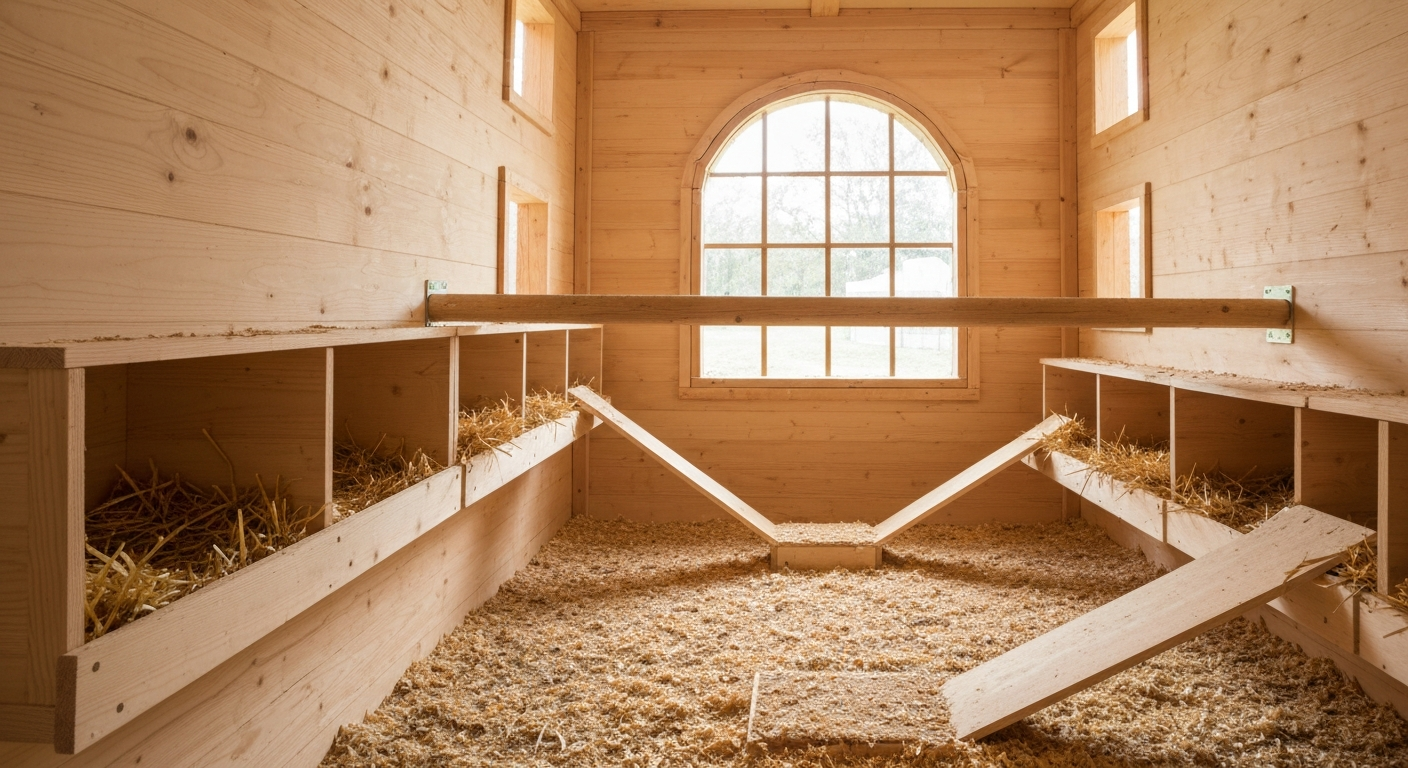
Good ventilation is essential. Ammonia from droppings irritates chickens' airways and causes stress. Vents below the roof ridge let in fresh air without creating drafts at floor level.
Important note
Secure the coop against martens and foxes every evening. A simple latch often isn't enough. Invest in a sturdy lock or an automatic door opener with a timer.
How do you design a good chicken run?
An engaging run keeps chickens occupied and can reduce feather pecking. Add dust baths so they can clean their feathers. Place fallen logs or stones in the run for climbing.
Rotate the area regularly or divide it into sections. This helps prevent bare ground and parasite buildup. A mobile chicken coop, also known as a chicken tractor, is ideal for rotating the space.
Protect your garden beds. Chickens scratch and peck at everything. A sturdy, sufficiently tall fence will keep them away from delicate garden plants. Netting from our range can help.
“A comfortable hen lays better. She needs protection from predators, companions to scratch with and a dry, clean nest for the most important event of the day.”
What role does light play in egg production?
Light affects a hen's hormones. Egg production typically starts with around 14 hours of daylight. During winter, when days may offer only 8 hours of light, a hen's body can slow or stop production.
You can supplement daylight with artificial light. Set a timer to turn on a lamp one hour before sunrise to simulate a longer day. Use warm-white LED lights to keep energy use low.
Avoid sudden changes to the lighting. A bright lamp turning on in the middle of the night can panic the flock. Adjust the lighting by only 15-20 minutes each week.
Additional advice
Check the light intensity. 10-20 lux at the feeder is enough, about as bright as a weak light bulb. Excessively bright light can encourage aggression and cannibalism in the flock.
In summer, excessive heat can reduce egg production. Provide shady spots in the run and good air circulation in the coop. Keep fresh water available at all times.
How do you identify and solve problems?
Observe your chickens every day. A healthy laying hen is active, has smooth feathers and a red comb, and eats and drinks regularly.
A sudden drop in egg production always has a cause. First check the basics: Is there enough chicken feed? Is the water fresh? Have there been any changes to the coop or flock?
Common problems include feather pecking and cannibalism. Boredom, overcrowding or a nutrient deficiency is often to blame. Provide pecking blocks, hanging cabbages or hay nets.
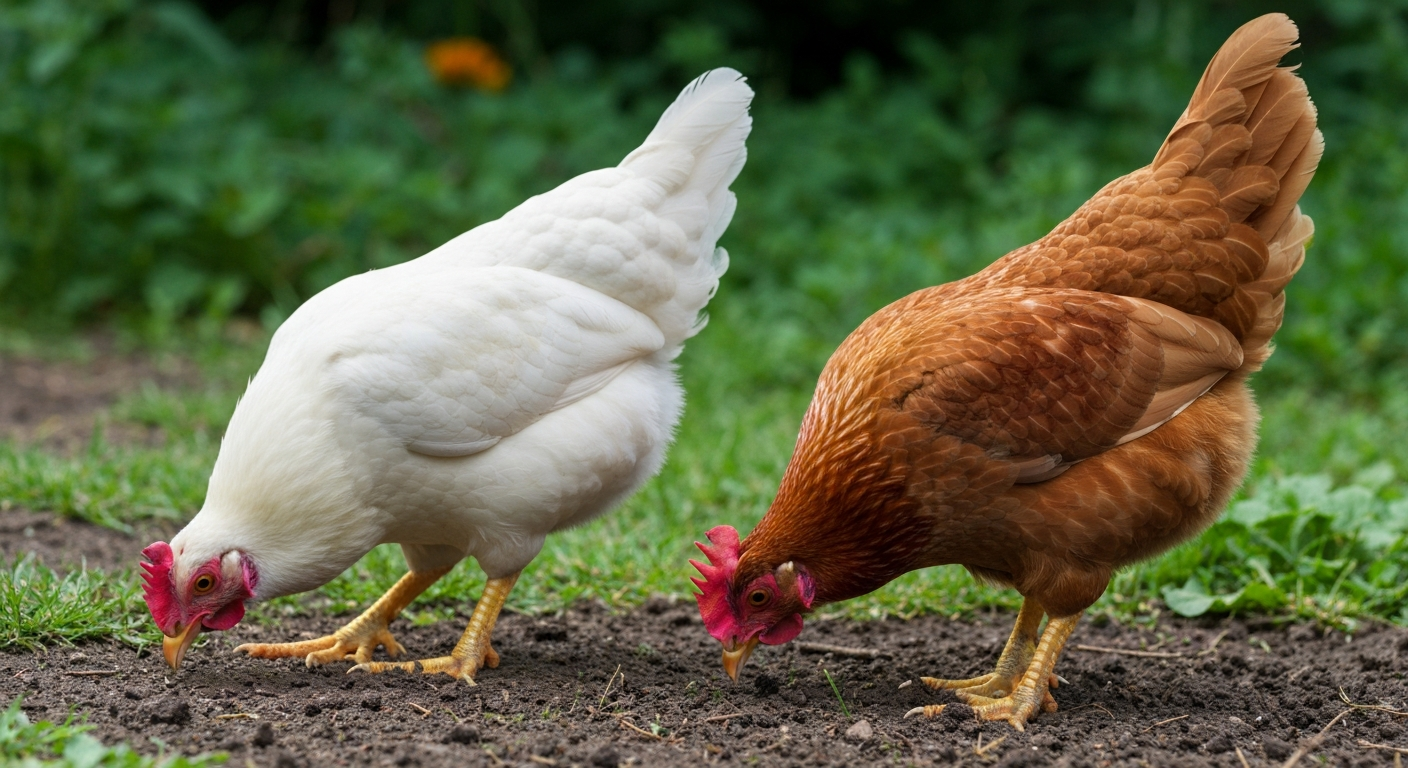
Practical solutions for everyday problems
If eggs have soft shells, increase the calcium supply right away. Offering oyster shell separately usually helps within a few days.
If a hen is egg-bound and can't lay an egg, place her in a warm, dark box with increased humidity. If you're unsure what to do, consult a veterinarian.
The annual molt is natural. Hens shed their feathers and take a break from laying. Support them with higher-protein feed, such as dried mealworms.
The right equipment makes coop care easier. Sturdy garden waste bags are useful for cleaning the coop and disposing of bedding.
Products for successful chicken keeping
A reliable water supply is essential. These products can help you install or repair your watering system.
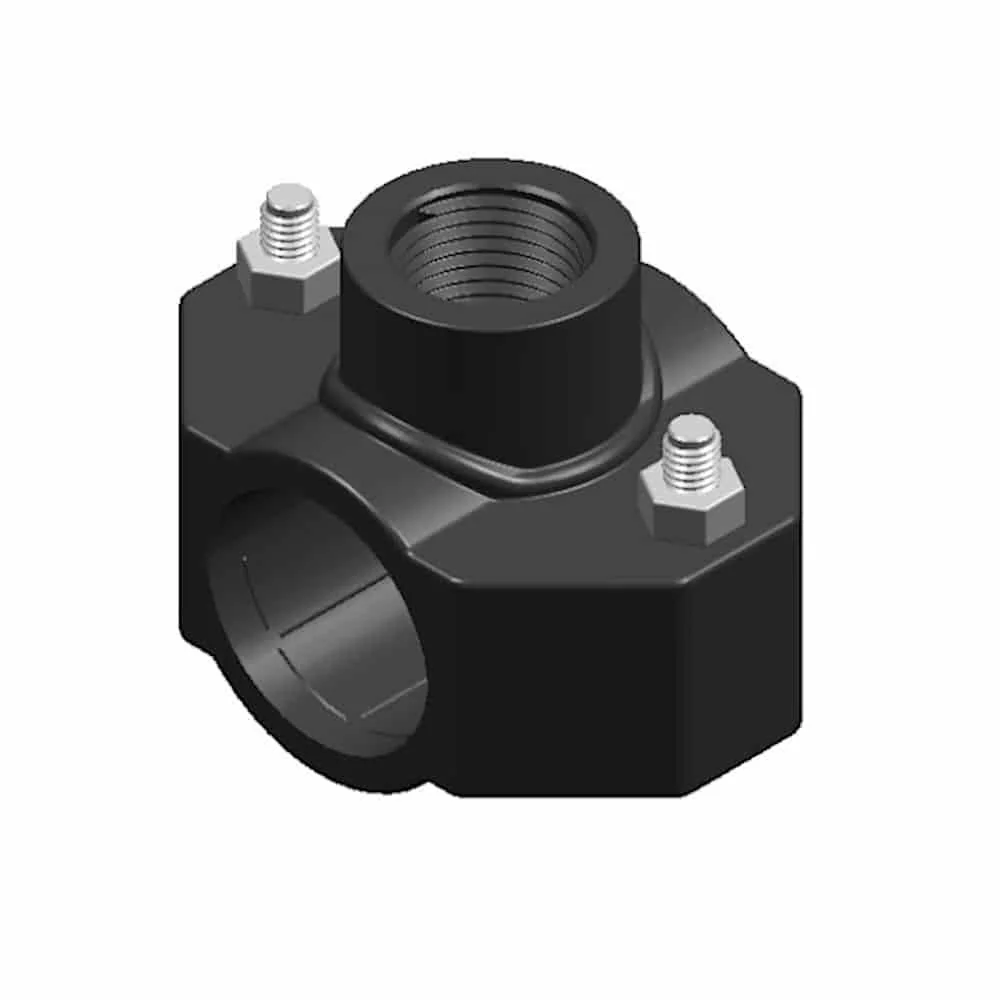
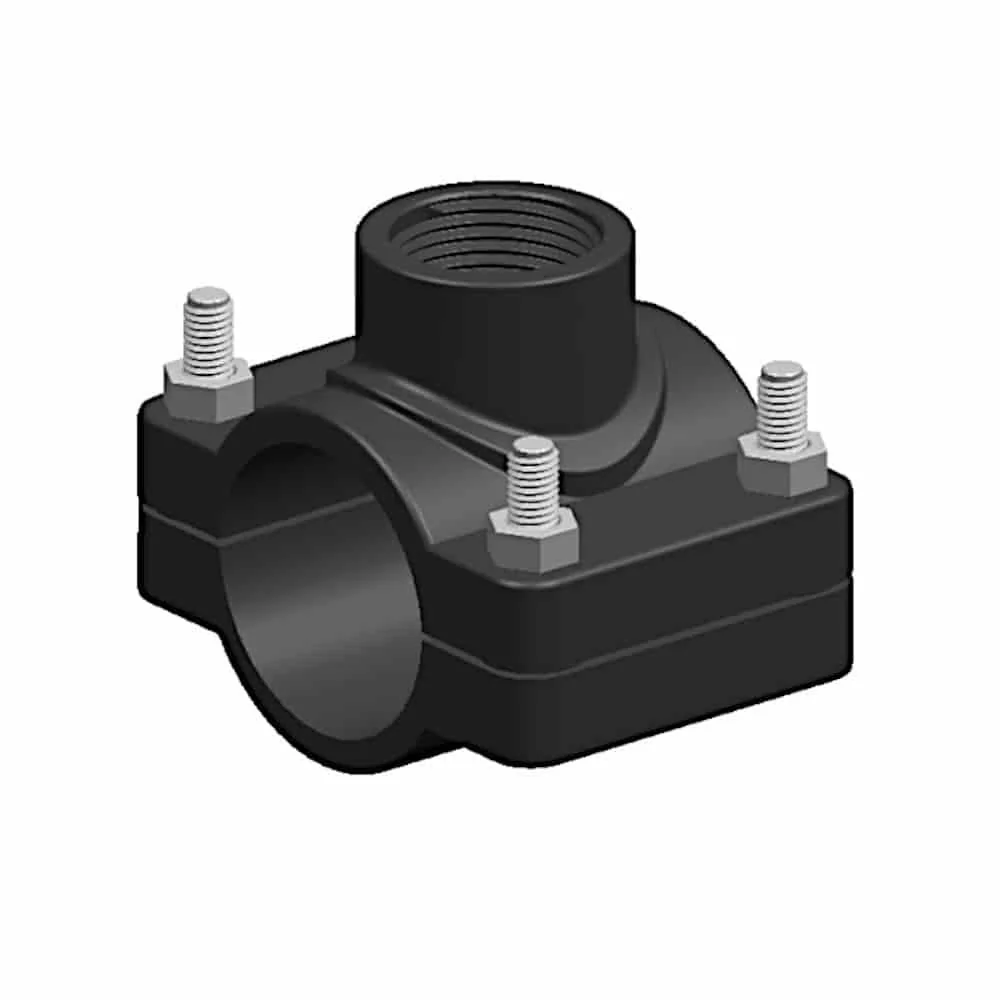
A versatile sprinkler can be useful for watering the chicken run or garden. It keeps the lawn green and creates a refreshing environment.
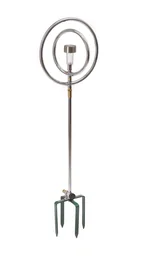
Remember the essentials: feeders and waterers, sturdy feed buckets, and suitable bedding. Find everything you need for animal care and garden maintenance in our extensive Garden & Outdoor range.
Start with a small, well-prepared flock and choose a breed that suits your goals. Provide a consistent supply of feed and water, along with adequate lighting. Your reward is a daily supply of fresh eggs from happy, well-cared-for hens in your own backyard.
Frequently asked questions
- When do hens start laying eggs?
- Most pullets start laying at around 18 to 22 weeks old, or about 5 months. The exact timing depends on the breed, diet, and lighting conditions. High-production breeds such as Leghorns may start a little earlier.
- How many eggs does a hen lay per day?
- A hen usually lays one egg per day, but not every day. Egg production naturally fluctuates. High-production breeds can lay 250-300 eggs per year, while hardy dual-purpose breeds often produce 180-220 eggs. Hens lay fewer eggs or stop laying altogether in winter and during molting.
- What feed supports egg production?
- Give your hens a complete layer feed. It provides enough calcium for strong eggshells, around 16-18% protein, and essential amino acids. Supplement it with fresh greens and vegetable scraps. High-quality chicken feed is the foundation for consistent egg production.
- Do chickens need artificial light in the coop during winter?
- Yes, artificial light can help maintain egg production during winter. Hens need around 14-16 hours of light per day to stimulate egg production. Use a timer to gradually extend daylight in the morning or evening. Avoid sudden, extreme changes in lighting.
- Which chicken breed lays the most eggs?
- White Leghorns are considered top producers, laying up to 300 white eggs per year. For a backyard flock, however, hardy, friendly breeds such as Sussex, Vorwerk, and Bielefelder Kennhuhn are often a better choice. They lay slightly fewer but larger brown eggs and have a calmer temperament.
You may also be interested in
- Keeping chickens in your backyard: A beginner's guide
- Build your own chicken coop: A guide to the ideal coop
- Growing cannabis for beginners: Your guide to getting started
- Wild birds in your backyard: How to create nesting boxes and feeding stations
- Vegetable gardening for beginners: Your path to a bountiful harvest
- Raised beds: Crop rotation and companion planting for maximum yields