
In short: Healthy balcony plants need more than just water. Start with high-quality soil and a location suited to each plant, from full sun to partial shade. Water in the morning, directly at the roots, and avoid waterlogged soil. Feed regularly with organic fertilizer and remove spent flowers. In winter, protect frost-sensitive varieties with fleece or bring them indoors.
Balcony Plant Care: A Complete Guide to Healthy Flowers
Your balcony is your green living room. To keep it blooming and thriving all year, it needs the right care. This guide explains what matters most for balcony plant care.
Skip the generic advice. Here are practical tips on watering, feeding, pruning, and overwintering to help your balcony flowers bloom for longer.
The Basics: Getting Your Balcony Plants Off to the Right Start
Good care starts before planting. Your choice of container, soil, and location can shape how your plants grow for months to come.
How do I choose the perfect container?
Choose a container with a drainage hole. Waterlogged soil is one of the most common reasons plants die. Use pots without holes only as decorative outer covers.
Each material has its pros and cons. Terracotta lets air through but dries out faster. Plastic is lightweight and holds moisture longer. Make sure the container has enough room for the roots.
Which soil is best?
Cheap potting soil can quickly become compacted. Choose high-quality potting mix for container plants. It keeps its structure, retains water, and lets air reach the roots.
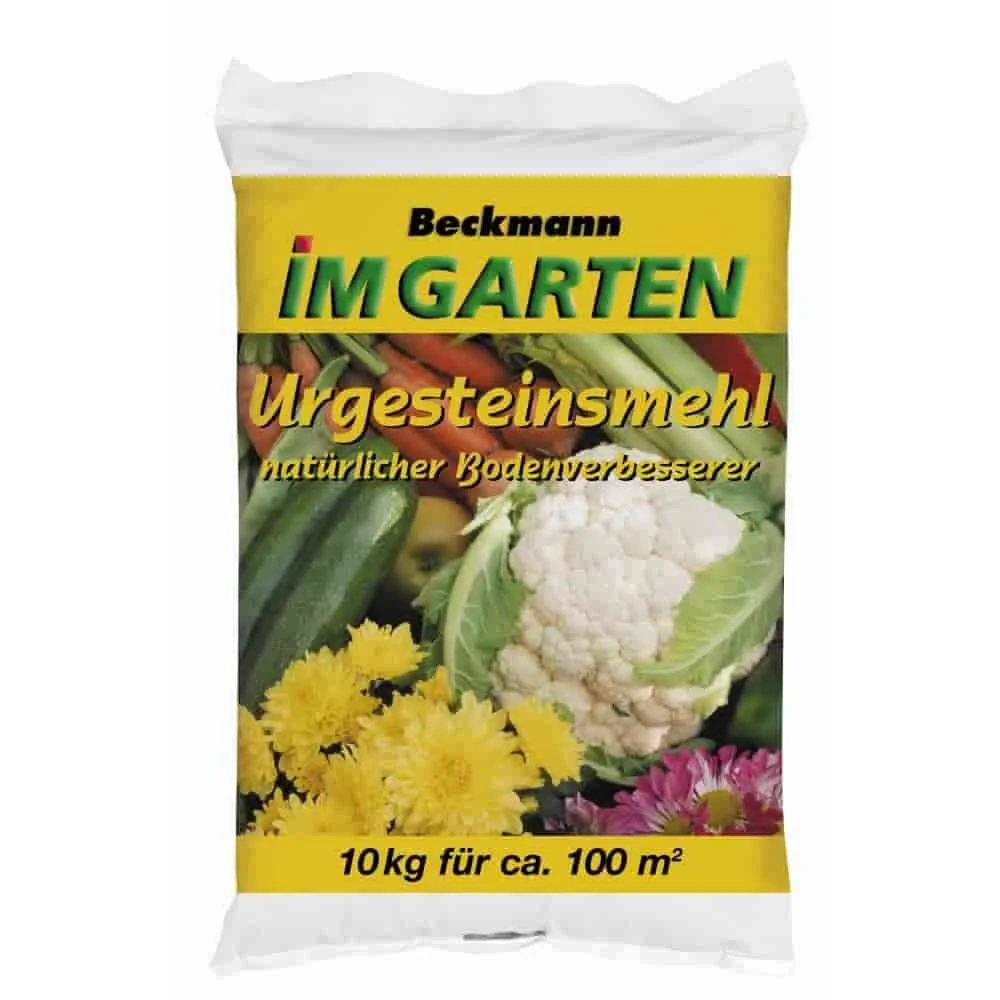
If needed, mix in clay granules or expanded clay to improve drainage. For a long-term supply of minerals, add (rock dust). It adds important trace elements.
Expert tip
Before adding the soil, place a layer of expanded clay or gravel at the bottom of the container to help with drainage. This keeps the drainage hole clear and lets excess water run off.
The Ideal Location: Light, Wind, and Weather
Plants have different needs. Sun-loving plants can wither in the shade, while shade-loving plants can scorch in full sun.
How much sun do my balcony flowers need?
Check the plant label. “Full sun” means at least six hours of direct sunlight a day. “Partial shade” means three to four hours. “Shade” means no direct midday sun.
Pay attention to your balcony and note when sunlight reaches each corner. This is more useful than general advice based on compass direction.
How do I protect plants from wind?
Wind dries out leaves and can break stems. On exposed balconies, choose wind-resistant plants such as ornamental grasses, lavender, or sturdy geraniums.
A privacy screen made from netting or trellises can reduce wind exposure. Heavy pots and planter boxes are less likely to tip over.
“Many balcony gardeners underestimate the effects of wind. It puts plants under more stress than a short dry spell. Finding a sheltered spot is half the battle.”
The Art of Watering: Get It Right
Watering correctly is one of the most important parts of plant care. Too much water can kill plants just as surely as too little.
When and how often should I water?
Water in the morning. Plants can use the water throughout the day, and the leaves have time to dry, helping to prevent fungal diseases.
The finger test is a reliable way to check. Push your finger two centimetres into the soil. If it feels dry, it is time to water. A moisture meter can give you extra reassurance.
Important note
Never water in the scorching midday sun. Water droplets can act like magnifying glasses and scorch leaves. Much of the water can also evaporate before the roots absorb it.
How do I water most effectively?
Water the soil, not the leaves. Water slowly and thoroughly until water runs out of the drainage hole. This helps water reach the entire root ball.
Small amounts of water given frequently encourage shallow roots. Watering deeply but less often encourages roots to grow downwards and helps plants become more resilient.
Feeding Your Plants: The Right Fertilizer for Balcony Plants
Nutrients in containers are quickly used up. Feeding your plants is a necessity, not a luxury.
What nutrients do balcony plants need?
Nitrogen (N) promotes leaf growth. Phosphorus (P) supports flowers and roots. Potassium (K) strengthens cells and improves resilience. A balanced complete fertilizer contains all three.
Organic fertilizers such as our (organic balcony plant fertilizer) are ideal. They release nutrients slowly, improve soil health, and reduce the risk of overfertilizing.
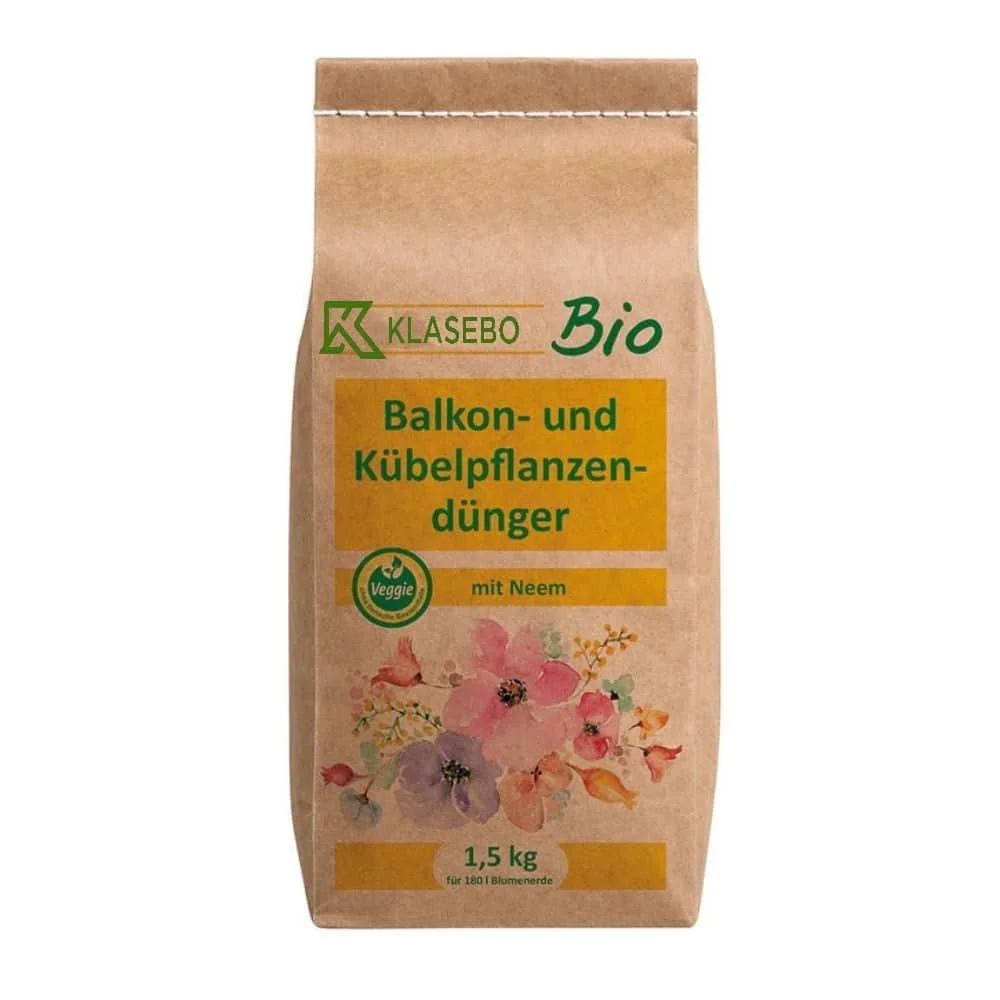
Find the right solution for every plant in our range of plant fertilizers.
How often and how much should I feed?
The main feeding season runs from April to August. Mix slow-release fertilizer into the soil when planting. Apply liquid fertilizer every one to two weeks with your watering.
Follow the manufacturer's dosage instructions. More fertilizer is not better and can damage the roots. Stop feeding in September so the shoots can mature.
“The most common cause of weak blooms isn’t too little fertilizer, but an imbalance of nutrients. Too much nitrogen leads to lush growth and lots of leaves at the expense of flowers.”
Pruning and Pest Control
Regularly removing spent flowers and checking for pests keeps your plants healthy and blooming abundantly.
How can I encourage flowering?
Remove spent flowers regularly. Cut or pinch off old flower heads. This prevents seed formation and signals the plant to produce new buds.
For woody plants such as geraniums or fuchsias, cut back excessively long or woody shoots in spring. This encourages fresh, bushy growth.
Additional advice
Use sharp, clean tools. Dull scissors crush shoots, while dirty tools can spread diseases. Clean the blades after use. The right gardening tools make the job easier.
What should I do about pests such as aphids?
Check your plants weekly, especially the undersides of the leaves. If you catch pests early, a strong spray of water is often enough. Beneficial insects are the best long-term solution.
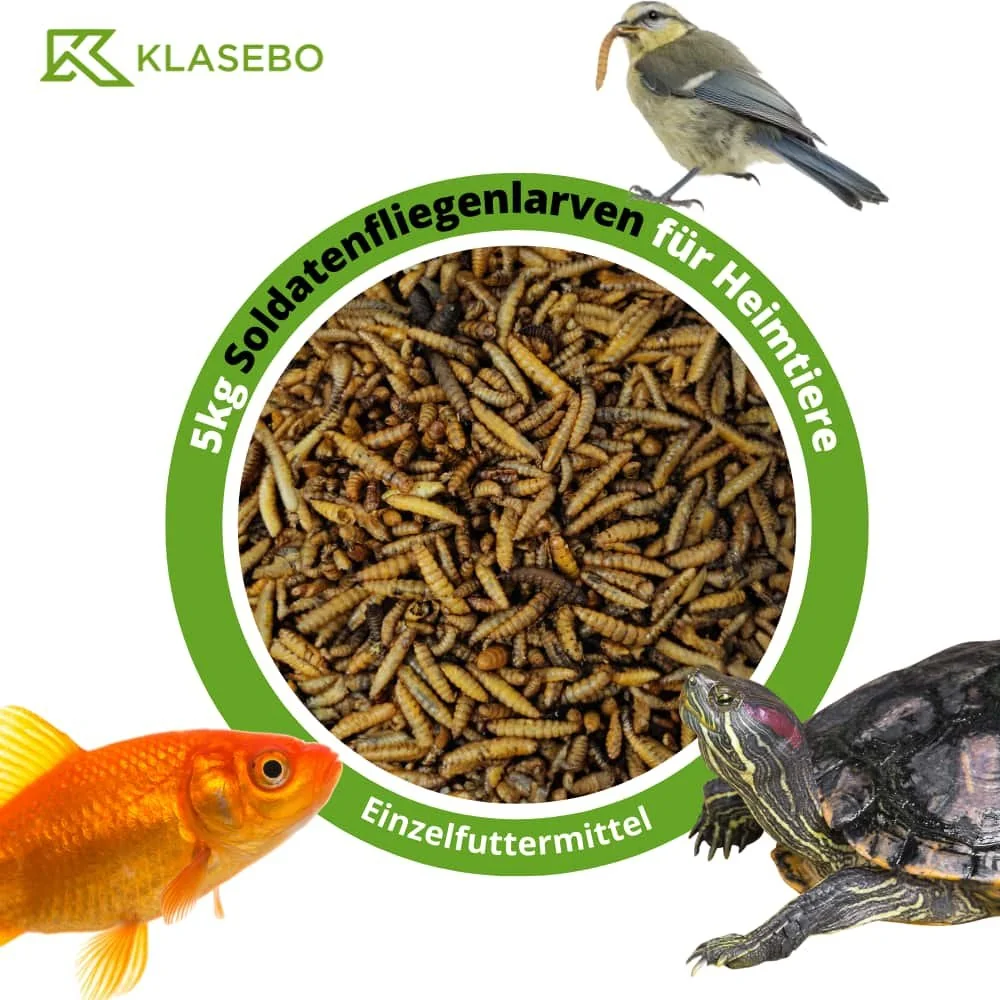
(soldier fly larvae) are excellent food for birds, which in turn eat pests. Encourage beneficial wildlife by planting a variety of plants.
Overwintering Balcony Plants: How to Get Them Through the Cold Season
Winter is the greatest challenge. The combination of frost, moisture, and wind can be fatal.
Which plants need to be brought indoors?
Bring frost-sensitive Mediterranean plants such as olive trees, citrus plants, and angel's trumpet indoors before the first frost. A bright, cool room (5-10°C), such as a sunroom or stairwell, is ideal.
Water much less often. The soil should remain only slightly moist, not wet. Do not fertilize.
How can I protect hardy container plants?
Insulate the root ball. Place the container on wood or polystyrene. Wrap the pot in bubble wrap, jute, or specialized winter protection from our garden supplies.
Protect the parts above ground from severe frost and winter sun with fleece. Water lightly on frost-free days so the root ball does not dry out completely.
Spring Awakening: Starting the New Season
In March or April, when severe frosts are no longer expected, wake your plants from their winter dormancy.
How do I prepare my balcony plants for summer?
Repot your plants when the roots have filled the entire root ball. Use fresh soil. Cut back dead and excessively long shoots.
Gradually start fertilizing again. Begin with half the recommended dose and increase it once the plant starts producing vigorous new growth.
You'll find a large selection of new plants for the coming season in the Flowers + Mixtures category.
What mistakes should I avoid?
Do not place overwintered plants in full sun right away. Gradually acclimate them to the light over one to two weeks, or they may get sunburned.
Do not overwater them. The root ball and plant are still in “energy-saving mode” and need time to become active again.
With these balcony plant tips, you'll be prepared for every season. Consistent care, the right tools, and high-quality products such as , , and are the key to a blooming paradise right outside your front door.
Frequently Asked Questions
- How often should I water my balcony plants?
- There is no set rule. Use your finger to check whether the top two centimeters of soil are dry. You may need to water daily on hot summer days, while every few days is enough in cooler weather. Water in the morning or evening, directly onto the soil rather than over the leaves.
- What is the best fertilizer for balcony flowers?
- Organic slow-release fertilizers such as our PRODUCT_24589 are ideal. They release nutrients slowly and improve soil structure. Add liquid fertilizer to the water every one to two weeks. Fertilize from April to August, then take a break in winter.
- Which balcony plants are hardy?
- Classic hardy varieties include ivy, wintergreen (Gaultheria), dwarf conifers, and some grasses such as sedges. Most popular summer-flowering plants, such as geraniums, petunias, and fuchsias, are frost-sensitive and need to spend the winter in a frost-free place.
- Why are my balcony plants getting yellow leaves?
- Yellow leaves are often a sign of overwatering and root rot. Check whether the drainage hole is clear. Nutrient deficiencies, too little light, or spider mites can also be the cause. Remove affected leaves and adjust your care routine.
- Can I grow balcony plants from seed?
- Yes, many annual flowers such as marigolds, sweet peas, and snapdragons are easy to grow from seed. Start them indoors on a windowsill in March. You'll find a wide selection in our range of flower seeds.