
In brief: A balcony privacy screen shields you from prying eyes and strong winds. Choose from privacy netting, tarpaulins or fabric screens. Installation is easy with the right clips or brackets for your railing or wall. Add climbing plants for a natural look.
Why Your Balcony Needs a Privacy Screen
An exposed balcony offers little privacy. Neighbours and passers-by can look straight into your living space, while wind blows through unchecked.
The right privacy screen addresses both problems. It creates a sheltered outdoor retreat where you can relax and enjoy your balcony for much longer.
You do not have to give up your view. Modern materials such as privacy netting let you see out while limiting the view from outside.
Expert tip
Measure your balcony carefully before buying materials. Check both the length and the height from the railing to the ceiling or awning. Allow a little extra material for fastening.
How to Choose the Right Privacy Screen for Your Balcony
There are many materials to choose from, each with its own advantages and drawbacks for privacy and wind protection.
Windbreak netting made from polyethylene is lightweight and durable. It can reduce wind speeds by up to 80 percent, helping keep tablecloths in place and lightweight items from blowing away.
Construction fence tarps such as our
provide complete privacy and wind protection. Made from durable, water-repellent material, this tarp is an affordable, ready-to-use solution.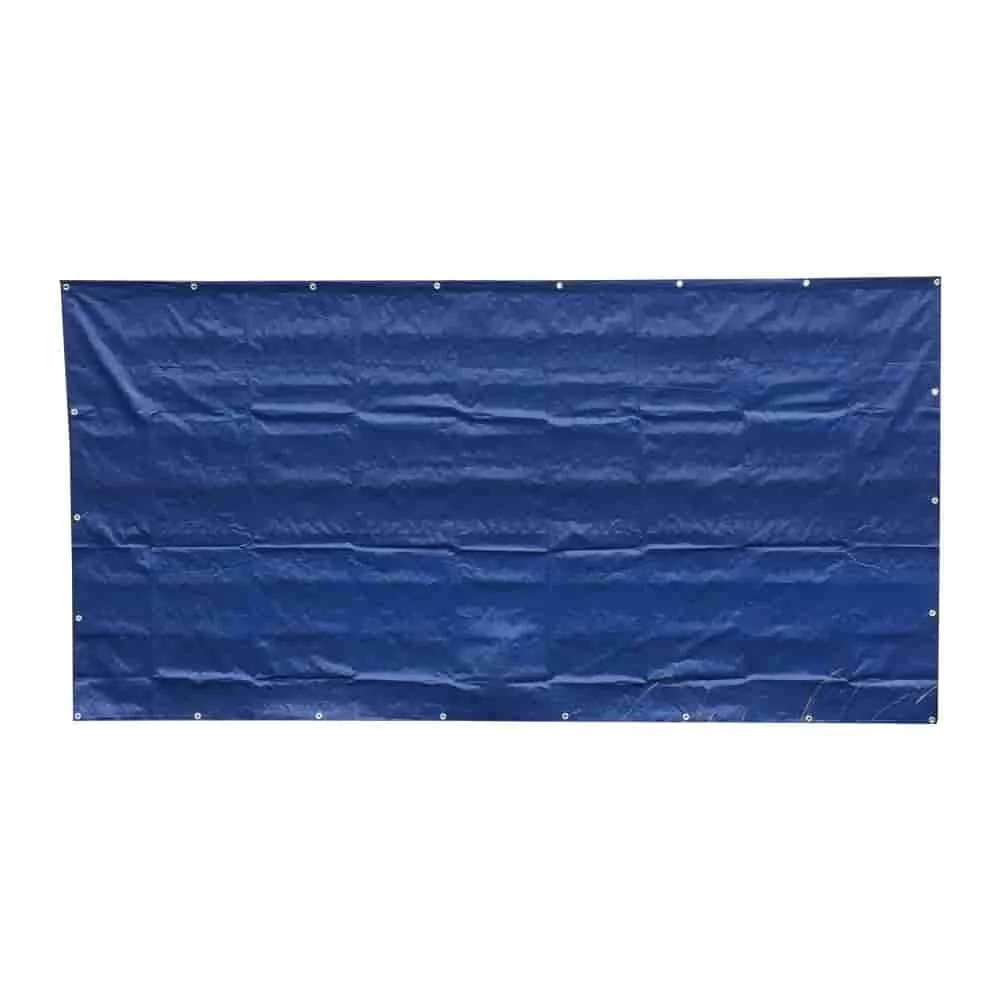
Fabric balcony screens made from materials such as sisal or polyester give your balcony a more polished look. They come in a range of colors and densities. Products such as
or create a warm, welcoming atmosphere.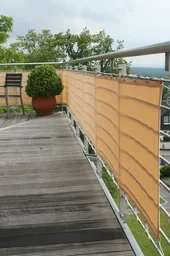
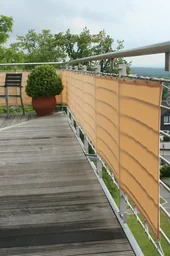
Choose a material that provides the level of privacy you want and suits the building’s facade. A screen that blocks too much light can feel visually overwhelming.
What to Consider
Ask yourself these questions before buying:
- Main purpose: Do you need protection from wind, prying eyes or both?
- Weather resistance: Is the material UV-resistant and waterproof? It needs to hold up outdoors year-round.
- Visibility: Do you want to keep your view or have complete privacy?
- Maintenance: Can you easily remove and clean the screen?
Browse our wide selection in the shop for inspiration and product options.
What Installation Methods Are Available?
Secure fastening is essential. It helps protect the building and keeps your screen in place for the long term.
Special fastening clips work well with lightweight netting and tarps. Our
clip onto the balcony railing. Slide the net or tarp edge into the slot. No tools are needed, and the clips leave no residue when removed.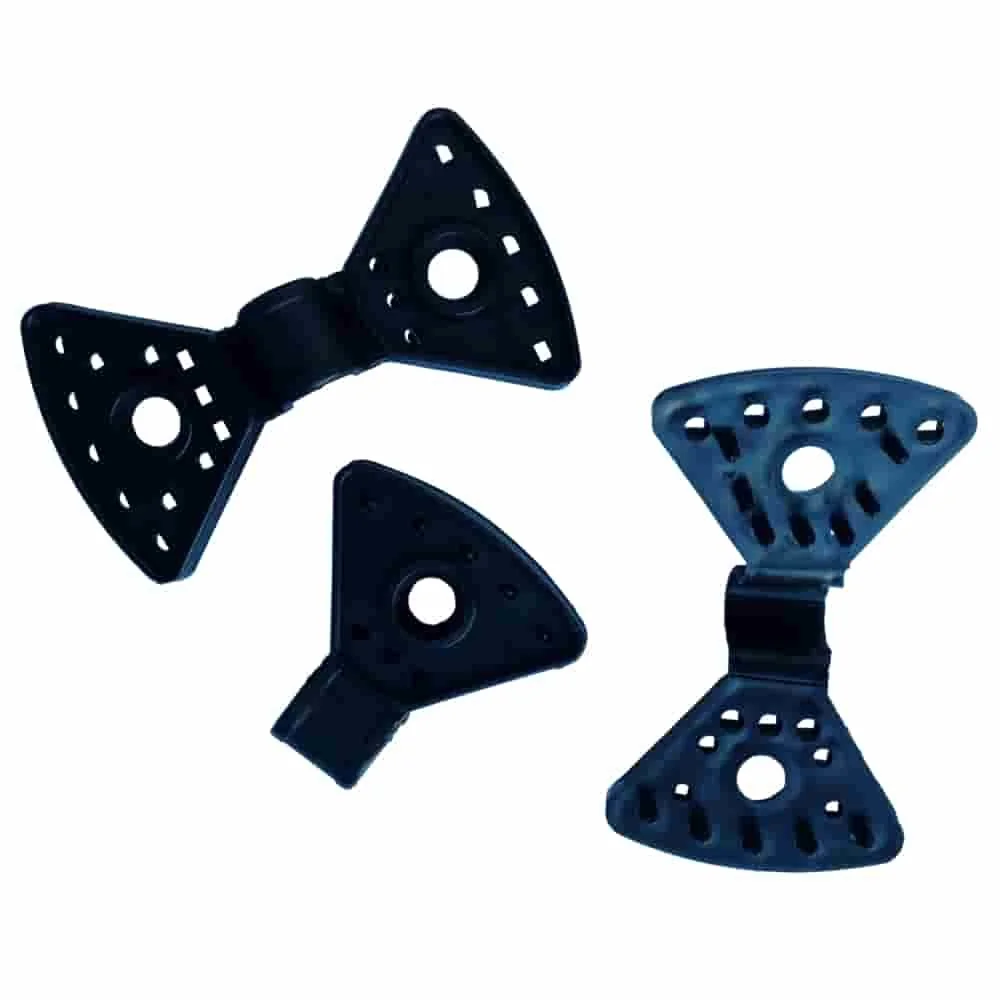
Heavier screens and balconies exposed to strong winds need sturdier fasteners. Eyelets and tension wires provide excellent stability. Screw the eyelets into the wall or ceiling, then stretch wires between them. Secure the screen to the wires with hooks or cable ties.
Direct installation on a wall or railing with screws offers the most secure attachment. You will need a drill and suitable wall anchors. Be careful not to drill into the balcony’s waterproofing layer.
Important note
Check the building materials before drilling. If you are unsure what is behind the surface, a building material scanner can help. Insulated facades require particular care. If you rent your home, get your landlord’s permission first.
Find the right tools for your installation project in the power tools category.
Creative Balcony Design Ideas with Privacy Screens
A purely functional privacy screen doesn't have to look boring. Integrate it into your overall outdoor design.
Create a green wall: Combine a trellis with your privacy screen. Plant climbing flowers such as nasturtiums or morning glories in planters. They will climb the trellis and create a living privacy screen. Get started with suitable seeds.
Mix and match modular panels: Use several narrow panels instead of one large screen. You can install them at different heights for a dynamic look that feels less imposing.
Play with light and shade: Choose semi-transparent materials. They soften the sunlight and cast interesting shadows. In the evening, a privacy screen lit from behind creates a cozy atmosphere.
The most successful balcony designs combine practical benefits with a cohesive aesthetic. A privacy screen should feel like part of your outdoor space, not an afterthought.
Ideas for small balconies
Privacy screens can make a big difference even in a small space.
- Screen just one side: Screen only the side where people are most likely to see you. This gives you privacy without making the space feel enclosed.
- Go vertical with a garden: Attach hanging pockets or wall-mounted planters to the privacy screen. It becomes useful space for growing herbs or flowers.
- Choose lightweight fabric panels: Sheer, airy curtains made from outdoor fabric create a light look and can be pulled aside when needed.
How to balance wind protection and ventilation
An overly solid windbreak can cause problems. Wind can build up in front of it and swirl turbulently over the surface.
The solution is partially permeable materials. Windbreak mesh allows controlled airflow, slowing the wind without stopping it abruptly. This helps prevent turbulence and pressure differences.
Pay attention to the mesh size. A medium mesh size of around 4x4 mm offers a good balance between protection and airflow. Fine mesh with 2x2 mm blocks more wind but allows less air to pass through.
Strategic placement matters too. Prioritize protection on the side facing the prevailing wind. Leave gaps at the sides or top so air can escape. This helps prevent heat from building up in summer.
Additional advice
Check the wind direction on your balcony before you install the screen permanently. Hang a lightweight flag or ribbon in different spots. This will help you identify the prevailing wind direction and position the privacy screen for the best protection.
For a fully sheltered seating area in your garden, you can find more solutions in our garden equipment range.
Care and maintenance of your balcony privacy screen
Keeping your privacy and wind screen in good condition takes very little effort.
Regular cleaning removes dust, pollen and bird droppings. For fabric coverings such as
use mild soapy water and a soft brush, then rinse with clean water. Let the material dry completely before rolling it up or putting it back under tension.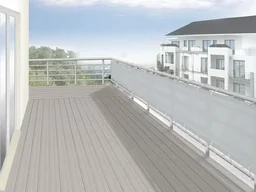
Check the fasteners: Inspect all clips, grommets and ropes at least twice a year. Are they secure? Do they show signs of rust or cracking? A visual inspection is especially important after severe storms.
Store it for winter: Take down high-quality or delicate fabric screens in the fall. Clean and dry them, then store them in a dry, frost-free place. Durable materials such as standard windbreak mesh or tarps can stay outdoors.
Common damage and how to repair it
- Faded areas: Strong UV exposure can fade colors. Choose UV-resistant materials from the start. Faded tarps can be treated with paint made for plastic tarps.
- Small tears: Repair them right away with clear, weatherproof tarp tape to prevent them from getting bigger.
- Loose fasteners: Tighten screws or replace worn cable ties. For outdoor use, choose rustproof or galvanized metal parts.
Find everything you need to care for your green oasis in our garden and plant accessories range.
Conclusion: Turn your balcony into a private oasis of comfort
A well-planned balcony privacy screen turns an exposed space into a sheltered retreat. You can choose how much privacy you want and the look that suits your style.
Start with a simple solution, such as a construction tarp and suitable clips. Later, you can upgrade to fabric coverings or lush greenery. We have the right products for you, from practical tarps to elegant sisal coverings.
Think about the whole space: Pair your screen with cozy garden equipment, suitable lighting and easy-care plants. That way, you can enjoy your balcony in any weather.
Frequently Asked Questions
- What’s the best material for blocking wind on a balcony?
- Durable polyethylene windbreak netting is a great choice. It reduces wind without blocking it completely, which can cause pressure to build up. For more complete wind protection, use a heavy-duty tarp. You can find both materials in our windbreak netting category.
- How do I securely attach a privacy screen to my balcony?
- Use special fastening clips or cable ties for netting and lightweight tarps. Heavy-duty screens require screw eyes or wall hooks. Always make sure you have a sturdy support, such as the balcony railing. Products like our fastening clips for windbreak netting make installation easier.
- Can I combine a privacy screen with plants?
- Yes, this is an ideal combination. Plant climbers such as ivy, Virginia creeper or clematis in planters. Stretch a trellis or netting in front of the screen to support the plants as they grow. This creates a lush, natural privacy screen. Find suitable seeds in our shop.
- How much does a basic balcony privacy screen cost?
- Prices start at under 10 euros for a simple construction tarp. Windbreak netting and fabric screens cost more. The size you need and the material quality are key factors. Affordable options such as our tarps and netting provide immediate protection.
- Do I need a permit for a balcony privacy screen?
- If you rent, you usually need your landlord’s permission, especially for permanent changes. Temporary solutions such as netting are often unproblematic. If in doubt, check in advance. If you own your property, homeowners’ association rules may apply. Always follow your building’s rules.
You may also be interested in
- Balcony Privacy Screens: Creative Ideas for More Privacy
- Buy Privacy Screen Netting: The Complete Guide for Garden & Balcony
- Flexible Privacy Screening on Stakes: Quick Solutions for Garden & Balcony
- Modern Privacy and Sun Protection for Garden & Patio
- Patio & Balcony Sun Protection: How to Choose the Right Awnings
- Your Balcony Makeover: Fresh Ideas for Your Green Oasis