
In brief: A balcony becomes a self-sufficient garden when you combine sunny spots, sufficiently large containers and reliable watering. Choose compact tomatoes, peppers, cut-and-come-again lettuce, radishes, herbs and snack cucumbers. Sow at staggered intervals, prune regularly and harvest young fruits so the plants keep producing.
A balcony can provide more than a few decorative herbs. With a well-thought-out planting plan, you can harvest lettuce, radishes, tomatoes, peppers, cucumbers and fresh herbs for many weeks. Light, container size, water and a harvesting routine suited to each plant are the key factors.
When creating a balcony garden, the number of pots is not what matters. An overcrowded balcony dries out quickly, provides little air circulation for the plants and makes care unnecessarily time-consuming. A few high-yield varieties will usually contribute more to your kitchen than lots of plants bought at random.
How do you plan a balcony self-sufficient garden?
Start by taking stock. Measure the usable area, check its orientation and observe for several days when the sun reaches the balcony. Also note where the wind is particularly strong. This information determines your choice of varieties, containers and climbing supports.
Check the location, light and load capacity
Fruit-bearing vegetables need plenty of light. South-, south-west- and south-east-facing balconies are suitable for tomatoes, peppers, cucumbers and beans. Lettuce, radishes, chard, strawberries and herbs grow reliably on east- or west-facing balconies. A north-facing side is better suited to shade-tolerant herbs such as mint, chives and parsley.
- Light: Plan for at least six hours of direct sunlight for tomatoes and peppers wherever possible. With less light, fruits ripen more slowly.
- Wind: Place tall plants close to the house wall and secure canes or trellis panels. Gusts can tip over a fully leafed-out pot.
- Load capacity: A 20-litre container can quickly weigh more than 20 kilograms with its growing medium and water. Distribute heavy pots and observe the permitted balcony load.
- Access: Arrange the plants so you can water, prune and harvest them without having to move other pots.
If you live in rented accommodation, also check whether railings, exterior walls or balcony boxes rule out certain fixings. Hanging containers should only be attached to sturdy brackets. Secure every pot against slipping and make sure excess water does not drip onto balconies below.
Choose containers according to the plant
The container determines how stable the water and nutrient supply remains. Small pots dry out quickly and cannot cope with a hot day. Large containers buffer fluctuations better, but need a load-bearing position and good drainage.
- Tomatoes: compact varieties need around ten to fifteen litres, while vigorous cordon tomatoes need at least twenty litres.
- Peppers and chillies: eight to fifteen litres are enough for many varieties. A dark-coloured pot heats up quickly in the sun.
- Snack cucumbers: allow for twenty to thirty litres and a sturdy climbing support.
- Cut-and-come-again lettuce and herbs: shallow boxes from ten centimetres deep are often sufficient.
- Radishes: allow for around fifteen centimetres of growing-medium depth so the roots develop evenly.
Every container needs drainage holes. Do not add a thick layer of gravel as a substitute for drainage holes. Instead, use a well-draining container, loose growing medium and a saucer with an overflow outlet. For herbs and lettuce, you can use the as decorative balcony planters with a suitable waterproof inner pot.
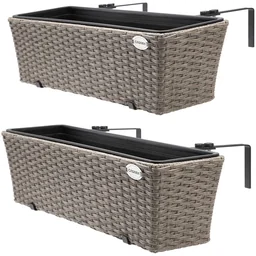
You can find practical basic equipment in the garden and plant accessories section. Choose materials that can withstand UV radiation and rain. Plastic is lightweight, terracotta retains heat but dries out more quickly. Wood needs protection against constant moisture.
Expert tip
Assign each plant a fixed place for care. Group containers with similar water requirements, such as tomatoes and cucumbers together, and keep Mediterranean herbs separate. This allows you to water more precisely and prevents rosemary or thyme from standing in wet soil.
Which Plants Produce the Highest Yields on a Balcony?
An edible balcony works best with plants that repeatedly produce new leaves or fruit. Choose compact varieties that grow well in containers, and combine long-season crops with quick harvests. This keeps the space productive from spring through fall.
Fruiting Vegetables for a Long Season
Tomatoes are among the most productive balcony plants. Cherry tomatoes and varieties bred specifically for balconies produce many small fruits that ripen successively and can be picked straight from the vine. Indeterminate tomatoes need reliable support. Bush tomatoes stay shorter, but you should choose a wide, stable container.
Snack peppers and chili peppers thrive in warm, sheltered locations. The plants grow more slowly than radishes but produce for weeks. Pick peppers while they are green for a more pungent flavor, or let the fruit fully change color. Water consistently, as significant fluctuations can cause flowers and young fruit to drop.
Snack cucumbers produce plenty of fruit with enough water and warmth. Choose a compact variety and give it a trellis or string to climb. Check the plant daily, because cucumbers can become large and watery within just a few days. A single plant is often enough for small balconies.
Bush beans fit in a deep window box or a pot holding around ten liters. They produce new pods over time if you pick them regularly. Sow a second batch after two to three weeks, once the first sowing is well established. This extends the harvest.
Quick Crops and Leafy Greens
Radishes are among the quickest crops to harvest. They grow in around four to six weeks and do not need support. Sow small amounts at intervals instead of filling an entire window box in one day. Loose-leaf lettuce, arugula and Asian greens keep producing new leaves if you leave the plant’s center intact.
Swiss chard is especially well suited to a permanent harvest spot. Pick the outer leaves while the center continues to grow. Chives, parsley, basil, cilantro and dill add flavor to vegetable dishes in a small space. It is best to plant mint in its own container because it spreads vigorously.
Strawberries grow in window boxes and hanging baskets. Everbearing strawberries produce smaller fruit over a long period. Carrots, beets and green onions need more depth but grow well in tall containers. Check the stated variety description and space requirements before buying.
Plan for Yield per Square Foot
Choose a focus. Three tomato plants, two pepper plants, one pot of snack cucumbers, one box of loose-leaf lettuce, one box of radishes and several pots of herbs provide a versatile basic setup. Green onions or low-growing lettuces can fit between larger plants as long as they are not kept in permanent shade.
Skip pumpkins and vigorous zucchini if you only have a few square feet available. A zucchini plant needs a large pot and plenty of leaf space. It can be worthwhile if the balcony is large and you can check the plant daily. On small areas, lettuce, beans and tomatoes usually provide more usable harvest per spot.
Find suitable seeds to get started in vegetable seeds. If you want to combine several varieties, the different types of vegetables category offers useful guidance.
A varied vegetable harvest is possible even in a small space when you match the location to the container size.
How Do You Set Up a Vegetable Garden on a Balcony?
After choosing your plants, it is time to set everything up. Use clean containers, fresh potting mix and plants with strong roots. A good start saves water later and prevents diseases from old plant debris from spreading.
Prepare the Potting Mix and Drainage
Vegetables need a growing medium that retains water while still allowing air to reach the roots. High-quality vegetable or potting soil usually contains compost and mineral components. Pure garden soil is often too heavy for balcony boxes and quickly becomes compacted. Do not mix in soil from unknown garden beds if diseases or pests have occurred there.
- Clean used pots with water and a brush.
- Check the drainage holes and keep them clear.
- Fill the container to a few centimeters below the rim.
- Place the plant upright and gently firm the potting mix around it.
- Water slowly until a little water drains out of the bottom.
Tomatoes can be planted slightly deeper because they form additional roots along the stem. With peppers, however, place the root ball at the same level as before. Lettuce should not sit deep in the potting mix, otherwise the growing point may rot if the soil stays wet.
Sow Seeds or Plant Seedlings
Seedlings provide a quick harvest on a small balcony. Buy sturdy plants with a compact shape, healthy foliage and no sticky leaf undersides. If you sow your own seeds, you can stagger varieties more effectively. Radishes, lettuce, beans and many herbs grow well when sown directly in their final containers.
Do not move fruiting vegetables outdoors permanently until after the last cold nights. Acclimate plants started indoors to sun and wind over several days. Place them in a sheltered spot at first and gradually increase the time they spend outdoors. This prevents sunscald and broken stems.
Sow radishes, loose-leaf lettuce and arugula in small amounts every two to three weeks. Harvest the first batch as soon as it frees up space, and reuse the container. Remove old roots and diseased leaves before sowing again.
Determine Spacing and Support
Overcrowded containers look lush at first but produce lower yields. Every plant needs room for leaves, roots and air circulation. Follow the spacing instructions on the seed packet or plant label. For vigorous plants, consider their eventual size rather than their size when purchased.
Install supports before the shoots become long. A bamboo stake, sturdy trellis or taut string guides tomatoes, beans and cucumbers upward. Tie plants loosely with soft material so the stems can thicken. Check the fastenings after strong winds.
Important Note
Do not place window boxes and large planters solely on the railing. Check the fastenings, load capacity and water drainage. For edible plants, use only growing media and fertilizers suitable for vegetables, and follow the application instructions. Remove standing water after heavy rain.
How do you care for an edible balcony garden until harvest?
Care determines whether plants produce just once or keep providing harvests for weeks. Check your containers regularly instead of following a rigid calendar. Sun, wind, pot size and the plant’s stage of growth can change water requirements from day to day.
Watering correctly
Push your finger two to three centimetres into the soil. If it feels dry, water slowly and thoroughly. The water should reach the entire root ball and briefly drain from the bottom. Small amounts only wet the surface and encourage shallow roots.
Water in the morning whenever possible. On hot, windy days, check the plants again in the late afternoon. Large leaves and small containers increase water consumption. A thin layer of mulch made from compost, straw or untreated plant fibers reduces evaporation, but it must not touch the plant stem.
Water the soil rather than continually wetting the leaves. Wet foliage in dense planting encourages fungal diseases. Saucers can hold water temporarily, but they should not remain full. Simple drip irrigation can help cover periods when you are away. Test the system for several days beforehand.
For hoses, drippers and other watering solutions, take a look at the garden irrigation category. Choose a solution that suits the number of pots. A small reservoir is sufficient for a few containers, while many plants require even distribution.
Provide nutrients as needed
Fresh vegetable compost initially supplies young plants with nutrients. After around four to six weeks, tomatoes, cucumbers and peppers usually need additional feeding. Use liquid fertilizer or slow-release fertilizer according to the manufacturer’s instructions. Too much fertilizer burns roots and causes soft, delicate growth in leafy vegetables.
Fruit-bearing vegetables are heavy feeders. They need regular nutrients during flowering and fruit development. Lettuce, radishes and herbs need less. Basil and parsley often require only light fertilization. Heavily fertilized herbs quickly develop lots of foliage but lose flavor.
Moisten dry soil lightly before fertilizing. This helps distribute the nutrient solution more evenly and allows the roots to absorb it consistently. Do not fertilize in extreme heat or when the plant is visibly wilted. Wait until the foliage has recovered.
Check and prune your plants
Look underneath the leaves at least twice a week. Aphids often gather on young shoots, while spider mites prefer dry, warm spots. Remove individual pests early with a jet of water or by hand. When using approved plant protection products, observe the waiting period for edible crops.
With cordon tomatoes, remove side shoots as needed so the plant directs its energy into a few fruit trusses. Bush tomatoes grow more compactly and generally need less pruning. Remove yellow leaves and any leaves touching the soil. Make clean cuts without unnecessarily damaging healthy shoots.
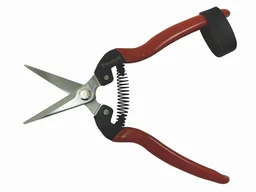
The is ideal for herbs, soft shoots and cleanly removing individual leaves. For different jobs, you will find suitable helpers in the garden tools category. Clean the blade after cutting diseased plant parts.
Additional advice
Keep a simple harvest log. Record sowing dates, the first flowers, the first ripe fruit and particularly productive varieties. Your notes will show you next year which containers were too small and which plants on your balcony provided harvests for the longest time.
When and how do you harvest on the balcony?
Harvest according to ripeness and plant type. With many balcony plants, regular picking encourages further flowers and fruit. Do not leave ripe cucumbers, beans or peppers hanging unnecessarily. Otherwise, the plant invests less energy in producing new fruit.
Signs of ripeness for the most important crops
- Tomatoes: The fruit yields slightly when pressed and shows its typical variety color. In bad weather, you can allow almost-ripe fruit to ripen indoors.
- Peppers and chili peppers: Green fruit is edible, while fully colored fruit usually tastes sweeter. Cut them off with a short stem.
- Cucumbers: Harvest snack cucumbers while young and regularly. Overripe fruit often becomes bitter or develops hard seeds.
- Beans: Pick the pods while they are still smooth and tender. Do not snap the shoots.
- Radishes: Pull them from the soil as soon as the root has reached the desired size. Harvesting too late makes them pithy or hot.
- Cut-and-come-again lettuce and Swiss chard: Take the outer leaves and leave the center intact. This allows the plant to keep growing.
- Herbs: Cut shoots just above a pair of leaves. Many herbs develop their strongest flavor before flowering.
Harvest carefully
It is best to harvest leaves and herbs in the morning, when the plants are well hydrated. Pick fruit in dry weather. Do not force tomatoes off the stem. Using scissors prevents tears in stems and fruit clusters.
The provides space for freshly picked tomatoes, beans, peppers and herbs. Do not place delicate fruit underneath heavy pods. Process or cool the harvest promptly so it stays crisp. Basil, tomatoes and peppers retain more flavor when stored at room temperature than in the refrigerator.
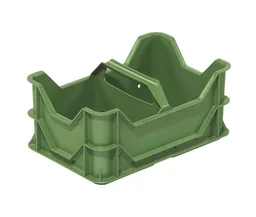
Remove damaged fruit immediately. Small bruises spread quickly in a full harvest basket. If you are not processing the vegetables straight away, wash them shortly before eating. This keeps the surface dry for longer and extends shelf life.
Regular harvesting encourages many vegetable plants to produce new flowers and fruit.
Extend the season with succession sowing
A self-sufficient balcony garden remains productive when you immediately reuse containers that become available. Follow radishes with cut-and-come-again lettuce or bush beans. After an early lettuce harvest, you can plant Swiss chard, herbs or a second crop of radishes. Remove old plants completely once they no longer produce new leaves or fruit.
- Spring: Sow radishes, cut-and-come-again lettuce, arugula, spinach and spring onions. Keep tomatoes and peppers in a sheltered spot.
- Late spring: Move tomatoes, peppers, cucumbers and basil outdoors after the cold nights. Set up climbing supports immediately.
- Summer: Harvest beans, cucumbers and ripe tomatoes daily or every two days. Sow more lettuce and radishes.
- Late summer: Use empty planters for Swiss chard, arugula, Asian greens and hardy herbs.
When creating a balcony garden, do not plan only the planting date. Decide at the same time when to prune, sow again and replant containers. This turns individual pots into a reliable harvesting cycle and your balcony into a productive edible balcony.
Frequently Asked Questions
- Which vegetables are suitable for a self-sufficient balcony garden?
- Compact tomatoes, snack peppers, cut-and-come-again lettuce, radishes, bush beans, herbs and mini cucumbers are suitable for balconies. Choose varieties with a compact growth habit and a long harvesting period. Cut-and-come-again lettuce and herbs provide repeated leaf harvests, while tomatoes and peppers produce ripe fruit over several weeks and make good use of limited space.
- How much sun do vegetables need on a balcony?
- Most fruiting vegetables need at least six hours of direct sunlight a day. Tomatoes, peppers, cucumbers and beans do best on south-, southwest- or southeast-facing balconies. Lettuce, radishes, Swiss chard and many herbs can manage with four to five hours, although they grow more slowly in bright partial shade.
- How often do I need to water balcony vegetables?
- Check the soil daily in summer. Water slowly as soon as the top layer is dry, until water runs out of the drainage holes. Large containers dry out more slowly than small ones. Mulch, saucers with an overflow and automatic irrigation help on hot days, but do not replace checking the site.
- What pot size do tomatoes and cucumbers need on a balcony?
- Allow at least ten to fifteen liters of growing medium for a compact tomato, and around twenty liters for vigorous varieties. A mini cucumber needs around twenty to thirty liters and a climbing support. The larger the container, the more evenly water and nutrients are supplied.
- When can I harvest vegetables on the balcony?
- Harvest lettuce, herbs and radishes early, as soon as they reach the desired size. Tomatoes taste best when fully ripe, while beans stay tender when picked regularly. Cut herbs just above a pair of leaves and use scissors to remove cucumbers so the shoots do not tear.
You might also be interested in
- Balcony vegetables for beginners: Start growing your own harvest
- Self-sufficiency without a garden: Tips for balconies and apartments
- How to design a productive balcony garden in a small space
- Raised beds for the balcony
- How can I make my balcony more sustainable?
- Growing strawberries on the balcony: A sweet harvest in a small space