
In brief: The most common mistakes when creating a bamboo privacy screen are choosing the wrong variety, using an inadequate rhizome barrier, not watering enough and pruning incorrectly. Avoid invasive running varieties in small gardens. Install a sturdy rhizome barrier made from HDPE at least 2 mm thick. Water regularly, especially during the first year and dry spells. Cut only old canes close to the ground; never cut off the tips.
Bamboo Privacy Screen: 5 Common Mistakes to Avoid
A dense, evergreen bamboo privacy screen creates privacy and an Asian-inspired feel. But mistakes in planning and care can spoil the result. Here’s how to get it right, from choosing the right variety to caring for your screen over the long term.
1. Choosing the wrong bamboo for your garden
Not every bamboo is right for every garden. The main difference is between clumping and running varieties. Clumping bamboo, such as Fargesia varieties, grows in compact clumps and spreads slowly. It’s a good choice for smaller gardens and can be planted without a rhizome barrier.
Running varieties, usually Phyllostachys, grow quickly and send out underground shoots. They often grow taller, but need a rhizome barrier. Also consider the mature height you want and the plant’s cold hardiness. Not all varieties tolerate winter conditions equally well.
Important note
Never plant invasive running bamboo without a professionally installed rhizome barrier. Rhizomes can grow beneath paths, patios and even foundations, causing major damage. Removing them is extremely labor-intensive.
Ask a specialist retailer or nursery about the characteristics of specific varieties. Choosing the right variety is half the battle when creating a low-maintenance privacy screen. Find everything you need for planting and care in our garden tools category.
2. Underestimating or incorrectly installing the rhizome barrier
For running bamboo, a rhizome barrier is essential. A common mistake is using the wrong material. Pond liner or thin plastic sheets can be pierced by powerful rhizomes.
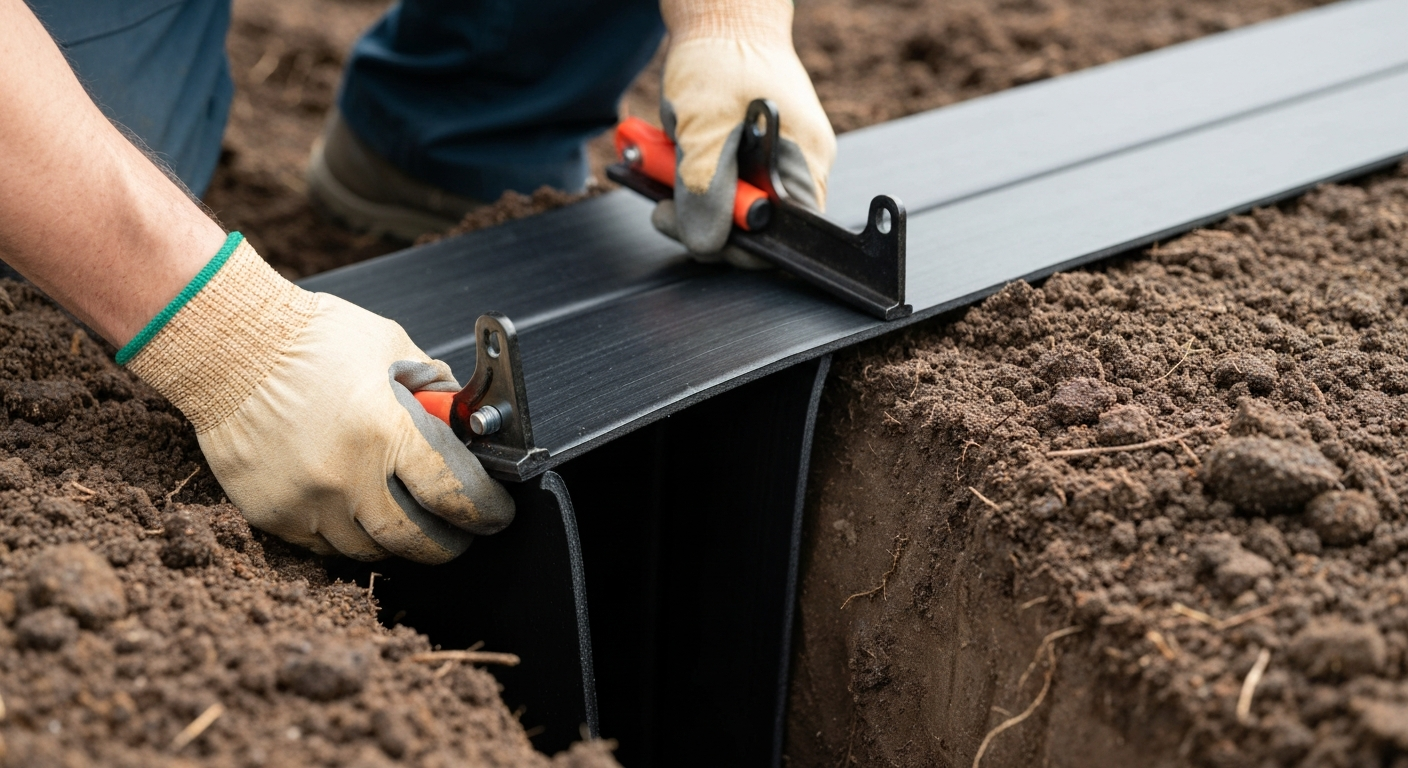
Use only specialty rhizome barrier film made from high-density polyethylene (HDPE) at least 2 mm thick. Install the barrier in a ring around the entire planting area. Leave no gaps. Securely bolt the overlap together with an aluminum rail profile.
The rhizome barrier must work like an impenetrable pot. Install it at least 65 cm deep and leave 5 cm above ground. This keeps the rhizomes from simply growing over the top.
Make the enclosed area generously sized. Bamboo needs room for its roots. Too little space restricts the plant’s growth and vigor. Allow enough room for each plant.
How do I plant bamboo correctly with a rhizome barrier?
First, dig a trench for the rhizome barrier. Place the ring in the trench and add gravel to the bottom for drainage. Then add well-draining, humus-rich planting soil. Plant the bamboo, water it thoroughly and fill the remaining space with soil. A suitable irrigation system makes care easier from the start.
3. Choosing the wrong location and soil
Bamboo is adaptable, but it doesn’t grow well in every condition. A common mistake is planting it in waterlogged soil. Bamboo doesn’t tolerate “wet feet.” Its roots can start to rot. Check how well your soil drains. Loosen heavy clay soil with sand and humus.
The ideal location gets full sun to light shade. In very dark, north-facing spots, bamboo grows slowly and sparsely. Bamboo also prefers a sheltered location. Strong, cold easterly winds in winter can cause winter burn: the plant dries out because it can’t draw water from frozen soil.
Expert tip
Before planting, work plenty of mature compost or planting soil into the ground. This helps the plants get established. After planting, cover the soil with a thick layer of bark mulch. It retains moisture, suppresses weeds and protects shallow roots in winter.
Find products such as bark mulch and specialty planting soils in our plant accessories range. Good soil preparation is an investment in the future of your bamboo hedge.
4. Watering and fertilizing incorrectly
Bamboo needs plenty of water, especially during its first two years. Its evergreen leaves continue to lose moisture in winter, too. A common mistake is watering too shallowly. Bamboo roots grow deep, so water thoroughly until the entire root ball is moist.
Let the soil dry slightly between waterings, but don’t let it dry out completely. Curled leaves are a sign of severe water stress. Container-grown plants need daily attention in summer. A high-quality garden hose or drip irrigation system is invaluable.
Many people forget to water in winter. Water evergreen bamboo on frost-free winter days, especially when it’s sunny and windy. The plant loses moisture but can’t draw more water from frozen soil. This is a common cause of plant loss.
Choose the right fertilizer for strong growth
Bamboo is a heavy feeder. A lack of nitrogen can lead to pale green leaves and weak growth. In spring, apply a nitrogen-rich slow-release fertilizer or a fertilizer made for bamboo. A second, lighter application in early summer can help. Don’t fertilize after August so the shoots have time to mature before winter.
Additional advice
Organic fertilizers such as horn shavings or compost release nutrients slowly and gently. They also improve soil structure. In fall, spread a thick layer of leaves or grass clippings over the root zone as mulch. This protects the soil and adds nutrients as it decomposes.
5. Pruning incorrectly and providing inadequate care
One of the biggest pruning mistakes is cutting every cane to the same height. If you cut off the tip of a bamboo cane, it won’t grow taller. Instead, it will send out side shoots, creating a bushy but unnatural appearance.
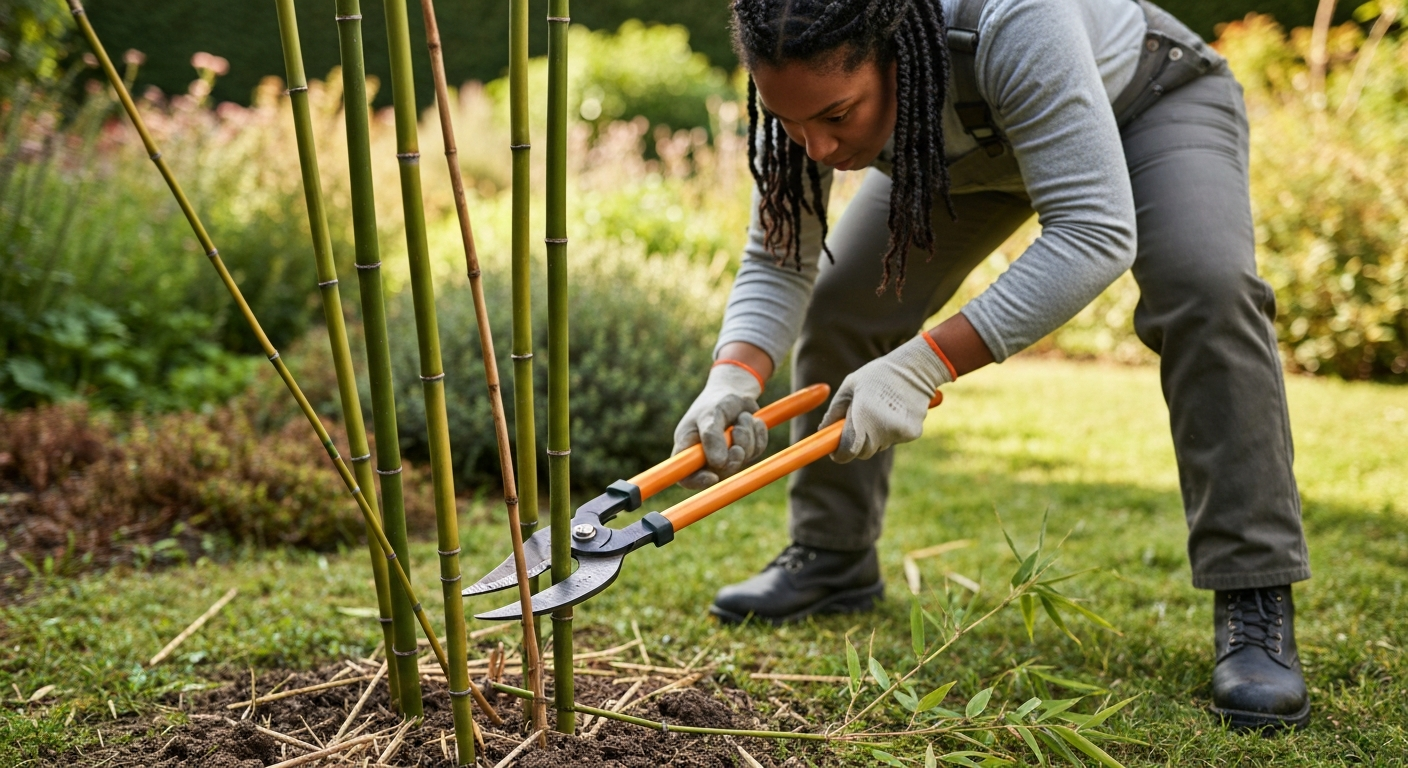
Instead, cut entire canes close to the ground. Each year, remove some of the oldest, woodiest and thinnest canes. This encourages new growth and lets more light and air into the hedge. New, strong canes can then grow. The best time to prune is late spring, when new shoots appear.
Care throughout the year
In fall, leave fallen leaves over the root zone. They provide natural winter protection and mulch. If you have running varieties, regularly check for rhizomes growing beyond the barrier. During severe freezes, protect young plants with garden fleece.
In spring, check the ties on tall-growing varieties. Loose supports can cause chafing. With thoughtful, year-round care, your bamboo privacy screen can form a dense green wall for many years.
The Right Accessories for Your Bamboo Privacy Screen
For planning, installation, and maintenance, you need the right tools and materials. We’ve put together the most important products for you.
: A sturdy, professional-grade rhizome barrier is essential for containing spreading bamboo. Made from durable HDPE, this model is easy to install and provides long-lasting protection.
: High-quality pruning shears are essential for thinning and maintenance pruning. These bypass pruners make clean cuts that heal quickly and help prevent disease from entering.
: Special bamboo fertilizer provides your plants with an ideal supply of nitrogen, potassium, and trace elements. Its slow-release formula supports steady, healthy growth throughout the season.
Find more useful gardening tools, from spades for planting to watering cans for young plants, in our extensive Garden + Outdoor range.
Conclusion: The Right Knowledge for the Perfect Privacy Screen
A bamboo privacy screen is a worthwhile investment. Avoid the five common mistakes—choosing the wrong variety, using an inadequate rhizome barrier, selecting a poor location, providing too little water and nutrients, and pruning incorrectly. With the right preparation and regular, appropriate care, you can enjoy your evergreen, vibrant boundary for many years. Take the time to set it up properly and you’ll save yourself a lot of trouble and work later on.
Frequently Asked Questions
- What type of bamboo is best for a privacy screen?
- Hardy clumping varieties such as Fargesia robusta 'Campbell' or Fargesia murielae 'Jumbo' are especially well suited to privacy hedges. They do not spread invasively. Phyllostachys varieties can work in Mediterranean gardens, but they need a rhizome barrier. The best choice depends on the height you want, your climate, and the available space.
- How deep should a rhizome barrier for bamboo be?
- A sturdy HDPE rhizome barrier should be buried at least 65 to 70 cm deep. Most rhizomes grow in the top 30-50 cm of soil, so this depth provides a safety margin. Leave 5 cm above ground to prevent surface spreading. Install the barrier in a complete ring and seal it securely, with no gaps at the ends.
- How often should I water a bamboo privacy screen?
- During the first year after planting, bamboo needs regular watering, especially in dry conditions. Water thoroughly so the root ball is fully moistened. Established hedges need watering every 5-7 days during extended dry spells. Rolled-up leaves are a sign of drought stress. A layer of bark or leaf mulch significantly reduces evaporation.
- When and how should I prune a bamboo privacy screen?
- The best time to prune is late spring, after new culms have emerged. Remove only old, dead, or excessively thin culms at ground level using a sharp saw. Never cut off the tops of the culms, as this results in unnatural growth. Regular thinning encourages new growth and keeps the hedge dense.
- Why is my bamboo privacy screen turning brown or losing leaves?
- Brown leaves or leaf loss can have several causes, with drought stress being the most common. Other possible causes include waterlogged soil, nutrient deficiencies, overly vigorous pruning, or severe winter frost affecting young plants. Check the soil moisture and fertilize in spring with a special bamboo fertilizer or organic slow-release fertilizer.
You May Also Be Interested In
- Bamboo Privacy Screens: The Best Varieties and Planting Tips
- How to Attach a Privacy Screen: The 5 Most Common Mistakes
- Flexible Privacy Screens for Pushing into the Ground: Quick Solutions for Gardens & Balconies
- Build Your Own Wooden Privacy Screen: Instructions and Ideas
- Garden Privacy Screen Ideas for Privacy and Design
- How to Care for a Privacy Screen: Keep It Clean and Durable