
In brief: A sump pit is a basin in the basement floor fitted with an automatic submersible pump. It collects incoming water—whether groundwater, seepage or condensation—and pumps it away in a controlled manner. This active protection prevents standing water, minimizes moisture damage to the building structure and helps keep your basement dry.
What is a sump pit, and how does it work?
A sump pit is a feature installed in your basement floor. It consists of a recessed shaft or basin made of plastic or concrete, where unwanted water collects.
A submersible pump with a float switch sits in the basin. As the water level rises, the float lifts and automatically switches on the pump. The water is carried out of the building through a discharge pipe, usually to a storm drain or a soakaway.
The system operates automatically and responds as soon as water enters. It serves as a last line of defense against moisture from below. Together, the collection basin and pump actively help keep your basement dry.
What types of water does a sump pit collect?
A sump pit handles more than one type of water. It collects groundwater under pressure that seeps through hairline cracks in the concrete floor.
It also collects seepage entering through the basement wall from the side. Condensation from pipes or the heating system can drain into it, too. Even if a washing machine in the basement develops a small leak, the sump provides reliable backup.
For installation and maintenance, find the tools you need in our Power Tools category.
Pro tip
Always place the sump at the lowest point in the basement. Use a spirit level to check the floor's slope. Gravity must carry the water reliably into the basin. A slope in the wrong direction can make the system ineffective.
Why should you install a sump pit?
Damp basement walls are more than a cosmetic problem. They can put your home's structural integrity at risk. Masonry absorbs water like a sponge, leading to efflorescence, peeling plaster and, over time, structural damage.
A persistently damp environment is an ideal breeding ground for mold. Mold spores can damage masonry and affect your health. An active sump pump removes moisture at its source before it can cause damage.
“Most moisture damage in basements isn't caused by catastrophic flooding, but by continuous seepage. A sump pit interrupts this process and helps protect the building structure.”
A dry basement can also increase your property's value. You can use it again as living space or for storage. You'll reclaim usable floor space while protecting stored items from moisture.
Combining a sump pit with other protective measures
A sump pit alone is rarely a complete solution. It's one part of a multi-stage protection system. The first stage is professional exterior basement waterproofing to protect against water under pressure.
The second stage may include interior insulation or a drainage system. The sump pit is the third and final stage, catching water that gets past the other barriers. Together, these measures can help keep your basement dry.
For additional outdoor projects, such as installing a drainage system, find materials in Garden Irrigation.
How do you install a sump pit correctly?
Installation takes careful planning and practical skills. Start by choosing the right location: the lowest point in the room, often near an existing drainpipe.
Mark the opening on the floor. If you have a concrete floor slab, you'll need to break it up with a rotary hammer or demolition hammer. The pit should be about 20 centimeters deeper and wider than the sump basin.
Important note
Before breaking up the floor, check for utility lines (electricity, water and wastewater). A cable and pipe locator or your home's building plans can help you find them. Cutting a utility line can be costly and put your safety at risk.
Place the basin in the pit. Fill the gap around it with gravel or sand, compacting the material in layers. This filter layer helps prevent soil from washing into the basin and clogging the pump.
Connecting the pump and discharge pipe
Next, install the submersible pump. Make sure the float switch can move freely. Connect the pump's discharge pipe to the outlet to carry water outside.
The pipe must have a slope of at least two percent and be protected from freezing. A check valve in the pipe prevents water from flowing back when the pump stops. Ideally, have an electrician connect the pump to the power supply.
For plumbing and water connections, find high-quality components in our Plumbing + Irrigation range.
Which pump is right for your sump?
Choosing the right submersible pump determines how well it performs. Pay attention to two key specifications: the head height and the flow rate. The head height, measured in metres, indicates how far the water needs to be pumped upward.
Add the height from the sump to the discharge point, plus a safety margin. The flow rate in litres per hour should match the expected water inflow. For normal seepage levels, 6.000 to 10.000 l/h is sufficient.
“Many pumps fail not because of their capacity, but because dirt blocks the float switch. That’s why cleaning the sump regularly is more important than the pump’s maximum capacity.”
Material and design are other factors to consider. Pump housings made of stainless steel or durable plastic resist corrosion. An impeller designed for sludge can also reliably pump slightly contaminated water. A float switch is often more reliable than an electronic sensor.
Additional advice
Install a second backup pump in critical areas such as a boiler room. Both pumps should sit at different heights in the sump. If the main pump fails, the backup takes over automatically. This redundancy costs a little more, but provides added protection against pump failure.
Special case: the cellar tap
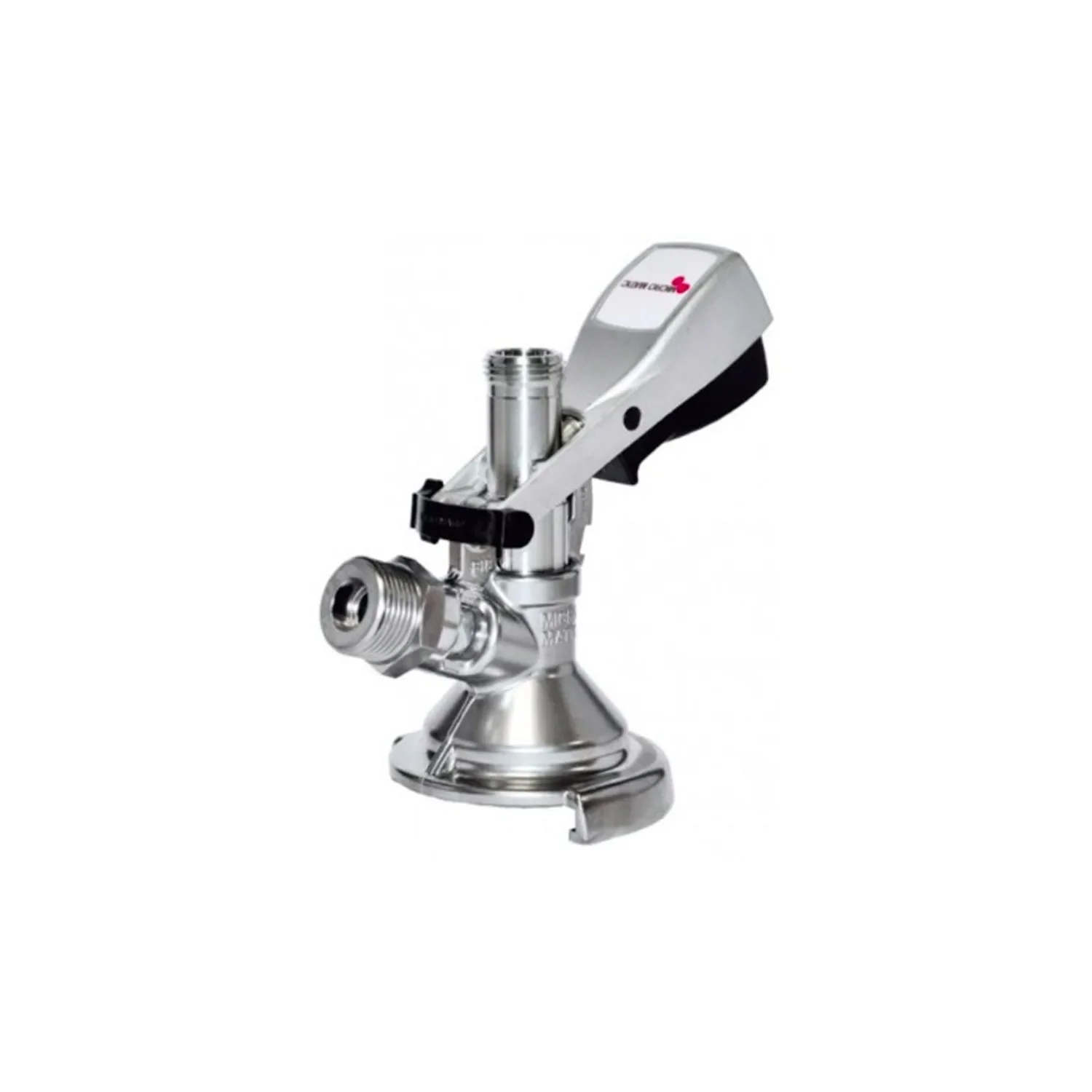
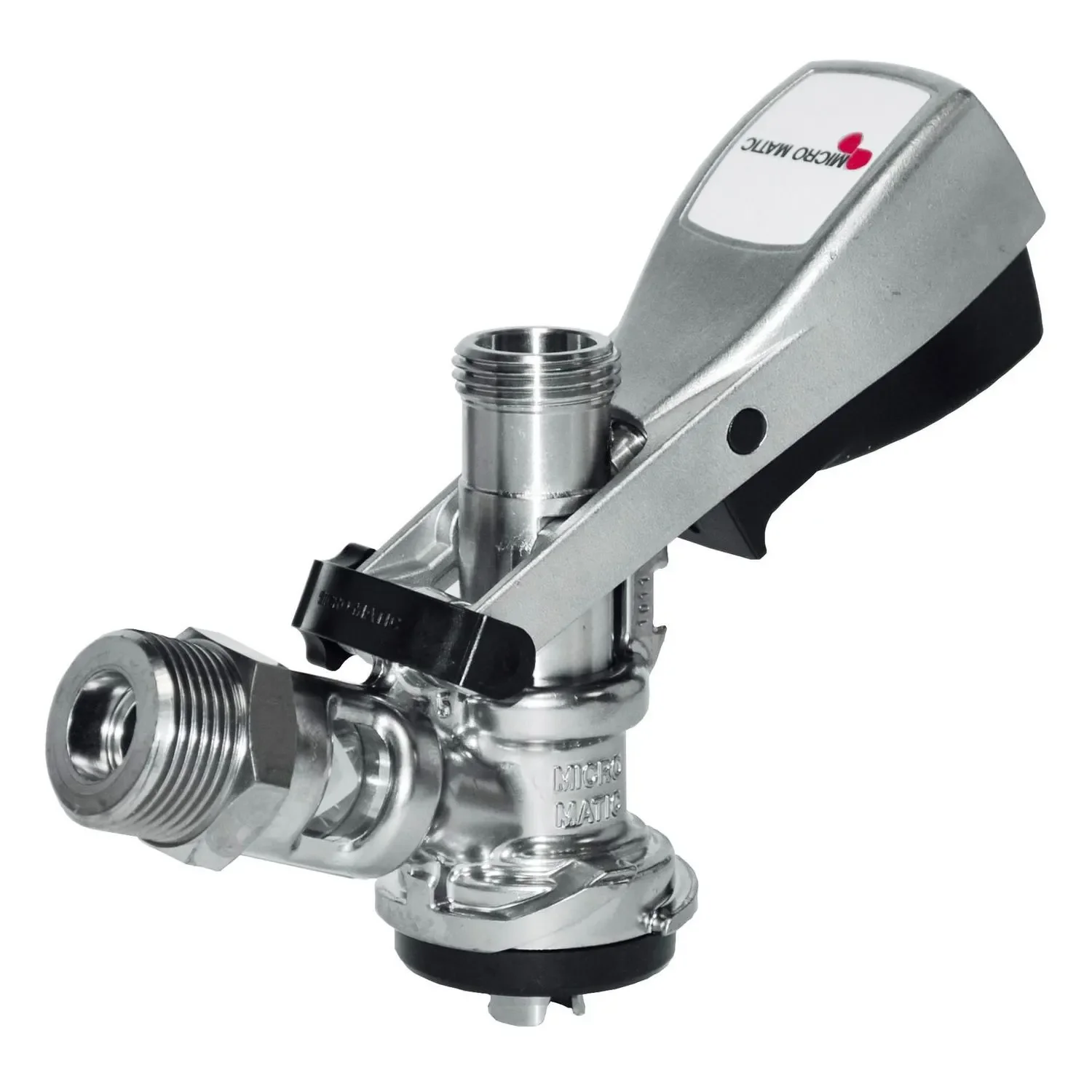
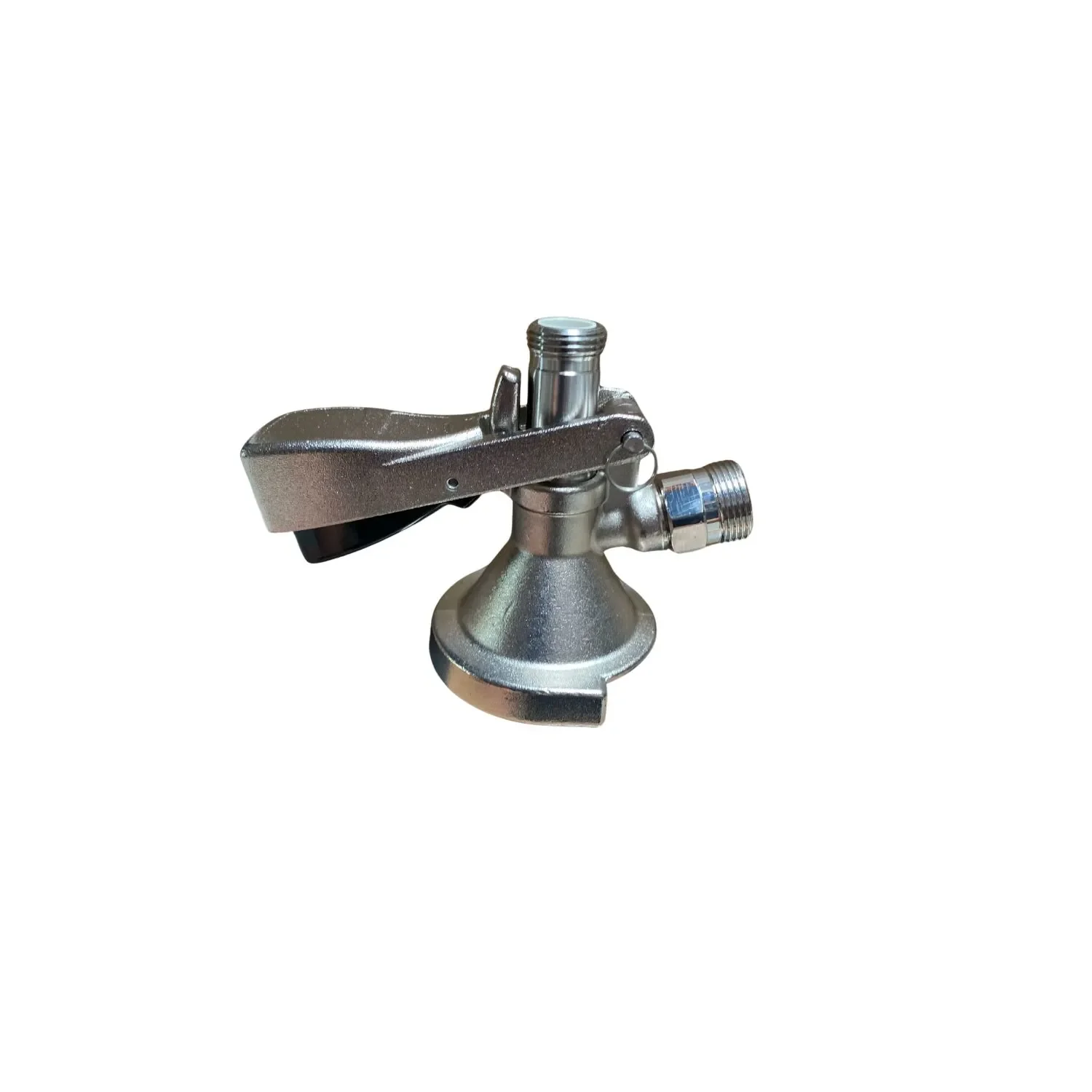
Many older buildings already have an old, often clogged floor drain. In this case, you can retrofit it with what is known as a cellar tap. This is a special tap head that fits an existing barrel or wine-storage connection.
Drill the tap into the sump and connect a pump to it. This is a minimally invasive solution if you do not want to break up the entire floor. Making sure the system is watertight is the top priority.
How can you maintain your sump reliably?
Maintenance is essential for proper operation. Set a regular schedule. Inspect the sump visually every three months. Turn off the pump at the circuit breaker and lift the cover.
Remove leaves, stones and sludge from the sump. Check that the float can move freely. Carefully lift it by hand to trigger a test run. The pump should start immediately and pump water.
Give the sump a thorough cleaning once a year. Remove the pump and rinse it with clean water. Check the impeller for wear and limescale buildup. Inspect the discharge pipe to make sure it is clear, using a drain snake if needed.
For cleaning and maintaining your entire household, we offer practical supplies in our operating supplies.
Common problems and their solutions
Is the pump running continuously but not pumping water? This could mean the intake strainer is clogged or the impeller is jammed. Clean both components. A humming noise without water being pumped may indicate dry running—the pump must always stand in water.
If the pump does not start at all, first check the fuse and outlet. If the power supply is working correctly, the float switch may be faulty or jammed. Replace it if necessary. An unpleasant smell from the sump can indicate stagnant, foul-smelling water. This means the pump is not removing all the water. Raise the float or clean the sump thoroughly.
Flood protection: what a sump can do
A sump is an excellent way to protect against groundwater and seepage. However, it cannot stop floodwater that enters under pressure through doors, windows or window wells. The pump cannot remove water that collects in the room above the sump.
It is therefore only one part of basement flood protection. Combine it with physical barriers, such as watertight windows and doors, screw-on barriers for window wells and pressure-resistant waterproofing on exterior walls.
A comprehensive strategy also includes the area around your home. Make sure the ground slopes away from the house so surface water can drain away. Keep gutters and downspouts clear. In an emergency, plan to use portable pumps and sandbags.
For portable solutions and emergency equipment, take a look at our special offers.
A professionally installed and maintained sump can turn your basement from a damp problem area into a dry, usable space. It protects your property, your health and your home’s value. Start by thoroughly analyzing the cause of the dampness. Then plan a system suited to your circumstances. Choose quality materials and professional installation. This investment can provide peace of mind for many years to come.
Frequently asked questions
- When do I need a sump pit in my basement?
- You need a sump pit if water occasionally collects in your basement or the walls and floors are damp. A high groundwater level in your area or a lack of perimeter insulation may be contributing factors. Retrofitting is also advisable if water occasionally enters through cracks or if you use the basement as a utility room or storage area.
- Can I install a sump pit myself?
- Experienced DIYers can install the sump pit and connect the pump themselves. You will need to break up the basement floor, install the pit and lay the drainage pipe. For safety and reliable operation, have a qualified contractor handle the pump’s electrical installation and check that the system is watertight.
- How often does a sump pit need to be serviced?
- Check the pump and sump pit every three months. Remove dirt and deposits from the pit. Test the float switch manually. Once a year, give the system a thorough cleaning by removing the pump and checking it for wear. Add these dates to your calendar—regular maintenance helps prevent failures during heavy rain.
- How much does it cost to retrofit a sump pit?
- Costs vary considerably. For materials such as the pit, submersible pump, pipes and sealant, expect to pay between 500 and 1,500 euros. If a qualified contractor handles the installation and electrical connection, total costs can rise to around 2,000 to 4,000 euros. The final price depends on the ground conditions, the pump capacity required and how accessible the basement is.
- Does a sump pit also protect against flooding?
- A sump pit protects against groundwater pressure and seepage, but not against fast-moving surface floodwater. If water rises faster than the pump can discharge it, or enters through doors and windows, the system will reach its limits. For comprehensive protection, combine the sump pit with a waterproof barrier.
You may also be interested in
- Basement renovation: Tips for keeping it dry and preserving its value
- Flood protection for basements and garages: Effective measures
- Sewage pump reviews and comparisons 2026: The best models tested
- How to dry out a damp basement and waterproof the exterior walls
- External pump or submersible pump? The ultimate comparison
- Interior basement waterproofing: How to keep your basement dry