
In brief: Smoke detectors mainly use alkaline or lithium batteries. Alkaline batteries are a reliable, widely available choice. Lithium batteries last significantly longer and are especially stable across a wide range of temperatures, making them ideal for long-term use. The right choice depends on your detector and priorities.
A working smoke detector can save lives, and a reliable battery is at the heart of this essential device. In our 2026 comparison, we look at the best batteries for smoke detectors. We explain the differences between alkaline and lithium batteries and offer clear buying advice to help you choose the right power source for your home's safety.
Table of Contents
What types of batteries are available?
Two battery types are commonly used in smoke detectors: alkaline and lithium. Each has its own advantages and disadvantages.
Alkaline batteries: The classic choice
Alkaline batteries are the most widely used option. They are inexpensive and available in many sizes. Smoke detectors generally use 9V batteries or, less commonly, AA or AAA batteries. They typically last one to two years and work well in standard smoke detectors that are checked regularly.
Note: Check the expiration date on alkaline batteries. Store them in a cool, dry place to reduce premature self-discharge.
Lithium batteries: The long-lasting choice
Lithium batteries can last up to 10 years. They are highly stable across a wide range of temperatures and have very low self-discharge. This makes them ideal for smoke detectors installed in hard-to-reach places or rooms where temperatures fluctuate. Long-lasting lithium batteries are often available in 9V sizes.
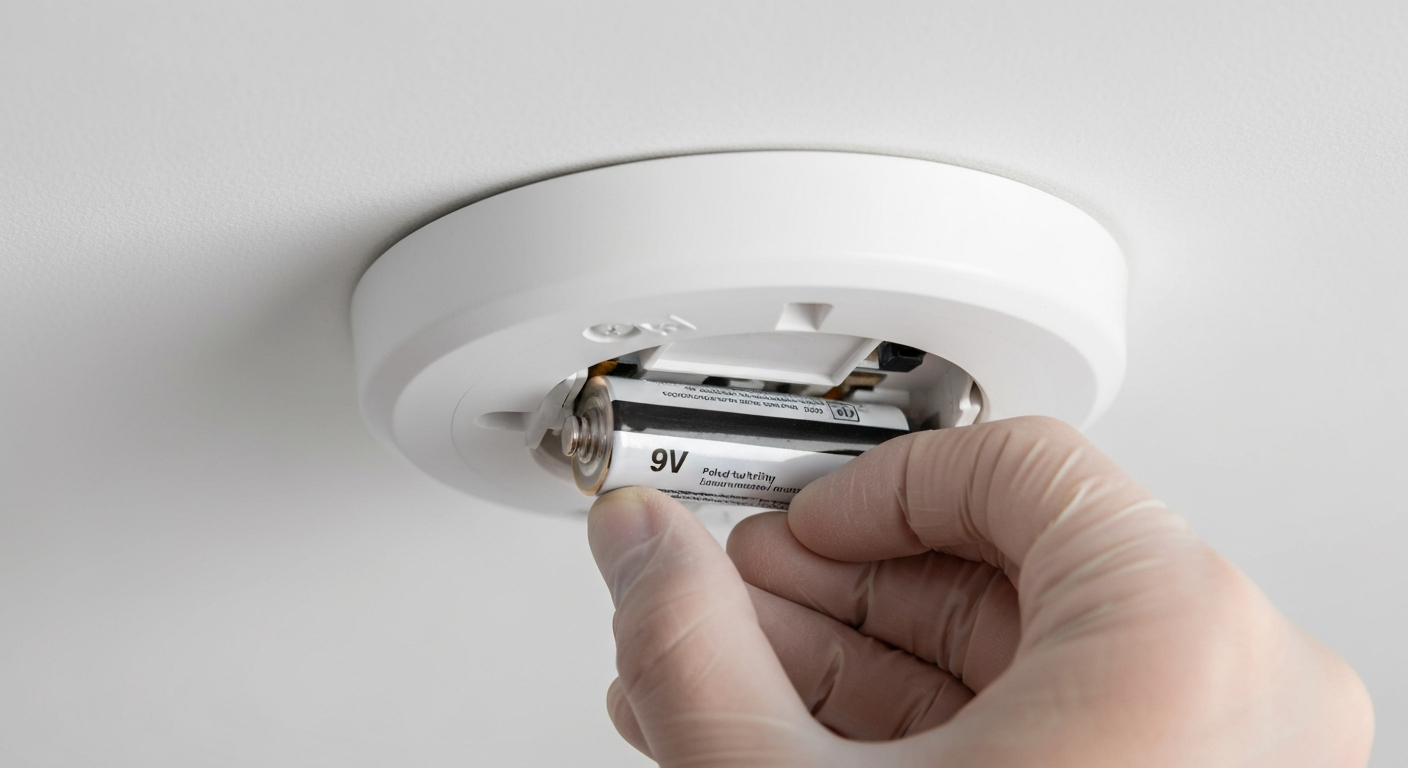
How do I choose the right battery?
The right battery depends on several factors. First, always check the manufacturer's specifications for your smoke detector. They will clearly state the recommended battery type.
Decide whether an affordable standard option that needs annual replacement will work for you, or whether you would prefer a low-maintenance battery that lasts longer. Consider where the detector is installed. A detector mounted on a high ceiling in a hard-to-reach spot can benefit from a lithium battery.
Warning: Never use rechargeable batteries (NiMH, NiCd) in smoke detectors. Their discharge curve is unsuitable for the detectors' sensitive circuitry and can cause malfunctions.
Choosing batteries for different types of detectors
Smoke detectors vary. Basic optical detectors for homes may have different power requirements than interconnected or wireless models.
- Basic standalone detectors: Often use standard 9V alkaline batteries.
- Interconnected detectors: May use more power because of wireless communication. Check the manufacturer's specifications.
- Detectors with hush features: Need a steady voltage, so lithium batteries may be a good choice.
For more information about the different battery types, visit our Batteries category.
Comparing the test criteria
For a useful comparison, we evaluated the batteries using criteria that matter for your safety.
Battery life and shelf life
Rated battery life under standard conditions is a key criterion. Lithium batteries have a clear advantage here. We also consider shelf life and temperature resistance.
Reliability and voltage stability
A smoke detector needs a steady voltage for the entire life of its battery. If the voltage drops too soon, the detector may give a false alarm or stop working. High-quality batteries maintain their rated voltage consistently over a long period.
Compatibility and safety
The battery must fit your smoke detector both physically and electrically. We check for standard sizes and correct polarity. Safety certifications are an important sign of quality.
Tip: Write the battery replacement date directly on the battery or detector. That makes it easier to keep track and replace the battery on time.
Smoke Detector Batteries Compared
A side-by-side comparison shows what each product has to offer. Here’s an overview of the models tested, with a focus on quality, long battery life, and reliable performance in safety devices.
Here are the most-reviewed smoke detector batteries in our range:
| Model | Customer rating | Availability |
|---|---|---|
| Alkaline 9V Block Smoke Detector Battery - 6 Pack | – | Currently unavailable |
| Industrial Micro (AAA) Alkaline Battery - 24 Pack | – | Currently unavailable |
| Industrial Mignon (AA) Alkaline Battery - 24 Pack | – | Currently unavailable |
| Lithium 9 Volt Block Battery - 1 Piece | – | Currently unavailable |
| Lithium 9V Block Battery - 1 Piece | – | Currently unavailable |
Featured Products in Detail
Some batteries stood out in our test. The
, for example, is an alkaline battery designed specifically for smoke alarms and comes in a convenient 2-pack. It provides reliable everyday power.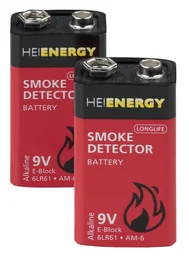
For more demanding applications, the
is a powerful alkaline option. It offers high capacity and consistent power output.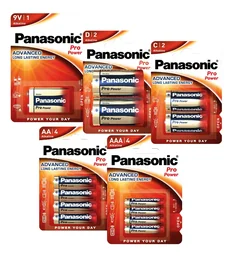
For a premium, long-lasting solution, we recommend the
. This lithium 9V block battery for smoke detectors is designed to last up to 10 years and deliver dependable performance.
Browse our wide selection of batteries for safety devices in Smoke Detector Batteries.
Maintenance and Battery Replacement
Regular maintenance helps keep your smoke detector working properly. Test it at least once a month using the test button to make sure the detector and battery are working correctly.
How to Replace a Smoke Detector Battery
- Press the test button to temporarily silence the detector.
- Open the battery compartment, usually by twisting or sliding the detector cover off.
- Remove the old battery and dispose of it properly.
- Insert the new battery, making sure the polarity (+/-) is correct.
- Close the compartment. The detector should beep to confirm the battery is installed.
- Press the test button to perform a full function test.
Safety Instructions
Follow these safety guidelines when handling smoke detector batteries to protect yourself and help ensure your devices work properly.
- Keep spare batteries out of the reach of children.
- Never throw used batteries into a fire. They may explode.
- Avoid short circuits. Do not touch both terminals at the same time with a conductive object.
- Replace all batteries in an installation at the same time to keep to a consistent maintenance schedule.
- Dispose of batteries according to local regulations at a collection site or through a retailer.
Learn more about home technology in our Technology section.
Buying Tips and Conclusion
When choosing a smoke detector battery, put safety first. Choose products from trusted brands and manufacturers. Cheap batteries may deliver inconsistent performance and pose a safety risk.
Our Recommendation
For most households with easily accessible smoke detectors, high-quality alkaline batteries are an excellent choice. They’re reliable and widely available. Lithium batteries are a great option for long-term use, hard-to-reach detectors, or longer intervals between maintenance. Their higher price can be worth it thanks to their long service life.
Remember: even the best battery can’t help if the smoke detector itself is outdated. Replace smoke detectors after the service life specified by the manufacturer, usually 10 years. Invest in your safety with high-quality components. A working smoke detector is an essential lifesaver in every home.
Frequently Asked Questions
- How often should I replace the battery in my smoke detector?
- Manufacturers recommend replacing standard alkaline batteries once a year. Depending on the battery type and how it’s used, lithium batteries can last 5 to 10 years. Test your smoke detector monthly with the test button. Regular beeping is an early warning that the battery is running low.
- Can I use any 9V battery in my smoke detector?
- No. Use only battery types approved by your smoke detector’s manufacturer. You can find this information in the user manual. Smoke detectors need a steady voltage, and unapproved or low-quality batteries can cause malfunctions.
- What are the benefits of lithium batteries in smoke detectors?
- Lithium batteries can last up to 10 years. They withstand temperature fluctuations and have a very low self-discharge rate, making them ideal for low-maintenance installations. Their higher upfront cost is offset by their long lifespan.
- Why is my smoke detector beeping even though I’ve installed a new battery?
- Beeping can have several causes. Check that the battery is installed correctly and that the contacts are clean. Some detectors beep when they reach the end of their service life (approx. 10 years). If you’re unsure, check the manufacturer’s instructions or replace the detector.
- Can I use rechargeable batteries in my smoke detector?
- Using standard rechargeable batteries is strongly discouraged. Their voltage drops as they discharge, which can cause false alarms or failures. Use only the primary batteries recommended by the detector’s manufacturer (alkaline or lithium).