
In brief: A battery pressure sprayer is ideal for medium-sized to large gardens. It provides constant pressure for even application without physical effort. A hand pump is sufficient for small balconies or very occasional, targeted use. For regular garden maintenance, the battery-powered model is the better choice.
You are standing in front of the shelf and see two types of sprayers: the classic hand sprayer with a pump mechanism and the modern battery pressure sprayer. Both appear to perform the same task, but in practice, they are worlds apart. The choice between these two technologies affects not only your working comfort, but also the health of your plants and the effectiveness of your plant care. It is about more than convenience. It is about precision, time and, ultimately, better results in your garden.
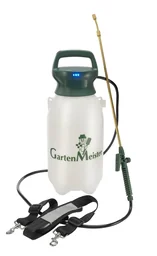
For anyone who regularly treats larger areas and values even results, there is hardly any alternative to a battery-powered model. The Lithium-Ion Battery Sprayer 8 Litres "GM ASL 8" () is a prime example. With its 8-litre tank and powerful lithium-ion pump, it delivers a constant spray at the touch of a button. You carry it comfortably over your shoulder, set the desired pressure and focus fully on the precise application of fertilizer or plant protection products. The tiring, strenuous pumping is eliminated completely.
Even spray mist is not a luxury but the foundation for healthy plants. It ensures that every part of the plant receives the right dose without scorching leaves or missing pests.
Why is constant spray pressure so important for plant protection?
The success of plant protection treatments or liquid fertilizer application depends directly on how evenly the product is applied. Fluctuating pressure, which is unavoidable with hand pumps, causes serious problems. Immediately after pumping, the pressure is high. This produces large, heavy droplets that roll off the leaves or collect in one spot. The product is wasted and can cause burns on leaves and flowers.
As the pressure drops, the spray mist becomes weak and insufficient. The liquid no longer reaches all parts of the plant, especially the undersides of leaves where pests often hide. The treatment becomes patchy and ineffective. You have to pump again, and the uneven cycle starts all over. A battery pressure sprayer eliminates this problem. Its integrated pump provides constant working pressure from the first drop to the last. The result is a fine, uniform spray mist that settles over the entire plant like a protective film. This ensures complete coverage and maximum effectiveness.
The battery pressure sprayer: Powerful and consistent
The key advantage of a battery sprayer is its built-in motor. It does the work that you would otherwise have to perform using pure muscle power. This fundamentally changes gardening, especially when you have more than a few square metres to treat.
Consistent performance without physical effort
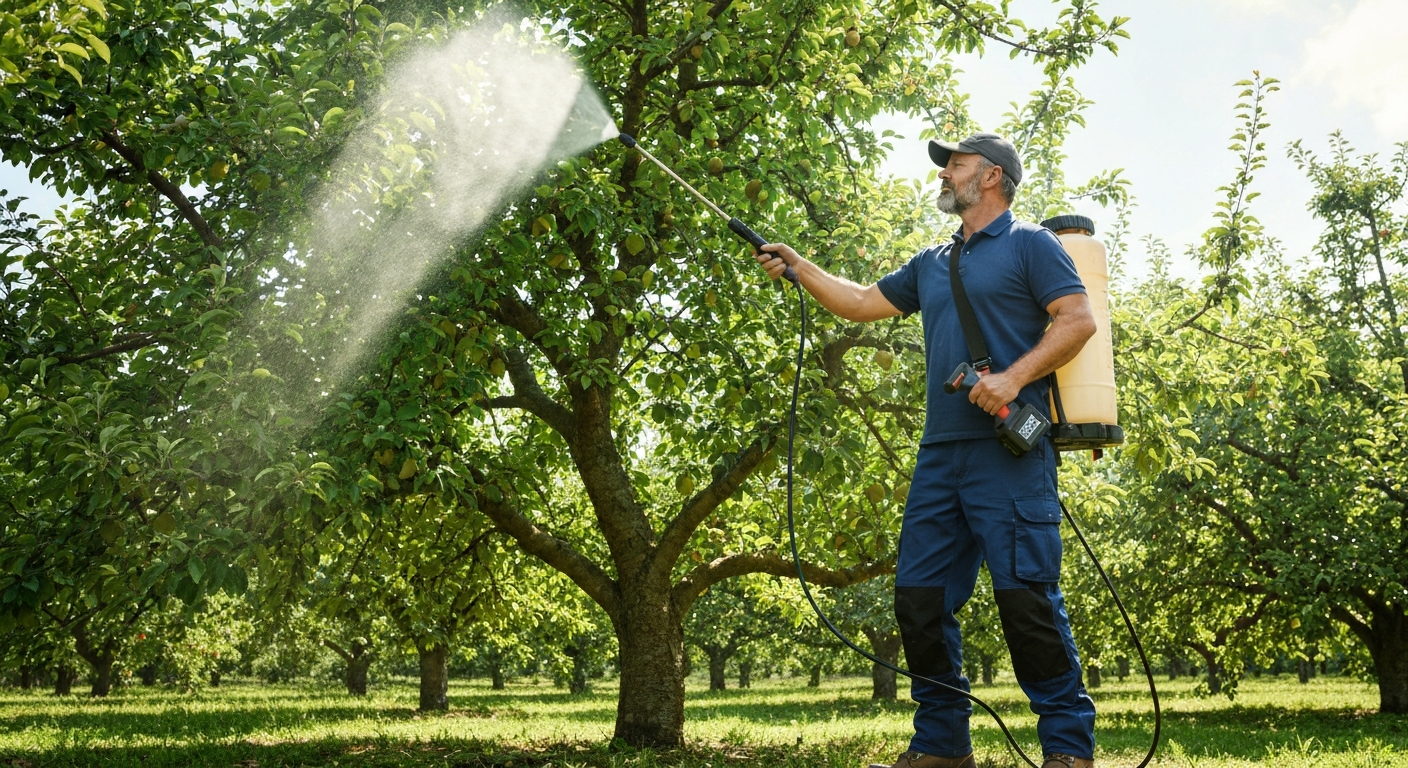
Imagine treating your fruit trees or a long hedge. With a hand sprayer, you would have to stop and pump every few metres. Your arms become tired and your concentration fades. With a battery-powered device such as the GM ASL 8 (), you simply press the switch on the spray wand. The pump starts and delivers a continuous, consistent spray. You work without interruption or exertion. This not only protects your back and joints but also enables much more precise work.
Efficiency and time savings
Without the need to pump, you work significantly faster. Large areas such as lawns or vegetable beds can be treated in a fraction of the time. The GM ASL 8's 8-litre tank also reduces the number of refilling breaks. You can use this extra time for other tasks in your Garden + Outdoor area. Here, efficiency means not only speed but also less physical strain.
Pro tip
Fully charge your sprayer's battery after every major use. Over winter, store it in a cool but frost-free place at around 50-70 % charge. This maximizes its service life and ensures that your device is ready to use as soon as spring arrives.
Precision during application
Modern battery sprayers feature adjustable nozzles. You can adjust the spray from a precise, far-reaching jet to a fine, wide mist. Constant pressure ensures that the selected spray pattern is maintained. This allows you to target individual plants or quickly cover large areas. This precision saves expensive fertilizer and plant protection products because less is wasted.
The hand sprayer: A classic for small jobs
Despite the clear advantages of battery technology, the classic hand sprayer still has its place. It is inexpensive to buy, simple in design and requires no power source. For very specific and limited tasks, it may be the right choice.
The drawbacks: Fluctuating pressure and physical effort
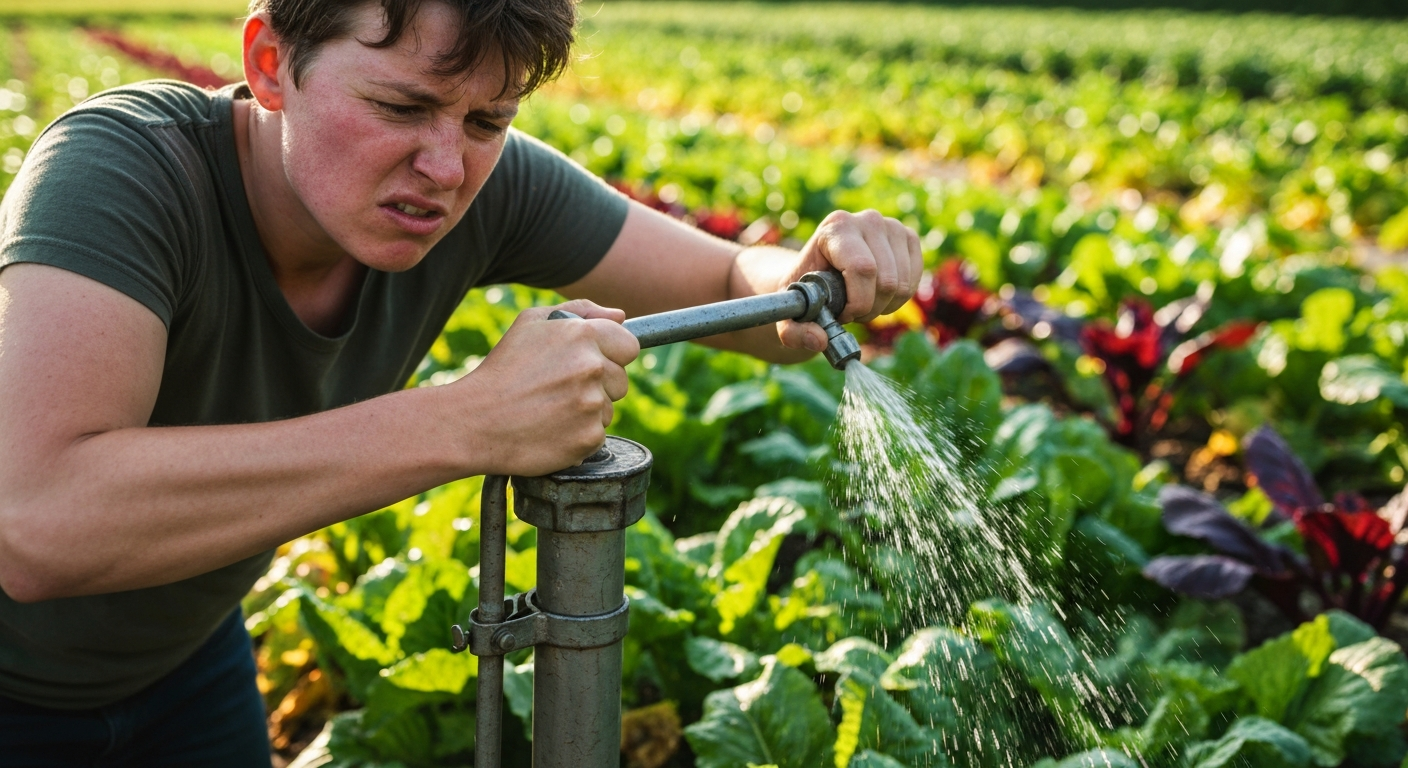
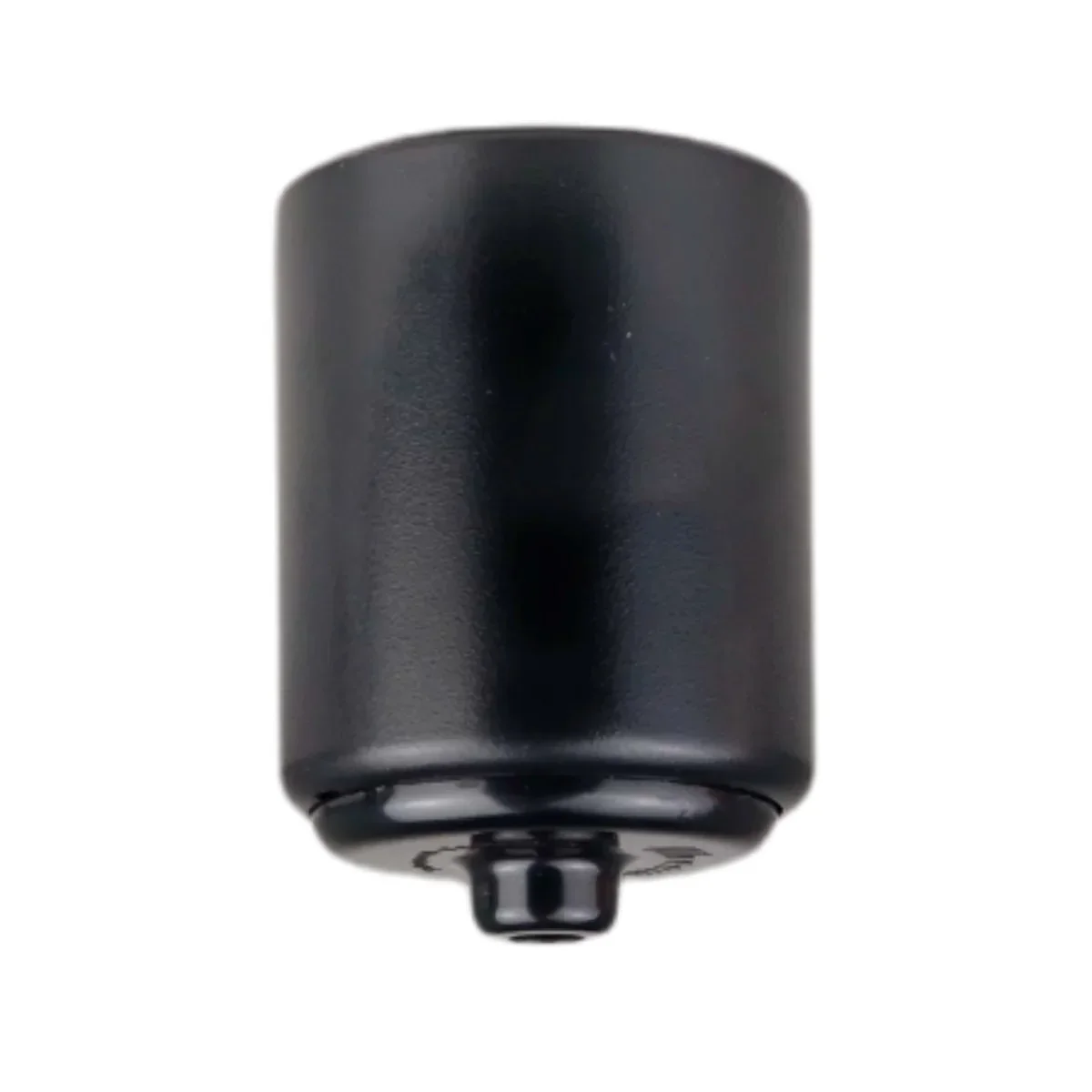
The main drawback remains manual pressure generation. A simple Hand Pump - Piston Pump for Profi Tap () illustrates the principle: you use muscle power to create pressure in the container. This pressure escapes with every spray and must constantly be rebuilt. The result is uneven application and considerable physical strain. For larger areas or regular use, this principle is simply impractical and tiring.
Important note
Never use the same sprayer for herbicides (weed killers) and plant protection products or fertilizer. Even after thorough cleaning, residue can remain in the device and damage your crops. Clearly label your equipment.
Suitable applications
When does a hand sprayer make sense? For caring for window boxes, houseplants or a very small herb bed. If you only need to treat a single rose for aphids every few weeks, the effort is manageable. A small hand sprayer may also be sufficient for moistening seed-starting soil or targeted weed control on paths. However, as soon as you are caring for an entire vegetable garden, several fruit trees or a lawn area of more than 50 square metres, you will quickly reach the limits of what is practical.
How do I know which sprayer is right for me?
Choosing the right device depends on your individual requirements. Answer the following questions to help you make an informed decision:
- How large is the area to be treated? A hand sprayer is sufficient for individual pots and window boxes. For a garden of 50 m² or more, lawns, hedges or several trees, a battery-powered pressure sprayer is the much better choice.
- How often will you use the device? If you use it weekly or more often, the convenience of a battery-powered device quickly pays off. For occasional use once per season, a hand pump may be sufficient.
- What tasks do you want to carry out? For treating large areas of lawn with fertiliser or preventing pests on fruit trees, you need the endurance and consistent pressure of a battery-powered device. A hand pump is sufficient for misting seedlings.
- How important are comfort and ergonomics to you? If you want or need to avoid physical exertion, the answer is clear: a battery-powered pressure sprayer. The shoulder strap and push-button operation help protect your strength and joints.
Modern battery systems offer enormous flexibility today. If you already own power tools with a battery, you can often use the same battery for a whole range of devices, from lawnmowers to pressure sprayers.
Application areas in detail: Where do the devices excel?
Let’s look at specific scenarios where the differences become particularly clear.
Applications for battery-powered pressure sprayers
A battery-powered model shows its strengths in tasks that require volume and endurance. Caring for fruit trees becomes child’s play, as the lance and constant pressure allow you to reach high branches effortlessly. When treating large areas of lawn against moss or weeds, you achieve an even result without striping. In the greenhouse, you can distribute plant protection products so finely that even the undersides of leaves are moistened without drowning the sensitive plants. It can even be used in the Sanitary + Irrigation sector to apply algae remover to patios or for disinfection.
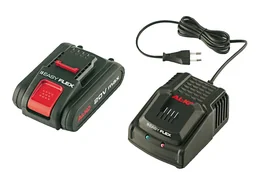
Integration into battery families is another advantage. A set such as the "EasyFlex" value set () often powers a whole range of garden tools, saving money and simplifying organisation.
Applications for hand sprayers
The hand sprayer is the specialist for small-scale tasks. Have you discovered aphids on a single geranium on your balcony? A small hand sprayer filled with soapy water is perfect for this. Do you want to moisten freshly sown herbs indoors? The gentle mist from a hand sprayer is ideal. It is the tool for targeted, small-scale treatment where setting up a larger device is not worthwhile.
Additional advice
Clean your sprayer thoroughly with clear water after every use. Fill the tank with water and spray it through the lance and nozzle to remove all residues. This prevents blockages and significantly extends the service life of the seals and pump.
For the enthusiastic gardener, the choice is clear. While the hand sprayer remains a solution for the smallest tasks, the battery-powered pressure sprayer revolutionises plant care. Investing in a device such as the GM ASL 8 battery sprayer () quickly pays off through time savings, better plant protection and, above all, effortless and comfortable work. You will wonder why you put up with all that pumping for so long.
Frequently Asked Questions
- How long does the battery last in a pressure sprayer?
- Battery life varies depending on the model and pressure setting. A good device such as the GM ASL 8 battery sprayer (PRODUCT_72934) can run continuously for several hours on a single charge. You can easily spray several tankfuls.
- Can I also apply weed killer with a pressure sprayer?
- Yes, pressure sprayers are ideal for this. Make sure the device is clearly labelled separately to avoid confusing it with plant protection products. Clean the device thoroughly after use to prevent damage to other plants.
- Is a battery-powered pressure sprayer heavier than a manual device?
- The empty weight is slightly higher because of the battery and pump. However, once the device is filled with liquid, the difference is hardly noticeable. A comfortable shoulder strap distributes the weight effectively and takes the strain off your arms.
- What pressure is ideal for a pressure sprayer?
- A working pressure between 1.5 and 3 Bar is ideal for most garden applications. Battery-powered devices maintain this pressure consistently, resulting in a fine and even spray mist. Many models offer adjustable pressure for complete control.
- How do I clean my sprayer properly?
- After every use, empty the remaining liquid and fill the container with clear water. Spray the clean water through the nozzle until no residue from the previous product comes out. This prevents blockages and material damage.
You might also be interested in
- Smart garden care: When a battery-powered sprayer really helps
- Petrol vs cordless chainsaw: Which one is right for you?
- Choosing the right paint spraying system: Our top tips
- Pressure washers: Effective cleaning for your home and garden
- Battery flat? How to get your gardening season off to a trouble-free start
- Hot air or gas: The ultimate comparison of weed burners