
In brief: The best plants for a Garden of Eden are native, single-flowered plants that provide nectar and pollen from spring to autumn. Classics such as lavender, catmint and viper’s bugloss, along with native perennials such as meadow sage, are ideal. A continuous succession of blooms and avoiding pesticides are essential. A diverse wildlife garden reliably attracts honey bees, wild bees and other insects.
Why do bees need our gardens?
Bees and other pollinators are indispensable. They secure fruit and vegetable harvests and preserve the diversity of our wild plants. In tidied-up landscapes, however, they are finding less and less food and nesting space. Your garden can help fill this gap.
Bee-friendly planting is not a sacrifice but an enhancement. It creates vibrant splashes of colour, fragrant corners and lively movement. A green plot becomes a thriving wildlife garden.
Every space counts. Whether you have a large garden, a small front garden or a sunny balcony, the right plants can turn it into a reliable source of food for bees.
How do you identify genuinely bee-friendly flowers?
Not every colourful bloom is a good food source. Bees need pollen as a protein source for their young and nectar as an energy supply. Modern cultivars often make both inaccessible to them.
Double flowers look lush, but they are a dead end. Their stamens have been bred into petals, so they produce neither pollen nor nectar. Bees fly away frustrated. Always choose single-flowered varieties instead.
Look for open, accessible flower shapes. Tubular flowers, such as those of viper’s bugloss or sage, are ideal for long-tongued bumblebees. Umbel-shaped flowers, such as dill or fennel, give many small insects room at the same time. A diverse range of flowers attracts different pollinators.
Important note
Consistently avoid chemical pesticides and insecticides. These poisons harm not only pests but also kill bees and other beneficial insects. If problems arise, use mechanical methods or biological pest control products from our plant protection range.
The best plants for a spring bee garden
The start of the bee year is crucial. Honey bees forage from around 10 degrees Celsius, while bumblebees fly even earlier. These plants provide their first important food.
Bulbs and early bloomers
Plant these in autumn for blooms the following year. They are easy to care for and often spread by themselves.
- Crocuses: Classic varieties in white, violet or yellow. They open with the first rays of sunshine.
- Winter aconites and snowdrops: Very early sources of nectar, especially for bumblebees.
- Squill and grape hyacinths: Over time, they form entire blue carpets.
Early-flowering perennials and shrubs
These woody plants form the framework of your garden.
- Pussy willow: The most important spring plant of all. A single catkin provides huge amounts of pollen.
- Lungwort: A shade-tolerant perennial with pretty flowers that change colour.
- Cushion primroses: Colourful ground cover for bed edges and pots.
The early pollen from willow is vital for raising the first generation of bees. Without this source, colonies begin the year weakened.
The summer garden: peak bee season
The greatest supply of food is now available. Choose long-flowering plants and varieties that do not wilt in the midday heat.
Bee-garden classics
These plants have proved themselves over many years and are guaranteed to be popular with bees.
- Lavender: It smells wonderful, flowers for a long time and is extremely drought-tolerant. Perfect for sunny, well-drained locations.
- Catmint: It flowers a second time after pruning. A magnet for bumblebees and butterflies.
- Viper’s bugloss: A native wild perennial with spectacular blue flower spikes. It self-seeds readily.
Native wild perennials for a wildlife garden
These plants are perfectly adapted to our insects. You can find suitable seeds in our flower seeds category.
- Meadow sage: It produces blue flower spikes on nutrient-poor meadows.
- Scabious or pincushion flowers: Their rounded flower heads are always surrounded by bees.
- Wild marjoram or oregano: This aromatic culinary herb is a top bee plant.
For planting and caring for these perennials, you will find everything you need in our Garden + Plant Accessories section.
Expert tip
Do not plant just single specimens; always create small groups of the same species. Bees are “flower constant” and visit only one plant species during each foraging trip. A group of 3-5 lavender plants is more efficient than five different individual plants scattered around the garden.
Late bloomers: winter fuel stations
In autumn, the supply becomes scarce. Yet bees and bumblebees are still busy gathering provisions for the colony or their own winter reserves. These plants are indispensable.
Perennials with late blooms
- Orpine: Its pink umbels are full of insects well into October.
- Autumn asters: They come in many heights and colours, from white and pink to deep violet.
- Monkshood: Caution: highly poisonous! But its blue helmet-shaped flowers provide valuable, very late-season forage.
Woody plants and herbs
- Ivy: Its inconspicuous greenish flowers do not appear until September/October and provide the last major nectar source of the year.
- Hyssop: An aromatic culinary herb with blue or red flower spikes that last until the first frost.
To keep your plants flowering strongly into autumn, targeted nutrient supply can help. Look for organic fertilisers in our plant and flower fertiliser department.
A garden that is still flowering in September is vital for many wild bee species. The females gather their last reserves of energy here to seal their nesting tubes and prepare for overwintering.
Practical tips: From planning to a flowering bee garden
A successful wildlife garden needs good preparation. These steps will help you achieve your goal.
Assessing the site and preparing the soil
Observe your garden. Which areas are sunny all day, and which are partially shaded? Many bee-friendly plants love full sun. Poor, well-drained soil is often better than rich, nitrogen-heavy soil. Loosen compacted soil thoroughly and deeply.
Planting and sowing
Plant container-grown plants at the same depth as they were in the pot. Water them thoroughly after planting. Sowing native wildflower meadows requires patience. The first flowers often do not appear until the second year.
Products such as the
can help with garden maintenance. Use the versatile Wonder Shears to precisely cut back faded stems without damaging the plant.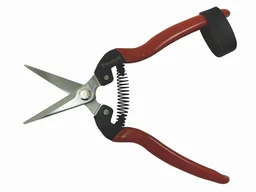
Additional advice
Allow a little “untidiness” in autumn and winter. Uncut perennial stems, piles of leaves and deadwood corners provide perfect overwintering habitats for insect larvae, lacewings and ladybirds. Only tidy up in late spring, when the first warm days arrive.
A bee paradise without a green thumb? Alternative ideas
Not everyone has the time or inclination for intensive gardening. You can also create a habitat with simple measures.
Wildflower meadows and seed mixes
Sow a regional wildflower meadow mix suited to your soil type. Mowing once or twice a year is enough. Seeds such as the
are a simple and effective first investment in more colour and life.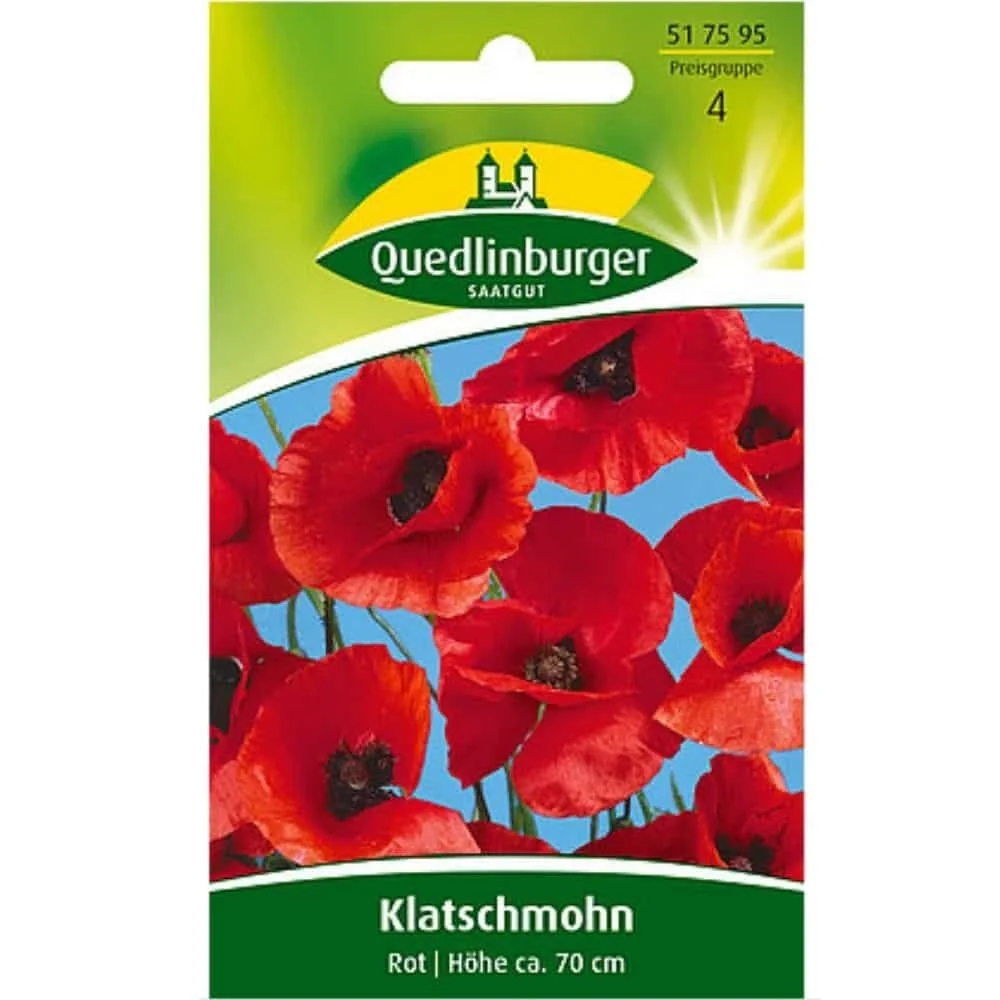
Container planting and vertical greenery
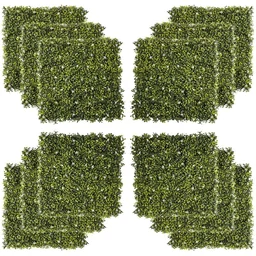
Large, deep containers are ideal for balconies and patios. Fill them with a mix of low-growing herbs and medium-height perennials. For lasting, low-maintenance green accents on a wall or as a privacy screen, high-quality artificial plants can also be an option, such as the
Additional habitat features
Provide nesting aids. A bee hotel in a sunny, sheltered spot will be readily accepted. Put out a shallow dish of water with stones as a place for bees to bathe and drink. Avoid a perfectly manicured lawn and leave a wild corner with nettles for butterfly caterpillars.
Discover more inspiration and practical helpers for your outdoor area in our main Garden + Outdoor category.
Conclusion: Every garden can be a paradise
A Garden of Eden for bees is not a finished picture but a living process. Start with some of the reliable plants mentioned above. See what grows well in your garden and which plants the bees particularly love. Expand your selection year after year.
Every bee-friendly flower counts. You are not only providing food for pollinators but also creating a piece of living nature on your doorstep. The satisfying buzz of success will be your reward.
Frequently Asked Questions
- Which flowers are best for bees?
- Bees prefer single flowers with easily accessible nectar and pollen. Top plants include lavender, catmint, viper's bugloss, bellflowers, oregano and thyme. Native wild perennials such as meadow sage and scabious are particularly valuable. It is important that the flowers have not been altered through breeding, as is the case with many double garden flowers.
- When should I plant bee-friendly flowers?
- Ideally, plant perennials in spring or autumn, when the soil is moist and not too cold. Sow annual flowers such as borage and marigolds directly after the last frosts in May. Plant bulbs for early flowers such as crocuses in autumn. Plan your planting so that something is always in flower from early spring until late autumn.
- Does a bee-friendly garden require a lot of maintenance?
- A wildlife garden for bees often requires less maintenance than a conventional ornamental garden. Avoid chemical pesticides and frequent mulching with bark. Leave faded perennials standing over winter, as they provide overwintering habitats for insects. Mow flowering meadows in sections just 1-2 times a year. The most important maintenance is targeted watering during dry periods.
- Can I create a bee-friendly garden on my balcony?
- Yes, balconies and patios are suitable too. Use large containers with deep soil. Good balcony plants for bees include culinary herbs such as sage, thyme and marjoram, as well as marigolds, verbena and lobelia. Choose sturdy, wind-tolerant varieties. Provide a shallow dish of water with stones as a drinking spot. Even a small balcony can provide valuable habitat.
- Are exotic plants bad for native bees?
- Not all exotic plants are problematic. Many non-native garden plants, such as coneflowers and sedums, are popular with bees. Invasive neophytes that displace native plants are problematic. Prioritise native species, as they are perfectly adapted to our insects. A mix of native perennials and proven, non-invasive garden plants offers the greatest variety.
You may also be interested in
- Attract bees to your garden: How to create a paradise for pollinators
- Flowering areas in the garden: Create a paradise for insects
- Wild bees in the garden: Create and protect habitats
- Bee-friendly balcony plants: Create biodiversity in a small space
- Year-round insect protection: A garden for beneficial insects
- Garden for biodiversity: Encourage insects and a wealth of flowers