
In brief: The best beer line material depends on how it will be used. PVC is an affordable all-rounder for most home beer dispensing systems. Silicone offers high flexibility and heat resistance, making it ideal for demanding cleaning tasks. PE (polyethylene) is the robust standard in the hospitality industry.
A perfectly poured beer is the result of many small details. Alongside temperature and pressure, one often-overlooked component plays a crucial role: the beer line. It is the beer's final stop on its way into the glass. The wrong material can ruin the taste, compromise hygiene and make dispensing more difficult. Choosing between PVC, silicone and other options is therefore not a minor detail, but an important decision for anyone operating a beer dispensing system.
For an uncomplicated start in the world of beer dispensing or as a reliable replacement, a proven all-rounder is a good choice. The beer hose sold by the metre in 3/8" (6,3mm) is exactly that. Made from food-grade PVC, it is flexible enough for tight bends inside a beer cooler and robust enough to withstand CO2 pressure. Its smooth inner surface makes cleaning easier and prevents deposits from building up quickly. Sold by the metre, it can be cut precisely to the required length.

Contents
What beer line materials are available?
The market offers a wide range of materials, each with specific advantages and disadvantages. The three most common options are PVC, silicone and PE. Their properties determine the best area of application.
PVC (polyvinyl chloride): The best value option
PVC is the most widely used material for beer lines, especially in home systems. It offers an excellent balance of cost, flexibility and durability. Modern PVC hoses for food contact are free from harmful plasticisers and completely tasteless. They are clear or lightly tinted, allowing you to spot contamination or beer stone quickly.
One advantage of PVC is its good pressure resistance, which also makes it suitable for CO2 lines. At very low temperatures, however, it can lose flexibility and become stiff. Its service life is good, but with intensive use and frequent chemical cleaning, the material can harden over time.
Expert tip
When choosing PVC hoses, look for a fabric reinforcement. This reinforcement significantly increases pressure resistance and prevents the hose from bursting or expanding under pressure. This ensures a consistent beer flow and greater safety.
Silicone: Flexible and heat-resistant
Silicone hoses are the first choice when extreme flexibility and high temperature resistance are required. They remain supple even in cold conditions and easily withstand hot cleaning solutions. This makes thermal disinfection particularly easy. Silicone hoses are naturally inert, do not impart any taste and are highly resistant to biofilm formation.
However, silicone is generally more expensive than PVC. It also tends to be slightly more gas-permeable, which is why it is used less often for pure CO2 lines. Its strengths are best seen as a dedicated beverage hose, especially in systems where lines need to be moved frequently or routed around tight bends.
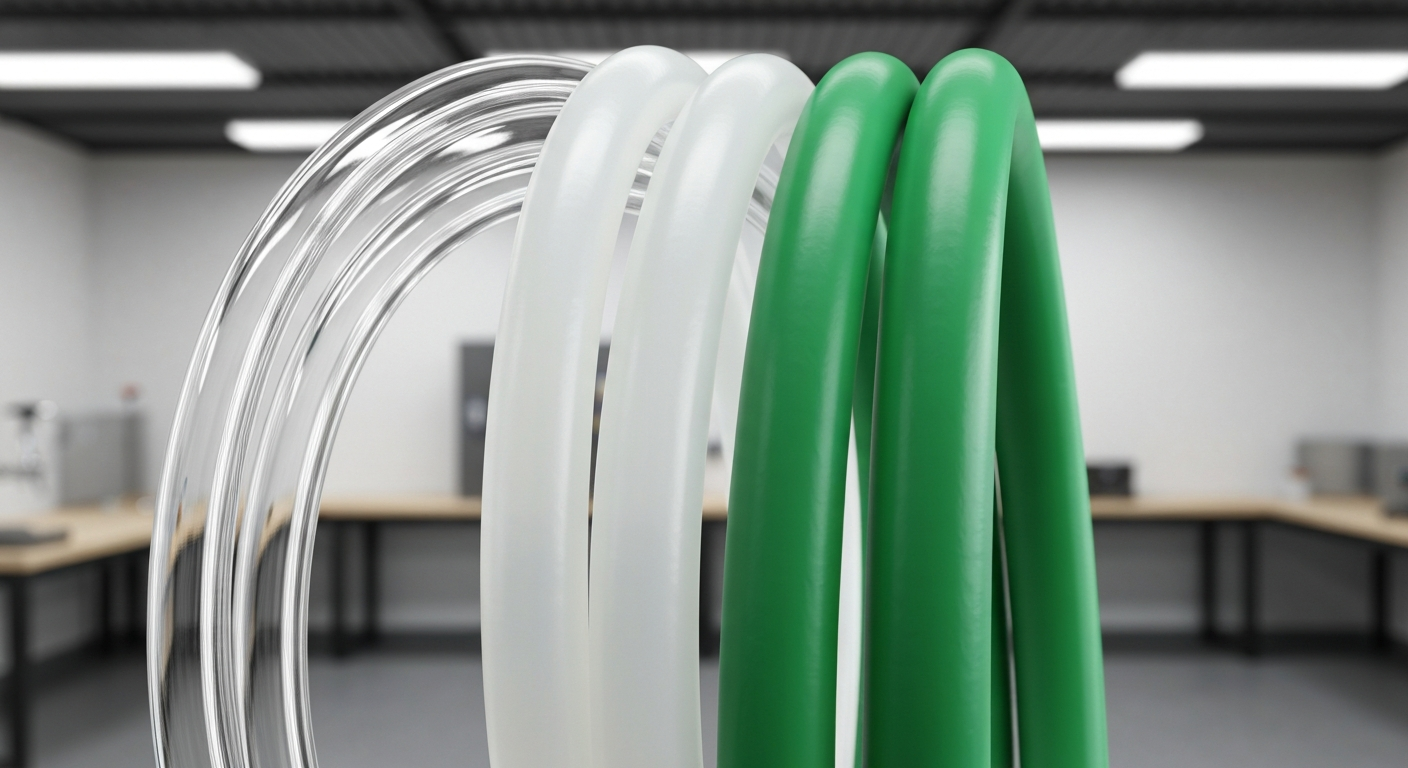
PE (polyethylene): The standard in hospitality
Polyethylene hoses are widely used in professional hospitality. They are stiffer than PVC or silicone and are often installed as fixed lines over longer distances. Their extremely smooth inner surface, also known as a “mirror finish”, gives microorganisms little opportunity to attach and makes cleaning highly effective. PE is extremely durable and resistant to aggressive cleaning chemicals.
For home use, the limited flexibility can be a disadvantage, as PE hoses are difficult to route inside compact cooling units. An example of this type of robust hose is the
SK beer hose, known for its rigidity and reliability.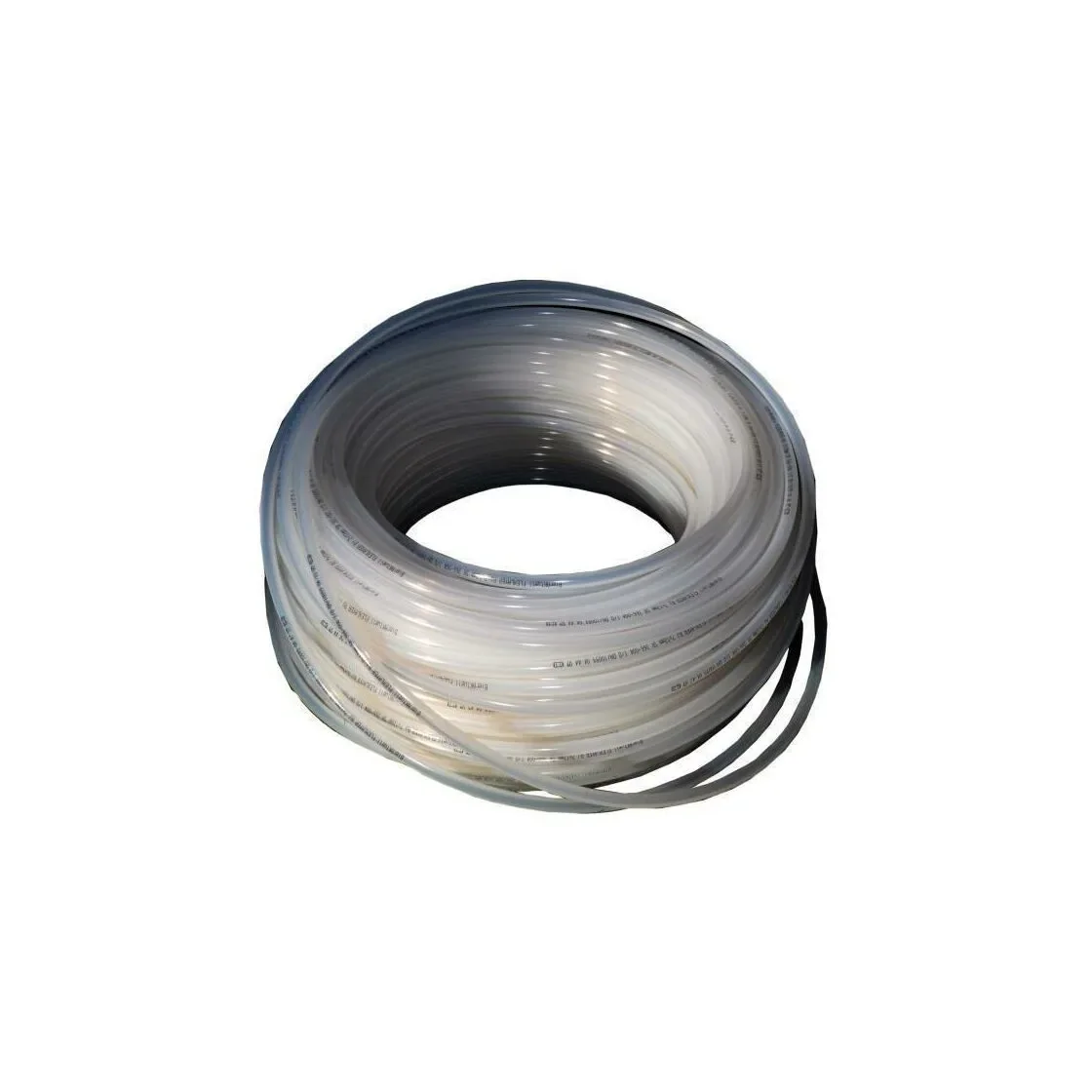
The smoother the inner wall, the better the protection against altered flavours. Every micrometre of roughness is a potential home for bacteria.
How can you identify a high-quality beer line?
Regardless of the material, there are clear indicators of quality. These determine the safety, taste and service life of your beer dispensing system.
Food-grade quality and certifications
The most important criterion is certification for food contact. In Germany, the Food, Consumer Goods and Animal Feed Code (LFGB) sets out the requirements. A hose bearing this certification guarantees that no harmful substances or taste-altering compounds will migrate into the beer. Never buy uncertified hoses for your beer dispensing system.
Important note
Never use a standard garden hose or a technical compressed-air hose for beer. These contain plasticisers and other chemicals that are not approved for food contact and can negatively affect the taste and your health.
Inner diameter and wall thickness
The inner diameter (e.g. 7 mm or 10 mm) determines the flow rate and pressure loss in the line. A longer line generally requires a larger diameter to compensate for the resistance. Wall thickness is crucial for pressure resistance and kink stability. A thicker hose is more robust, but also less flexible.
Pressure resistance
A beer line must withstand the dispensing pressure, which is often between 1,5 and 2,5 Bar. The pressure resistance, specified in Bar, should always be well above the maximum operating pressure of your system. This applies particularly to the CO2 hose, which is connected directly to the pressure regulator.
How do you properly clean and maintain beer lines?
The best line is useless if it is not clean. Regular, thorough cleaning is essential for hygienic, great-tasting beer. Neglect inevitably leads to the formation of biofilm, bacteria and yeast, which spoil the beer.
Basic cleaning after every keg change
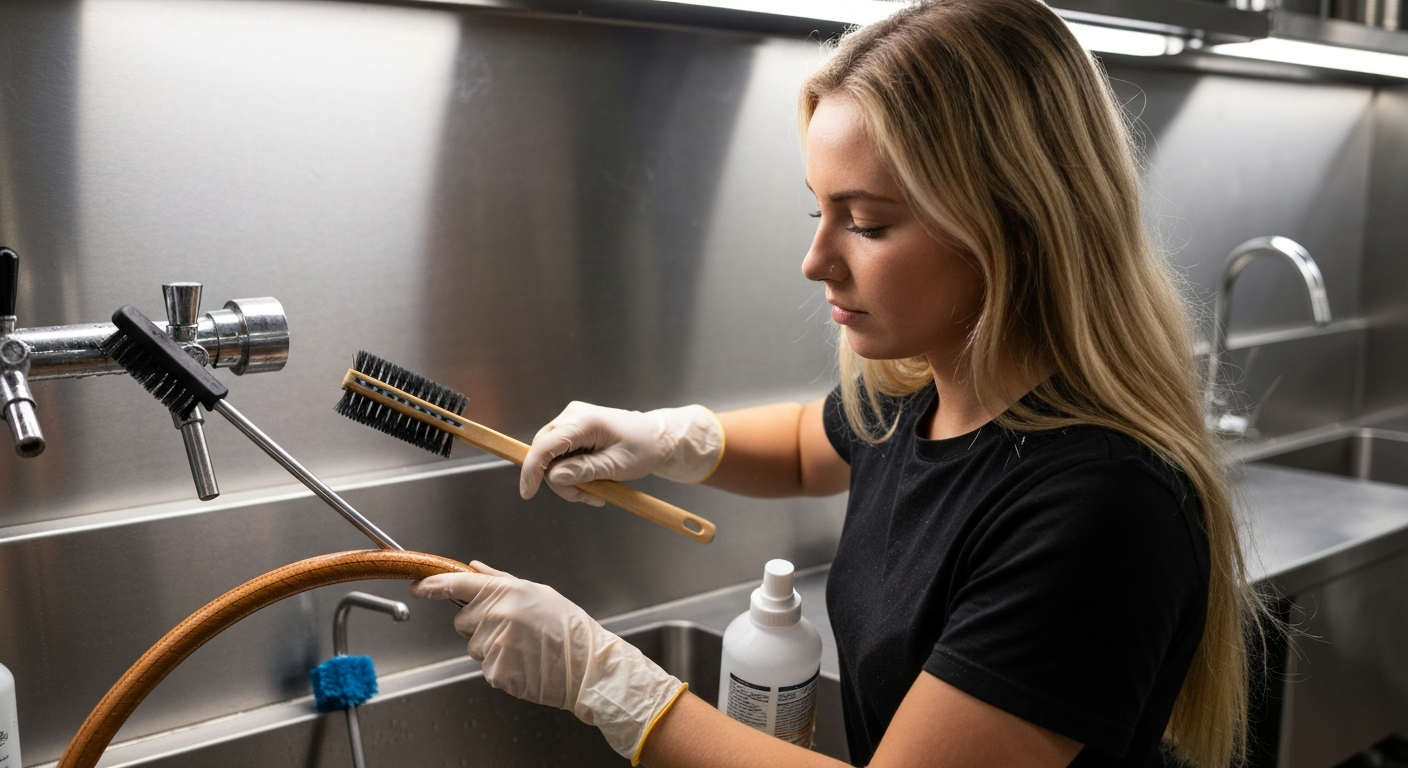
After emptying each keg, flush the lines immediately with clear, cold water. This removes the first beer residues before they can dry. Mechanical cleaning with a sponge ball is then recommended. It is forced through the hose using water pressure, acts like a brush and removes light deposits from the inner wall.
Hygiene is not an optional extra; it is the foundation. You cannot taste a clean line, but you can taste a dirty one immediately.
Deep chemical cleaning
Every one to two weeks, depending on how frequently the system is used, chemical cleaning is necessary. Special cleaners for beer dispensing systems are available for this purpose, usually alkaline (for organic soiling) or acidic (for beerstone). Fill the cleaning system with the solution and allow it to work according to the manufacturer's instructions. Then rinse extremely thoroughly with plenty of fresh water until no cleaning agent residue remains.
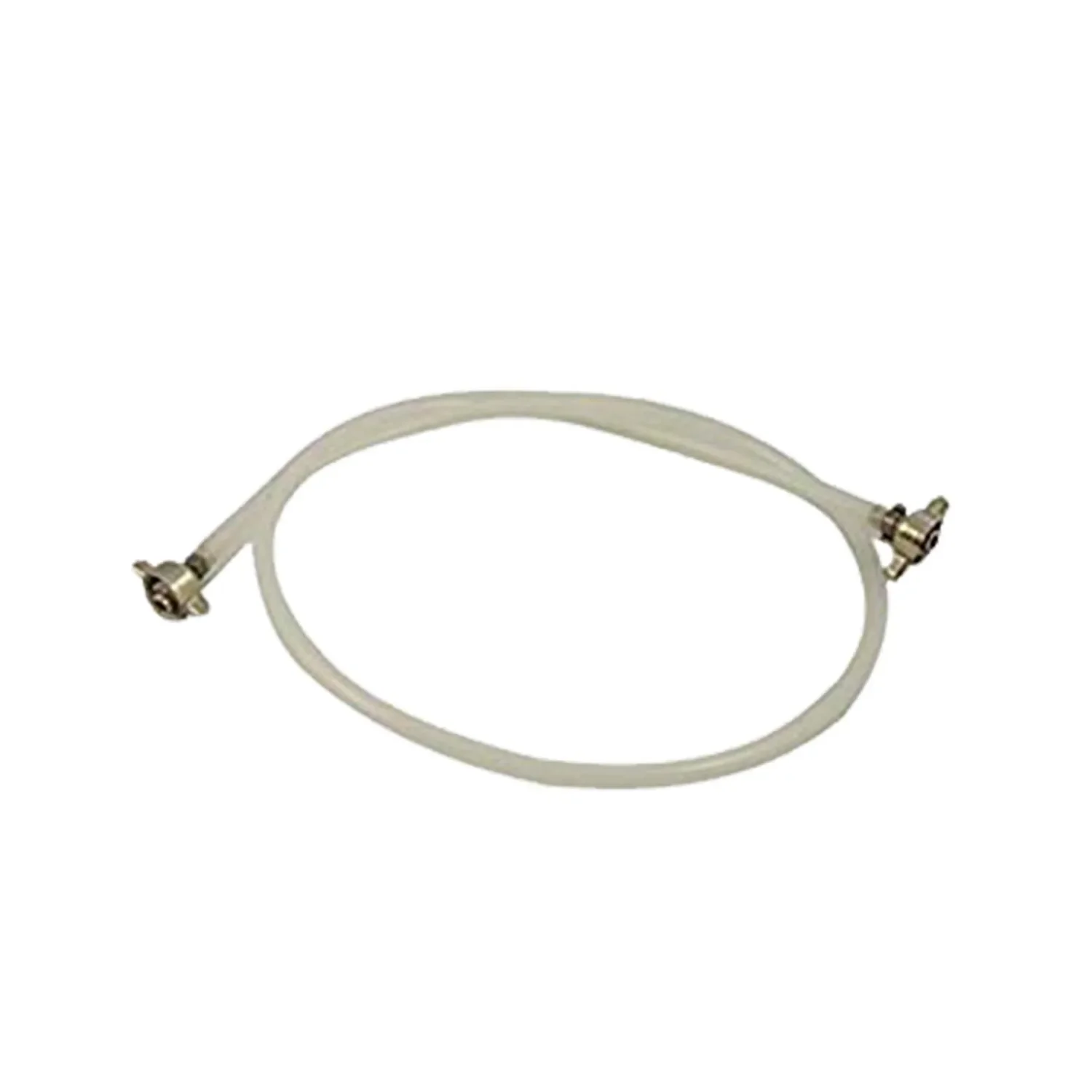
Complete pre-assembled lines such as the
with a length of 1,5 m or the longer version with a length of 5,0 m make this process easier because the connections are already fitted.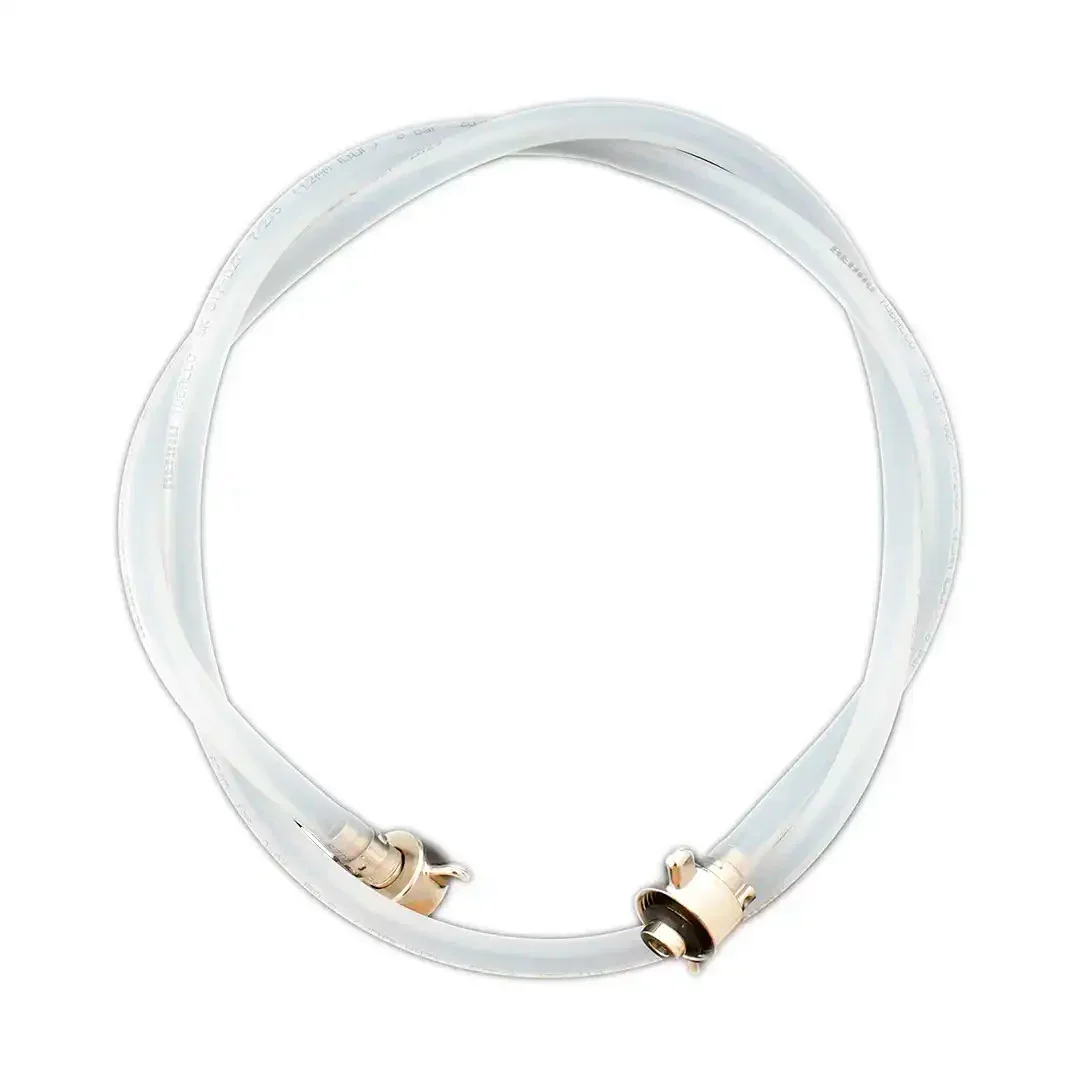
Storage tips
If you will not be using your beer dispensing system for an extended period, clean the hoses thoroughly and let them dry completely. Store them in a dry, dark place without kinks. UV light can make PVC hoses brittle over time in particular. Coiling them with a large radius prevents material fatigue and cracks.
Additional advice
Keep a small logbook for your beer dispensing system. Record the date of each cleaning, the products used and when you replaced the hoses. This helps you keep track and ensures consistently high quality.
PVC or silicone: which material is better for you?
The choice between the two most popular materials for home use depends on your priorities.
Purpose: home beer dispensing system vs. commercial serving
For a typical home bar, party cellar or occasional use, a high-quality PVC hose is the most practical and cost-effective solution. It meets all hygiene and taste requirements at a fraction of the cost of silicone. In professional commercial supplies, where lines are flushed and disinfected daily, PE and silicone offer advantages in terms of durability and resistance.
Temperature ranges and flexibility
Are you planning to sterilise your lines regularly with very hot water or steam? Then silicone is the clear winner. It remains dimensionally stable even at temperatures above 100 °C. Do you need to route the hose through very narrow openings or around sharp corners? Silicone's exceptional flexibility is an advantage here too. For standard applications involving cold-water rinsing and chemical cleaning at room temperature, PVC offers more than enough flexibility.
Taste neutrality and durability
Both certified PVC and silicone are taste-neutral. The difference lies in how they age. PVC can lose flexibility over many years and when exposed to UV light and aggressive cleaning agents. Silicone is considerably more resistant to aging in this respect. With normal use at home and replacement every 1-2 years as recommended, however, this difference is often negligible in practice.
Ultimately, choosing the right beer hose is a matter of balancing your budget, requirements and personal preferences. A high-quality PVC hose is the best choice for 90% of home users. It offers safety, taste neutrality and ease of use at a fair price. Anyone looking for maximum flexibility and heat resistance or using their system very intensively will find a durable alternative in silicone. However, consistent and correct cleaning is more important than the material itself – only a clean line guarantees perfect beer.
Frequently Asked Questions
- Is every PVC hose suitable for beer?
- No. Use only food-grade PVC hoses with the appropriate certification (e.g. in accordance with LFGB). Standard PVC hoses can release plasticisers and other substances into the beer, affecting its taste and safety.
- How often should I replace my beer line?
- Depending on use and material, replacement is recommended every 1-2 years. If you notice discolouration, cracks, deposits or changes in taste, replace the hose immediately to ensure beer quality and hygiene.
- What inside diameter do I need for my beer line?
- For most home beer dispensers, an inside diameter of 7 mm is a good standard. Longer lines or professional systems often use 10 mm to minimise pressure loss and allow a higher flow rate.
- Can I also use a silicone hose for CO2?
- Although silicone hoses are very flexible, they are often more permeable to gas than PVC or PE hoses. For the CO2 line, a special pressure-resistant hose, often made of PVC or reinforced material, is the safer and more efficient choice.
- Does the hose material really affect the taste of beer?
- Yes, significantly. Materials that are not food-grade can impart a plastic taste. Old or poorly cleaned hoses can develop a biofilm that makes the beer taste sour or musty. A clean, neutral hose is essential.
You may also be interested in
- Buy beer line: Which 3/8-inch hose is right?
- Replace beer line: Step-by-step guide
- Garden hose systems: How to choose and maintain them for efficient watering
- Beer dispenser: Why is my beer foaming? Troubleshooting & solutions!
- Insulated hose comparison: CLIMAFLEX, rubber, mineral wool
- Garden hose reel test & comparison 2026