
In brief: The best books on agriculture provide reliable, practical knowledge and up-to-date methods. We compare handbooks, trade magazines and digital resources for farmers, students and consultants. Key factors include relevance, author expertise and clear explanations. A good book supports farm management decisions and promotes sustainable production.
Specialist books are a cornerstone of every successful farm. They provide essential knowledge and fresh approaches to tomorrow’s challenges. In 2026, farmers face complex questions: How can I use resources more efficiently? How can I incorporate digital technology? Which sustainable practices are economically viable? The right books offer answers and help you make informed decisions.
Our 2026 review compares books and other agricultural resources for their practical value. We assess handbooks, trade magazines, digital guides and books on specific topics. We focus on resources that connect theory with practice. This guide offers clear buying advice to help you choose the format that suits your needs.
Contents
What should you look for in a review of agriculture books?
We assess every book against a consistent set of criteria to help you judge its quality.
Up-to-date and relevant information
Agricultural practices evolve quickly. A good book covers current research, technology and regulations. Check the publication date: books more than five years old may describe outdated practices. Current information is especially important for topics such as crop protection, fertilization and digital technology.
Author expertise
An author’s qualifications affect a book’s practical value. Ideally, it is written by an experienced farmer, consultant or researcher with hands-on knowledge. Look into the author’s professional background. Reputable authors cite their sources and support their claims with data.
Clear writing and organization
Complex topics should be explained clearly. Good books use plain language, helpful graphics and practical examples. Look for a logical structure, a detailed table of contents and an index. Step-by-step instructions add considerable practical value.
Practical value and real-world application
Theory alone offers limited help on a farm. The most useful books include specific instructions, calculations and checklists. They address common challenges in day-to-day operations. Case studies and first-hand accounts are good signs of practical value.
Tip: Before you buy, look for sample chapters from the publisher or online store. They let you check the writing style and organization. Make sure the book addresses the questions you have.
What types of agriculture books and resources are available?
There are several formats to choose from, each with its own advantages. Here are the most common options.
Print books and handbooks
Print books remain a reliable way to build your knowledge. They are durable, need no power and often feature excellent illustrations. Comprehensive works such as “The Farming Handbook” can serve as reference books for years. Their drawbacks include their weight and the fact that they cannot be updated.
Trade journals and magazines
Trade journal subscriptions deliver new information regularly. They cover market developments, new products and policy decisions. For farm managers, they are essential reading for staying competitive. Many journals also offer searchable online archives.
E-books and online guides
E-books are lightweight, take up little space and are often less expensive. You can search them quickly and read them on multiple devices. Modern formats may include videos, interactive graphics and links to additional resources. They are convenient on the go and useful when you need a quick answer.
Specialist guides and farm resources
These resources focus on a single topic, such as agriculture books covering particular crops or livestock systems. They offer in-depth knowledge and often include practical advice. Examples include growing guides for specialty crops and livestock health handbooks.
Important: Be cautious with free online guides from unknown sources. They may not have been professionally reviewed. Choose high-quality resources from reputable publishers or professional associations.
What are the main topics in agriculture books in 2026?
Agricultural books address some of today’s biggest challenges. Here are the most important areas of focus.
Digital technology and precision agriculture
Many new books cover digital technology, including sensors, data analysis, farm management software and automation. The best explain not only how the technology works, but also how to evaluate its costs and fit it into existing operations.
Resource efficiency and climate action
Ways to save water, fertilizer and energy are central topics. Books on soil-building practices, alternative fertilizers and agroforestry are in high demand. They connect environmental principles with farm business considerations.
Alternative farming methods
Organic farming, regenerative agriculture and vertical farming are gaining attention. Specialist resources offer transition plans, first-hand accounts and marketing strategies. They can help you decide whether these methods are right for your farm.
Regulations and agricultural policy
Laws and funding programs change frequently. Up-to-date guides to agricultural law, compliance requirements and grant applications are essential. They can help you avoid costly mistakes and make effective use of available funding.
Which books are right for you?
The right books depend on your role and goals. Here are some recommendations for different readers.
For working farmers and farm managers
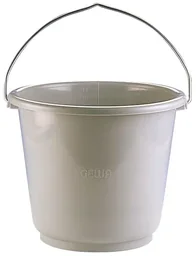
You need practical information you can put to use. Look for books with direct recommendations, farm business calculations and case studies. An ideal mix includes a reliable introductory book, a trade magazine and specialist guides for your areas of operation. Products such as the can feature in practical guides to efficient farm management.
For agriculture students and trainees
Well-organized textbooks are a priority. They should explain the fundamentals clearly and include practice questions or exam prep. Standard college textbooks can be a worthwhile investment throughout your career.
For consultants and educators
As a consultant, you need in-depth, evidence-based information and access to the latest research. Trade magazines, academic journals and digital databases are essential. Books on consulting methods and knowledge sharing may also be useful.
Note: There are also introductory books for hobby gardeners and people new to farming. These cover smaller plots and explain concepts in less technical terms.
How Can You Fit Reading into Your Daily Farm Routine?
Books you buy shouldn’t gather dust on a shelf. With a good plan, you can put what you learn to use every day.
Organize Your Resources
Set aside a permanent place for books and other reference materials, such as your office or break room. Organize books and magazines by subject. Keep a digital or paper index so you can quickly find the right resource when questions come up.
Set Aside Time to Read
Schedule regular time for professional development, such as one hour a week. Use quieter periods, like the winter months, for more in-depth learning. Discuss new ideas with employees or at farm meetings.
Track What You Put into Practice
Make a note in the book or in a separate farm journal of the tips you plan to try. Then record the results and what you learn from the experience. These records can become your most valuable source of farm-specific knowledge.
Use Books for Specific Projects
For specific projects, such as installing new technology or changing a production process, consult the relevant reference materials. Detailed guides to products such as can be invaluable.

Which Trends Are Shaping the Future of Agricultural Books?
The way people share agricultural knowledge is changing. Here are some developments to watch.
Online Communities and Interactive Platforms
Many publishers offer online portals to accompany their books. These may include updates, forums where farmers can exchange ideas, and direct access to authors. These connections add significant value to the books.
Personalized Learning
Digital formats increasingly let you tailor content to your own farm. For example, you can enter key figures and get specific recommendations. This kind of personalized guidance will become increasingly important.
Multimedia Content
Books made up entirely of text are becoming less common. More publications now include videos of field trials, audio interviews with experts, and 3D models of machinery. This immersive approach is especially effective for learning practical skills.
Timely Updates and Lasting Knowledge
A clear distinction is emerging: rapidly changing information, such as market prices and weather forecasts, is delivered through apps and news feeds. Timeless fundamentals and in-depth analysis remain the domain of high-quality reference books.
How Do You Choose the Right Book?
Here’s a step-by-step guide to making the right choice.
Pinpoint Your Needs
Ask yourself: What problem do I want to solve? Am I looking for basic information or specialized expertise? Do I need a reference book or step-by-step instructions? Defining your goal clearly can help you avoid buying the wrong book.
Do Your Research
Read reviews from other farmers on industry forums or publisher websites. Compare the tables of contents of similar books. Check with agricultural school libraries or advisory groups to see if you can browse books before buying.
Choose Quality over Quantity
One excellent, higher-priced reference book is more valuable than five mediocre ones. Invest in the core books for your type of operation.
Here are the highest-rated agricultural products in our range, compared side by side:
| Model | Customer rating | Availability |
|---|---|---|
| 12 l bucket - for agriculture, construction sites and more, 1 piece | – | Currently unavailable |
| Pair of linkage plates, right and left, for agriculture | – | Currently unavailable |
Choose the Right Mix of Formats
No single format covers everything. A well-rounded collection for a modern farm might include a printed reference book, a subscription to an industry magazine, and a digital book on a current specialized topic. This gives you useful information for every situation.
Choosing the right farming books is a strategic investment in your farm’s future. They give you the knowledge to balance productivity, sustainability, and profitability. Choose carefully and put that knowledge to work as a competitive advantage.
Frequently Asked Questions
- Which farming books are best for beginners?
- Beginners can benefit from practical introductory books with clear illustrations. Look for books that cover the basics of crop production, animal husbandry, and farm management. Avoid highly specialized titles that assume prior knowledge.
- Are digital farming books better than print books?
- Digital farming books offer features such as updates and search functions. Print books are durable and don’t depend on technology. The best choice depends on how you plan to use them: print books are often more practical in the field and around the farm.
- How can I find reliable books about agriculture?
- Look for reputable authors with hands-on experience, current editions, and references to scientific sources. Choose publishers that specialize in agriculture, and avoid books that promote outdated methods.
- What topics are covered in today’s agricultural books?
- Today’s farming books cover digitalization, precision agriculture, sustainability, and climate adaptation. Other important topics include alternative farming methods, resource efficiency, and changes in regulations. Modern books combine traditional knowledge with new ideas.
- Is an agricultural magazine subscription worth it?
- A subscription is worth considering if you want regular updates on research, technology, and the market. Agricultural magazines provide timely information that books may not cover. They’re especially useful for farm managers who want to stay up to date.