
In brief: Our 2026 alkaline battery test and comparison shows that the best choice depends on how you plan to use your batteries. For high-drain devices such as toys or power tools, D batteries are ideal. For everyday use in remote controls or clocks, AAA and AA batteries offer the best balance of performance and battery life. Multipacks are especially useful for saving money over time. Check the expiration date and store batteries in a cool, dry place.
Looking for reliable power for your electronic devices? Alkaline batteries are a popular choice for many applications. Our 2026 test and comparison will help you find the right batteries for your needs. We review top products on the market and offer clear buying advice.
Contents
Understanding alkaline batteries
Alkaline batteries are primary batteries, which means they are not rechargeable. Their chemistry is based on zinc and manganese dioxide. They get their name from the alkaline electrolyte they contain.
These batteries deliver a constant voltage of 1.5 volts per cell. Performance stays stable for most of the discharge cycle, with the voltage dropping rapidly only near the end.
They are particularly well suited to devices with medium to high power requirements, including toys, flashlights, and digital cameras. For devices that draw very little power over long periods, such as smoke alarms, specialized long-life batteries are a better choice.
Tip: Always check the expiration date when buying alkaline batteries. Fresh batteries provide maximum capacity and battery life. Store them in a cool, dry place.
The 2026 alkaline battery test and comparison
We put the latest alkaline batteries through practical testing. We focused on battery life, consistent performance, and everyday use. The results can help you choose the right batteries.
Here are the highest-rated alkaline batteries in our selection:
| Model | Customer rating | Availability |
|---|---|---|
| Alkaline D Batteries - 2 Pack 🏆 Test winner | ★ 4,7 (10) | In stock |
| Alkaline C Batteries - 2 Pack | ★ 4,7 (6) | In stock |
| Alkaline 9 V Smoke Detector Batteries - 6 Pack | ★ 5,0 (4) | In stock |
| Alkaline AA Batteries - 40 Pack | ★ 5,0 (2) | In stock |
| Alkaline X-Power AAA Batteries - 20 Pack | ★ 4,0 (1) | In stock |
The table compares selected models side by side. Keep in mind that the best choice depends on how you plan to use the batteries.
Best for everyday use
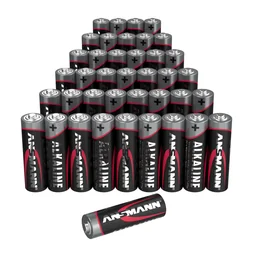
For versatile use in remote controls, clocks, or computer mice, the stands out. This 40-pack of AA batteries offers great value for everyday use around the home.
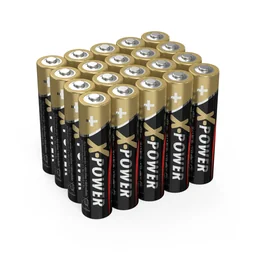
The are also a great choice for smaller devices. These 20 AAA batteries provide reliable power for wireless headphones and LED lights.
Specialists for demanding applications
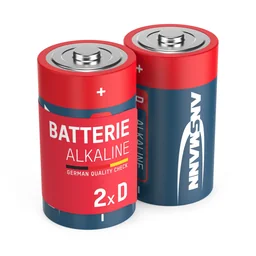
For devices with high energy needs, choose D batteries. The 2-pack is ideal for powerful flashlights or motorized toys.
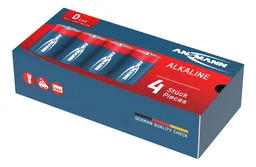
For frequent use, the four-pack offers even better value. The larger pack can save you money if you use batteries often.
What size batteries do I need?
Choosing the right battery size is essential. Check your device's manual or battery compartment to find out which size it needs. The most common types are AA (Mignon), AAA (Micro), C (Baby), and D (Mono).
AA (Mignon) is the most common size. AA batteries are used in remote controls, flashlights, and wireless mice. You'll find the widest selection in the battery section.
AAA (Micro) batteries are slimmer and shorter. Common uses include small remote controls, laser pointers, and headphones. You'll also find plenty of options in the technology section.
C (Baby) and D (Mono) batteries deliver more energy. They're used in high-powered toys, boomboxes, and large flashlights.
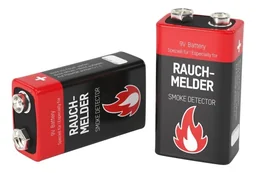
9-volt batteries, such as the , are often used in smoke detectors, guitar amplifiers, and multimeters. You can recognize them by their rectangular shape and the two terminals on one side.
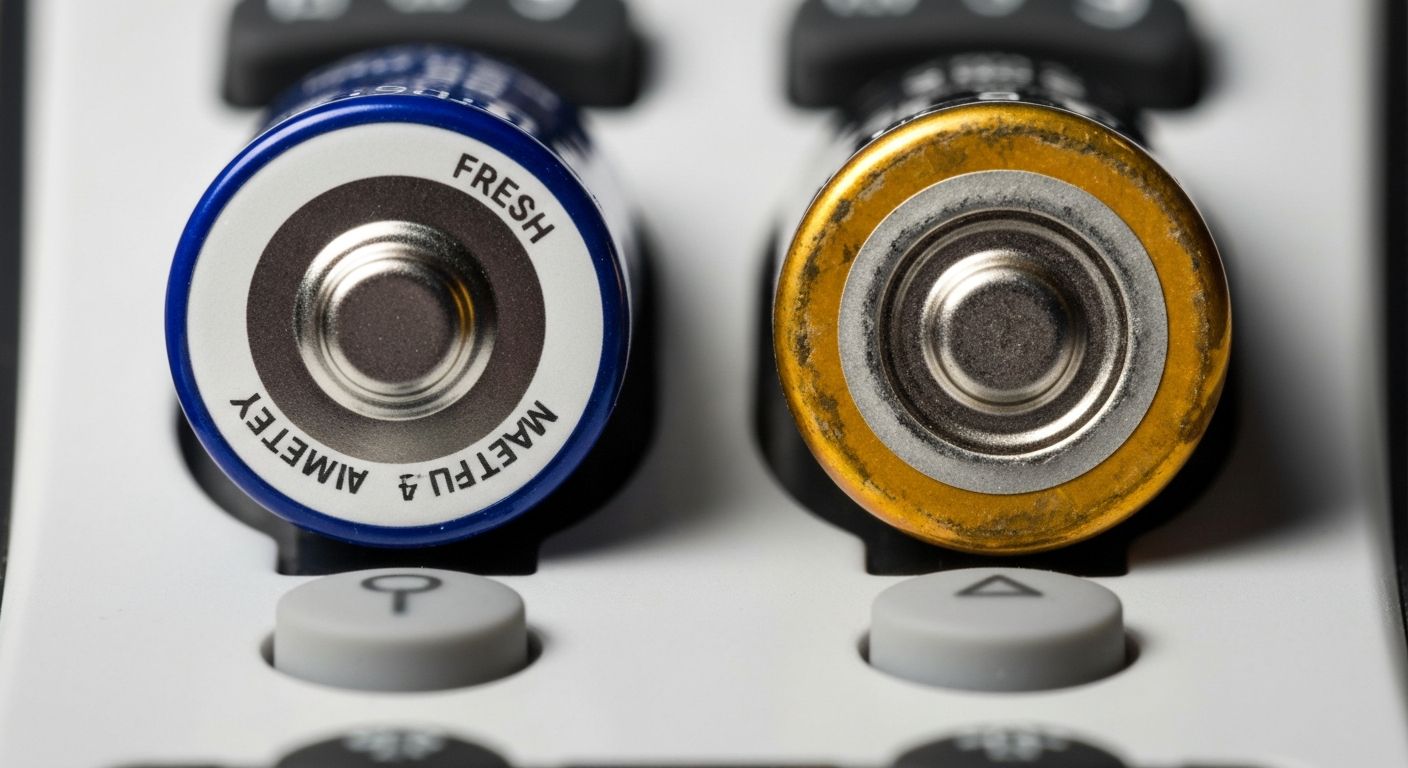
Important: Never mix different battery types or brands in one device. This can reduce performance and lead to overheating or leakage. Always replace all the batteries in a device at the same time.
Performance and runtime tested
An alkaline battery’s performance depends on its chemical composition and design. High-quality batteries discharge evenly and maintain a high voltage for a long time.
Our test revealed clear differences during continuous discharge. Name-brand batteries often lasted significantly longer than generic batteries. Investing in quality pays off.
Runtime varies greatly depending on the device. A digital alarm clock can run for over a year on one AA battery. A motorized toy can drain the same battery in just a few hours. Follow the manufacturer's recommendations.
For alkaline batteries, the higher the discharge current, the less total energy can be drawn. Plan to replace batteries more often in high-current devices.
Capacity and discharge curves
Capacity is measured in milliampere-hours (mAh). A higher value theoretically means longer runtime. In practice, a battery’s discharge characteristics also play a major role.
Good alkaline batteries have a flat discharge curve. The voltage stays close to 1,5 Volt until shortly before the battery is depleted, then drops rapidly. This indicates that the battery needs to be replaced.
Note: A battery’s actual capacity depends on the discharge rate and ambient temperature. Cold temperatures significantly reduce the available energy. For best results, store and use batteries at room temperature.
Alkaline battery buying guide
Use the following criteria to guide your purchase and find the right battery for your needs.
Identify the intended use: Do you need power for a device with a low, steady current draw or for short bursts of high power? For the latter, choose D or C batteries.
Choose the pack size: If you need batteries regularly, multipacks such as or are a good value. They reduce packaging waste and keep replacements on hand. Smaller packs are enough for occasional use.
Check the shelf life: Check the expiration date. Avoid buying batteries that are close to expiring. Fresh batteries deliver the best performance.
Protect the environment: Look for recyclable packaging. Dispose of used batteries properly. Many manufacturers support battery take-back programs.
Our recommendations by application
- Household and everyday use (remote control, clock): (AA) or (AAA).
- Toys and power tools: or (both D).
- Smoke detectors and security systems: (9V battery). This battery is specially designed to provide long-lasting, reliable power for security devices.
- Universal backup: A mixed pack of AA and AAA batteries covers most household devices.
Care and disposal
Proper care extends the life of batteries in your devices. Always store them in their original packaging in a dry place. Avoid heat and direct sunlight.
Remove batteries from devices you won’t use for an extended period. This helps prevent leaks and corrosion. Check the terminals regularly to make sure they’re clean.
For disposal, use the collection points required by local regulations. Don’t put used alkaline batteries in household recycling bins. Many retailers offer free battery recycling.
Conclusion
Choosing the right alkaline battery is easy when you know what you need. For everyday household use, AA and AAA batteries such as and are ideal. They deliver reliable performance at a good price.
For demanding devices with high power consumption, choose high-performance D batteries. and provide the power you need. Special applications such as smoke detectors require 9V batteries such as .
Always check the expiration date when buying batteries and store them properly. With this buying guide, you’re sure to find the right power source for all your electronic devices in our 2026 alkaline battery test and comparison.
Frequently asked questions
- What are alkaline batteries, and what are they used for?
- Alkaline batteries are non-rechargeable primary batteries with a long shelf life and stable voltage. They’re ideal for devices with medium to high power consumption, such as remote controls, toys, flashlights, wireless mice, and alarm clocks. They’re ready to use right away and deliver reliable performance throughout their discharge period.
- How long do alkaline batteries last in storage?
- When unopened and stored properly, alkaline batteries retain their charge for many years. Their typical shelf life is 5 to 10 years. Store them in a cool, dry place away from direct sunlight. Before buying, check the expiration date on the package to ensure the batteries deliver the best performance.
- Can you mix alkaline and zinc-carbon batteries?
- You shouldn’t mix alkaline and zinc-carbon batteries in the same device. Their different discharge curves and voltage characteristics can lead to inefficient operation. In the worst case, one battery may overload the weaker battery and cause it to leak. Always use batteries of the same type, brand, and charge level.
- How can I tell if an alkaline battery is high quality?
- A high-quality alkaline battery provides long, consistent runtime until its voltage drops suddenly at the end. It’s designed to resist leaks, often with a special steel casing. Look for well-known brands with a good reputation. The packaging should be intact and show an expiration date well into the future.
- How should I dispose of alkaline batteries?
- Don’t put alkaline batteries in household trash. Dispose of used batteries at collection points in stores, recycling centers, or designated battery collection boxes, in accordance with local regulations. This allows metals such as steel, zinc, and manganese to be recycled responsibly. Many retailers accept used batteries free of charge.