
In brief: Our 2026 review and comparison shows that ant baits are a long-term solution for entire colonies, while sprays provide immediate control. The right choice depends on the situation: use baits for ongoing control, nest treatments for colonies, and sprays for active infestations. Here are our top picks.
Contents
Ants in your home or yard are more than a nuisance. They can contaminate food, damage plants, and even undermine structures. With so many ant treatments available, it can be hard to know which to choose. Our 2026 review and comparison will help you find the right solution.
We compare effective ant baits and sprays, including products that target entire colonies and options for immediate use. Choosing the right product can save you time and frustration.
Ant bait, spray, or nest treatment: what’s the difference?
The three main types of ant treatment work in different ways and are suited to different situations.
Ant baits are designed to eliminate colonies. They contain an attractant and a slow-acting insecticide. Worker ants carry the bait back to the nest, where it is shared with the larvae and queen. This can eventually eliminate the entire colony.
Ant spray works on contact and kills visible ants quickly. It can help stop an active infestation in a specific area, but usually does not reach deep into the nest.
Granular and liquid treatments are applied directly to nests or busy ant trails. They can work on contact or after ants ingest them, and are especially useful when you have located the nest.
Tip: For the best results, use the right treatment for the situation. Start with bait for ongoing colony control. For an immediate problem at an entry point, such as a patio door, you can also use a spray as a barrier.
How we test and compare products
We compare products using several criteria, including ease of use and effectiveness.
One important factor is how attractive the product is to ants. Bait will not work if ants ignore it. We look at how quickly ants find and carry the bait.
Speed and lasting effectiveness matter. A good product should noticeably reduce ant activity within a few days and weaken or eliminate the colony over time.
We also assess ease of use and safety. Products should be simple to apply. Child-resistant closures are especially important for bait stations.
Environmental impact matters, too. Where possible, we favor active ingredients that target pests selectively and break down quickly.
The best products compared
Here are our top picks in several categories to help you find the right treatment for your situation.
For control with bait stations, the has proven effective. Ants readily take the gel and carry it deep into the nest, where it can take effect throughout the colony.
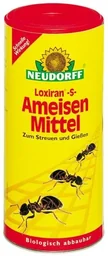
If you can treat a nest directly, ant powder is a good option. can be spread over nests and busy trails. It works both on contact and when ants ingest it.
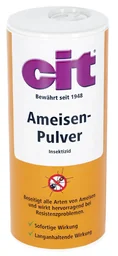
A versatile granular and liquid treatment is . Apply it around infested plants or pour it directly into the nest entrance. It combines fast action with longer-lasting control.
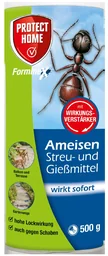
Important: Always follow the directions for use. Do not place multiple bait systems next to each other at the same time. This can confuse ants and make the baits less effective.
Here are the highest-rated ant baits and sprays in our range, compared side by side:
| Model | Customer rating | Availability |
|---|---|---|
| Ant Killer Loxiran S - 500 g | – | Currently unavailable |
| Ant Bait | – | Currently unavailable |
| Ant Bait Station 2-Pack - for effective pest control | – | Currently unavailable |
| Ant Enemy | – | Currently unavailable |
| Ant powder, 600g | – | Currently unavailable |
Buying Guide: How to Choose the Right Product
The right choice depends on your situation. Answer these questions before you buy.
Where are the ants? Indoors, on the patio, or in a garden bed? For indoor use, choose enclosed bait stations or water-based sprays. Outdoors, powders and liquid treatments are also suitable.
Have you found the nest? If so, direct treatments such as liquid applications can be very effective. If not, bait is a better choice because ants carry it back to the nest themselves.
How urgent is the problem? If you have an active infestation in the kitchen, you may need an immediate solution such as a spray. For longer-lasting control, use bait at the same time.
Do you have pets or children? Choose tamper-resistant bait stations and avoid loose powders or sprays in areas they use frequently.
Shop our wide selection of ant bait and ant spray. You can find full product details on each product page.
For Indoor Use
Discretion and safety matter indoors. Choose bait in solid, sealed stations. Place them along walls, behind furniture, or under cabinets—always near ant trails.
Avoid using pyrethroid-based sprays over large areas indoors. They can linger in the air. Targeted contact sprays or bait are a better choice.
For Gardens and Patios
Outdoors, you can treat a larger area. Liquid treatments are ideal for ant nests in lawns or flower beds. Ant powder can create a barrier around patios or exterior walls.
Remember that ants can also benefit your garden. Control them only when they become a problem. Browse more products in our garden category.
Understanding Active Ingredients and How They Work
Most commercially available products use a small number of proven active ingredients. Understanding how they work can help you choose the right product.
Hydramethylnon is a common active ingredient in bait. It works slowly, giving worker ants time to carry the bait back to the nest. It disrupts the ants' energy metabolism.
Spinosad is a natural insecticide derived from a soil bacterium. It is relatively environmentally friendly and works as both a stomach poison and a contact insecticide. It is well suited to baits and sprays.
Pyrethrins (often used in synthetic form as pyrethroids) are found in many sprays. They act quickly on insects' nervous systems. However, their effects are often short-lived, and they rarely reach the queen.
Borax or boric acid is a classic active ingredient in homemade and many commercial baits. It is relatively harmless to people and pets in low concentrations, but deadly to insects.
Note: Ants can develop resistance. If a product stops working in the same area after years of use, the ant population may have become resistant. Try switching to a product with a different active ingredient.
How to Use Ant Control Products Safely
Safety comes first. Even products that seem harmless require careful handling.
Read the label and safety data sheet before use. Wear gloves when applying powders or sprays if the instructions recommend them. Avoid inhaling dust or spray mist.
Keep all products out of reach of children and pets. Dispose of empty packaging according to local regulations for hazardous or household waste.
Place bait where non-target animals cannot reach it—for example, under an upside-down plant pot with a small entrance hole.
For more pest control products, visit our animal repellents and traps category.
Natural Alternatives and Prevention
You don't always need a chemical solution. Simple measures can often help.
Prevention is the best protection. Seal food containers and gaps or cracks in exterior walls. Keep kitchen surfaces clean and dry.
Physical barriers such as chalk lines, cinnamon, cloves, or diatomaceous earth can disrupt ant trails. Reapply these barriers after rain or vacuuming.
Home remedies such as baking soda and sugar mixtures can work as bait, but they are often less attractive to ants and harder to dose accurately than commercial products. Their effectiveness is not always reliable.
Remember: ants are part of the ecosystem. In the garden, they loosen the soil and eat other pests. Control them only where they cause damage.
When to Call a Professional
Very large or persistent colonies, especially those of wood-destroying species, may require a pest control professional. Call one if you are unsure about the species or the correct dosage, too.
Our 2026 review and comparison shows that choosing the right product is crucial. Bait offers long-term control, while sprays handle immediate problems. Combine the strengths of both methods to keep your home ant-free.
With the right strategy and one of our recommended products, you can get rid of these unwelcome visitors quickly and effectively.
Frequently Asked Questions
- Which works better against ants: bait or spray?
- Bait offers long-term control because worker ants carry the active ingredient back to the nest, helping eliminate the colony. Spray kills visible ants immediately but often doesn't address the source of the problem. For lasting control, bait is usually more effective.
- Are ant control products dangerous for pets or children?
- Many products are safe when used correctly. Choose products with child-resistant bait stations and always follow the directions for use. Keep children and pets away during application, and place bait out of their reach.
- How long does ant bait take to work?
- It can take anywhere from a few days to several weeks to see the full effect. Worker ants need time to find the bait, carry it back to the nest, and distribute it. You may see fewer ants after 2-3 days, but eliminating the colony takes longer.
- Can I get rid of ants without using chemicals?
- Yes. You can use physical barriers such as chalk or diatomaceous earth, as well as home remedies such as baking soda. However, these methods usually repel ants or work only in a small area, and they rarely eliminate the entire nest. For persistent or large colonies, specialized bait or liquid treatments are more effective.
- Where should I place ant bait?
- Place bait right beside the ant trail, not in the middle of it. A few centimetres to the side is ideal. Choose dry, sheltered locations and use several bait stations near different entry points. Avoid disturbing the trail.
You May Also Be Interested In
- Plant Protection Products Review & Comparison 2026
- Electric Insect Killers Review & Comparison 2026
- Animal Repellents & Traps Review & Comparison 2026: The Best Solutions Reviewed
- Wasp Spray Review & Comparison 2026: The Best Products Reviewed
- How to Get Rid of Ants in Your Home: Effective Solutions for an Ant Infestation
- Mold Removers Review & Comparison 2026