
In brief: Choosing the right anvil depends on your projects and workshop. For general blacksmithing, heavy, solid anvils weighing 50 kg or more are ideal. For fine work such as sharpening tools or watchmaking, smaller specialty models are a better choice. Our comparison shows that there is no single best anvil for everyone—the right tool depends on the job.
Anvil Reviews & Comparison 2026: The Right Foundation for Your Workshop
An anvil is more than just a heavy block of metal. It is the centerpiece of every forge and indispensable for many metalworking tasks. But there are many options, from huge blacksmith anvils to delicate models for watchmakers. In this 2026 review and comparison, we introduce the different types and help you find the right anvil for your projects. We also share practical buying advice.
Table of Contents
What types of anvils are available?
Before choosing a model, it helps to know the main types. The design largely determines how an anvil can be used.
The classic blacksmith anvil
This is what most people picture: a solid steel body with a flat face, a rounded horn and often a hole for tools. It is the all-purpose tool for blacksmiths. Its weight helps absorb the force of each blow.
The sharpening anvil
A sharpening anvil is slimmer, lighter and designed for specific tasks. It is mainly used to sharpen and straighten cutting tools such as chisels or plane irons. The faces are often narrow or taper to a point. Browse our selection of anvils in our shop.
The portable anvil
These models are designed for flexibility. They are lighter and can often be clamped or bolted to a workbench. They are ideal if you do not have a permanent, solid base or need to transport your anvil.
Specialty anvils for watchmakers and jewelers
Maximum precision is the priority here. These miniature anvils often weigh just a few kilograms and have finely finished surfaces. They are ideal for working on small, delicate metal parts.
Buying guide: How to find the right anvil
Answer these questions before you decide. They will help you find the right product.
What kind of work do you mainly do? Heavy forging requires mass. Precise sharpening calls for specialty shapes. For occasional repairs, a portable model may be enough.
What is your workshop setup? Do you have a stable, solid base that can support the weight and absorb vibrations? If not, choose a lighter or portable option. You can also browse our workshop category for suitable accessories.
How often will you use the anvil? If you use it frequently, a high-quality, heavy model is worth the investment. For occasional use, an affordable entry-level model is often enough.
Tip: The base matters
An anvil is only as stable as the surface it stands on. Never place it directly on concrete. Use a solid hardwood block or a steel stand filled with sand. This reduces noise and protects the tool.
Review: Heavy blacksmith anvils compared
Weight is crucial for demanding blacksmithing work. We took a closer look at heavy models.
A standout model in this class is the
weighing 80 kg. This anvil offers exceptional stability. Its large, hardened face and well-shaped horn make it a versatile choice for professional use and serious DIY projects. Its sturdy construction is built to last.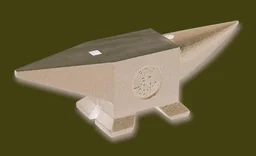
For smaller projects or limited space, anvils weighing around 50 kg can also be a good choice. Be sure to set them up on a stable base.
Warning: Check the hardness
A soft anvil will gradually develop dents and deform over time, affecting your work. High-quality anvils have a hardened face. Ask the manufacturer or check the detailed product description for more information.
Specialty anvils for sharpening and fine work
Not every job requires a giant anvil. Precision work calls for specialty shapes.
The
, a square sharpening anvil weighing 500 g, is a great example. Its compact, angular shape lets you position it precisely when sharpening chisels. It is easy to handle thanks to its low weight, while its sturdy construction ensures durability.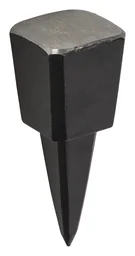
For even more specialized shapes, there are models such as the
with a pointed face. These are ideal for working on the inside corners of tools.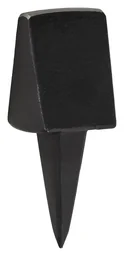
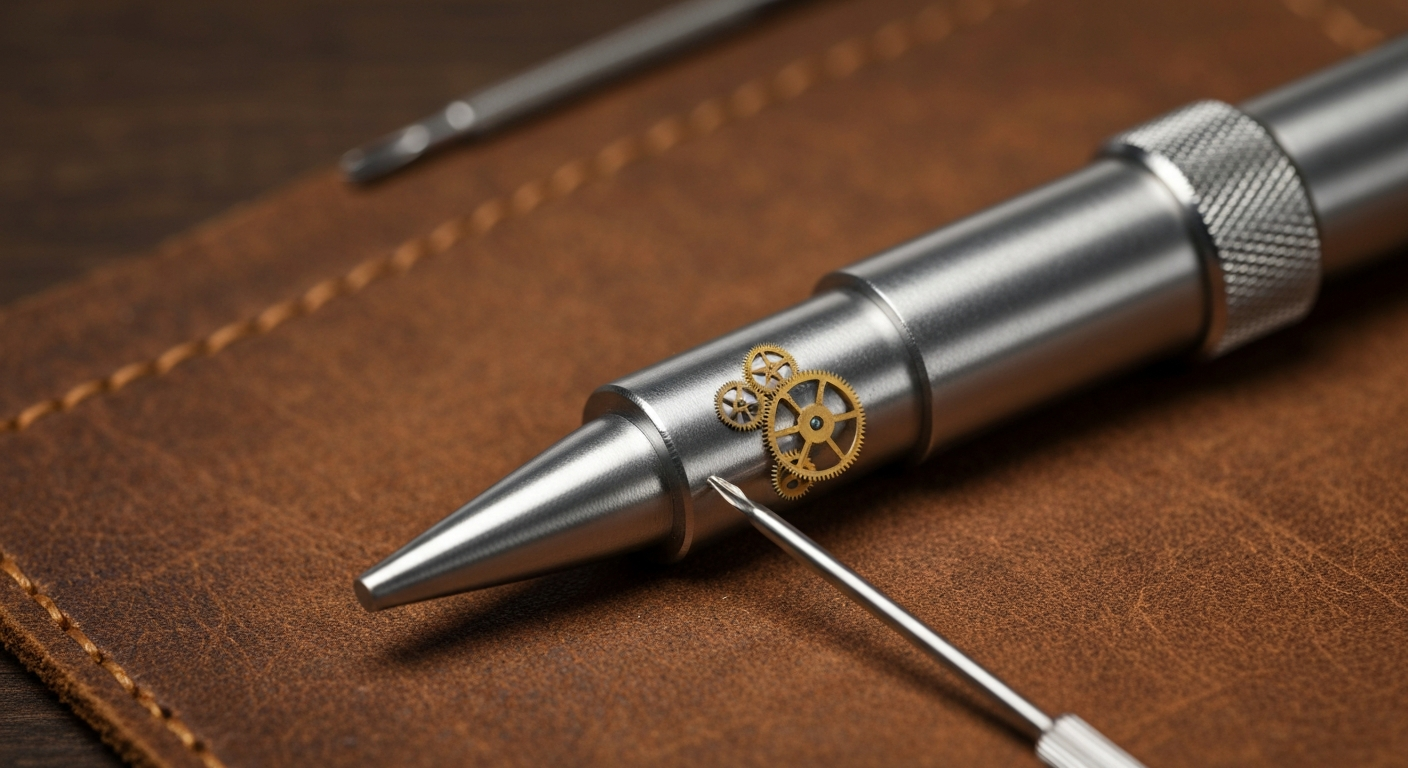
For precision work such as watchmaking, the
is specially designed. This small anvil offers several working surfaces and is a miniature version of a large blacksmith's anvil. Its surface is finely polished to avoid damaging delicate workpieces.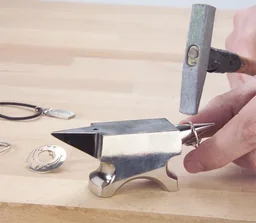
Workshop mobility: Lightweight, portable anvils
Don’t have a permanent forge, or need to work in different locations? A portable anvil may be the perfect solution.
The
, measuring 200 mm long, is ideal for this purpose. Attach it to a sturdy workbench to create an instant work surface, then remove it when you’re done. It’s a great option for rented workshops or spaces where room is limited.
Its main advantage is flexibility. The tradeoff is its lighter weight, which can mean more vibration and less efficiency when you strike it hard. For light- to medium-duty work, though, it’s an excellent choice.
Note: Consider combining different types
Many professionals own more than one anvil: a heavy model for rough work, a peening anvil for tool maintenance, and perhaps a portable one for work on the go. Think about whether a combination would work for you. Explore all your options in our tools category.
How to care for and store your anvil
An anvil is an investment that can last for years. With proper care, it can remain useful for a lifetime.
After use, clean dirt and rust from the working surface. A light coat of oil helps prevent new corrosion. Don’t use the anvil as a striking surface for other tasks, as this can damage its hardened face.
Store it in a dry place. If you won’t be using it for a while, apply a thin coat of protective oil. Make sure it’s secure and can’t tip over.
Conclusion: How to choose the right anvil
Choosing the right anvil comes down to setting your priorities. Choose a heavy, stable model if you forge regularly. Look for specialty shapes such as the , for tool maintenance. And consider a portable model if your workspace changes.
Think about the whole setup: a good anvil needs a solid base. If needed, combine different types to handle every task. With the models and selection criteria covered here, you can find an anvil that will support your work for years to come.
Here’s a side-by-side look at the top-rated anvils in our selection:
| Model | Customer rating | Availability |
|---|---|---|
| 80 kg anvil | – | Currently unavailable |
| 10 kg anvil | – | Currently unavailable |
| 5 kg anvil | – | Currently unavailable |
| Short, square peening anvil, 500 g | – | Currently unavailable |
| Short, pointed peening anvil, 500 g | – | Currently unavailable |
Frequently asked questions
- How much should an anvil weigh for hobby blacksmithing?
- For hobby blacksmithing, we recommend an anvil that weighs at least 50 kg. That gives it enough mass to absorb the impact and transfer energy efficiently to the workpiece, without shifting with every blow. Lighter models are best suited to very light work.
- What’s the difference between a forging anvil and a peening anvil?
- A forging anvil is heavy and solid, providing a versatile base for general forging. A peening anvil is smaller and lighter, and often has specialty features such as a narrow face or pointed end. It’s designed for sharpening and shaping chisels, plane irons, and other cutting tools.
- Can I use an anvil on the go?
- Yes. Portable anvils are made for this purpose. They’re much lighter and often have a clamp or screw mechanism to secure them to a workbench. They’re ideal if you move between workspaces or only need an anvil occasionally.
- What should I put my anvil on?
- Set your anvil on a stable, solid surface that absorbs vibration. A heavy, sturdy hardwood block or a dedicated steel anvil stand filled with sand works well. A good base protects the anvil and your workshop while reducing noise.
- Do I need an anvil as a beginner?
- If you’re getting started in metalworking, an anvil is an essential tool. You can begin with other solid blocks, but a proper anvil with a horn and different faces gives you many more options. Start with a smaller, high-quality model that suits the projects you have in mind.