
In brief: Choosing the right bin depends largely on the space available, the amount of waste you produce and how you separate your rubbish. For small households or individual rooms, compact models such as PRODUCT_121749 are ideal. For consistent waste separation, systems such as PRODUCT_93273 are a good choice. If convenience is your priority, hands-free sensor bins such as PRODUCT_120379 offer a hygienic and modern solution.
A good bin is more than just a container for rubbish. It makes a significant contribution to hygiene, tidiness and efficiency in your home. In 2026, you can choose from a wide range of models and technologies. This review and comparison will help you find the right model for your needs. We introduce various types, from simple containers to smart automatic models, and provide sound buying advice.
Table of contents
What types of bins are available?
There is a wide range of bins to choose from. In general, you can distinguish between manual and automatic systems.
Manual bins
These classic models are reliable and do not require a power supply. You open the lid using a foot pedal, by hand or with a flip-top lid. A popular example is the compact
. It is perfect for the bathroom or home office.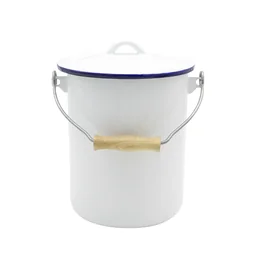
Waste separation systems
Waste separation systems are essential for environmentally conscious households. They consist of several containers in a single housing. This allows you to separate paper, plastic and general waste while saving space. For example, the
offers three separate compartments in a slim design.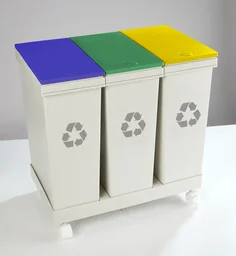
Automatic sensor bins
These highly modern bins open the lid without contact as soon as your hand or foot approaches the sensor. This is hygienic and convenient. Models such as the
with a stainless steel look are not only functional, but also an eye-catching addition to the kitchen.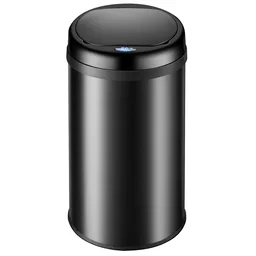
Tip: Before buying, consider where the bin will be placed. Measure the available floor space precisely and also allow for the space needed to open the lid.
The most important buying criteria at a glance
Not every bin is suitable for every household. Consider these factors when making your decision.
Capacity and household size: The size you need depends on the number of people in your household and the amount of waste you produce. A single-person household can often manage with 30 litres in the kitchen, while a family is more likely to need 60 litres or more.
Materials and build quality: Plastic is lightweight and easy to clean. Stainless steel looks more premium and is particularly durable. Look for sturdy pedals and tightly closing lids to prevent odours.
Design and colour: The bin should blend harmoniously into your interior. Models are available in white, black, stainless steel effect or with coloured accents.
Functionality: Do you need a simple container or a waste separation system? Would you like the convenience of hands-free opening? The answers to these questions will help narrow down your selection.
Important: For automatic bins, check the type of power supply (batteries or rechargeable battery) and the availability of replacement parts such as the
activated carbon filters. These filters are essential for effectively neutralising odours.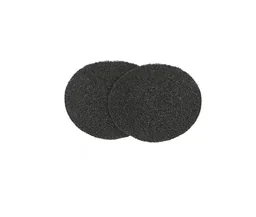
Comparison of the 2026 models
Below, you will find a direct comparison of selected top models from our range. The table helps you see the differences at a glance.
The most highly rated waste bins in our range compared directly:
| Model | Customer rating | Availability |
|---|---|---|
| Waste bin, white, 3 Liter 🏆 Test winner | ★ 4,9 (7) | In stock |
| Waste separation system "Genial", 3 bins, 53 x 33,5 x 52,5 cm | – | Currently unavailable |
| Activated carbon filter, 2 pieces, 85 x 85 x 30 mm, for 600979 Bio waste bin | – | Currently unavailable |
| Automatic stainless steel waste bin / waste container with sensor - 56 L - Black | – | Currently unavailable |
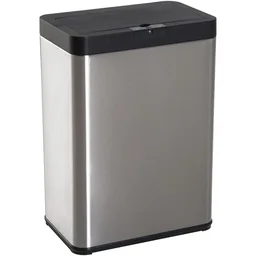
| Automatic stainless steel waste bin with sensor - 56 L - Silver | – | Currently unavailable |
The silver model
uses the same technology as its black counterpart, but fits better with light-coloured interiors. For slightly less capacity with the same technology, choose the .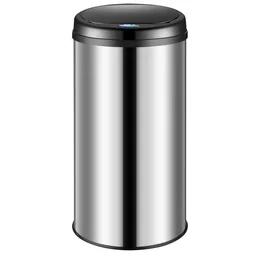
The right waste bin for every location
For the kitchen
The largest amounts of waste are produced in the kitchen. Sturdy, easy-to-clean models with sufficient capacity are needed here. A sensor waste bin like the is particularly hygienic. Alternatively, practical waste separation systems are ideal for separating food waste and packaging.
For the bathroom
In the bathroom, smaller, waterproof containers with lids are ideal. With a capacity of 3 Liter and a simple design, the is an excellent choice. A lid prevents odours from escaping.
For the office or home office
Here, aesthetics and compactness are the main priorities. A slim waste paper bin that fits under the desk is often the best solution. A small lidded container can also be useful here.
Note: Remember utility rooms such as the laundry room or garage, too. Simple, large and sturdy containers without unnecessary extras may be the best choice here. Browse our household goods category for more ideas.
Care and hygiene: How to keep your waste bin clean
Regularly cleaning your waste bin helps prevent odours and bacterial growth.
Empty the container before it is completely full. This prevents waste from sticking to the inside edge. Wipe out the empty container at regular intervals with a damp cloth and mild cleaner.
For strong odours, rinsing with vinegar water or wiping with baking soda can help. Always allow the container to dry thoroughly before inserting a new bin bag.
For automatic models with an activated carbon filter, such as the , regularly replacing the filter is essential for lasting odour control.
Trends and innovations in 2026
The world of waste bins is continuing to evolve. A clear trend is towards smarter integration. Some high-end models can already report their fill level or be controlled via an app.
Sustainability is playing an increasingly important role. Manufacturers are increasingly using recycled materials and durable construction. Compatibility with standard bin bags is important to many users to reduce plastic waste.
Design is becoming more minimalist and adaptable. Waste bins are disappearing behind cupboard doors or being disguised as stools.
Conclusion: How to make the right choice
Choosing a waste bin is a personal decision. Ask yourself: How much space is available? How much waste is typically produced? How important are waste separation and touch-free operation to me?
For targeted use in the bathroom or office, compact models such as the are ideal. For consistently separating waste in the kitchen, investing in a system such as the is worthwhile. And for anyone who values maximum convenience and hygiene, sensor-controlled stainless steel models such as the or the are the first choice.
Discover our wide range of practical helpers for a tidy and clean home now.
Frequently Asked Questions
- What size bin is suitable for a two-person household?
- For the kitchen of a two-person household, bins with a capacity of 30 to 60 litres are usually recommended. This depends on your shopping and cooking habits. For the bathroom, 5-15 litres is sufficient. A larger bin needs emptying less often but takes up more floor space.
- Are sensor bins worth the money?
- Sensor bins offer mainly hygienic benefits because you do not have to touch the lid. This is particularly practical in the kitchen when your hands are dirty. They also help reduce odours and often have a stylish design. However, they require batteries or a rechargeable battery.
- Which materials are best for bins?
- Stainless steel is robust, easy to clean and has a premium appearance. Plastic is lightweight, affordable and available in many colours. For damp areas such as the bathroom, water-resistant materials are important. Watch out for sharp edges on metal models.
- What is the best way to clean a bin?
- Empty the bin regularly. You can wipe plastic bins with warm water and washing-up liquid. For stubborn odours, vinegar water can help. Clean stainless steel with special care products to avoid scratches. Always dry the bin thoroughly.
- Do I need several separate bins for sorting waste, or a waste separation system?
- A compact waste separation system such as PRODUCT_93273 saves space and looks tidier. It is ideal if you want to sort waste directly where it is produced. Separate bins offer more flexibility when arranging them and are easier to clean.
You may also be interested in
- Laundry Hampers Review & Comparison 2026: The Best Models at a Glance
- Household Products Review & Comparison 2026
- Ash Vacuum Cleaners Review & Comparison 2026: The Best Models at a Glance
- Garden Waste Bags Review & Comparison 2026
- Floor Mops Review & Comparison 2026
- Rolling Bins Review & Comparison 2026: The Best Models in Practical Testing