
In brief: Our 2026 car electronics comparison explains what to look for when choosing components. Compatibility, connection quality and the intended use are key. A solder seal wire connector kit such as PRODUCT_73939 is a great place to start. Specialty testers and fuse assortments are essential for diagnostics and vehicle fuse systems. We’ll help you find the right components for your vehicle and projects.
Modern vehicle electronics are becoming increasingly complex. Whether you’re making repairs, performing maintenance or adding custom upgrades, the right car electrical components are essential. Our 2026 comparison helps you find the best options for your needs. We compare products for real-world use and explain what matters most.
Table of contents
- Essential equipment for automotive electrical work
- Diagnostic tools compared: From basic testing to professional analysis
- Automotive connector kits: Which ones are worth buying?
- Vehicle safety components and electrical protection
- Specialty tools for demanding applications
- Buying guide: How to choose the right components
What basic equipment do I need for automotive electrical work?
Before you start working on car electronics, you need a reliable set of essentials. This includes tools and components for making electrical connections and performing basic tests.
A solder seal wire connector kit is a must-have. It lets you make or repair wiring connections neatly and securely. Look for high-quality sleeves and insulation. The
includes 30 pieces, making it a solid choice for many jobs.
Tip: Pair your solder seal wire connector kit with suitable crimping pliers for crimp connectors. Using the right tool helps create secure, long-lasting connections that resist corrosion.
A test light is another simple but effective tool. It quickly shows whether a contact has power. Many modern models use LED technology and include a range of adapters.
Diagnostic tools compared: From basic testing to professional analysis
Diagnostic tools help you troubleshoot electrical problems. Options range from basic testers to specialty devices designed for specific systems.
An ABS / EBS tester such as the
is designed to diagnose brake system faults. It communicates with the control unit and helps pinpoint problems with sensors or the hydraulic unit. These testers are especially useful for commercial vehicle technicians and experienced DIY mechanics.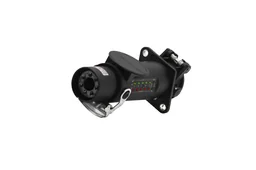
Important: Work on the ABS system can affect vehicle safety. Only attempt repairs if you understand the potential consequences. After clearing fault codes and completing repairs, you may need to take a test drive and reset the system.
A multimeter is a versatile choice for general electrical testing. It measures voltage, current and resistance. A digital model with a backlit display is handy when working on a vehicle.
Which automotive connector kits are worth buying?
The quality of your electrical connections affects how reliable your work will be. That makes a good connector kit a worthwhile investment.
For larger projects or workshop use, a large automotive connector kit such as the
is a smart choice. With 600 pieces, it gives you a wide range of connectors, pins and terminals for different vehicle types. Having them on hand saves time and helps you avoid makeshift repairs.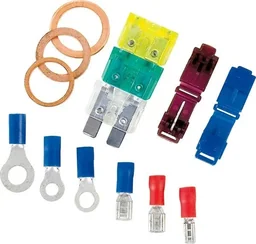
Smaller kits are often enough for DIY projects. Look for common types such as spade terminals, round connectors and multipin connectors. Before buying, check that the connectors fit the wire gauges you plan to use.
Vehicle safety components and electrical protection
A car’s electrical system needs reliable protection. Fuses and suitable protective circuits help prevent damage.
An automotive fuse assortment is a workshop essential. The
includes 81 pieces covering many standard fuse types and amperage ratings, so you can find the right replacement. Check that the assortment includes mini, standard and, if needed, micro fuses.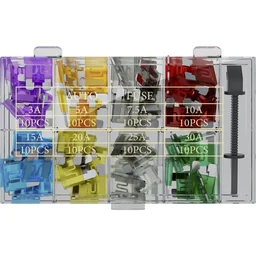
Note: Replace a fuse only with one of the same type and amperage rating. A higher-rated fuse can overload wires and components, creating a fire risk. Find out why the original fuse blew before replacing it.
Wires and conductors need protection, too. Use heat-shrink tubing or high-quality electrical tape to seal connections. This helps prevent moisture- or vibration-related short circuits.
Specialist Devices for Demanding Applications
In addition to standard equipment, there are devices for specific tasks. These are often designed for niche applications, but are indispensable when needed.
A voltage converter such as the
is one example. It converts 24V DC to 12V. This is necessary for operating standard 12V accessories in vehicles with a 24V electrical system. Choose one based on the continuous power requirements of the devices you want to connect.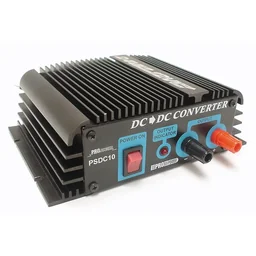
Other specialist devices may include vehicle camera systems or special signal devices. Check these products carefully to make sure they’re compatible with your vehicle model and available connections.
Buying Guide: How to Make the Right Choice
Choosing the right car electronics largely depends on your specific plans and level of expertise.
Start with the basics: a test light, a multimeter, a solder connector kit, and an assortment of fuses. These four items let you handle many common jobs. Invest in good-quality tools and components.
For specific diagnostic tasks, such as working on the ABS system, a tester like the is only worthwhile if you do this kind of work regularly. Otherwise, a repair shop can often read the diagnostic codes for you.
For large connector sets, consider how you plan to use them. For a one-time project, you can often buy just the connectors you need. If you do this type of work often, a large set like the can save you time and money in the long run.
Always check compatibility before buying. Does the connector fit your control unit? Does the tester support your vehicle’s protocols? Is the voltage converter’s maximum output sufficient? Read product descriptions and compatibility lists carefully.
Here’s a direct comparison of the most-reviewed car electronics in our range:
| Model | Customer rating | Availability |
|---|---|---|
| Solder connector assortment, 30 pieces 🏆 Test winner | ★ 4,8 (25) | In stock |
| 10A voltage converter 24Vdc to 12Vdc | – | Currently unavailable |
| 276336 cam follower 112 | – | Currently unavailable |
| 7" Basic system camera - black | – | Currently unavailable |
| ABS / EBS tester 24 Volt | – | Currently unavailable |
With the right tools and components, you can make your car electronics projects safer and more successful. Plan your purchases around your actual needs and start with a solid basic setup.
Frequently Asked Questions
- What car electronics do I need for simple repairs?
- For simple repairs and installations, you need a reliable solder connector assortment, a test light, and an assortment of fuses. These three items cover most basic applications. Look for good-quality connectors and a wide variety of fuse types.
- How can I test the ABS system myself?
- To test the ABS system, you need a dedicated ABS tester such as PRODUCT_86169. It communicates with the control unit and reads fault codes. You’ll need specialist knowledge to interpret the codes. You can often test basic sensors with a multimeter, too.
- Are large connector sets worthwhile?
- A large automotive connector set such as PRODUCT_107022 is especially useful for repair shops or experienced DIY mechanics. For occasional use, a smaller set is often enough. Having a wide range of connector types on hand saves time.
- What is a voltage converter used for in a car?
- A voltage converter such as PRODUCT_87601 converts the vehicle’s electrical system voltage. It’s needed to operate 12V devices in vehicles with a 24V electrical system. This is especially relevant for trucks, motorhomes, and specialty vehicles. Pay attention to the maximum continuous output in amperes.
- Why should I have an assortment of fuses?
- An assortment of fuses such as PRODUCT_74673 is essential for troubleshooting and maintenance. A blown fuse can disable an entire system. With an assortment on hand, you’ll have the right replacement ready and can avoid dangerous makeshift fixes.
You may also be interested in
- Multimedia Review & Comparison 2026: The best devices for your vehicle
- Technology Review & Comparison 2026: The best products tested in practice
- Car Diagnostic Tools Review & Comparison 2026: The best devices tested in practice
- Bicycle Accessories Review & Comparison 2026: The best products tested
- Reversing Cameras Review & Comparison 2026: The best systems tested
- Car Cool Boxes Review & Comparison 2026