
In brief: In our 2026 clamp review, we compare screw clamps for maximum clamping force, one-handed clamps for quick jobs and specialty clamps such as band clamps for frames. Key factors include clamping capacity, material and spindle quality. For occasional DIY projects, a basic clamp set is often enough, while professionals should choose durable individual clamps.
Best Clamps of 2026: Reviews & Comparison
Clamps are essential in the workshop and for DIY projects. They hold workpieces securely together for gluing, welding or repairs. Our 2026 review and comparison shows you the types of clamps available and what to consider when buying. We look at several models and help you choose the right one for your project.
Contents
What types of clamps are there?
You’ll find several types of clamps on the market, each designed for specific tasks. Choosing the right type is the first step toward a good result.
Screw clamps for maximum pressure
Screw clamps use a precision spindle to generate high clamping pressure. They’re ideal for jobs that require strong, even force, such as gluing wood joints. Their main advantages are stepless adjustment and precise pressure control.
One-handed clamps for quick jobs
One-handed clamps can be operated with just one hand. A lever mechanism lets you tighten and release them quickly. They’re ideal for assembly work or whenever you need your other hand to hold the workpiece. However, they don’t provide as much pressure as screw clamps.
Specialty clamps for specific tasks
These include miter clamps for frame corners, band clamps for large frames and deep-reach clamps for recessed surfaces. These models solve specific problems and are often essential for demanding projects in the tools category.
Tip: For beginners, a versatile set with different types of clamps is often a good place to start. It covers most basic jobs.
What should you look for when buying clamps?
Not every clamp is right for every job. These features determine its quality and suitability.
Clamping capacity and maximum force
Clamping capacity tells you how wide the clamp can open. Consider the sizes of the workpieces you typically handle. Maximum clamping force is often listed in kilograms and indicates how firmly the clamp can press. Hardwood and metal require more force.
Material and construction
High-quality clamps are made from sturdy steel or durable metal alloys. The spindle should be precision-made and corrosion-resistant. Ergonomic plastic handles provide a secure grip, even with sweaty hands.
Workpiece protection
Good clamps have soft pressure plates or removable protective pads. These help prevent dents and other damage to the workpiece. They’re especially important when working with painted or soft materials.
Warning: Don’t overload clamps. Never exceed the maximum clamping capacity by adding improvised extensions. The clamp could break and cause an injury.
Comparison of the best clamps
Below, you’ll find a side-by-side comparison of selected models. Use the table to compare their key features at a glance.
Our highest-rated clamps, compared side by side:
| Model | Customer rating | Availability |
|---|---|---|
| XXL Screw Clamp, 2 functions 🏆 Test winner | ★ 4,8 (20) | In stock |
| Micro Clamp Set, 10-piece - 63 mm | ★ 4,8 (4) | In stock |
| Clamps Set, 16-piece | ★ 5,0 (3) | In stock |
| 2 x One-Handed Clamp EZS 110/40 | – | Currently unavailable |
| 2 x One-Handed Table Clamp EZR 150/60 | – | Currently unavailable |
Common uses for different clamps
The right clamp can make all the difference. Here’s a look at which types work best for different jobs.
Woodworking and furniture making
Screw clamps are the first choice for gluing wood joints. They provide the pressure needed for the glue to set properly. Use miter clamps or angle clamps to secure miter joints.
Metalworking and welding
These jobs call for sturdy, heat-resistant clamps. Magnetic squares or specialty welding clamps are often used to position the workpiece precisely. Make sure the materials can withstand the heat.
General repairs and assembly
One-handed clamps are ideal for quickly securing items during repairs. They hold parts in place while you screw or glue them. They’re also essential in the hand tools category.
How to care for and store your clamps
With proper care, your clamps can last for many years. A few simple steps are all it takes.
Clean the spindle regularly to remove dirt and old lubricant. A light coat of oil on the threads helps them move smoothly. Store clamps in a dry place to protect them from corrosion. Hang them up or store them neatly in a cabinet to prevent damage.
Note: Before each use, check that all parts of the clamp are secure and that the pressure plates are undamaged. A loose spindle or cracked handle can affect how the clamp works.
Our Top Picks in Detail
Here are several models from our range that stood out in our 2026 review.
XXL Screw Clamp, 2-in-1
The
stands out for its wide opening capacity and sturdy construction. Its two functions make it versatile, and it's especially well suited to larger projects that call for plenty of clamping force. Its quality construction is built to last.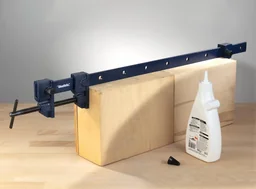
Micro Clamp Set, 10-Piece
The
is ideal for delicate projects. These small clamps hold workpieces securely and precisely, making them a great fit for model making, electronics, and small repairs. The set includes a range of sizes, giving you a handy starter kit for precision work.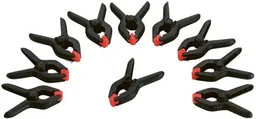
Clamp and Screw Clamp Set, 16-Piece
The
gives you a versatile starter set. It combines several types of clamps and screw clamps to handle a wide range of jobs. If you're a DIYer looking for several solutions in one purchase, this set is a great choice in our clamps category.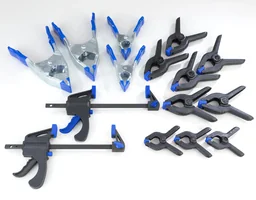
Conclusion and Recommendations
The right clamp for you depends largely on the projects you have planned. For demanding jobs such as gluing wooden furniture, screw clamps are hard to beat. For quick, repeated clamping, one-handed clamps save time and effort. Specialty clamps are worth considering if you regularly tackle specific jobs, such as clamping frames.
Start with a basic set to get familiar with the different types. Then invest in high-quality individual clamps for the jobs you do most often. Quality clamps are a long-term investment that will serve you well in any workshop.
Frequently Asked Questions
- What type of clamp should I use for joining wood?
- For wood joints such as miters, use specialty miter clamps or sturdy screw clamps with a wide opening capacity. Choose soft pressure pads to help prevent damage. Even, firm pressure is essential for glued joints.
- Can I use clamps for metalworking?
- Yes, but choose clamps with enough clamping force and a sturdy construction. Use protective pads to prevent direct metal-to-metal contact. Specialty engineering clamps often provide greater strength for these jobs.
- What's the difference between screw clamps and one-handed clamps?
- Screw clamps use a spindle to apply high pressure, making them ideal for demanding jobs. One-handed clamps are easy to operate with one hand and work well for quick, repeated clamping, but they apply less pressure.
- How can I prevent clamp marks on my workpiece?
- Use soft pressure pads or protective pads made of wood or plastic. When working with delicate materials, spread the pressure with a scrap board. Don't overtighten the clamp; apply only as much force as needed.
- Are clamp sets a better value than buying clamps individually?
- Sets are a cost-effective choice for beginners and include a range of sizes. If you regularly handle specialized jobs, investing in high-quality individual clamps may be worthwhile. Consider the clamping capacity you typically need.