
In brief: In our 2026 comparison, the bee tree, Blauer Muskateller grapevine and wild service tree stand out for their distinct strengths. The bee tree supports pollinators, the grapevine produces aromatic fruit for home use, and the wild service tree is a hardy native fruit tree. Artificial hedge panels offer a low-maintenance way to add year-round greenery. The right choice depends on your location, how you plan to use the plant and how much time you can spend caring for it.
Thinking about adding new plants to your garden? There are plenty to choose from. Our 2026 comparison helps you find the best trees and shrubs for your needs. We look at popular and unusual options, from classic fruit trees and shrubs to wildlife-friendly standouts and practical artificial plants.
Whether you want flavorful home-grown fruit, a way to support wildlife or low-maintenance evergreen greenery, this article covers the essentials. Use our buying advice to choose a plant you can enjoy for years to come.
What makes a good plant?
A good plant reliably does what you need it to do. That means it should look healthy when you buy it, but also thrive and adapt to its chosen location.
Choose a plant suited to your soil and sunlight. A sun-loving shrub planted in the shade will struggle to thrive. Always check the plant's site requirements.
Resistance to pests and diseases is another sign of quality. Hardy varieties mean less trouble later and can reduce the need for plant protection products.
The benefits of container-grown plants
Almost all plants sold today are available in containers. This offers a major advantage: you can generally plant them at any time of year, as long as the ground is not frozen.
A good container plant has a well-established root system that is not overcrowded. The roots should have spread through the root ball without circling around it.
Tip: Choose plants from local nurseries when possible. They are adapted to the regional climate and can get established more quickly. You also support local businesses.
Our picks: These plants stand out in 2026
Our comparison focuses on trees and shrubs with notable benefits or distinctive features. We assess them based on care needs, yield, ecological value and appearance.
: The bee tree, a pollinator favorite
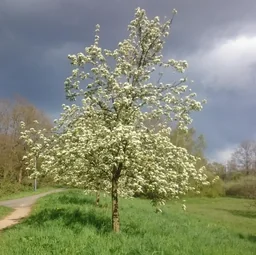
The bee tree, also known as the thousand-flower shrub, is an excellent choice for a wildlife-friendly garden. Its large, creamy-white flower clusters have a strong fragrance and attract bees, bumblebees and butterflies from July to September.
This undemanding plant grows well in ordinary garden soil in a sunny spot. It can grow as a shrub or tree and is easy to prune as needed. In fall, its foliage turns an attractive yellow.
Advantages: Outstanding ecological value, long flowering season, fragrant blooms, easy to care for, heat-tolerant.
Disadvantages: Needs plenty of room to grow; young plants are somewhat sensitive to frost.
Warning: Some regions have raised concerns that the bee tree may spread aggressively. If in doubt, ask your local authorities whether it could displace native species in your area. In a typical home garden where it is kept under control, this is rarely a problem.
: Blauer Muskateller grapevine for grape lovers
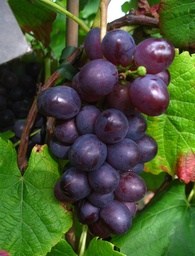
The heirloom Blauer Muskateller grape is a classic for the home garden. It produces sweet, dark grapes with a distinctive muscat aroma. Enjoy them fresh off the vine or make them into juice.
This grapevine needs a warm, sunny, sheltered spot, ideally against a south-facing wall. Train it on a trellis or pergola, or grow it in a container on your patio.
Advantages: Flavorful home-grown fruit, an attractive climbing plant, suitable for containers, good resistance to fungal diseases.
Disadvantages: Needs regular pruning and a sunny spot; bird netting is often needed to protect the crop.
: The hardy wild service tree

The wild service tree is an underrated native tree that offers year-round interest: white spring flowers, attractive foliage, vivid fall color and small fruits that provide food for birds.
This tree is highly adaptable and grows in both dry and moist soils. It tolerates heat and urban conditions exceptionally well and does not need pruning. It is a great choice for naturalistic gardens and property boundaries.
Advantages: Very hardy and undemanding, excellent fall color, valuable to birds, completely frost-hardy, easy to care for.
Disadvantages: Grows relatively slowly; the raw fruit is barely edible for people.
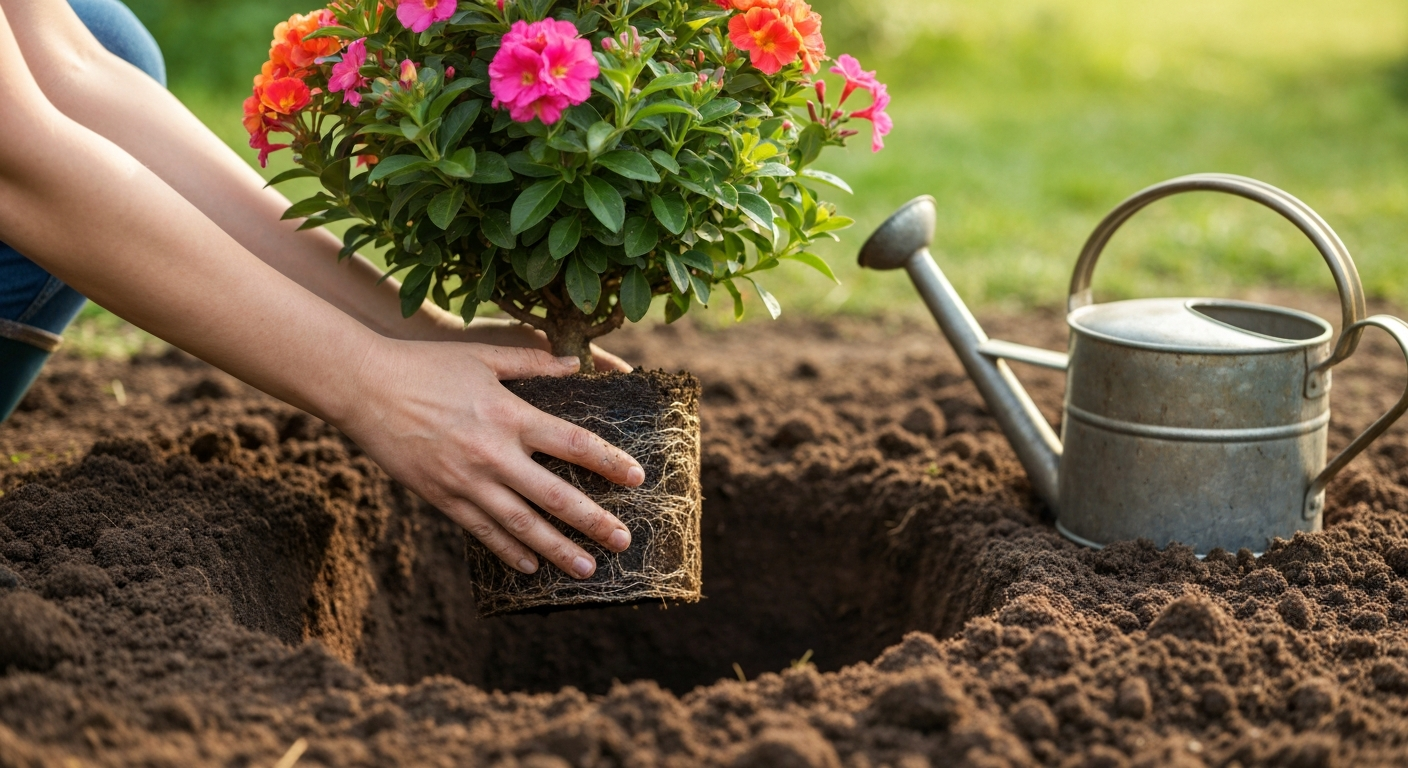
Note: The wild service tree is often sold as a standard tree. When planting, make sure the root ball is not set too deep. Its surface should be level with the surrounding soil. Use a planting stake to support the tree securely during its first few years.
When are artificial plants the better choice?
Artificial plants have their place in modern gardens and on patios. They are not a replacement for living plants, but a useful addition.
Use them where living plants struggle: in dark corners, under roof overhangs that keep out the rain, on extremely hot south-west-facing balconies, or when you simply do not have time for maintenance.
 & : Artificial privacy hedges
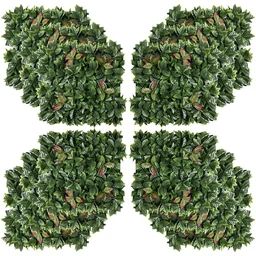
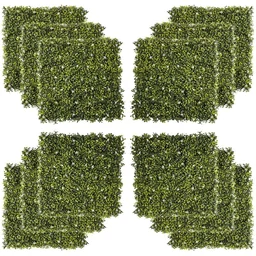
Sets of artificial hedge panels, such as the Milan grass design () or Photinia design (), offer an instant solution. Simply attach the panels to a fence, wall, or frame to create a solid green screen in minutes.
High-quality models are UV-stabilized, so they do not fade in the sun, and are weather-resistant. They need no water, fertilizer, or pruning. Occasional cleaning with a garden hose is all they need.
Advantages: Instant impact, completely maintenance-free, green all year round, versatile, and ideal for rental properties.
Disadvantages: No ecological value, often looks unnatural up close, and can blow away in storms if not securely mounted.
Buying guide: How to find the right plant
Ask yourself these four key questions before buying. They will help you find the right fit.
1. What do you want the plant to do? Are you looking for fruit, privacy, abundant blooms, fall color, or a way to support local wildlife? Define your main goal.
2. What are the site conditions? Take a close look: full sun, partial shade, or shade? Is the soil sandy and dry or clay-rich and moist? How much space is available?
3. How much time and effort do you want to put in? Be honest with yourself. A fruit tree or shrub needs regular pruning and care. A service tree or artificial hedge needs very little.
4. Does the plant's appearance and growth habit suit your garden? Do you want a formal, clipped look or a loose, natural shape? Choose a plant whose height, width, and growth habit fit its surroundings.
Our most-reviewed plants, compared side by side:
| Model | Customer rating | Availability |
|---|---|---|
| "Bee tree", in a 3.5L container | – | Currently unavailable |
| "Blue Muscat" grapevine, 3.5L container | – | Currently unavailable |
| "Service tree", 7.5L container, wild fruit shrub | – | Currently unavailable |
| 10-piece patio tile set, 25mm, green artificial grass | – | Currently unavailable |
| 12 artificial hedge panels, 50x50 cm, UV-resistant privacy screen, Milan grass design, for outdoor gardens | – | Currently unavailable |
Planting and initial care: Give your plant the best start
The first few weeks and months are critical to successful planting. Planting correctly lays the foundation for healthy growth.
The best time to plant
As mentioned, container-grown plants can be planted almost year-round. However, the best times are spring (March/April) and early fall (September/October).
In fall, the plant has time to grow new fine roots before frost and gets a head start in spring. If you plant in spring, be sure to water consistently during dry spells.
How to plant properly
- Prepare the planting hole: Dig a hole at least twice as wide and deep as the root ball.
- Loosen the soil: Thoroughly loosen the bottom and sides of the hole with a digging fork.
- Water the root ball: Before planting, place the container in a bucket of water until no more air bubbles rise to the surface.
- Position the plant and backfill: Plant it at the same depth as it was in the container. Fill the hole with the excavated soil and gently firm it down.
- Water thoroughly: Give the plant plenty of water to help it settle in. This fills any air pockets in the soil.
- Create a watering basin: Build a small mound of soil around the plant to keep water from running off.
Follow these steps to help your new plant get established quickly and thrive for years to come. Whether you choose a living tree or shrub or a practical artificial plant, our buying guide will help you make an informed choice for your outdoor space.
Frequently asked questions
- Which plant is best for a wildlife-friendly garden?
- The wild service tree (PRODUCT_98056) is an excellent choice for a wildlife-friendly garden. As a native wild fruit tree, it provides food and shelter for birds and insects. It is very hardy, adaptable, and requires very little care. The bee tree (PRODUCT_106398) is another great choice for boosting your garden’s value to wildlife.
- Are artificial hedge plants a good alternative?
- Artificial hedges such as the Mailänder Gras Design (PRODUCT_96629) are a practical alternative for areas with little light, harsh conditions, or when you don’t have time for maintenance. They provide instant, year-round privacy without watering, trimming, or fertilizing. Look for a UV-resistant option.
- Can I grow grapevines on a patio?
- Yes, the 'Blauer Muskateller' grapevine (PRODUCT_94314) grows very well in large containers on a patio or balcony. Choose a sunny, sheltered location and a sufficiently large planter. A trellis or climbing frame will support the plant. This way, you can harvest your own grapes even in a small space.
- What should I look for when buying container-grown plants?
- Check the root system before buying. Healthy roots are light in color and fill the entire root ball without being excessively root-bound. Look for a strong, undamaged main stem and healthy, spot-free leaves. The potting mix should be moist but not waterlogged.
- How do I care for a newly purchased bee tree?
- Plant the bee tree (PRODUCT_106398) in a sunny to partially shaded spot with well-drained soil. Water it thoroughly after planting. In the first few years, winter protection is recommended during severe freezes. Annual pruning isn’t necessary, but you can trim the tree to maintain its shape.