
In brief: Choosing the right garden shed depends on your storage needs, budget and preferred material. Compact wood or metal sheds are ideal for tools and equipment. For larger items or a versatile workspace, consider a sturdy log cabin-style shed or a spacious gazebo. Our comparison highlights the strengths of each type.
Keep your garden organised and protect your equipment with a garden shed or storage shed. But which model is right for you? Our 2026 comparison looks at different styles, materials and features. Use our buying advice to find the right fit for your storage needs.
- What types of garden sheds are available?
- Choosing the right material: What should you look for?
- Size and footprint: How to plan ahead
- Assembly and stability: What to look for when buying
- Special features and added value
- Gazebos and party tents as flexible alternatives
- Our verdict and buying recommendations
What types of garden sheds are available?
Garden sheds come in several styles, and the type you choose largely determines how you can use it.
The classic tool shed
This compact option is ideal for storing garden tools, bicycles or pool accessories. It is usually narrow and deep, with a simple door and often no windows. The priorities are sturdy protection and a space-saving design.
The garden shed for storage and workshop use
With this type of shed, extra space is the priority. There is often room for a workbench, shelving and larger equipment such as lawnmowers. Windows let in natural light, while sturdy locks help keep your belongings secure. These sheds are versatile all-rounders.
The garden gazebo or party tent
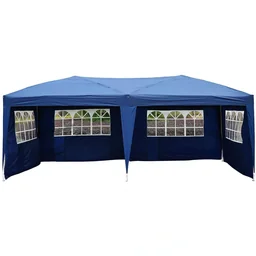
These models are not permanently enclosed, but offer temporary shade and protection from rain. They are ideal for gatherings. High-quality options such as the
or the can be set up and taken down quickly. With side panels, they provide almost complete shelter.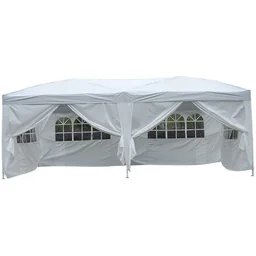
Choosing the right material: What should you look for?
The material affects your shed's lifespan, maintenance needs and appearance.
Wood: A classic with charm
Wooden garden sheds, especially those made from pressure-treated pine, are popular. They are breathable, sturdy and easy to customise. The downside is that they need regular maintenance, such as wood stain, and are more vulnerable to moisture if they are not properly protected.
Metal: Durable and low-maintenance
Sheds made from coated steel or aluminium are highly weather-resistant. They do not rust, hold up well in windy conditions and need very little maintenance. Their appearance is often modern and understated. Look for a high-quality powder-coated finish.
Plastic (PVC/Resin): Low-maintenance and lightweight
Plastic sheds are easy to assemble and resist moisture and rust. They will not warp, but their colour may fade over time in strong sunlight. Check how well they hold up in storms.
Size and footprint: How to plan ahead
The most common disappointment is finding out the shed is too small. Plan ahead.
Measure your available space carefully. Consider not only the shed's footprint, but also the space needed to open the doors and the required setback from your property line.
Think about the height. Will you install shelving or store tall equipment? For workshop use, an interior standing height of at least 1.90 m is recommended.
Leave room to grow. Garden tools tend to accumulate. It is better to plan for 20-30% more floor space than you think you need right now. Browse our garden sheds and tool sheds to see the available sizes.
Build Quality and Stability: Key Buying Criteria
A garden shed needs to withstand wind and weather. These are the key points in our comparison.
Foundation: The Basis of Every Stable Shed
Without a solid foundation, a wooden shed can sink and a metal shed can warp. Suitable options include:
- Concrete pier foundations: Suitable for many medium-weight sheds and easy to install.
- Concrete slab: The most durable and stable option, especially for heavy log cabin sheds.
- Ground anchors: Often included with metal sheds and suitable for lightweight to medium-weight models.
Roof Design and Wall Thickness
A steep roof lets rain and snow run off more easily. The wall thickness of wooden sheds (e.g. 28mm vs. 44mm) gives you an indication of their stability and insulation. For gazebos, the quality of the frame and connectors is critical, as with the models
or .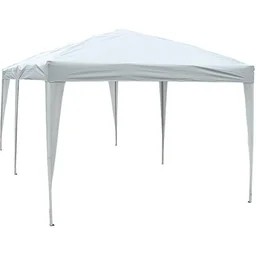
Doors and Locks
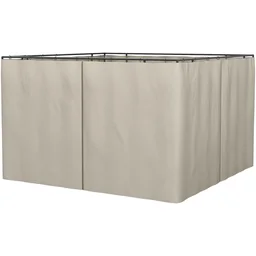
The door should resist warping in damp conditions and open and close smoothly. A high-quality lock keeps your equipment secure. For gazebos, sturdy zippers on the side panels are important, as provided with the accessory
.
Special Features and Added Value
Some features can make a shed much more convenient to use.
Windows: Let in natural light and provide ventilation. Double-pane windows are a good choice if you plan to use the shed as a hobby room.
Insulation: Special insulation panels or double-wall construction make a shed more suitable for year-round use.
Built-in shelves or workbenches: Save you the cost of buying and installing them separately.
Electrical wiring access: Some sheds already have a routed cable entry, making it easier to add lighting later.
Gazebos and Party Tents: A Flexible Alternative
For temporary shelter at parties or a summer seating area, gazebos are hard to beat. Our test shows that high-quality pop-up gazebos can be set up in minutes.
The main advantage is flexibility. With a full set of side panels, an open gazebo becomes an almost enclosed space. Compare models such as the (3x6m with 6 side panels) with more compact 3x3m versions. Look for:
- Frame stability: Thick, powder-coated steel tubes are ideal.
- Roof material: PE fabric is durable, while polyester is often lighter and less likely to crease.
- Transport: A good carrying case makes transport easy.
These products are the perfect complement to a classic range of garden sheds. Discover more practical helpers for your garden.
Here are our most-reviewed garden sheds and storage sheds side by side:
| Model | Customer rating | Availability |
|---|---|---|
| Pergola "Diana" | – | Currently unavailable |
| Pergola "Romantica" | – | Currently unavailable |
| 2x Side-wall pop-up gazebo Capri red 3x3m | – | Currently unavailable |
| 2x Side-wall pop-up gazebo Capri green 3x3m | – | Currently unavailable |
| 3x6 m Folding Gazebo Party Tent Garden Tent incl. 6 Side Panels White | – | Currently unavailable |
Our Test Results and Buying Recommendations
The best choice depends on how you plan to use it.
For permanent, secure storage: A pressure-treated wooden shed or a metal storage shed on a solid foundation is a smart long-term investment. It offers lasting protection and value.
For flexible, seasonal use: A high-quality large gazebo like the is hard to beat. It offers plenty of room for events and can be fully enclosed with side panels when needed.
For easy storage of seasonal items: Compact plastic or metal sheds are low-maintenance and often more affordable. A gazebo with side panels like the can also provide a temporary enclosed space.
Whichever option you choose, invest in a quality foundation and durable materials. A poorly made garden shed can cause problems and lead to extra costs for repairs or early replacement. Use the insights from our 2026 test and comparison to make an informed choice and bring more order and protection to your garden.
Frequently Asked Questions
- Which material is the most durable for a garden shed?
- Solid wood, especially pressure-treated pine or spruce, is highly durable. Aluminum or coated steel sheds are very weather-resistant and easy to maintain. Plastic sheds won't rust, but they can fade with prolonged UV exposure.
- Do I need a building permit for a garden shed?
- Requirements depend on the shed's size and foundation. Many local authorities set size limits for sheds that don't require a permit (for example, up to 10-20 m³ of enclosed volume). A permanent foundation may make a permit more likely to be required. Check with your local building department before you buy.
- How can I protect my garden shed from moisture?
- A gravel-filled pier foundation or concrete slab helps prevent rising damp. Make sure the roof has adequate overhangs and is properly sealed. Wooden sheds need regular treatment with weatherproof stain or paint.
- Can I use a garden shed as a hobby room?
- Yes. Larger models with windows and solid insulation are especially well suited. Make sure the shed has a sturdy door and adequate ventilation. For year-round use, consider installing electricity and possibly a heating system.
- What is the difference between a garden shed and a gazebo?
- A garden shed is an enclosed space, often insulated, for storage or use as a living area. A gazebo or party tent is a temporary, open structure or one with sidewalls for events. Gazebos generally aren't designed to withstand the weather year-round.