
In brief: Our 2026 test and comparison shows that solar-powered LED in-ground lights are especially practical and energy-efficient. They help cut electricity costs and are easy to install. Models such as the round or square "Lugo" stand out for their dusk sensors and good light output. The key is to balance battery life, brightness and design. A solar light with a long battery life is ideal for illuminating paths year-round.
Planning lighting for your patio, garden path or driveway? In-ground lights are an elegant, space-saving solution. They add visual interest, improve safety and bathe your property in atmospheric light. Our 2026 test and comparison will help you find the right model. We assess the most important criteria, including lighting technology, power supply and build quality.
Table of contents
What makes a good in-ground light?
A high-quality in-ground light combines several important features. It should provide reliable, long-lasting illumination. Look for a sturdy design that can withstand the weather. The light color and brightness should suit the intended use. The power supply matters too, as it affects both installation and running costs.
A good light has a suitable IP rating. For outdoor installation, at least IP44 is required. This protects the electronics from splashing water and dust. Ideally, the housing should be made of stainless steel or high-quality, UV-resistant plastic. These materials resist rust and fading.
Tip: Try out several lights at dusk before you buy. This will show you how the light looks and whether the brightness is sufficient. Light color (warm white or cool white) has a major effect on the atmosphere.
Comparing the different designs
In-ground lights come in a range of shapes. Each design has its own advantages and uses. Your choice depends on your taste and where you plan to install the lights.
Round in-ground lights
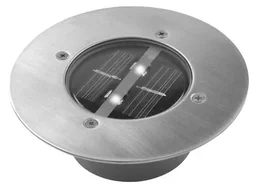
Round models are a classic choice. They blend harmoniously with most designs and usually cast an even, circular beam. They are ideal for highlighting paths or lighting steps. One example is the . Its round shape makes it versatile.
Square in-ground lights
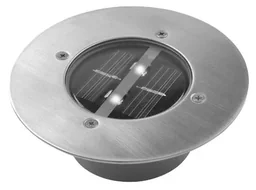
Square or rectangular lights have a modern, clean look. They create architectural accents and are ideal for straight-edged pavers or patio slabs. These models often cast a directional beam. The is a good example of this style.
Lights with motion sensors
These lights combine ambient and security lighting. They stay on at a dimmed setting and switch to full brightness when you enter the detection zone. This saves energy and improves security. They are ideal for entrances or dark corners of the driveway.
Solar or hardwired: which is better?
The power supply is a fundamental choice. Both options have advantages. Solar lights are flexible and inexpensive to run. They do not need to connect to your home's electrical system, which makes installation much easier. Simply place the light in a sunny spot.
Hardwired models, on the other hand, provide consistent performance. Their brightness and run time do not depend on the weather, and they are often brighter than solar lights. However, you need a cable to the nearest outlet or a permanent connection installed by an electrician. Hardwired lighting is a permanent solution.
Warning: When installing hardwired lights outdoors or in damp areas, you must follow the regulations for outdoor electrical circuits. If in doubt, have the work done by a qualified electrician. Only use lights with the appropriate IP rating.
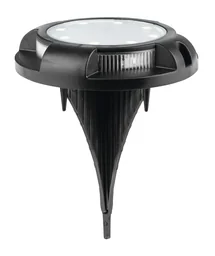
Solar lights such as the are a practical all-in-one solution. They combine the panel, battery and light in one system. Solar panel output and battery capacity are key to performance. High-quality batteries can withstand many charging cycles.
Technical details to look for
Along with the design and power source, technical specifications matter. They affect a light's performance and lifespan.
- LED chips: Modern LEDs are energy-efficient and long-lasting. Check the lumen rating, which indicates the light's brightness. For paths, 20-50 lumens per spotlight is often enough; accent lighting may need more.
- Ingress protection (IP rating): IP44 is the minimum for outdoor use. For areas exposed to heavy rain or pressure washing, IP65 or higher is recommended.
- Battery capacity (for solar models): This is measured in milliamp-hours (mAh). A larger battery stores more solar energy and can keep the light on longer at night.
- Dusk sensor: Essential for solar lights, it automatically turns the light on at dusk and off again in the morning, helping conserve battery power.
Compare these details in our overview:
Our most-reviewed in-ground spotlights, compared side by side:
| Model | Customer rating | Availability |
|---|---|---|
| Cabinet lighting - kitchen lighting - LED strip 54x3-6x2-2Cm | – | Currently unavailable |
| Fritz Göbel drinking cup 300 ml red - durable plastic | – | Currently unavailable |
| LED solar light Disk Lights - 4 pieces | – | Currently unavailable |
| LED solar light Disk Lights - 8 pieces | – | Currently unavailable |
| LED cabinet lighting - kitchen lighting - LED strip - white | – | Currently unavailable |
Note: Light color is measured in Kelvin (K). Warm white light (2700-3000K) creates a cozy atmosphere, while neutral or daylight white light (4000-6500K) looks brighter and more functional. Warm white is usually the more comfortable choice for living spaces.
Easy installation and maintenance
In-ground spotlights are generally easy to install. For solar lights, dig a small hole, insert the spotlight and firm the soil around it. Make sure the solar panel is in a sunny spot. For hardwired models, run the cable underground through a protective conduit.
For maintenance, simply wipe the cover now and then with a damp cloth. Clean solar panels regularly to remove dust, leaves and bird droppings so they can charge efficiently. In winter, clear snow from the panel. Find more ideas for your lighting in our shop.
Good planning makes all the difference
Before you buy, sketch out your lighting plan. Decide which areas you want to illuminate and measure the distance between planned lights. For path lighting, allow 2 to 3 metres between lights as a guide. This helps prevent a "runway effect" and creates a more even, inviting glow.
Our verdict on in-ground spotlights
The right in-ground spotlight depends on your needs. If you want a flexible, cable-free option, solar-powered LED models are a great choice. They are energy-efficient, low-maintenance and easy to install. For steady, bright light in all weather, hardwired spotlights are a better fit.
In our test, models with solid construction, a suitably high IP rating and smart energy management stood out. Look for a comfortable light color and the brightness you need. With the products and tips in this guide, you can find the right spotlight for your project. Explore our wide selection of in-ground spotlights and other technology products for your home and garden.
Frequently asked questions
- How long do solar-powered in-ground spotlights stay on at night?
- Run time depends on battery capacity and how much sunlight the panel receives. After a sunny day, good models with efficient solar panels and a high-capacity battery can provide 8 to 12 hours of light. They may stay on for less time in winter. Check the product specifications for battery run time.
- Can I install in-ground spotlights on paved paths?
- Yes. In-ground spotlights work well in paving joints, patios and driveways. They need a stable, level base and a water-resistant design (at least IP44). For hardwired models, plan the cable route before laying the paving.
- What does IP44 mean for in-ground spotlights?
- IP44 means the light is protected against splashing water from any direction and against solid objects larger than 1 mm. This rating is suitable for outdoor use on level surfaces, but not for submersion in water.
- What are the benefits of LED in-ground spotlights?
- LED in-ground spotlights use very little energy and often last more than 20,000 hours. They produce little heat, resist impact and reach full brightness instantly. Paired with solar power, they operate independently of the electrical grid and need little maintenance.
- Do I need to remove solar in-ground spotlights in winter?
- No. High-quality models are frost-resistant and can stay in the ground year-round. Check that the battery is designed for low temperatures. In winter, regularly clear snow and leaves from the solar panel so it can keep charging.