
In brief: Plants such as snake plants, pothos, spider plants, and peace lilies have been shown to improve indoor air quality. They filter pollutants such as formaldehyde, benzene, and trichloroethylene, increase humidity, and produce oxygen. The right choice depends on the light in your home and how much care you can provide.
Healthy Indoor Air: Plants That Improve Your Home Climate
Your home breathes with you. Every room contains invisible pollutants from furniture, cleaning products, and building materials. The solution may be growing in a pot on your windowsill. Certain plants actively filter these substances from the air, increase humidity, and produce oxygen. They create a healthier indoor environment without using electricity.
NASA's "Clean Air Study" identified the air-purifying effects of numerous houseplants as early as the 1980s. The findings still apply today. We show you which plants are suited to different needs and how to care for them properly.
Pro tip
Combine plants with different filtering properties to cover a broader range of pollutants. Place larger, broad-leaved varieties in the center of the room and fine-leaved plants, which also trap particulate matter, closer to windows or doors.
How do plants filter pollutants from the air?
Plants do more than photosynthesize. Through tiny openings in their leaves, known as stomata, they absorb gaseous pollutants such as formaldehyde and benzene. Inside the plant, enzymes convert these substances into harmless compounds or incorporate them into plant tissue.
The roots and microorganisms in the growing medium also help purify the air. They break down pollutants that have attached to dust particles and settled on the soil. Healthy, well-rooted soil is an active filter.
Plants are biological air filters. They don't just passively absorb volatile organic compounds; they actively metabolize them. The leaf surface also traps particulate matter.
The most common indoor air pollutants
Formaldehyde is released from particleboard, furniture, carpets, and cleaning products. Benzene and trichloroethylene are found in varnishes, paints, plastics, and adhesives. Tobacco smoke, printer emissions, and fumes from electronic devices also pollute the air.
Plants can significantly reduce these concentrations. They don't replace regular ventilation, but they're an ideal complement, especially in winter, when rooms are aired out less often.
The top 5 plants for clean indoor air
These varieties have proved especially effective and resilient in studies and everyday use. They suit different light conditions and are easy to care for.
1. Snake plant (Sansevieria trifasciata)
The snake plant, also known as mother-in-law's tongue, is a powerful pollutant filter. It's especially effective at filtering formaldehyde, benzene, trichloroethylene, and xylene. Its special feature: it releases oxygen at night, making it ideal for the bedroom.
This plant needs little water and does well in dry air. Place it in a bright to partially shaded spot. It can also tolerate direct sunlight.
2. Pothos (Epipremnum aureum)
Pothos is a fast-growing climbing plant with excellent filtering performance. It removes carbon monoxide, formaldehyde, and benzene from the air. Its trailing or climbing stems make it ideal for hanging baskets or shelves.
It prefers partially shaded locations without intense midday sun. The soil should be slightly moist but never soggy. Too much water can turn the leaves yellow.
3. Spider plant (Chlorophytum comosum)
The spider plant is an all-around choice. It filters formaldehyde, xylene, and carbon monoxide. It also noticeably increases humidity, which helps in winter when indoor heating dries out the air.
It quickly produces plantlets and propagates on its own. The spider plant prefers a bright to partially shaded spot and needs regular watering, but it can also handle short dry spells.
4. Peace lily (Spathiphyllum)
The peace lily, also known as the peace plant, filters acetone, alcohols, ammonia, benzene, and formaldehyde. Its white flowers are a lovely bonus. It prefers higher humidity, such as in bathrooms or kitchens.
Partial shade to shade is ideal. Avoid direct sunlight. Water when the top layer of soil is dry. Drooping leaves are a sign that the peace lily needs water.
5. Dragon tree (Dracaena marginata)
The dragon tree mainly removes trichloroethylene, benzene, and formaldehyde. With its slender, upright growth, it's well suited to corners or as a statement plant. Several varieties have red- or green-edged leaves.
It needs a bright spot but can't tolerate direct midday sun. Water moderately and let the soil dry out between waterings.
Important note
Some air-purifying plants, such as dumb cane and certain dragon tree varieties, are toxic to pets such as cats and dogs. Check whether a plant is safe for your pets before buying, and keep toxic plants well out of their reach.
Proper care: How to keep your air filters active
A sick or neglected plant will barely purify the air. Start with the right soil and proper care. Use high-quality potting mix and ensure good drainage, for example by adding a layer of expanded clay to the bottom of the pot.
Dust on the leaves blocks the pores and reduces photosynthesis and filtering performance. Wipe large leaves with a damp cloth every two weeks. Occasionally mist fine-leaved plants with low-lime water or rinse them in the shower.
Proper watering is crucial. Waterlogged soil causes root rot, while too little water stresses the plant. Try the finger test: push your finger two centimeters into the soil. If it feels dry, it's time to water.
A plant's effectiveness as an air filter is directly related to its health and leaf surface area. More healthy leaf mass means more metabolic activity and therefore greater purification capacity.
Fertilizing for optimum performance
Plants need nutrients to grow and break down pollutants. A balanced plant fertilizer supplies nitrogen, phosphorus, and potassium. Fertilize every four to six weeks during the growing season from March to September.
In winter, largely stop fertilizing. Too much fertilizer can do more harm than too little. Brown leaf tips can indicate overfertilization.
Where is the best place to put air-purifying plants?
Place plants where sources of pollutants are found. A snake plant or dragon tree next to a new bookcase or sofa can help combat formaldehyde fumes. A pothos plant near the printer or computer can also help.
In the bedroom, plants that produce oxygen at night, such as snake plants or aloe vera, can improve the air. In the bathroom, humidity-loving varieties such as peace lilies or ferns thrive and reduce mold spores in the air.
Don't forget work areas such as the kitchen. Plants can trap cooking fumes and boost your sense of well-being. Herbs such as basil or mint also purify the air and can be used in your cooking.
Additional advice
For healthy plants and optimum growth, occasional basic fertilizing with minerals can be beneficial. Our plant protection range also includes products against pests that could weaken your air filters.
Plants for specific problems and rooms
For dry air from central heating
Room lime (Sparrmannia), umbrella papyrus (Cyperus) and spider plants release plenty of moisture through their leaves, helping to increase indoor humidity. This can help soothe dry skin and irritated mucous membranes.
For low light
Snake plants, peace lilies and pothos can thrive in the shade, making them good choices for hallways or bathrooms with small windows. The Kentia palm (Howea forsteriana) is another easy-care option for low-light corners.
For the home office
Studies show that plants can reduce stress and improve concentration. Pair an air-purifying plant, such as a dragon tree, with a humidity-boosting plant like a room lime to create a more productive workspace.
What else you can do besides adding plants
Plants are only part of the solution. Air out your rooms by opening the windows wide at least three times a day for five to ten minutes. This replaces stale, pollutant-laden air with fresh air.
Use natural cleaning products and cut back on chemical air fresheners and scented candles. These can release additional volatile organic compounds.
When buying new furniture or renovating, choose low-emission materials and paints. Let new carpets air out for a few days before installing them.
Accessories for plant care
The right tools make plant care easier. Watering cans with long spouts help you water precisely without splashing, while a spray bottle is useful for misting leaves.
Find everything you need to care for your plants in our Garden + Plant Accessories category, from suitable pots to practical tools.
Conclusion: Breathe easier, naturally
Healthy indoor air doesn't happen by chance. Choose air-purifying plants carefully to create a natural, living filtration system in your home. Start with one or two hardy varieties, such as a spider plant or snake plant.
Pay attention to how your indoor environment changes. You may sleep better, feel more focused and experience less discomfort from dry air. Plants are more than decoration—they're living companions that can support your well-being.
Support the growth and resilience of your green air filters with a natural source of nutrients, such as our
. This rock dust provides minerals and helps improve soil structure.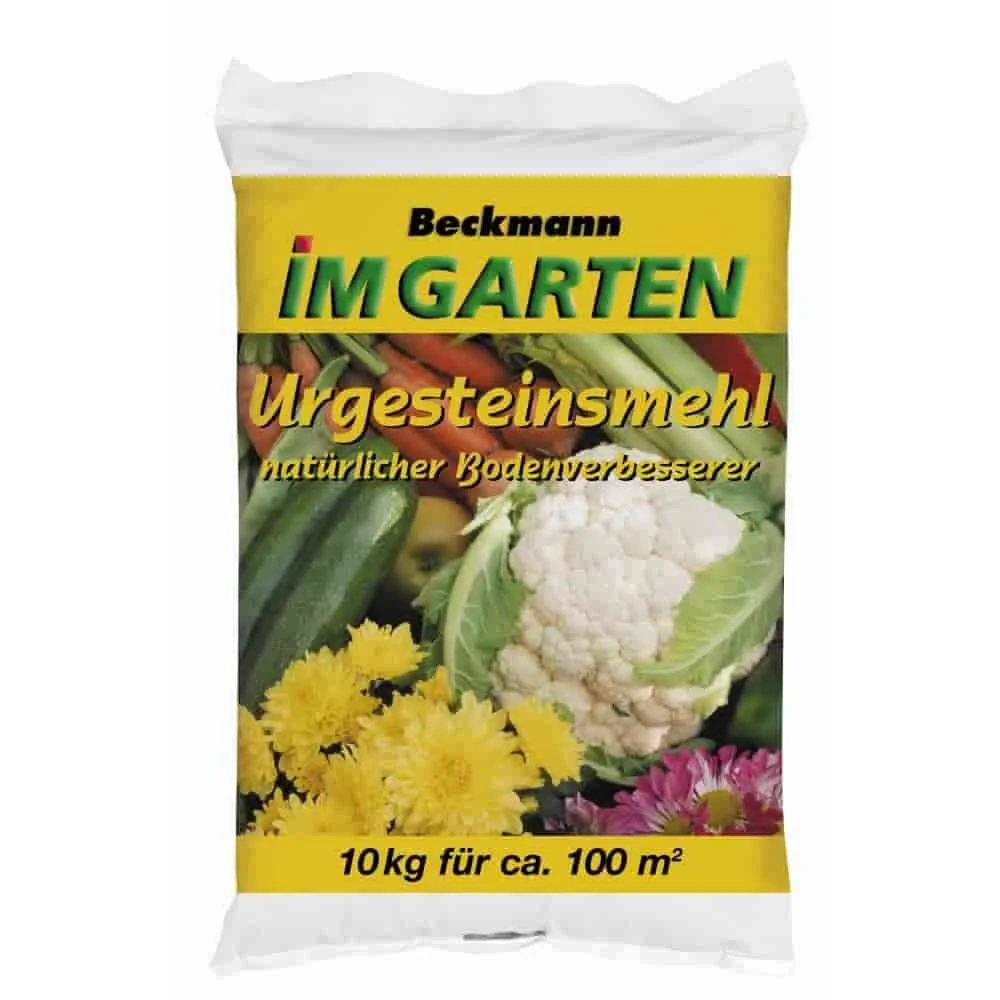
Frequently asked questions
- Which plant is best for purifying indoor air?
- There isn't one single "best" plant, since different species filter different pollutants. A combination of snake plant (for formaldehyde and benzene), pothos (for carbon monoxide and formaldehyde) and peace lily (for acetone and alcohols) covers a broad range. How well they work depends on the plants' size, health and number.
- How many plants do I need to noticeably improve indoor air quality?
- As a general guide, allow one large plant (pot size 20 cm+) per 10 square metres of living space. To make a noticeable difference to air quality and humidity, combine several species. For a 30 m² room, three to five different plants placed in various locations are recommended.
- Can houseplants cause mould indoors?
- Yes, if they're not cared for properly. Water that collects in outer pots can encourage mould growth in the soil, releasing spores into the air. Water moderately, add a drainage layer to the pot and remove dead leaves promptly. Good ventilation also helps prevent mould.
- Are air-purifying plants suitable for bedrooms?
- Absolutely. Plants such as snake plants and aloe vera release oxygen at night, which can help improve bedroom air quality. They can also filter pollutants from furniture and textiles. Make sure they get enough indirect light and avoid overwatering them.
- Do air-purifying plants need special fertiliser?
- No. Overfertilising can even harm plants. During the growing season (spring to summer), apply a balanced plant fertiliser every four to six weeks. In autumn and winter, one application every two to three months is often enough. Healthy plants with a good supply of nutrients filter most effectively.
You may also be interested in
- How to care for houseplants: top tips for healthy greenery
- Air purifiers for better indoor air: what to look for
- Houseplants: the best plants for your home
- Create an urban jungle with houseplants
- Easy-care houseplants: green oases with minimal effort
- Air Purifier Review & Comparison 2026: The Best Models Tested