
In brief: The right model glue depends on the material, how quickly you need it to dry and how precisely you need to apply it. For polystyrene (PS), liquid plastic cement with a capillary applicator is the top choice. For resin, metal or mixed materials, use cyanoacrylate (super glue) or epoxy. Our comparison highlights the strengths of each glue type for your project.
The right glue can make or break a model-building project. A messy glue joint or a broken part can ruin weeks of work. In 2026, there are plenty of highly specialized glues to choose from. But which one is best for your project?
Our 2026 tests and comparison evaluate different glue types based on how they perform at the workbench, rather than isolated lab measurements. We show which glue delivers the best results for each material and technique.
Contents
Model glue types at a glance
Model glues are more than just adhesives. They are formulated for specific materials and needs. These are the main types on the market.
Liquid plastic cement for polystyrene
This is the classic choice for plastic model kits. It slightly dissolves the polystyrene (PS) surface and welds the parts together as it dries. The result is an extremely strong, often seamless bond.
Modern formulas are thin and dry relatively slowly, giving you time to position parts precisely. Apply them with a fine capillary tube or a pin.
Cyanoacrylate (super glue)
Super glue cures incredibly quickly when exposed to moisture in the air. It works on combinations of materials that plastic cement cannot bond.
These materials include resin, metal, rubber, wood and ceramic. Thin and gel formulas are available for model building. Gel also works on vertical joints and will not drip.
Epoxy adhesive (two-part)
Epoxy consists of resin and hardener, which you mix before use. It provides the strongest finished bond and can fill gaps.
Curing takes minutes or hours, leaving you time to make adjustments. Epoxy is ideal for parts under heavy stress or for joining very different materials.
White wood glue (PVA) and specialty glues
PVA glue is water-based and excellent for wooden models, paper and cardstock. It dries clear and is easy to use.
Specialty glues include formulas for clear parts that will not cause cracks, as well as contact adhesives for flexible materials.
Tip: Start with two basic types: liquid plastic cement for the main build and super glue gel for details and other materials. Together, they cover 90% of your needs.
Test criteria: What we look for
Our comparison evaluates glues based on what matters to model builders. Practical handling matters more than lab strength figures.
Application precision: Can you apply the glue exactly where it is needed without it running or dripping? A fine tip is essential.
Bond strength: Does the bond hold over time, even under light stress? We test typical material combinations.
Drying and curing time: How long do you have to position the parts? How long must you hold them in place?
Material compatibility: Which materials does the glue work on? Can it cause stress cracks or damage surfaces?
Finish and cleanup: Is excess glue easy to remove? Does the glue dry clear or leave visible residue?

Comparing applications
The best glue depends on what you are working on. Here is a look at which type performs best in each situation.
For classic plastic model kits (polystyrene)
For classic model kits, liquid model glue is hard to beat. It creates a seamless bond.
In our test, products with a longer open time and the finest applicator tips performed best. They let you glue even tiny parts without smearing.

For resin, metal and mixed materials
For these materials, use cyanoacrylate or epoxy. Super glue gel bonds reliably to surfaces that will not melt.
In our comparison, gel super glue offered the best control. Epoxy was the top choice for large, load-bearing bonds, such as those on vehicle chassis.
For small parts and photo-etched parts
Tiny parts call for maximum precision. Glues with ultra-fine metal needles or pinpoint applicators are ideal.
Special low-viscosity cyanoacrylate flows into the smallest gaps through capillary action. Some plastic cements come with replaceable ultra-fine tips.
Warning: Never use standard plastic cement on clear parts such as cockpit canopies. The solvents can cause stress cracks or a cloudy appearance ("crazing"). Use a specialty clear-part glue.
Practical tips for perfect results
The right technique can help you get great results from any glue. These practical tips can improve your work right away.
Prepare the surface: Always remove grease, dust and mold-release agents. Clean the bonding surfaces with isopropanol.
Apply the right amount of glue: Less is more. A tiny drop is enough for plastic cement. Capillary action will draw the glue into the joint.
Hold the parts in place correctly: Keep the parts still and pressed together for the recommended time. Use rubber bands, tape or specialty holders.
Remove excess glue: Wipe away any squeezed-out glue right away with a suitable solvent. For cured glue, use a sharp scalpel.
A well-organized basic set of tools, such as the one included in the
, will give you the support you need.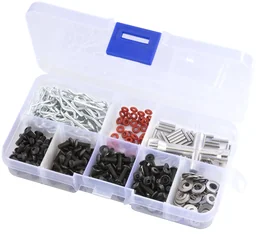
Buying guide: Which glue is right for your model?
Ask yourself these questions before buying model glue. Your answers will help you choose the right product.
What materials are you working with?
Polystyrene (PS): Liquid plastic cement.
Resin, metal or wood: Cyanoacrylate (gel or liquid) or epoxy.
Different materials: Epoxy or specialist super glue.
How large are the parts you need to bond?
Very small parts: Glue with an ultra-fine tip or pin applicator.
Large or flat surfaces: Medium-viscosity glue or epoxy.
How much time do you need to position the parts?
Not much time; fast setting: Super glue.
More time for precise alignment: Slow-drying plastic cement or epoxy with a long working time.
Do you need to fill gaps?
Yes, for parts that do not fit precisely: Gap-filling epoxy or super glue gel.
No, for a precise fit: Thin liquid plastic cement or super glue.
Browse the wide selection in our glue category. Choose a product that suits your specific needs.
Note: Glue has a limited shelf life. Avoid buying containers that are too large and could take years to use up. Super glue is especially sensitive to humidity and can deteriorate quickly once opened.
Accessories to make your work easier
The glue matters, but the right accessories are also essential for a clean finish.
Fine applicators and needles: Replace blunt plastic tips with fine metal needles for precise application.
Debonder (super glue remover): A lifesaver for separating parts that were glued together incorrectly or freeing fingers stuck to the workbench.
Accelerator for cyanoacrylate: This spray makes super glue cure almost instantly. It is ideal when you do not have time to hold the parts together.
Mixers and spatulas for epoxy: Small disposable spatulas and mixing containers help you mix epoxy cleanly and precisely.
You can find all these accessories in our fastening and fixing department. They quickly pay for themselves.
Compare the highest-rated model glues in our range:
| Product | Customer rating | Availability |
|---|---|---|
| Craft & Model Making Box, 271-piece | – | Currently unavailable |
| Fritz Göbel bicycle spoke nipples - rim fastening component, standard part | – | Currently unavailable |
| Fritz Göbel Bison spool axle - plastic replacement for models 10414/10415 | – | Currently unavailable |
| Fritz Göbel gutter heating cable 30 m 480 W - prevents ice formation | – | Currently unavailable |
| GRT cattle clipper blade for model GRT 106 - durable and efficient | – | Currently unavailable |
Conclusion: The best glue depends on the job
There is no single best model glue for everyone. The right choice depends on the materials, the size of the parts and your preferred working style.
Liquid plastic cement remains the top choice for classic plastic model kits. It creates clean, strong welded seams. For modern materials such as resin and metal, a high-quality gel super glue is essential. Epoxy provides the strength needed for heavy-duty bonds.
Invest in two or three high-quality specialist glues instead of relying on one all-purpose product. With the right accessories and careful preparation, strong, clean joints are a predictable result. Your next model will thank you.
Frequently asked questions
- What glue is best for plastic model kits?
- For typical plastic model kits made from polystyrene (PS), use liquid plastic cement. It softens the surface to create an extremely strong, seamless bond. For other plastics, such as PE or PP, test compatibility first.
- Can I use super glue on all materials?
- Cyanoacrylate (super glue) bonds well to many materials, including resin, metal and rubber. However, it is often less suitable for smooth plastics such as polystyrene, and it can be more brittle than specialist plastic cement.
- How do I remove glue residue?
- For uncured plastic cement, carefully use a specialist glue remover or acetone. For cured super glue, sand it carefully or use a debonder. Always test products on an inconspicuous area first.
- What are the advantages of epoxy glue?
- Epoxy offers high bond strength and fills small gaps. It is ideal for load-bearing parts or joining different materials, such as metal to resin. Its long curing time gives you plenty of time to position the parts.
- Do I need specialist glue for model making?
- Yes, specialist model glue offers significant advantages. Thin liquid formulas with fine applicators let you apply glue precisely and neatly. They also soften plastic surfaces to create an almost invisible bond.