
In brief: The best patio cover for you depends on your needs. Fixed aluminum structures, such as Westmann models, offer excellent stability and durability. Flexible options, such as awnings and gazebos, are easy to set up and versatile. Consider how often you’ll use your cover, how much space you have, and your budget for materials and maintenance.
A shady spot on your patio makes it easier to enjoy the outdoors. A patio cover creates a sheltered space, but there are plenty of options to choose from. Our 2026 test and comparison will help you find the right one. We compare different models and share practical buying advice.
Table of contents
What types of patio covers are available?
Patio covers generally fall into two categories: permanent structures and flexible systems. Each has its own advantages and drawbacks.
Fixed patio covers
These structures are permanently attached to your home or the ground. They offer year-round protection and excellent stability. Common options include aluminum or wood frames with fixed roofs made from materials such as glass or polycarbonate. A permanent cover can also add value to your property.
Flexible patio covers
These include awnings, gazebos, and shade sails. You can extend, set up, or take them down as needed, giving you plenty of flexibility. They’re often a more affordable way to get started, but they may not hold up as well to strong winds or snow.
Tip: Think about whether you need year-round protection or shade for just part of the year. A fixed cover can be a good investment if you use your patio often, while a flexible option works well for occasional shaded seating.
What should I consider when buying?
Not every patio cover is right for every space. Check these factors before making your choice.
Material and stability
The material affects how long your cover lasts and how it looks. Aluminum is weather-resistant, lightweight, and easy to maintain. Wood has a warm, natural look but needs regular treatment. Steel is very sturdy but can rust. Roofs can be made from safety glass, plastic panels, or coated fabric.
Size and dimensions
Measure your patio carefully, including the height as well as the footprint. A cover that’s too low can make the space feel cramped. Check whether local rules set minimum distances from property lines.
Important: Before buying a permanent structure, check with your local building department to see whether you need a permit. Requirements vary by location and may affect whether or how you can build.
Features and comfort
Would you prefer to operate the cover manually or with a motor? Would you like to enclose the sides with panels or roller shades? These features can make your outdoor space more comfortable, but they also add to the price and maintenance.
Our tested models in detail
Our 2026 comparison covers a range of designs. Here are three examples suited to different needs.
Fixed aluminum cover for lasting durability
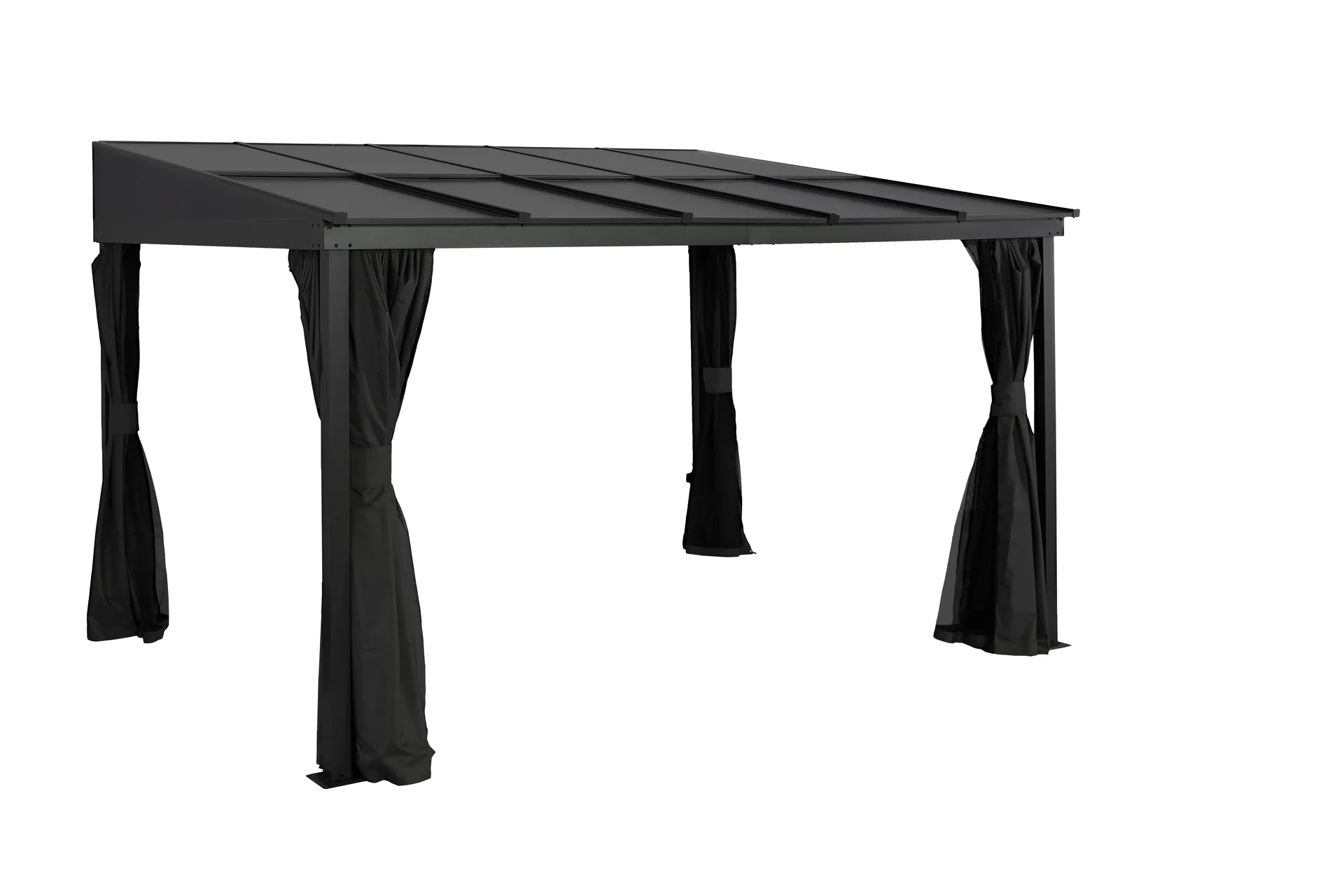
The (Sojag aluminum patio cover St. Barthelemy) is a high-quality permanent option. Its aluminum frame is sturdy and weather-resistant. The timeless anthracite finish works well with many home exteriors. Covers like this provide year-round protection and are built to last.
Sturdy arched structure as a carport alternative
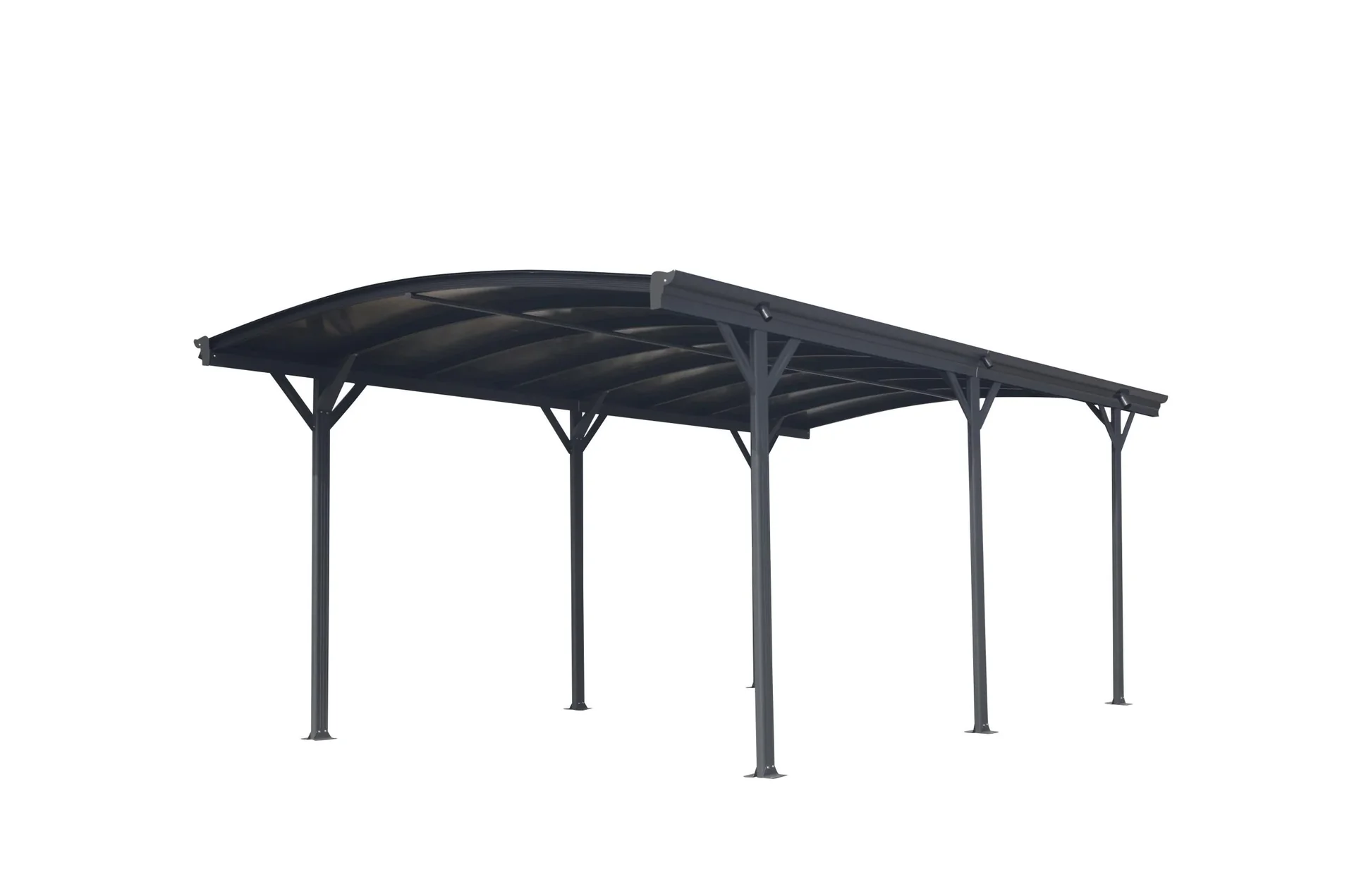
The (Westmann aluminum arched carport and patio cover) shows how versatile a permanent cover can be. Its arched design looks attractive, adds stability, and helps rainwater run off. This style also works well as a carport or as a cover for a larger seating area.
Flexible option for windows and small spaces
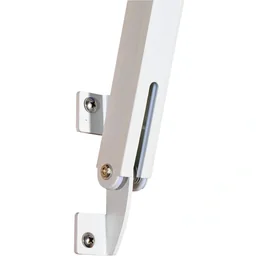
For a small space or extra shade along a wall, the (aluminum clamp-on awning) is a useful option. It installs without drilling and provides flexible sun protection for windows or small patio areas. It’s ideal for renters and anyone who doesn’t want a permanent installation.
Note: The products featured here are examples of different patio cover types. Our full range of patio covers includes many more models in a variety of sizes and designs.
Here are the most-reviewed patio covers in our range:
| Model | Customer rating | Availability |
|---|---|---|
| 2x side-wall pop-up gazebo Capri red 3x3m | – | Currently unavailable |
| 2x side-wall pop-up gazebo Capri green 3x3m | – | Currently unavailable |
| 4 side panels for 3x4 m gazebo m | – | Currently unavailable |
| Sojag aluminum patio cover St. Barthelemy 12x16 anthracite | – | Currently unavailable |
| Aluminum clamp-on awning window sun protection 122 x 70 cm | – | Currently unavailable |
How much work are installation and maintenance?
The effort involved in assembly and maintenance is often underestimated. Make sure you allow enough time and, if necessary, budget for these tasks.
Installation: DIY or professional?
Simple gazebos or clamp-on awnings can usually be assembled yourself. For complex, permanent aluminum or wooden structures, we strongly recommend professional installation. This requires specialist knowledge, special tools and precise workmanship. A poorly installed patio cover can be unstable or develop leaks.
Minimizing maintenance
With the right care, you can significantly extend the life of your patio cover. Clean aluminum and glass elements regularly with water and a mild cleaning product. Remove leaves and dirt from gutters. Textile coverings require gentle cleaning and dry storage over winter. Check all screws and moving parts every year.
Which patio cover is right for me?
The decision is easier when you clearly define your priorities. Our conclusion will help you assess the options.
Who benefits from a permanent patio cover?
Choose a permanent structure if you want to use your patio all year round and value durability and stability. It is a long-term investment. Check whether planning permission may be required beforehand. Models such as and are useful starting points here.
When is a flexible solution better?
Flexible solutions such as awnings, gazebos or the are ideal if you want to remain flexible. They are suitable for renters, smaller budgets or when you only need shade temporarily. They are quick to install and can be taken with you when you move.
Whatever type you choose, a patio cover significantly enhances your quality of life in the garden. It creates an additional outdoor living space that can be used in almost any weather. Weigh up the advantages and disadvantages of the different systems based on your personal circumstances. With the information from our 2026 test and comparison, you can make an informed buying decision for many years of patio enjoyment.
Frequently Asked Questions
- Which patio cover is the best?
- There is no single best patio cover for everyone. Permanent aluminum or wooden patio covers are ideal for a durable, year-round solution. Awnings or gazebos are suitable for flexible, seasonal use. Your usage habits, the available space and your budget are the key factors.
- Do I need a permit for a patio cover?
- Whether you need a permit depends on the design, size and local regulations in your area. Large, permanent patio covers often require approval. Be sure to check with your local planning department before buying. Small, temporary solutions such as awnings are often exempt.
- What material should my patio cover be made of?
- Aluminum is lightweight, rust-resistant and easy to maintain, making it ideal for permanent structures. Wood has a natural, warmer appearance but requires regular maintenance. Steel is very strong but can rust. Safety glass, polycarbonate panels or coated textiles are suitable for the roof. Your choice affects durability, appearance and maintenance requirements.
- Can I install a patio cover myself?
- It depends on the model. Simple pop-up gazebos or clamp-on awnings are generally suitable for DIY installation. Complex, permanent aluminum or wooden structures often require specialist knowledge and special tools and should be installed by professionals. Carefully check the installation instructions and assess your skills before buying.
- How do I protect my patio cover in winter?
- For permanent patio covers, regularly remove leaves and snow loads. For awnings and gazebos with textile coverings, it is advisable to take them down, clean them thoroughly and store them in a dry place. Before winter begins, check that all fixings and moving parts are working properly.