
In brief: A good pool float review compares safety, materials and age recommendations. The best models have stable designs, durable materials such as PVC or vinyl, and features suited to the user’s age. Inflatable arm bands and swim rings are popular options for young children, while older kids can enjoy large animal floats and pool loungers. Always check for relevant safety standards.
Summer is here, and it’s time to get in the water. Whether you’re at your own pool, at the lake or at the beach, pool floats are a hit with kids and families. With so many options available, choosing the right one can be tricky. Our 2026 pool float review and comparison will help you find the right fit. We cover the main types, compare their features and share practical buying tips.
What types of pool floats are available?
Pool floats come in many different styles. The right choice depends largely on the user’s age, swimming ability and how the float will be used.
Classic swim rings and animal floats
Brightly colored floats shaped like ducks, dolphins and dragons are made for fun. They provide buoyancy, but they are not safety devices. They’re best for children who can already swim confidently and are supervised by an adult. One example is the
Tiere Split Swim Rings in a frog design. Their eye-catching look encourages kids to splash and play.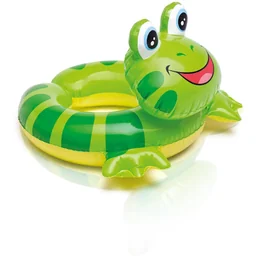
Inflatable arm bands
For toddlers and preschoolers who can’t swim, arm bands can be a good first option. They fit around the arms and can help children feel more secure in the water. A proper fit and good quality are essential. The
Arm armbands for ages 3–6 are one option. Look for a double-chamber design.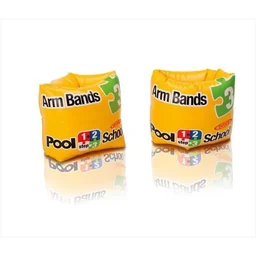
Pool loungers and airbeds
These large inflatable surfaces are great for relaxing on the water and are best used in calm conditions. Some models include handy features such as built-in cup holders. The
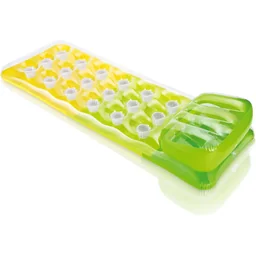
Airbed with Cupholder is one example. Larger options for adults or multiple children include the Airbed18 Pocket.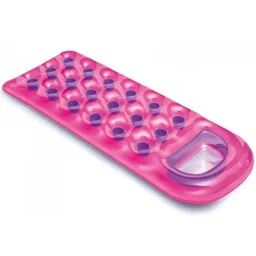
Inflatable boats for water fun
Small inflatables such as the 2 Seahawk Double Inflatable Boat can add an extra sense of adventure for two people. Use them only in calm water near shore, and make sure everyone aboard can swim and is supervised.
What should you look for when buying?
Before buying a pool float, check a few key details. Your choice should suit the person who’ll use it and the conditions where it will be used.
Material and construction: Quality PVC or vinyl is durable and holds up better to sunlight and chlorine than thin, budget materials. Check the seams to make sure they’re neatly welded or glued.
Safety standards: Look for the CE mark and the manufacturer’s age recommendation. Products intended for children under 3 must meet particularly strict requirements.
Weight limit: Every pool float has a maximum weight capacity. Don’t exceed it, as the float could sink or become unstable.
Comfort and ease of use: Is the float easy to inflate? Does it have a non-return valve? Is the surface comfortable? These details matter when you use it day to day.
The best pool floats compared
Our comparison gives you a quick look at the strengths and weaknesses of different models. We compared popular types.
Here are the top-rated pool floats in our selection:
| Model | Customer rating | Availability |
|---|---|---|
| 2 Seahawk - Double Inflatable Boat | – | Currently unavailable |
| Adventurer Snorkel Set | – | Currently unavailable |
| Airbed with Cupholder-Pink | – | Currently unavailable |
| Airbed18 -Pocket-Green / Yellow | – | Currently unavailable |
| Airbed18 -Pocket-pink | – | Currently unavailable |
The table includes options for a range of ages and activities. The right choice depends on what matters most to you.
Safety comes first
One key point about pool floats is easy to overlook: they’re toys, not lifesaving devices. Keep these basic safety rules in mind.
Not a substitute for flotation aids: Approved arm floaties or life jackets provide active buoyancy and offer more support than an inflatable animal float.
Use only in water that’s a safe depth: Use large pool loungers or boats only where you can stand or swim safely without assistance.
Check before each use: Make sure the float is airtight before every use. Inflate it fully and hold it underwater to check for small leaks.
Care and storage
Proper care can significantly extend the life of your pool floats and help keep them clean and hygienic.
Cleaning: Rinse your pool floats with fresh water after each use to remove chlorine, sand or salt. For stubborn dirt, use a mild soapy solution. Let them dry thoroughly.
Drying: Make sure your pool floats are completely dry before folding or packing them away. Trapped moisture can cause mold to form inside.
Storage: Store pool floats in a cool, dry, dark place. Over time, direct sunlight and heat can make the material brittle.
Repair: Small leaks can often be repaired with a repair kit from a pool or outdoor retailer. Follow the instructions carefully, then check thoroughly for leaks.
FAQ: Frequently asked questions
Find quick answers to common questions about pool floats below. For more information, see the detailed sections above.
Frequently asked questions
- At what age can children use pool floats?
- Pool floats are not lifesaving devices. For early water familiarization, approved arm floaties or solid swim rings may be suitable for children around age 3, with constant adult supervision. Larger floats or inflatable boats are suitable only for children aged 6-8 who can swim confidently.
- What is the best material for pool floats?
- Durable PVC or vinyl are good choices because they last a long time and resist UV rays and chlorine. Look for thick material with smooth seams. Avoid cheap, thin-walled products that can tear easily.
- How do I clean and care for pool floats?
- Rinse your pool floats with clean water after each use and let them dry completely before folding them. Avoid harsh cleaners. Store them in a cool, dry place away from direct sunlight.
- Can adults use pool floats?
- Yes. Large air mattresses and inflatable boats are available for adults. Check the maximum weight capacity before use. These products are for fun, not safety, and are not a substitute for flotation aids for non-swimmers.
- What is the difference between a swim ring and a pool float?
- A swim ring is a simple, often solid ring that provides buoyancy and stability. A pool float usually has a fun character-shaped design and is mainly intended for play. Neither provides reliable safety, so adult supervision is essential.