
In brief: Our 2026 pruning saw comparison highlights the differences between manual, electric and gas-powered models. For occasional cuts on thin branches, a folding hand saw is all you need. For regular work on medium-sized branches, choose an electric pole saw. Professionals can rely on powerful gas-powered multi-tools. The main factors to consider are branch thickness, working height and how often you’ll use the saw.
A pruning saw is an essential tool for any gardener. Whether you’re pruning fruit trees, shaping hedges or removing unwanted branches, the right saw makes all the difference. Our 2026 reviews and comparison show which models stand out and what to look for when you buy.
We took a close look at manual, electric and gas-powered pruning saws, assessing their cutting performance, handling, safety and best uses. That makes it easier to find the right model for your needs.
Table of contents
What types of pruning saws are available?
Pruning saws are mainly distinguished by their power source. Each type has its own advantages and drawbacks, which we’ll explain below.
Manual pruning saws
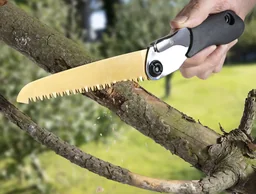
Traditional hand pruning saws work without a motor. They’re quiet, require little maintenance and are ready to use whenever you need them. You can choose between fixed and folding models. Folding saws such as the are especially compact and convenient to take with you.
Electric pruning saws
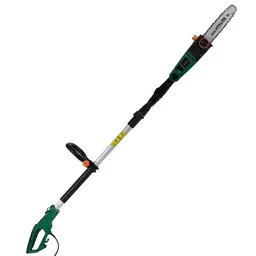
Electric pruning saws make regular jobs easier. They require less effort and offer more consistent cutting. Telescoping models let you reach high branches without a ladder. The shows what modern electric saws can do.
Gas pruning saws
Gas-powered pruning saws are the heavy-duty option for intensive work and thick branches. Multi-tools such as the combine several tools in one machine.

Tip: If you only prune now and then, start with a manual pruning saw. For regular jobs, an electric saw is a worthwhile investment. Gas models make sense when you use them very frequently.
Key pruning saw buying criteria
Before choosing a pruning saw, think about a few key factors. They’ll help you find a model that suits the work you need to do.
Uses and branch thickness
Start by considering the jobs you’ll tackle. Will you mostly cut thin twigs, or do you also need to handle thick branches? The maximum branch thickness determines the power and blade length you’ll need. Hand pruning saws are suitable for branches up to 10 cm. For thicker branches, choose a powered model.
Working height and reach
Planning to prune high branches in trees? A telescoping pole saw is essential. Check its maximum reach and make sure it stays stable when fully extended. Working from the ground is safer than using a ladder.
Weight and handling
Weight matters during longer jobs. Lightweight hand pruning saws often weigh less than 500 grams. Electric telescoping saws weigh 3-5 kilograms. At 6-8 kilograms, gas models are the heaviest option.
Saw blade and teeth
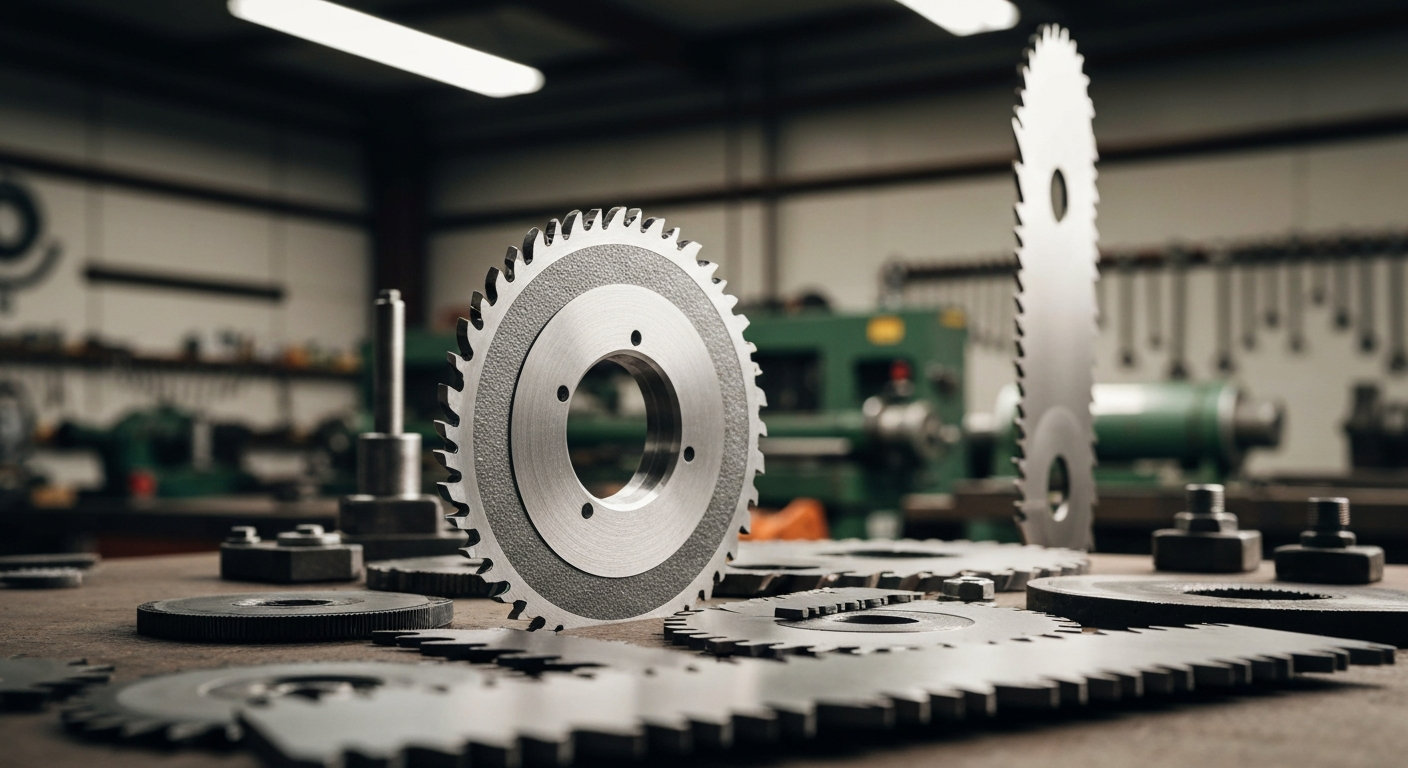
The teeth affect cutting speed and the quality of the cut. Coarse teeth cut faster but leave a rougher finish. Fine teeth make cleaner cuts but take more effort. Special hardening helps the blade last longer.
Warning: Never use a damaged or dull pruning saw. It greatly increases the risk of an accident. A dull blade is more likely to bind and takes more effort to use. Check the blade before each use.
Manual pruning saws reviewed
Manual pruning saws stand out for their simplicity and reliability. We tried a range of models in practical use.
Folding mini saws
Folding saws are ideal for quick cuts and jobs on the go. The blade folds safely into the handle. The with a 150 mm blade cuts through thin branches up to 5 cm with ease. Its ergonomic handle feels comfortable in your hand.
Advantages of folding pruning saws:
- Compact storage
- Ready to use in seconds
- Lightweight
- Little to no maintenance
Drawbacks of these models:
- Shorter blade
- Not suitable for thick branches
- More effort required
Fixed hand pruning saws
Fixed hand pruning saws have longer blades and give you more leverage. They can cut branches up to 10 cm in diameter. The blades are often replaceable. Look for a blade guard or covered teeth for safer transport.
Browse our selection of pruning saws to find the right one for your needs.
Electric pruning saws compared
Electric pruning saws take much of the effort out of cutting. They cut precisely and are more environmentally friendly than gas models.
Telescoping pole saws
Telescoping saws such as the can reach working heights of up to 2,65 metres. This lets you work safely from the ground. The electric motor provides steady power without wearing you out. The ASX 900 cleanly cuts through branches up to 12 cm thick.
Battery-powered vs. corded
Battery-powered pruning saws give you maximum freedom of movement. They’re quieter and produce no emissions during use. Their runtime is usually enough for an average-sized garden. Corded models provide continuous power without charging breaks, but the cord can get in the way.
Find more practical tools in our garden tools category.
Note: Electric pruning saws need regular care. Clean the blade after each use. Check cords and batteries for damage. Store the tool somewhere dry and frost-free.
Gas-Powered Pruning Saws for Professionals
Gas-powered pruning saws are the most powerful option. They’re suitable for professional use and large properties.
Multi-Function Tools
The combines five functions in one tool. In addition to the pruning saw, it includes a brushcutter, clearing saw, hedge trimmer and pole pruner. This saves on purchase costs and storage space. The gas engine delivers reliable power wherever you work.
Power and Fuel Consumption
Gas-powered pruning saws effortlessly cut through branches up to 15 cm thick. Fuel consumption depends on engine power. Modern two-stroke engines are more efficient and produce fewer emissions than older models. Follow the specified gas-to-oil ratio.
Safety Tips for Pruning
Using pruning saws involves risks. These safety measures will help protect you.
Personal Protective Equipment
Always wear safety glasses and gloves. Hearing protection and chainsaw chaps are recommended when using powered saws. Sturdy footwear with non-slip soles helps prevent falls.
Safe Working Practices
Check the area for obstacles. Keep a safe distance from other people. Never work above shoulder height. When using electric saws, watch out for the cord. Make sure the ladder is stable.
Find more garden tools in our garden category.
Emergency Precautions
Keep a first-aid kit nearby. Save important emergency numbers on your phone. Let family members know what you’re working on. When using gas-powered engines, keep a fire extinguisher within reach.
Caring for and Maintaining Your Pruning Saw
Proper care significantly extends the life of your pruning saw. Carry out these steps regularly.
Cleaning After Use
Remove resin and sawdust as soon as you finish working. Use denatured alcohol or a specialized cleaner. Dry the saw blade thoroughly. Lightly oil moving parts and the blade.
Sharpening the Saw Blade
A sharp blade works more safely and efficiently. Sharpen manual pruning saws with a file. For powered saws, we recommend professional sharpening. Replace badly worn blades.
Winter Storage
Drain the fuel from gas-powered engines before winter storage. Store all pruning saws in a dry, frost-free place. Remove the batteries from cordless saws. Check that everything works in spring before using your saw for the first time.
Compare the highest-rated pruning saws in our range:
| Model | Customer rating | Availability |
|---|---|---|
| Folding pruning saw – mini saw with a 150 mm blade length 🏆 Test winner | ★ 4,7 (6) | In stock |
| Power Cut Saw Pro 370 pruning saw, 37cm | – | Currently unavailable |
| MT 330 gas-powered multi-tool - 5 in 1 | – | Currently unavailable |
| Combisystem garden saw 300 PP | – | Currently unavailable |
| ASX 900 electric telescopic pruning saw 2-2,65m | – | Currently unavailable |
The right pruning saw makes gardening easier and safer. Our review shows that there’s a suitable model for every need. Folding pruning saws are enough for occasional cuts. Electric telescopic saws make regular work easier. Gas-powered multi-tools are a professional solution for large properties.
Think about what you need. How often do you prune? How thick are the branches? Will you be working at height? With these tips, you’re sure to find the right pruning saw. Invest in quality—it pays off with a long service life and safe handling.
Compare the models in our table and use this buying guide to help you decide. You’ll be ready to tackle every tree-pruning job professionally and safely.
Frequently Asked Questions
- Which pruning saw is best for tall trees?
- For tall trees, you need a telescopic pruning saw. Electric telescopic saws such as the ASX 900 reach up to 2,65 metres. This lets you work safely from the ground. Look for a stable extension system and an ergonomic handle.
- Can I cut thick branches with a folding pruning saw?
- Folding pruning saws are designed for thin branches up to approximately 5-8 cm in diameter. Their blades are too short, and they don’t provide enough leverage for thicker branches. Use a larger hand saw or a powered model instead.
- What are the advantages of gas-powered pruning saws?
- Gas-powered pruning saws such as the MT 330 offer maximum power and don’t need to be plugged in. They cut through thick branches quickly. They are heavier, require more maintenance and produce emissions.
- How do I care for my pruning saw?
- Remove resin and sawdust from the blade after every use. Oil moving parts regularly. Sharpen the blade when cutting performance drops. Store the saw in a dry, protected place.
- Do I need a pruning saw for a small garden?
- Yes, even small gardens need occasional tree pruning. A compact folding saw is ideal for occasional use. It saves space and is ready when you need to cut thin branches and twigs.