
In brief: The intended application is the most important factor when choosing a router bit. For precise biscuit joints, a dedicated biscuit joiner such as the WFF760 biscuit joiner with 760 Watt is ideal. For general groove-cutting in wood or aluminum, choose a bit suited to the material. Consider power, cut quality and ease of use. Our comparison can help you find the right model.
Best Router Bits of 2026 for Perfect Joints
Planning to build furniture or join pieces of wood? Precise router bits are essential. These tools help create strong, concealed joints such as biscuit joints, dovetails and slots. Our 2026 reviews and comparison explain what to look for and highlight selected models. Find the right tool for your tool projects.
Table of contents
What types of router bits are available?
Router bits come in different types for different joinery techniques. Choosing the right one is the first step toward a successful project.
Biscuit joiners for modern furniture joints
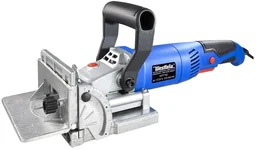
Biscuit joiners are specialized tools for joining wood with biscuits. They cut the characteristic oval slots accurately and consistently. A good model has precise parallel guides and an adjustable depth stop. For many DIY projects involving power tools, a biscuit joiner is a great choice.
Tip: When choosing a biscuit joiner, check that it works with standard biscuit sizes (usually 5, 7, 8 or 10 mm). A quick-change blade can save time.
Routers for cutting grooves
Fit a standard router with the right bit and a guide rail to cut grooves. This setup is more versatile, but takes extra preparation and experience. It can cut grooves, rabbets and profiles. Explore the options in our router range.
Stationary router tables
For production work or maximum precision, a stationary router table is hard to beat. The workpiece moves under a fixed router, giving you excellent guidance and control. These tools are an investment for your workshop.
Key buying criteria at a glance
Before choosing a model, consider these factors. They affect precision, ease of use and service life.
Power and speed: Power in watts determines how effectively the bit cuts through the material. More power can help when working with hardwood. Variable speed lets you match the speed to the material and bit size.
Precision and guidance: The guide system is central to any groove-cutting tool. It should be stable and free of play. A clear view of the cut line and a precise depth stop help you get clean results.
Handling and ergonomics: The tool should feel comfortable in your hand and be easy to control. An ergonomic handle, balanced weight and accessible controls make work more comfortable.
Compatibility and accessories: Check which collet sizes the tool accepts. Accessories such as additional guide rails or stops can expand the range of tasks it can handle.
Warning: Always wear appropriate hearing and eye protection. Wood and metal dust can be harmful to your health. Use a working dust extraction system.
Router bits compared
This table gives you a quick overview of selected models and their key features, so you can see which tool best suits your needs.
Top-rated router bits and tools in our range:
| Model | Customer rating | Availability |
|---|---|---|
| Biscuit joiner WFF760, 760 Watt 🏆 Best seller | ★ 4,9 (32) | In stock |
| "CircleGuideKit" router circle cutter | – | Currently unavailable |
| 900 W groove cutter | – | Currently unavailable |
| HW S8 D42,7 / 13 / R6 panel-raising bit | – | Currently unavailable |
| HS D5 / NL23 aluminum bit | – | Currently unavailable |
How to use router bits: tips and techniques
The right tool makes the job easier. These practical tips can help you get good results from the start.
Always start with a test piece. Check the groove depth and position before cutting your actual workpiece. Clamp the workpiece securely; any movement during routing can affect accuracy.
Guide the router smoothly through the material without applying too much pressure. Moving too quickly can cause splintering. When possible, feed the workpiece against the bit's direction of rotation for better control.
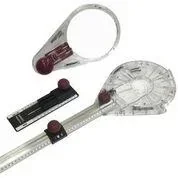
A guide rail is essential for especially long, straight grooves. You can make one yourself or buy one as an accessory. A router circle cutter such as the CircleGuideKit opens up new options for cutting precise circular grooves or openings.
Care and maintenance for a longer service life
A well-maintained tool lasts longer and works more accurately. Take a few minutes after each use for basic maintenance.
Remove dust from the housing. Check the motor brushes if your tool has them. Store the router in a dry place and protect the guide surfaces from rust.
Router bits also need special care. Clean off resin and dirt with suitable cleaning products. Store sharp bits where their cutting edges won't get damaged.
Note: Dull bits can be dangerous. They require more force, generate more heat and may damage the workpiece. Have your bits professionally sharpened in good time or replace them.
Which router bits are suitable for different materials?
The router bit is the actual cutting tool, and choosing the right one is just as important to the result as choosing the machine.
For wood and wood-based materials
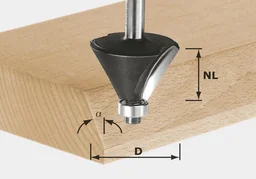
For most types of wood, carbide-tipped bits are the best choice because they stay sharp for a long time. A HW chamfer bit is ideal for beveling or profiling workpiece edges. For deep grooves, use router bits with a long shank.
For aluminum and soft metals
These materials call for special router bits with cutting geometry designed for metal. They often have fewer cutting edges and a special coating. Use a lower feed rate and, if possible, cutting fluid.
For precise biscuit joints
Biscuit joiners (plate joiners) usually use bits designed specifically for the tool. The WFF760 biscuit joiner comes with matching cutter heads for different biscuit sizes. Make sure replacement bits are available.
Browse our router bits section to find a wide selection of bits for every application.
Conclusion: How to choose the right router bit
The right router bit depends largely on the projects you typically tackle. For occasional furniture making with biscuits, a dedicated biscuit joiner is the most convenient option. It delivers precise results with minimal setup.
If you want more flexibility and need to rout different groove shapes, a quality router with the right accessories is a better choice. It’s a versatile addition to any workshop. For ambitious DIYers who also want to work with aluminum, universal tools with variable speed control and a powerful motor are a good option.
Look for quality in the tool’s guidance and construction. A precise tool makes the work easier and safer. Invest in useful accessories such as guide rails and effective dust extraction. With the right tools and our advice, you can make perfect wood joints.
Frequently asked questions
- What’s the difference between a router bit and a biscuit joiner?
- Router bit is a general term for a cutting tool used to rout grooves or rebates in materials. A biscuit joiner is a specialized tool designed to cut slots for biscuits. It often has precise guides and a depth stop for making the oval recesses biscuits fit into.
- How much power does a router need for DIY projects?
- For occasional DIY work in softwood or hardwood, tools rated at around 700 Watt are sufficient. Good handling and stable guidance matter more than maximum power. Look for a compact, well-balanced tool that lets you work precisely.
- Can I use a router bit to cut aluminum?
- Yes, but you need a special bit designed for machining nonferrous metals such as aluminum. These bits have a different geometry and coating. Use a bit such as the HS D5 aluminum router bit, and reduce the feed rate. Dust extraction is essential to remove the chips.
- How important is dust extraction when routing grooves?
- Dust extraction is very important. It keeps the cutting line visible, improves accuracy, and protects you from fine dust. Most professional routers have a built-in dust extraction port. Always connect it to a vacuum extractor.
- What safety precautions should I take?
- Always wear safety glasses and hearing protection. Clamp the workpiece securely. Feed the router against the bit’s direction of rotation. Set the speed to suit the material. After switching off the tool, wait until the bit has stopped completely before setting it down. Read the operating instructions.
You may also be interested in
- Milling Machines: Reviews & Comparison 2026
- Multifunction Tools: Reviews & Comparison 2026
- Wrench Reviews & Comparison 2026: The Best Models Reviewed
- Angle Grinder Reviews & Comparison 2026
- Electric Planer Reviews & Comparison 2026: The Best Models Reviewed
- Choosing a Wall Chaser: How to Find the Right One