
In brief: In our 2026 sock comparison, we compare different styles for everyday wear, sports and special needs. The right choice depends on how you plan to use them: cotton or cotton-blend socks such as the Klassik series offer everyday comfort. Athletes need performance socks with moisture-wicking properties, while people with sensitive skin may prefer soft natural fibers. Choose the right size and fit to help prevent pressure points.
Best Socks 2026: Compare the Top Styles
Shopping for new socks can feel overwhelming. Our 2026 sock comparison makes it easier to find the right pair. We look at different styles for a range of needs and explain what matters most. Whether you need socks for everyday wear, sports or a specific purpose, your choice depends on several factors.
In this comparison, we look at materials, construction, fit and special features. Learn which qualities matter for your needs and how to spot comfortable, long-lasting socks. We focus on practical details that affect how socks feel throughout the day.
Table of Contents
- Sock materials compared: What are your socks made of?
- Fit and sizes: How to find the right socks
- Socks for everyday wear and sports: Which style is right for you?
- Construction and durability: What to look for
- Special needs: A look at specialty socks
- Sock care and washing: How to keep your socks fresh longer
- Buying guide: How to choose the right socks
Sock materials compared: What are your socks made of?
The material has a big impact on how comfortable and functional your socks are. Cotton is a classic choice and offers good breathability. However, it absorbs moisture and takes a while to dry. For everyday wear, cotton blends with synthetic fibers such as elastane or polyamide are often a better choice.
Merino wool is another excellent option. It helps regulate temperature, wicks moisture away from your skin and naturally resists odors. Athletes may prefer performance materials such as polyester or specialty blends that wick away sweat quickly and help reduce blisters.
Here's a closer look at different sock materials:
Tip: For everyday socks, look for a cotton content of at least 70% for good breathability. Around 5% elastane helps provide a comfortable fit without feeling restrictive.
Natural vs. synthetic fibers
Natural fibers such as cotton, wool and bamboo feel soft against the skin. They are biodegradable and can be gentler on sensitive skin. Synthetic fibers such as polyamide and polyester are durable and offer specific performance benefits. Blended fabrics that combine the advantages of both are a versatile choice.
Bamboo viscose is growing in popularity. It feels soft, is naturally antibacterial and comes from a renewable resource. However, it may not be as durable as cotton. Choose based on how you plan to use your socks and what feels comfortable.
Fit and sizes: How to find the right socks
The right size is essential for comfort. Socks that are too small can pinch, restrict circulation and cause pressure points. Socks that are too large may slip or bunch up and cause blisters. Measure your foot carefully and compare the result with the manufacturer's size chart.
Most manufacturers list size ranges such as 39-42 or 43-46. If you're between sizes, it's usually better to choose the larger size. Pay particular attention to the fit around the heel and instep. A well-fitting sock won't have excess fabric at the heel or feel tight across the top of your foot.
Warning: Avoid socks with tight cuffs. They can affect circulation and leave uncomfortable marks. Modern socks often have flat-knit or specially woven cuffs that stay in place without digging in.
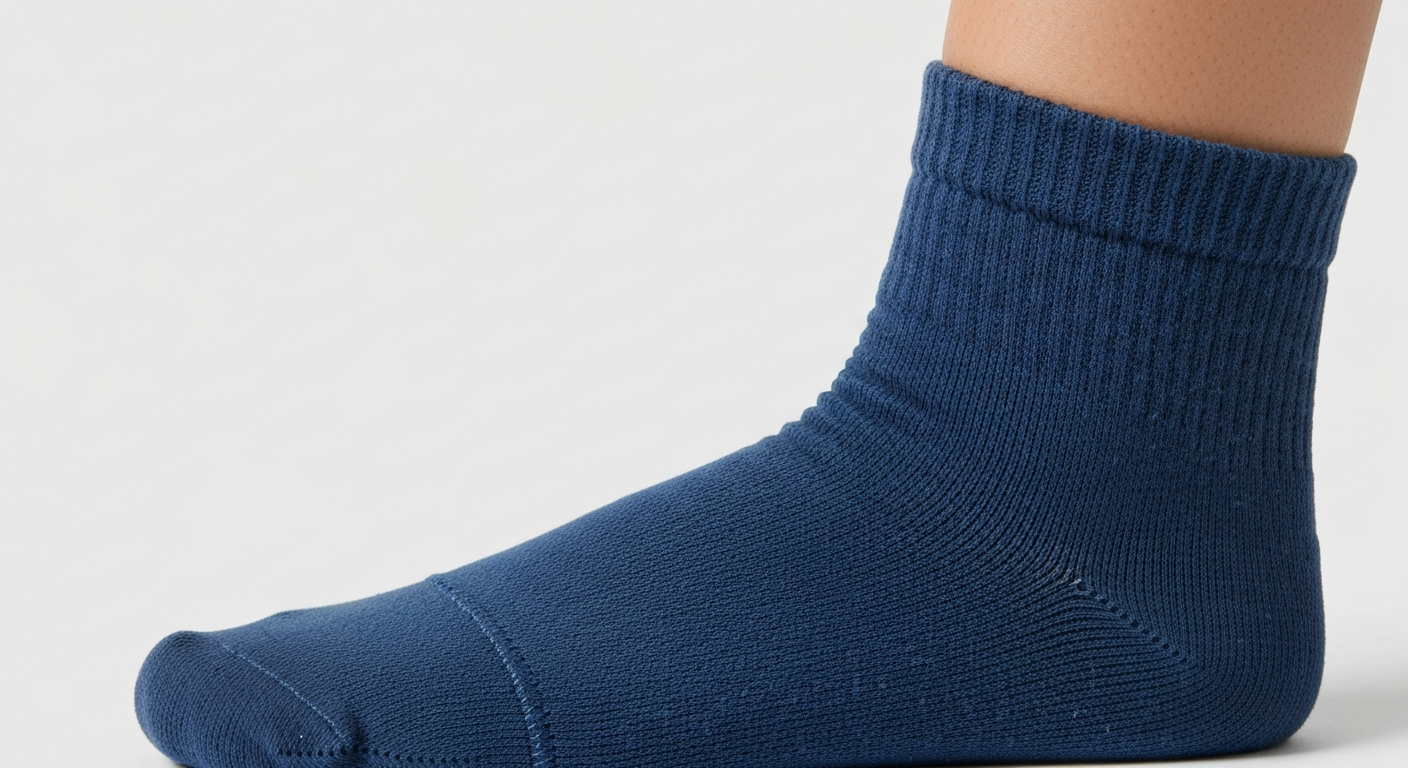
Size charts and how to measure
Place a sheet of paper against a wall. Stand on it barefoot and mark the tip of your longest toe. Measure the distance from the wall to the mark. This measurement in centimeters is your foot length. Compare it with the manufacturer's size chart, since sizing can vary.
Also consider your foot width. If your feet are especially narrow or wide, look for socks with a specialized fit. Some manufacturers offer styles for different foot shapes. Try socks on both feet, since your feet may not be exactly the same size.
Socks for everyday wear and sports: Which style is right for you?
Everyday socks such as the
or should be comfortable and durable. They should hold up through a workday, errands or time at home. Look for breathability, shape retention and a comfortable feel. Socks shouldn't be too thick if you want to wear them with different shoes.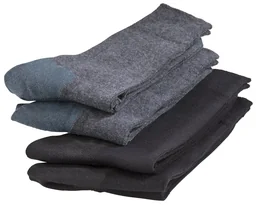
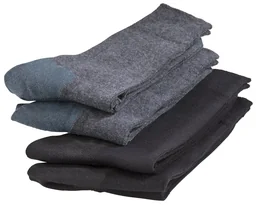
Sports socks have different requirements. They need extra cushioning at the heel and ball of the foot, fewer seams in areas prone to rubbing and better moisture management. Running socks are often thin and lightweight, while hiking socks provide more cushioning and support. They should stay securely in place while you move.
Dress and casual socks
Thin, seamless socks in neutral colors work well with dress shoes. They shouldn't slip below the shoe's edge and should be as discreet as possible. Casual socks can be a little thicker and cozier. Color and design matter more, while performance features may be less important.
Explore our selection of socks for different occasions. If comfort is your priority, the
is a comfortable choice thanks to its soft fabric blend and easy fit.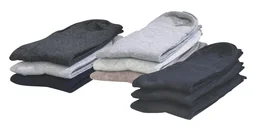
Quality and durability: What to look for
High-quality socks have neat, flat seams. The toe seam should not press against your toes or cause chafing. Some models use seamless construction to eliminate this seam altogether. Reinforced heels and balls of the foot help socks last longer.
The cuffs matter, too. They should be stretchy and hold their shape, even after many washes, without slipping down or digging into your skin. Look for double-knit or reinforced cuffs for added durability. Yarn quality also affects how long socks last: high-quality yarn is less likely to tear.
Note: Turn socks inside out before washing. This protects the fabric and helps prevent pilling. It is especially useful for keeping dark socks looking their best.
Quality features in detail
Check new socks carefully: Are the seams neat, with no loose threads? How stretchy are they? Does the material spring back into shape after you stretch it? Do the socks have a neutral smell, or a chemical odor? Does the fabric feel comfortable, even after hours of wear?
Try the socks during a normal day. Wear them for a full day and watch for pressure points, chafing, or uncomfortable moisture buildup. High-quality socks should still feel fresh and hold their shape at the end of the day. A good pair is one you hardly notice wearing.
Special requirements: A closer look at specialty socks
If you have sensitive skin or allergies, choose materials without chemical treatments. Untreated cotton, merino wool, and silk are good options. Look for environmental and safety certifications such as GOTS or Oeko-Tex Standard 100, which indicate that materials have been tested for harmful substances.
Hiking socks need to wick away moisture on long hikes, stay in place, and provide cushioning where you need it without adding too much bulk. Ski socks are extra tall and keep your feet warm while helping manage moisture.
Compression and support socks
Compression socks apply measured pressure to your legs and feet. They may be useful for long trips, sports, or certain medical conditions. Ask a medical professional for advice, since the right compression level depends on your needs. Wearing the wrong type can do more harm than good.
Everyday support socks offer a lighter option. They provide gentle compression for added comfort during activities that involve standing. The differences between regular socks, support stockings, and medical compression stockings can be subtle. Be clear about what you need before you buy.
Care and washing: How to keep your socks fresh longer
Wash socks at 40-60°C to help remove bacteria and fungi. Use a mild detergent for colors and skip the fabric softener. It coats the fibers and reduces their ability to absorb moisture. For white socks, you can occasionally use detergent with bleach.
Air-dry socks whenever possible. High heat from a dryer can damage elastic fibers and make socks lose their shape sooner. If you use a dryer, choose a low-heat setting. Most socks do not need ironing, and the heat can damage synthetic fibers.
Storage and organization
Sort socks by type or color so it is easy to find matching pairs. Avoid storing them in damp areas such as bathrooms. A dry, well-ventilated closet is ideal. Sock clips or drawer organizers can help keep pairs together.
Take socks off your shoes as soon as you get home. Let them air out briefly before putting them in the laundry basket. This helps reduce odors and keeps them fresher between washes. Change your socks every day, even if they look clean.
Buying guide: How to choose the right socks
Start by deciding what you need them for. Are you looking for everyday socks, athletic socks, or a specialty pair? For everyday wear, cotton blends with around 5-10% elastane are a good choice. Athletes should look for performance socks with moisture-wicking fabric and targeted cushioning.
Choose the right size. Measure your feet and compare the measurements with the manufacturer's size chart. If you are between sizes, choose the larger size. Check the construction for flat seams, neat cuffs, and loose threads. The details can tell you a lot about sock quality.
Our highest-rated socks, compared:
| Model | Customer rating | Availability |
|---|---|---|
| Classic Socks 2-Pack, anthracite, size 39/42 | – | Currently unavailable |
| Classic Socks 2-Pack, anthracite, size 47/50 | – | Currently unavailable |
| Classic Socks 2-Pack, black, size 39/42 | – | Currently unavailable |
| Classic Socks 2-Pack, anthracite, size 43/46 | – | Currently unavailable |
| Classic Socks 2-Pack, black, size 43/46 | – | Currently unavailable |
Consider any special requirements, such as sensitive skin or medical needs. Browse more options in our Clothing section. You can also visit the Household category for related items.
Sustainability and environmental impact
More manufacturers are choosing sustainable materials and fair production practices. Organic cotton, recycled fibers, and water-saving production methods are becoming increasingly important. Look for relevant certifications and transparent supply chains.
Choosing durable socks is one of the best ways to reduce their environmental impact. Long-lasting, high-quality socks create less waste and reduce the need for replacements. Invest in quality, and repair small holes early to help your socks last longer.
With these tips, you can find the right socks for your needs. Consider how you plan to wear them, choose the right size, and look for quality construction. Good socks are an investment in everyday comfort and foot health.
Frequently Asked Questions
- How do I find the right sock size?
- Measure the length of your foot from your heel to your longest toe. Compare this measurement with the manufacturer's size chart. Socks should never be too small, as they can pinch and restrict circulation. Socks that are too large will bunch up and can cause blisters. If you're between sizes, choose the larger option.
- What is the best material for everyday socks?
- For everyday wear, cotton blends containing around 5-10% elastane or polyamide are a great choice. This combination provides breathability, moisture absorption and the stretch needed for a good fit. Pure cotton can stretch and lose its shape. Merino wool is a premium alternative that offers excellent temperature regulation.
- What is the difference between sports socks and regular socks?
- Sports socks feature specially designed zones with different levels of cushioning at the heel and ball of the foot, fewer seams in key areas and improved moisture management thanks to technical fabrics. They provide targeted support and help prevent blisters during intense activity. They usually fit more snugly to keep them from slipping.
- How often should you wash socks?
- Wear socks only once before washing them. Even if they look clean, odours and bacteria can build up. Wash socks at 40-60°C to remove germs effectively. Use a mild detergent and avoid fabric softener, as it reduces the fibres' ability to absorb moisture.
- How can you tell if socks are high quality?
- Look for clean, flat seams, especially around the toes and top edge. High-quality socks have reinforced areas at the heel and ball of the foot. The material should feel comfortable and have no chemical smell. Good elasticity without tight bands that dig in, along with a precise fit, are further signs of quality.