
In brief: The best walk-behind tractor for you depends on how you plan to use it. Compact models are suitable for light soil preparation in the garden, while demanding agricultural work calls for powerful machines with a wide range of attachments. Our 2026 comparison covers the main types, their strengths, and what to consider when choosing a model.
Looking for a versatile helper for your farm, garden, or small acreage? A walk-behind tractor combines a compact design with impressive versatility. Our 2026 test and comparison explains what to look for, which models perform well, and which accessories can make your work easier.
Contents
What is a walk-behind tractor?
A walk-behind tractor is a compact, single-axle machine with its own engine. Unlike a basic walk-behind tool, it can pull attachments and power them through a drive shaft. This makes it a versatile choice for smaller areas.
Its greatest advantage is its flexibility. By quickly switching attachments, you can tackle a wide range of jobs with one machine. That means you may not need to buy several specialized tools.
Typical uses include agriculture on small plots, equestrian facilities, landscaping businesses, and large residential properties. It can be a practical alternative when a full-size tractor would not be cost-effective.
Tip: Check which attachments are available from the start. Your walk-behind tractor's versatility depends on what you can fit to it. A broad selection, such as the range in the walk-behind tractor section, can help you get more from your investment over time.
Key buying criteria in our test
Our 2026 comparison evaluates walk-behind tractors based on practical criteria. Engine power is only one factor to consider.
Engine and performance
The engine's rated power gives you an initial indication of its capabilities. Torque is especially important at low engine speeds because it determines whether the machine keeps moving under load. An easy-to-access air filter and a conveniently located oil drain make maintenance simpler.
Chassis and controls
Try shifting through the gears. A clear, easy-to-grip gearshift and enough forward gears give you better control for different jobs. The controls should be easy to reach and intuitively arranged. An ergonomic handlebar can help reduce fatigue.
Attachment system
This is a key consideration. How quickly and securely can you change attachments? Does the machine use a standardized system? Check the strength of the mounting point and drive shaft. A weak or poorly designed system can limit how you use the machine.
Here are the highest-rated walk-behind tractors in our range, compared side by side:
| Model | Customer rating | Availability |
|---|---|---|
| Oscillating hoe, 65 cm for combination machines | – | Currently unavailable |
| Rotary mower 65 cm with blade brake | – | Currently unavailable |
| Accessory - clearing blade for SWS 800 | – | Currently unavailable |
| Bed plough for MH 770 / MH 1150 | – | Currently unavailable |
| Collection container for SW 60 P sweeper | – | Currently unavailable |
Comparing uses
You can see how well a walk-behind tractor suits your needs by considering how it performs in common situations. Here’s what to look for in typical applications.
Gardens and allotments
Here, maneuverability and quiet operation are often more important than maximum power. A compact walk-behind tractor with moderate power is a good fit. Useful attachments include tillers for preparing garden beds, narrow mowing equipment, and possibly a small clearing blade. A
could be a good choice here.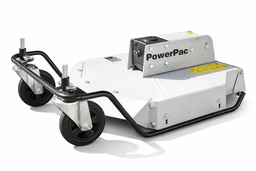
Agriculture and fruit growing
For professional agriculture, you need a rugged machine with plenty of power. It should work reliably on uneven ground and handle heavy attachments. A powerful engine and sturdy chassis are essential. A
is a common attachment for mowing grass between rows.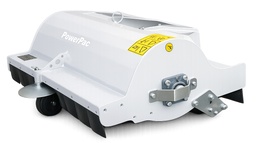
Municipal winter maintenance
Reliable cold starts and good traction are essential when clearing sidewalks, driveways, or small parking lots. A powerful engine can run a snowplow blade or snow blower. The transmission should let you move forward slowly and steadily.
Warning: Be realistic about the machine's ability to prepare heavy soil. A walk-behind tractor is not a full-size tractor. Deep plowing in heavy clay or moving large volumes of earth will push most models beyond their limits. Check the manufacturer's specifications for maximum recommended working widths and depths.
Key attachments
The right attachments make your walk-behind tractor productive. Here are some essential implements.
For soil preparation
A bed plow such as the
turns over the soil and prepares seedbeds. It’s ideal for vegetable gardens and small plots. Pair it with a tiller to create a fine, crumbly soil structure.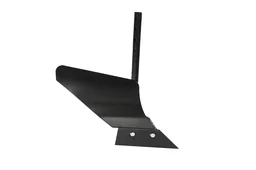
For mowing and grounds maintenance
Along with a standard rotary mower, a flail mower is an important implement. A flail mower chops up coarse plant material effectively, making it suitable for follow-up mowing and maintaining overgrown areas. Its integrated blade brake adds safety.
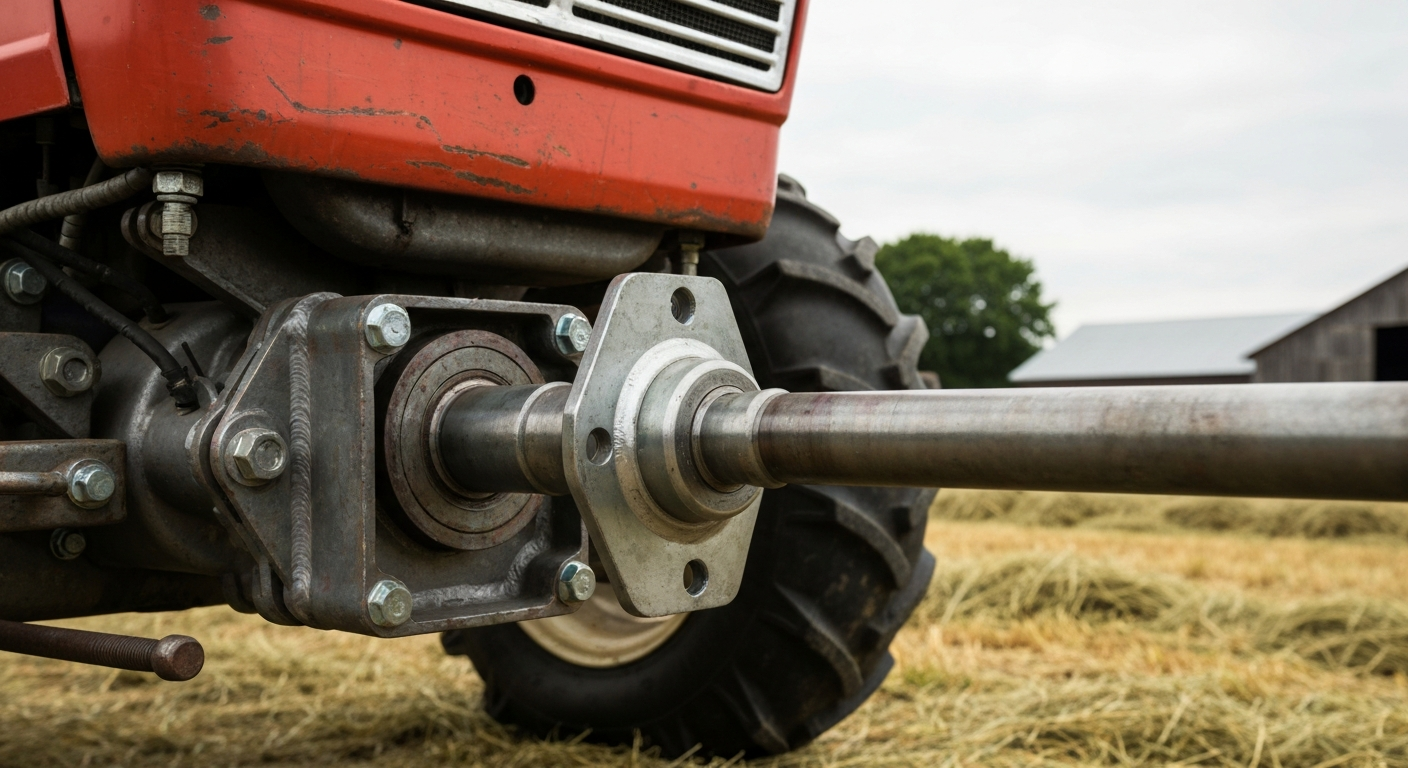
For hauling and cleaning
A trailer greatly expands the hauling capabilities of a walk-behind tractor. A sweeper brush or snow brush such as the
can gently clean delicate surfaces such as pavers and wood decks.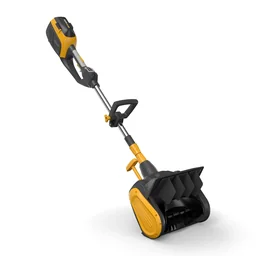
Note: Compatibility matters. Not every attachment fits every model. Before buying equipment such as the
, check that it’s compatible with your walk-behind tractor model. Consult the manufacturer’s compatibility list.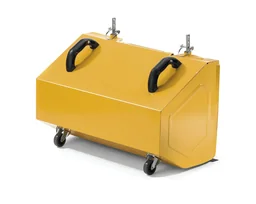
Care and maintenance
Regular maintenance extends your walk-behind tractor’s service life and helps prevent costly repairs.
Routine checks
Check the oil level and air filter before each use. Lubricate all grease fittings on the joints and drive shaft according to the owner’s manual. Check the tire pressure.
Seasonal maintenance
At the end of the season, drain the fuel tank or add a fuel stabilizer. Clean the machine thoroughly to remove dirt and plant debris, then store it in a dry place. An annual oil change is generally recommended.
Storing attachments
Clean attachments after each use. Remove dried-on dirt, dry metal parts, and lightly oil exposed cutting edges and plow surfaces to prevent rust. Store implements off the ground or hang them up.
Conclusion and buying guide
A walk-behind tractor is a worthwhile investment if you regularly tackle a variety of jobs on small to medium-sized areas. The right choice depends largely on how you plan to use it.
For intensive walk-behind tractor use in agriculture, powerful models with a wide selection of sturdy attachments are a great choice. For gardening and fruit growing, a more compact, maneuverable machine may be a better fit.
Don’t base your decision on engine power alone. Consider the whole package, including ease of use, the attachment system, and the availability of the implements you need. With the right machine and accessories, you can get the job done efficiently and reliably.
Frequently asked questions
- What can you use a walk-behind tractor for?
- A walk-behind tractor is a versatile machine. With the right attachments, you can use it for soil preparation with tillers and plows, mowing and grounds maintenance with mowers, snow removal with snowplows or snow blowers, and hauling with trailers. Its compact design and wide range of attachment options are key advantages.
- What’s the difference between a walk-behind tractor and a single-axle tractor with PTO drive?
- The main difference is the power source. A walk-behind tractor has its own combustion engine, which powers the machine and its attachments. A basic single-axle tractor with PTO drive, on the other hand, is pulled and powered by a tractor’s PTO. A walk-behind tractor is a self-contained, independent machine.
- How much engine power does a walk-behind tractor need?
- The power you need depends on the job and soil conditions. For light tilling in a vegetable garden or mowing a lawn, models up to around 5 PS are often enough. For heavier plowing, hard soil, or operating a flail mower, 8 PS or more is recommended. More power gives you extra capacity for tough conditions.
- Can I use any attachment with any walk-behind tractor?
- No. Compatibility is essential. Check the manufacturer’s attachment system, as many implements are made for specific models or series. Before buying, confirm that accessories you need, such as a PRODUCT_106219 or PRODUCT_78362, are available for your chosen walk-behind tractor.
- What should I check when buying a used walk-behind tractor?
- Listen for unusual engine noises, check for smoke, and inspect the oil. Test all gears and the clutch. Look for wear or damage on the drive shaft and attachment mechanism. Ask about the maintenance history and, if possible, test the walk-behind tractor with an attachment.