
In brief: The right wheelbarrow tire depends on how you use your wheelbarrow and the surfaces you work on. For heavy loads on hard ground, choose a sturdy wheel with a steel rim or a solid polyamide tire. For uneven terrain, a pneumatic tire with a replacement inner tube offers a smoother ride. Check the axle bore size and make sure the wheel fits your wheelbarrow.
A damaged wheelbarrow tire can bring garden or construction site work to a halt. Replacement wheels come in many styles, but not every wheel fits every wheelbarrow or suits every job. In our 2026 wheelbarrow tire test and comparison, we look at different options to help you find the right replacement.
We compare wheels for a range of needs, from light loads on level ground to heavy loads over rough terrain. The right wheel can extend the life of your wheelbarrow and make your work easier.
Table of contents
What types of wheelbarrow tires are available?
Wheelbarrow tires vary in their construction and materials. The three main types are pneumatic tires, solid rubber tires and plastic tires, such as those made from polyamide.
Pneumatic tires
Pneumatic tires are the classic choice. They consist of an inner tube and a tire filled with air. Their main advantage is the cushioning they provide. They absorb bumps and make a wheelbarrow more comfortable to push, even over rough ground. However, they can go flat and need regular maintenance. Check the tire pressure regularly.
Solid rubber tires
These tires are made entirely of solid rubber. They are puncture-proof and require no maintenance. They work well on firm, level surfaces such as concrete or asphalt. On uneven terrain, however, they transfer bumps and vibrations directly to the wheelbarrow and your arms.
Plastic wheels (e.g. polyamide)
Modern wheels made from materials such as polyamide are highly durable, weather-resistant and have low rolling resistance. They are lightweight, rustproof and often less expensive than rubber tires. High-quality models, such as those from Fritz Göbel, are also designed to carry heavy loads and withstand different temperatures. They roll easily but provide little cushioning.
Tip: If you only haul materials on paved paths, lightweight and durable polyamide wheels are a great choice. They take less effort to push and last a long time.
What should you look for when buying?
Before buying a replacement wheel, check a few details about your wheelbarrow.
The right diameter and width
Wheel size affects how well your wheelbarrow performs. A wheel that is too small may sink into soft ground, while one that is too large can make the wheelbarrow unstable. Measure your old tire's outside diameter. Common sizes include 10 inches (approx. 250 mm) and 12 inches (approx. 300 mm). Tire width also affects stability and how gently the wheel rolls over the ground.
Axle bore and mounting
The bore in the wheel hub must match your wheelbarrow's axle. Common sizes are 16 mm, 18 mm and 20 mm. Some wheels come with a complete wheelbarrow wheel axle, while others include the wheel only. Check how the wheel is secured: with a nut, a split pin or a clamping mechanism.
Load capacity and weight rating
Every wheel has a maximum load capacity. Add the weight of a typical load to the weight of the wheelbarrow itself. Choose a wheel with a load capacity comfortably above that total. This helps it last longer and makes your wheelbarrow safer to use.
Important: Never use a wheel if its axle bore does not fit the existing axle properly. Even a small amount of play can cause dangerous wobbling and premature wear.
Wheelbarrow Tire Test and Comparison
In our practical test, we assessed different wheels for everyday use, ease of handling and durability. Compare the results below.
Our most-reviewed wheelbarrow wheels, compared side by side:
| Model | Customer rating | Availability |
|---|---|---|
| Wheelbarrow wheel with axle, 20 mm bore, 12 mm thread, 1 piece 🏆 Test winner | ★ 4,7 (17) | In stock |
| Hand truck wheel with steel rim | ★ 4,9 (8) | In stock |
| Hand truck wheel, 1 piece | ★ 4,0 (1) | In stock |
| Pneumatic replacement tire 400 x 100 mm (4.80/4.00-8) with ribbed tread | – | In stock |
| Fritz Göbel 100 mm polyamide wheels - durable, low rolling resistance | – | Currently unavailable |
For standard wheelbarrows with a 20 mm axle, the is a dependable choice. It comes with a matching axle, which makes installation easier, and it is well made.
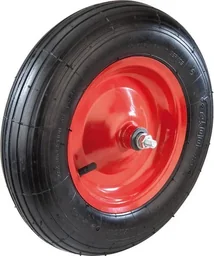
If you need a sturdy wheel for heavy loads on a construction site, the is a great option. The steel rim handles heavy loads, while the solid rubber tire is maintenance-free. It is a good fit for regular commercial use.
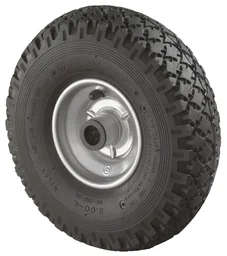
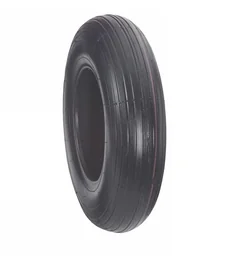
If your wheelbarrow has pneumatic tires, you may not need to replace the entire wheel. In many cases, you can replace just the damaged tire. The is a high-quality replacement with a tread pattern that provides reliable grip on a range of surfaces.
Note: The high-quality polyamide wheels from Fritz Göbel were unfortunately unavailable when we tested them. They are known for their exceptional durability and are especially well suited to continuous use in warehouses or on smooth surfaces.
Installation and Maintenance Tips
Installing a new wheel is generally straightforward. Secure the wheelbarrow so it cannot roll away. Loosen the nuts or remove the cotter pin from the old axle, then remove the damaged wheel. Fit the new wheel and secure it according to the manufacturer's instructions. Tighten all nuts firmly, but do not overtighten them, as this could damage the bearing.
Care for a Long Service Life
Remove coarse dirt from the wheels after use. Check the pressure regularly on pneumatic tires. For wheels with bearings, check them occasionally for play and lubricate them if necessary. Storing the wheel in a dry place helps prevent premature rust.
Which Wheel Is Right for Each Application?
For the Home and Small Garden
Light to medium loads are typical here. A sturdy standard rubber wheel or a durable polyamide wheel is perfectly adequate. Choose good quality so you can enjoy your garden equipment for a long time.
For Construction Sites and Heavy Loads
Frequent use with heavy loads calls for extremely sturdy wheels. Models with a steel rim and solid rubber tire are the best choice here. They can also handle coarse rubble and sharp edges. Discover suitable construction equipment and accessories for your projects.
For Uneven Ground and Soft Soil
On lawns, forest trails, or sand, wide pneumatic tires are hard to beat. Their large contact area helps keep them from sinking in, while the cushioning protects both the equipment and the user. A high-quality replacement tire will last longer.
Are There Alternatives to Replacing the Wheel?
With pneumatic wheels, a flat tire does not always mean you need to buy a whole new wheel. Often, only the inner tube is damaged or the tire has a small cut. In these cases, patching or replacing the inner tube or tire may be enough and costs less. Check the condition of the rim and bearings before deciding.
Our Buying Recommendation
Choosing the right wheelbarrow wheel depends on how you plan to use it. For most home gardeners who use their wheelbarrow on paved paths, a reliable standard wheel is the best value. Make sure you choose the correct dimensions.
For professional users who move heavy loads every day, it is worth investing in a high-quality wheel with a steel rim. The higher upfront cost pays for itself through a considerably longer service life.
Remember that the wheel is a safety-critical component. A high-quality wheel from a trusted tool retailer helps protect you from accidents and frustrating breakdowns. Always check compatibility with your wheelbarrow before buying.
Frequently Asked Questions
- How do I find the right wheelbarrow wheel for my wheelbarrow?
- Measure the axle bore and tire diameter of your existing wheel. Compare these measurements with the replacement wheel specifications. Also check the attachment type, such as a threaded axle or quick-release axle.
- Are pneumatic tires or solid rubber tires better?
- Pneumatic tires offer more cushioning and comfort on uneven ground, but they are more prone to punctures. Solid rubber tires or polyamide wheels are puncture-proof and maintenance-free, but provide a firmer ride.
- Can I use any wheelbarrow wheel as a replacement?
- No. You need to check compatibility. The key factors are diameter, width, axle bore, and mounting type. An incompatible wheel may not fit or may not be secure.
- What does 4.80/4.00-8 mean on a replacement tire?
- This specification describes the tire size. 4.80/4.00 is the tire width in inches, while 8 indicates the rim diameter in inches. You need a tire that fits your existing rim exactly.
- What should I look for when installing a new wheelbarrow wheel?
- Secure the wheelbarrow to keep it from rolling away. Use the appropriate tools and tighten all nuts and locking components securely. After installation, check that the wheel turns smoothly and has no play.