
In brief: The best router for you depends on the work you plan to do. A biscuit joiner is ideal for precise biscuit joints, while a powerful 1500 W wood router is better suited to demanding woodworking projects. Accessories such as circle guides and router bit sets expand what you can make. Our 2026 comparison covers the key buying criteria.
Planning to upgrade your workshop or tackle a woodworking project? The right router can make all the difference. With so many options available, choosing one can feel overwhelming. Our 2026 wood router review and comparison makes it easier. We compare top models for different needs and explain what to consider before you buy, so you can find the right tool for your next project.
Table of contents
- What types of routers are available?
- Buying criteria: What should you look for?
Top-rated routers from our range, compared:
Model Customer rating Availability WFF760 biscuit joiner, 760 Watt 🏆 Test winner ★ 4,9 (32) In stock "CircleGuideKit" circle guide for routers – Currently unavailable 1/2" collet TRC120 – Currently unavailable 12-piece 12 mm TCT router bit set – Currently unavailable 12-piece 12 mm TCT router bit set – Currently unavailable - Common uses and projects
- Router safety: What you need to know
- How to care for and maintain your router
- Conclusion and recommendations
What types of routers are available?
Not every router is right for every job. Choosing the right type is the first step.
Wood routers: The all-purpose woodworking tool
A wood router is a versatile woodworking tool. It cuts into the material from above and is ideal for shaping edges, cutting grooves and recesses, and creating profiles. Browse our selection of routers. For demanding projects, a powerful model such as the is an excellent choice.
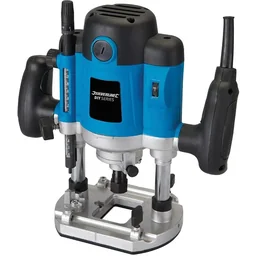
Biscuit joiners: Specialists for strong joints
Also called plate joiners, these tools cut precise, semicircular slots for biscuits, creating strong, clean wood joints. The is an example of this specialized tool.
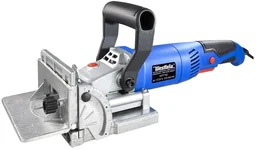
CNC routers: For maximum precision
CNC routers are computer-controlled and excel at repeatable, complex routing jobs. They are a separate category, though, and require the right know-how.
Tip: For beginners and most DIY projects, a quality wood router is a great place to start. You can add specialized tools such as biscuit joiners when you need them for specific jobs.
Buying criteria: What should you look for?
We compared the models across several key factors.
Power and speed
Power, measured in watts, affects how effectively a router cuts. More power is important for hardwood and large router bits. Variable speed control is almost as important, letting you match the speed to the bit diameter and material.
Precision and guidance
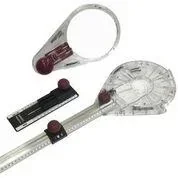
Spindle play or a wobbly baseplate can ruin a workpiece. Look for a sturdy design and precise guides. An edge guide should come standard. For circles and curves, a circle guide such as the is essential.
Handling and comfort
A good router feels comfortable in your hands and has easy-to-reach controls. A quick collet change saves time. Dust extraction helps keep your work area clean and protects your health.
Warning: Always wear appropriate hearing and eye protection. Routing is noisy and sends chips flying. Wear a respirator when working with dusty materials such as MDF.
The best routers compared side by side in 2026
This table summarizes key details about the models we tested. See the sections below for detailed test results.
{{COMPARISON_TABLE}}Common uses and projects
A router opens up countless possibilities. Find inspiration in our wide selection of tools.
Furniture making and wood joints
A router is indispensable for furniture making. You can cut dovetail and tongue-and-groove joints, or create invisible joints with a biscuit joiner. For biscuit joints, the is ideal.
Decorative edges and profiles
Turn plain edges into coves, rounded edges or intricate profiles. With the right template and router bits, you can also create custom shapes.
Hardware and recesses
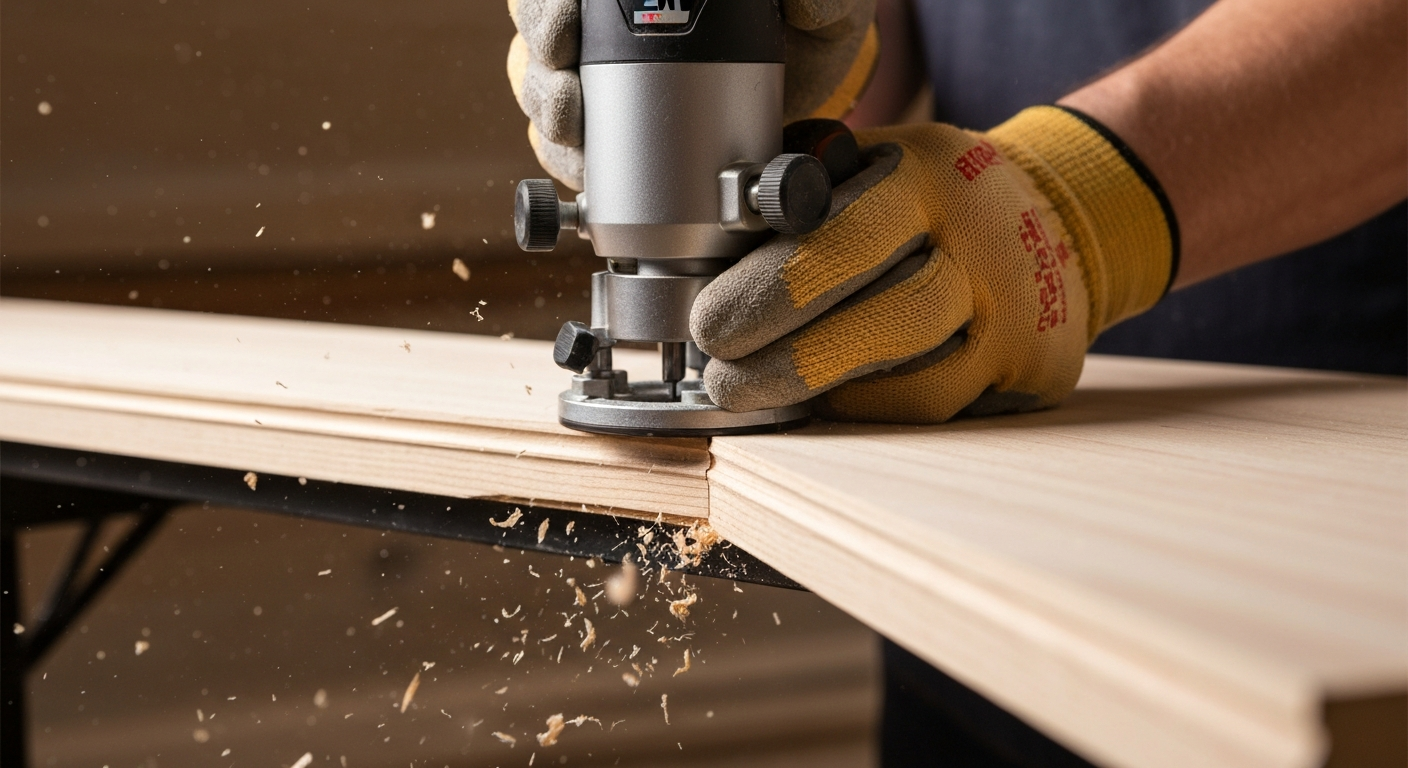
Cut precise recesses for hinges, drawer slides or recessed spotlights. A stable guide is essential.
Note: Router bit quality matters just as much as the tool itself. High-quality carbide (TCT) bits stay sharp longer and produce clean cuts. A router bit set from our range is a good place to start.
Router safety: Essential rules
Routers are powerful tools, so handle them carefully and stay focused while you work.
Preparing to work
Always secure the workpiece and router firmly. Loose parts can cause dangerous kickback. Before you start, check that the router bit is seated correctly and securely.
Protective gear and dust extraction
Always wear safety glasses and hearing protection, as well as a dust mask when cutting produces dust. Connect the router to a dust extractor to reduce your exposure to dust.
Routing technique and cutting depth
Feed the router against the direction of the bit's rotation. This helps prevent the machine from pulling forward uncontrollably. Cut deep recesses in several shallow passes to protect the router, bit and workpiece.
Router Care and Maintenance
Proper care can significantly extend the life of your router.
Cleaning After Use
Remove dust and wood chips from the router after every use. Pay particular attention to the collet area. Use a brush or compressed air to clean it.
Maintaining Moving Parts
Keep the guide rods and adjustment screws lubricated. A light application of machine oil helps them move smoothly. Check the motor brushes regularly.
Storage and Safekeeping
Store the router in a dry, dust-free place. Unplug it before putting it away. Keep router bits organized and protected.
Conclusion and Recommendations
There is no single best router for everyone. Choose one that suits your projects. For DIYers who want to shape edges, cut grooves, and install hardware, a powerful router such as the is a great choice and a solid foundation for your workshop.
If you focus on precision furniture making and biscuit joints, a specialized machine such as the is a worthwhile investment. It saves time and helps deliver consistent results. To get more from your router, useful accessories such as the router circle jig are a real asset. Browse our full range of power tools to complete your workshop. With the right tools, you can work safely and get great results on every project.
Frequently Asked Questions
- What's the difference between a router and a biscuit joiner?
- A router is a versatile tool for cutting grooves, shaping edges, and creating recesses. A biscuit joiner, also called a biscuit cutter, is designed specifically to cut precise slots for biscuits, creating strong, hidden wood joints.
- How much power (W) do I need in a router?
- For occasional work in softwood, 700-1000 W is enough. For frequent use, hardwood, or larger router bits, choose a router with at least 1200 W. More power can mean smoother operation and less kickback.
- Do I need an electronic speed controller?
- Yes. An electronic speed controller lets you adjust the speed to suit the router bit diameter and material. This helps prevent scorching and gives you a clean finish.
- Which accessories do I need to get started?
- Along with the router, you'll need a sturdy base plate, a parallel guide, and collets that fit your router bits. A router circle jig and a router bit set also give you more options from the start.
- Can I use a router on metal?
- Yes, but only with special metal-cutting bits and extra care. You must reduce the speed significantly, and coolant may be needed. For dedicated metalworking, a metal milling machine is a better choice.