
In brief: Choose a woodworking bench to suit your projects and available space. Compact models work well in home workshops, while heavy-duty benches with a wide clamping range make professional work easier. Look for a sturdy build and useful features such as drawers or tool holders.
A woodworking bench is the centrepiece of a well-equipped workshop. Whether you reach for a hand plane now and then or work with wood professionally every day, the right bench makes a difference. In our 2026 comparison, we look at different woodworking benches and explain what to consider before you buy.
Table of contents
What makes a good woodworking bench?
You can judge a woodworking bench by several factors, starting with stability. A wobbly bench makes precise work harder and can even be dangerous.
The material matters. High-quality benches are made from solid woods such as beech or maple. These woods are heavy, hard and resistant to warping, providing a reliable base for your workpieces.
The construction should be robust. Thick legs, sturdy cross braces and heavy-duty bench vises are essential. Check the maximum clamping range and the number of clamping points.
Try the clamping devices before you buy. They should be easy to operate and adjust precisely, even under load.
Work surface and dimensions
Choose a work surface that suits your projects and the space available. A bench that is too small can limit your work, while one that is too large takes up room you may need.
For most DIY projects, a bench between 1200 and 1500 mm long is enough. Professionals often choose models over 2000 mm long.
The bench height should let you work comfortably without straining your back. Standard heights range from 800 to 900 mm.
Woodworking bench models compared
Woodworking benches are available for a range of needs. Here are some common types and their pros and cons.
Compact woodworking benches for home workshops
These models save space and are often more affordable. They are a good fit for beginners or workshops with limited room.
One example is the
. Measuring 1220 x 510 x 840 mm, it offers a solid work surface for a wide range of projects. It comes without extra shelves and clamps, so you can add accessories to suit your needs.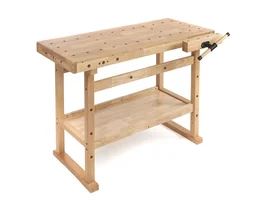
Advantages of compact benches:
- Small footprint
- Often easier to transport and assemble
- Suitable for medium-sized workpieces
Disadvantages:
- Limited clamping range and storage space
- Less suitable for very large or heavy workpieces
Pay close attention to stability when choosing a compact bench. A lighter model may shift during heavy work. Anchor it to the floor if needed.
Heavy-duty professional woodworking benches
Heavy-duty woodworking benches are a great choice for demanding daily use. Their weight helps keep them stable, even when you are planing with force.
These benches often have built-in drawers, permanently installed bench vises and a wider range of clamping options. They are an investment designed to last for years.
Woodworking benches with built-in storage
Models with storage beneath the work surface are convenient. Drawers or cabinets keep tools and accessories close at hand and protected.
Drawers such as the
can often be added later. They measure 882 x 335 x 96 mm and fit woodworking bench No. 93 89 21, making your bench even more useful.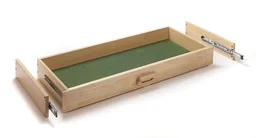
Woodworking bench buying guide
Before you buy, consider a few questions to help you choose the right model.
What kind of work do you do?
Do you mainly work on delicate joinery or plane large boards? For detailed work, precise adjustments are important. For heavier work, prioritize a sturdy build.
How much space do you have?
Measure the spot carefully. Account for the bench itself and enough room to move around it. Browse our range of woodworking benches to find models in different sizes.
Do you need storage?
Think about whether you want to store tools in drawers attached to the bench or somewhere else. Add-ons such as drawers give you more flexibility.
Plan for the future. If you expect to take on more woodworking projects, it may be worth investing in a slightly larger or better-equipped bench. Replacing it later can cost more.
Accessories and Upgrades
You can expand the basic equipment of a woodworking bench with practical accessories. This improves comfort and functionality.
Clamps and Holders
High-quality clamps are indispensable. The
is a woodworking bench vise available for woodworking bench no. 938921. It securely holds your workpieces.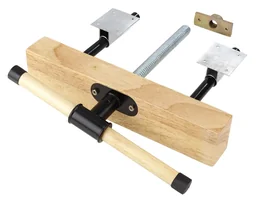
For even more flexibility, you can retrofit a
, a flexible holder. It allows you to clamp unusually shaped parts.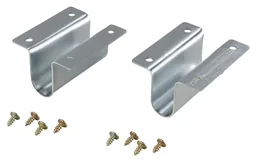
Organization and Storage
Drawers are a popular accessory. In addition to the large , there are also smaller versions for organizing small parts. This helps you keep your workshop tidy.
You can also optimize storage with suitable cabinets that fit underneath the bench. They provide space for larger tools.
Workbench Top Protection
Protect the wooden surface of your bench from cuts and stains. Use special protective mats or thin MDF boards as replaceable covers.
Care and Maintenance
A well-maintained woodworking bench will last a lifetime. Simple routines are all that is needed.
Clean the workbench top after every workday. Remove sawdust and dust. Occasional treatment with linseed oil keeps the wood supple and water-repellent.
Regularly check all screw connections and tighten them if necessary. Check that the clamping devices are working properly. For metal parts, a thin film of machine oil prevents rust.
Store your bench in a dry room. Extreme temperature fluctuations and high humidity can cause wood to warp.
Conclusion
Choosing the right woodworking bench is a personal decision. Consider your typical workpieces, the space available and your budget.
Compact models such as the are a solid starting point. By adding accessories such as the or , you can adapt the bench to your growing needs.
Heavy-duty professional benches offer maximum stability and features as standard. They are the right choice for intensive use.
Whatever model you choose, a high-quality woodworking bench is a worthwhile investment for anyone who works with wood. It provides a reliable foundation for precise and safe work for many years. Browse our full range of tools and workbenches to fully equip your workshop.
The highest-rated woodworking benches in our range compared directly:
| Model | Customer rating | Availability |
|---|---|---|
| Woodworking bench vise suitable for woodworking bench no. 938921 🏆 Best in test | ★ 4,8 (46) | In stock |
| Drawer 882 x 335 x 96 mm for woodworking bench no. 93 89 21 | ★ 4,8 (20) | In stock |
| HB2 woodworking bench 1220 x 510 x 840 mm (without additional shelves and clamps) | ★ 4,7 (17) | In stock |
| Flexible holder for woodworking bench vise | ★ 4,8 (4) | In stock |
| Woodworking bench vise | – | Currently unavailable |
Frequently Asked Questions
- Which woodworking bench is right for beginners?
- Compact, affordable models with a workbench top around 1200 mm long are suitable for beginners. Look for a stable construction and easy-to-use clamping devices. Accessories such as drawers can be added later.
- How important is the material of a woodworking bench?
- The material is crucial for stability and durability. High-quality woodworking benches are made from solid hardwood such as beech or maple. This prevents warping and provides a robust surface for your workpieces.
- Can I upgrade my woodworking bench?
- Yes, many woodworking benches offer upgrade options. For example, you can add drawers such as PRODUCT_73351 or accessories such as PRODUCT_73493 later. Check compatibility before buying.
- What should I consider when assembling a woodworking bench?
- Assembly requires a level, stable surface. Follow the assembly instructions carefully and tighten all fasteners. Correct assembly is essential for stability and functionality.
- How do I care for my woodworking bench?
- Regularly clean the workbench top to remove dust and resin residue. Treat wooden surfaces occasionally with linseed oil to keep them supple. Check the tightness of all screws and clamping devices regularly.