
In brief: Our 2026 work sweatshirt comparison shows that the right choice depends on how you plan to use it. A classic cotton sweatshirt may be all you need for light tasks, while demanding jobs call for workwear made with reinforced materials. Along with fabric, key factors include fit, freedom of movement and features such as a hood or pockets. We compare the top models to help you find the right one.
Looking for a new sweatshirt for work or everyday wear? There are plenty of options to choose from. Our 2026 comparison makes it easier to find the right one. We looked closely at different models, comparing their materials, comfort, features and durability. Whether you need a hard-wearing layer for the workshop or a comfortable hoodie for your break, you’ll find helpful recommendations here.
What makes a good sweatshirt?
A good sweatshirt balances comfort and practicality. The fabric should feel comfortable against your skin and hold up to everyday wear. Look for neat stitching and well-made details, including the cuffs and zip.
Choosing the right material and fabric
Fabric plays a big part in comfort and durability. Cotton is breathable and soft against the skin, but can feel heavy when wet. Polyester is lightweight and quick-drying, though less breathable. Blended fabrics combine benefits of both. For demanding jobs, reinforced fabric at high-wear areas is a useful feature.
Fit and cut for freedom of movement
Your sweatshirt should let you move freely. A tight fit can feel restrictive, while loose clothing can be hazardous around machinery. Raglan sleeves and ergonomic cuts can help you move more comfortably. Also consider whether you’ll wear it over other layers.
Types of sweatshirts compared
Different sweatshirts suit different tasks. Here are the most common styles.
The classic crewneck sweatshirt
A crewneck sweatshirt is a versatile everyday option. It works well as a mid-layer under a jacket or vest. Without a hood, it stays out of the way and is a safer choice around rotating machinery. Browse our range of sweatshirts.
The practical hoodie
A hoodie offers extra coverage from the wind and light showers. The large front pocket, also known as a kangaroo pocket, is handy for warming your hands or carrying small items. For work, make sure the hood can be removed or secured if it could create a safety risk.
Tip: Choose a sweatshirt with reflective details if you work in low light or near traffic. They can make you easier to see and help improve your safety.
Our top picks from the 2026 comparison
We put several models through a detailed comparison. The table below gives an overview of the key features of the sweatshirts we reviewed.
Our top-rated sweatshirts at a glance:
| Model | Customer rating | Availability |
|---|---|---|
| Bee suit with goatskin gloves - Cotton - White - XXXL | – | Currently unavailable |
| Hoodie CHAMP, carbon, L | – | Currently unavailable |
| Hoodie CHAMP, carbon, M | – | Currently unavailable |
| Hoodie CHAMP, carbon, S | – | Currently unavailable |
| Hoodie CHAMP, carbon, XL | – | Currently unavailable |
The table offers a quick overview. A closer look reveals that some models have particular strengths.
: The CHAMP hoodie in Carbon
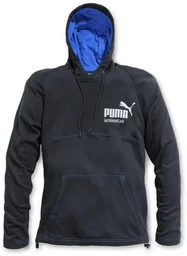
The CHAMP hoodie in Carbon pairs a modern look with practical fabric. Its well-made hood offers useful coverage, while the side panels allow plenty of freedom of movement. The sporty fit makes it a dependable choice for active tasks.
: The CHAMP hoodie in Carbon (Size S)
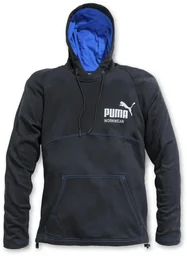
If you need a smaller fit, the CHAMP hoodie in size S is a good option. It has all the benefits of the CHAMP range in a more compact size, with the same excellent workmanship. A practical addition to your workwear.
: The CHAMP hoodie in Olive/Carbon
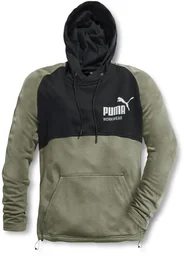
The two-tone Olive and Carbon version adds a subtle touch of color. It’s a practical combination that doesn’t show dirt as quickly. The fabric quality matches the other models in the range. A solid choice if you prefer a more understated look.
Warning: When working near machinery with exposed rotating parts, avoid sweatshirts with loose drawstrings, long cords or wide, loose-fitting sleeves. They can get caught and cause serious accidents.
Buying guide: How to choose the right sweatshirt
Answer a few simple questions before you buy to find the right model for your needs.
What will you use the sweatshirt for?
Will you wear it for light warehouse work, hands-on tasks in a workshop or everyday use? How you plan to use it determines the durability, safety features and comfort you’ll need. For messy jobs, a darker color is often more practical.
What is the climate like where you work?
Do you work outdoors, in changing temperatures or in heated buildings? In cool conditions, warm fabrics such as fleece or heavyweight cotton can help. If temperatures vary, a breathable blended fabric is often a better choice.
Care and Durability
With proper care, your work sweatshirt can last much longer.
Washing and Drying Your Sweatshirt
Check the care label before washing your sweatshirt for the first time. In most cases, machine washing at 30° or 40°C is sufficient. For heavy stains, use a suitable pre-wash detergent. Dry your sweatshirt gently to prevent shrinkage and loss of shape. Ironing is rarely necessary.
Repair It Instead of Throwing It Away
You can often repair small tears or loose seams yourself. This saves resources and money. For high-quality workwear, it may also be worth taking the garment to a tailor to have details such as reinforced pocket flaps sewn on.
Note: Even the most durable sweatshirt is part of your personal protective equipment (PPE). Check it regularly for signs of wear, damaged seams or worn cuffs. Replace it promptly if you find any defects to ensure your protection is not compromised.
Work Sweatshirt Test & Comparison 2026: Our Verdict
Choosing the right work sweatshirt depends largely on your needs. For a range of tasks involving tools and skilled trades, the tested CHAMP series hoodies offer a good balance of comfort, functionality, and durability. When choosing a model, focus on the material, fit, and safety features. Our buying guide will help you find the right sweatshirt for your needs and your work.
Frequently Asked Questions
- What is the best sweatshirt for work and DIY projects?
- For work and DIY projects, choose a durable sweatshirt made from hard-wearing materials, such as a sturdy cotton blend. Look for good freedom of movement, reinforced elbows, and practical pockets. Avoid an overly loose fit that could get caught in machinery.
- What is the difference between a hoodie and a classic sweatshirt?
- The main difference is the hood. A hoodie has an attached hood and often a practical kangaroo pocket. Classic sweatshirts usually have no hood, making them easier to wear under extra layers or a work vest.
- How do I choose the right size work sweatshirt?
- Measure your chest and height, then compare your measurements with the manufacturer's size chart. Workwear should allow you to move freely without being too loose, which can create safety risks. If you're unsure, try the sweatshirt on.
- Can I wear a regular sweatshirt to work?
- A regular sweatshirt can work for light office duties or clean tasks. For trade work, dirty jobs, or safety-critical tasks, we recommend specialist workwear. It's more durable, often meets relevant standards, and offers better protection.
- How do I care for a work sweatshirt so it lasts?
- Always follow the care label. Durable work sweatshirts can usually be machine-washed at 40°C. For heavy stains, use a pre-wash cycle. Dry the sweatshirt flat or on a hanger to help it keep its shape. Ironing is rarely necessary.