
In brief: A garden is possible despite a birch pollen allergy. The key is choosing low-pollen plants and caring for them properly. Replace highly allergenic trees such as birches, alders and hazels. Use dense, evergreen hedges as a pollen barrier. Plan your gardening outside the main pollen times. These measures significantly reduce exposure.
Birch Pollen in the Garden: Practical Tips for Allergy Sufferers
For millions of people in Germany, spring marks the beginning of the difficult season. Birch pollen allergy is one of the most common pollen allergies. Birch pollen is small, light and travels a long way. Having your own garden can therefore become a challenge. But it does not have to be this way. With careful planning and the right measures, you can turn your garden into an oasis to enjoy despite the pollen season.
How does a birch pollen allergy affect you in the garden?
Symptoms range from watery eyes and sneezing fits to asthma. In your own garden, there is also direct contact with the triggers. You are surrounded by plants that may release pollen. Working in flower beds stirs it up. A relaxing day on a sun lounger becomes unbearable. Understanding the causes is key. Not every plant is a problem. Wind-pollinated plants such as birches, hazels and grasses are the main culprits. Insect-pollinated plants are often unproblematic.
Birch is the most important trigger of tree pollen allergy in Central Europe. Its pollen is highly allergenic and can cause severe reactions even at low concentrations.
Which plants should I avoid?
The list starts with trees. You should remove birches, alders, hazels and beeches from your garden. Among shrubs, forsythia, privet and willows can be problematic. Many ornamental grasses also release pollen. Observe which plants you specifically react to. A pollen diary can help. Do not avoid flowering plants across the board. Insect-friendly perennials such as larkspur, coneflowers and asters are usually well tolerated. Their pollen is too heavy to be carried by the wind.
Important note
Before felling trees or extensively redesigning your garden, check the legal requirements. Some local authorities have tree protection bylaws. If in doubt, obtain a permit or consult a specialist company.
The alternative: Low-pollen trees, shrubs and perennials
Choose low-risk options. Fruit trees such as apple, cherry and plum are good choices. Suitable shrubs include hydrangeas, lilacs and deutzias. For dense hedges that provide privacy and pollen protection, yew, cherry laurel and arborvitae are suitable. You can find these plants in our Garden + Plant Accessories category.
How can I design my garden to be allergy-friendly?
Garden design makes a difference. Minimise large, open lawns. Short grass does not flower. Mow regularly. Replace parts of the lawn with ground cover such as ivy, barrenwort or saxifrage. These plants form a dense carpet and suppress weeds. A paved or gravel patio provides a low-pollen seating area. A roof or shade sail protects you from pollen falling directly from above.
Pro tip
Plan a dense, evergreen hedge on the windward side of your property. It acts as the first filter barrier for pollen from neighbouring gardens and noticeably reduces overall exposure.
Practical helpers: Artificial hedges as a solution
Artificial hedges are ideal for completely pollen-free privacy screens. They provide privacy all year round, require no maintenance and do not release pollen. They are especially suitable directly next to seating areas or in front of bedroom windows.
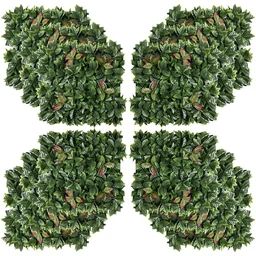
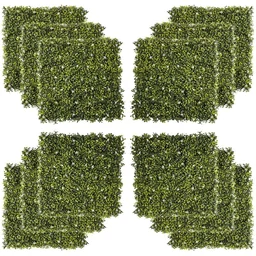
You can also find these robust alternatives in our range of garden equipment.
When should I work in the garden?
Timing is everything. Pollen concentrations are highest around midday on warm, dry and windy days. Plan your gardening for the early morning or directly after a rain shower. The air is clearer then. Wear work clothes that you can wash immediately afterwards. A dust mask with an FFP2 filter effectively protects your airways. After working, take a shower and wash your hair.
On days with high pollen levels, people with pollen allergies should avoid strenuous outdoor activities and adjust their ventilation times. In rural areas, pollen exposure is highest in the evening, while in cities it is highest in the morning.
The right tools for clean cuts
Good tools do not just make the work easier; they also help you work more cleanly. Precise cuts with sharp shears prevent plant tissue from being crushed and release fewer plant juices, which can cause irritation. A universal pair of shears for all types of work is a useful choice.
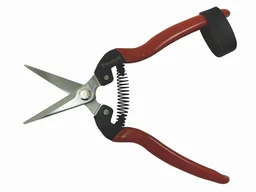
All the garden tools you need for gentle gardening are available from us.
How can I keep pollen away from my patio?
Your patio should be a place to retreat. Use garden furniture with smooth surfaces that are easy to wipe clean. Textiles such as cushions and pads should be washed regularly. Cover the furniture when it is not in use. This not only protects it from the weather but also from pollen deposits.
Additional tip
Store seat cushions and blankets in pollen-proof boxes or indoors when you are not using them. This way, you can start each gardening session with a clean slate.
Protection with furniture covers
Suitable covers for your garden furniture are essential. They prevent pollen from settling into the fabrics. Transparent covers have the advantage that you can see the furniture underneath without having to remove the cover. Discover our selection of transparent garden furniture covers.
Long-term measures for lasting relief
Think long term. Every change towards a lower-pollen garden is an investment in your quality of life. Gradually replace problematic plants. Create sheltered areas with roofing. Use technical aids such as air purifiers for garden sheds or covered seating areas. A well-planned garden is the best remedy.
These measures can help take the fear out of pollen season. You regain control over your surroundings. Your garden becomes what it should be again: a place of relaxation and enjoyment. Start with the first change today.
Frequently asked questions
- Which plants are suitable for people with a birch pollen allergy?
- Choose plants that are pollinated by insects and do not release large amounts of airborne pollen. Perennials such as delphiniums or peonies, shrubs such as lilac or forsythia, and trees such as apple or cherry trees are ideal. Avoid wind-pollinated plants such as grasses, birch, hazel and alder.
- What is the best time of day for gardening during pollen season?
- Work early in the morning or after heavy rain. Pollen levels in the air are lowest at these times. Avoid midday and afternoon, as well as windy days, when pollen levels are at their highest.
- Can I keep a birch tree in my garden if I am allergic?
- This is not recommended. Even a single birch tree close to living or seating areas can trigger severe symptoms. Removing the tree or having it professionally pruned to reduce flower production may minimise exposure, but it does not eliminate the source.
- How can I design my garden as a pollen-free zone?
- Plant dense, evergreen hedges made from conifers, yew or cherry laurel to act as a wind and pollen barrier. A sheltered seating area with a roof can also help. Keep lawns short and mow regularly to prevent grasses from flowering.
- Which garden tools are useful for allergy sufferers?
- Use tools that allow precise work to minimise contact with pollen. Good secateurs enable clean cuts. Wear an FFP2 dust mask while working and wash your clothes and hair afterwards.
You might also be interested in
- Birch trees in the garden: location, care and varieties
- Tick protection in the garden: how to minimise the risk
- Designing a narrow garden strip: ideas for small spaces
- Garden projects for beginners: from planning to a green oasis
- Garden design for problem areas: ideas for difficult locations
- Garden design ideas: 7 practical tips for more enjoyment